
Why You’ll Love This Hibachi Fried Rice
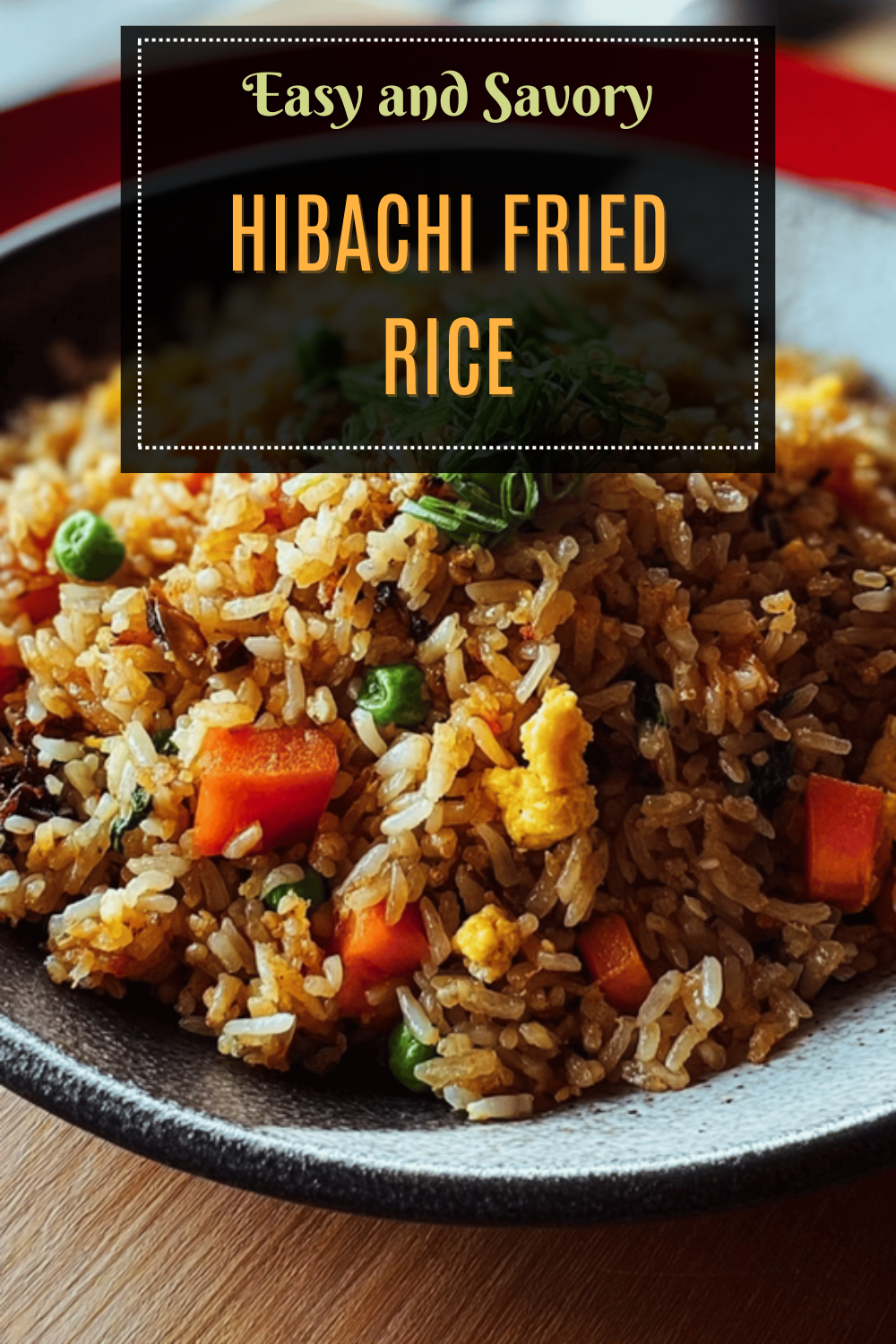
If you’re looking for a quick meal that brings excitement to your table, this hibachi fried rice is a game-changer. It’s simple to whip up on busy evenings, using ingredients you likely have on hand, and it comes together in no time at all. Plus, it offers a tasty way to enjoy everyday foods with a fun twist that feels like dining out.
One of the best parts is how easy it is to make, with steps that won’t leave you tied to the stove for hours. This dish packs in nutrition from eggs, veggies, and rice, making it a solid choice for anyone watching their diet. You’ll appreciate how versatile it is, too, so it fits into various lifestyles without much fuss.
Beyond that, the flavors really shine through with soy sauce and sesame oil adding a savory punch. It’s adaptable for different tastes, whether you’re cooking for family or tweaking it for yourself. This recipe brings joy to cooking and makes mealtime something to look forward to every time.
This hibachi fried rice isn’t just food; it’s a reliable favorite that brings people together. With its mix of textures and tastes, it’s perfect for adding to your weekly rotation. Whether you’re a beginner or a pro in the kitchen, this dish will make you feel like you’ve mastered something special.
Jump to:
- Why You’ll Love This Hibachi Fried Rice
- Essential Ingredients for Hibachi Fried Rice
- Main Ingredients
- How to Prepare the Perfect Hibachi Fried Rice: Step-by-Step Guide
- Gathering and Heating
- Adding Flavors and Finishing
- Dietary Substitutions to Customize Your Hibachi Fried Rice
- Mastering Hibachi Fried Rice: Advanced Tips and Variations
- How to Store Hibachi Fried Rice: Best Practices
- FAQs: Frequently Asked Questions About Hibachi Fried Rice
- What makes hibachi fried rice different from regular fried rice?
- How do I cook rice properly for hibachi fried rice if I don’t have leftover rice?
- Can I add meat or vegetables to hibachi fried rice? What pairs well?
- What ingredients do I need to make hibachi fried rice at home?
- What are some expert tips to prevent hibachi fried rice from becoming mushy?
- Hibachi Fried Rice
- Ingredients
- Instructions
- Last Step:
- Notes
- Nutrition
- Did you make this recipe?
Essential Ingredients for Hibachi Fried Rice
To create this delicious hibachi fried rice, you’ll need a few key items that come together for a flavorful result. Start with the right rice and add in elements that bring out the classic tastes we all love. Let’s break it down so you can gather everything easily.
Focusing on fresh, quality ingredients helps achieve that authentic hibachi feel at home. Use the precise measurements below to ensure your dish turns out just right. Remember, the secret is in how these components mix and cook together.
Main Ingredients
- 3 cups cooked and cooled rice (day-old rice preferred; 1 ¼ cups uncooked rice to make 3 cups cooked)
- 1 tablespoon grapeseed oil (or avocado oil)
- 1 tablespoon butter
- 2 large eggs, lightly beaten
- ½ cup chopped onions (yellow or white)
- 2 teaspoons grated ginger
- 2 tablespoons low sodium soy sauce (or gluten-free tamari)
- 1 teaspoon toasted sesame oil
- 1 scallion, thinly sliced for garnish
For special dietary options, you might swap things around to fit your needs. For example, if you’re going vegan, skip the eggs and butter. Or choose gluten-free soy sauce to make it work for everyone at your table.
How to Prepare the Perfect Hibachi Fried Rice: Step-by-Step Guide
Getting started with hibachi fried rice is straightforward, and following these steps will help you nail it every time. Begin by pulling together all your ingredients so cooking feels smooth and stress-free. This dish only takes about 15 minutes total, with 5 minutes for prep and 10 for cooking, making it ideal for a fast dinner.
First, heat a large pan like a dutch oven, griddle, or wok over high heat until it’s really hot. Add the oil and quickly scramble the eggs, then set them aside to keep their texture nice. This step ensures the eggs don’t get overcooked later on.
Gathering and Heating
Make sure you have your rice ready and cooled for the best results. Once your pan is hot, add the butter and let it melt before tossing in the chopped onions. Cook them for 3 to 4 minutes until they soften, then stir in the grated ginger for about 30 seconds to release its flavor.
Now, mix in the cooked rice and the scrambled eggs you set aside earlier. Stir everything together and flatten the rice into a thin layer. Let it sizzle for 30 seconds without touching it, then stir and repeat a few times until you hear it popping without burning.
Adding Flavors and Finishing
Drizzle the soy sauce and toasted sesame oil over the rice to coat it evenly. Keep stirring so the sauce soaks in while the rice continues to sizzle and pop. Once the sauce is fully absorbed, take it off the heat and garnish with the sliced scallions for a fresh finish.
This method draws from traditional techniques, like those in this fried rice recipe from Gimme Some Oven, which highlights how simple tweaks can elevate your home cooking. Adjust for dietary needs, such as using gluten-free options, and remember to cook on high heat for that perfect texture. Serve it warm for the best experience, and feel free to add extras like vegetables or proteins as you go.
| Step | Action | Time |
|---|---|---|
| 1 | Heat pan and scramble eggs | 1-2 minutes |
| 2 | Cook onions and ginger | 3-4 minutes |
| 3 | Add rice and eggs, stir and sizzle | 2-3 minutes |
| 4 | Add sauces and garnish | 1-2 minutes |

Dietary Substitutions to Customize Your Hibachi Fried Rice
Making hibachi fried rice your own is easy with a few swaps based on what you need. For instance, if you’re avoiding certain proteins, you can switch things up without losing that great taste. This flexibility makes the recipe welcoming for all kinds of eaters.
Start with protein options like replacing meat with tofu or tempeh for a vegan twist. When it comes to veggies, try bell peppers or broccoli instead of onions to mix in seasonal flavors. Use tamari as a gluten-free swap for soy sauce, and go for low-sodium versions if you’re watching your salt.
Don’t forget to tweak seasonings to match your preferences. If garlic is too strong, cut back a bit, or add extras for more zing. These changes keep the dish light and enjoyable while fitting your lifestyle.
Mastering Hibachi Fried Rice: Advanced Tips and Variations
Once you’re comfortable with the basics, you can level up your hibachi fried rice with some pro moves. For example, use a very hot pan and stir quickly to get that ideal crispy texture. This technique keeps everything from steaming and helps the flavors pop.
Try fun variations like tossing in pineapple or cashews for a sweet crunch. If you enjoy desserts like chocolate chip cookie bars, pair your fried rice with something sweet to end the meal on a high note. For presentation, serve it in a bowl and top with sesame seeds for a nice look.
Plan ahead by prepping ingredients in advance, so cooking is a breeze. Store rice separately and combine just before you cook to save time and keep things fresh. These tips make your dish stand out and add a personal touch.
How to Store Hibachi Fried Rice: Best Practices
Keeping your hibachi fried rice fresh is key to enjoying leftovers. Pop it in an airtight container and stick it in the fridge for up to 3-4 days. If you want to keep it longer, freeze portions in sealed bags for up to 2 months.
When it’s time to eat again, reheat on the stove or in the microwave with a bit of water or oil to keep it moist. For meal prep, use day-old rice for the best results and store items separately if you’re making a big batch. This way, your fried rice stays tasty and ready to go.
FAQs: Frequently Asked Questions About Hibachi Fried Rice
What makes hibachi fried rice different from regular fried rice?
Hibachi fried rice is distinct because it is typically cooked on a flat griddle or hot plate at high heat, giving it a slightly smoky flavor and a unique texture. It often uses short-grain or medium-grain rice like Calrose, which is stickier compared to the long-grain rice commonly used in traditional Chinese fried rice. The combination of butter, soy sauce, and toasted sesame oil also creates a richer taste. Unlike some Chinese fried rice recipes that can include a variety of vegetables and sauces, hibachi fried rice focuses on simplicity with a few key ingredients like eggs, onions, and ginger.
How do I cook rice properly for hibachi fried rice if I don’t have leftover rice?
If you don’t have day-old rice, cook fresh rice and spread it out on a large baking sheet to cool quickly. Place it uncovered in the refrigerator for 30-60 minutes to remove excess moisture, which helps prevent soggy fried rice. Alternatively, you can let the rice sit at room temperature for a few hours. Cooling the rice separates grains and reduces moisture, making it easier to fry evenly and get the desired texture typical of hibachi fried rice.
Can I add meat or vegetables to hibachi fried rice? What pairs well?
Yes, you can add a variety of proteins to hibachi fried rice. Cooked chicken, steak, shrimp, or beef work well when chopped into bite-sized pieces and mixed in during the last stages of cooking. Common vegetables to add include mushrooms, zucchini, broccoli, and green onions. Serving hibachi fried rice alongside grilled meats or steamed vegetables complements the dish and provides a balanced meal. To keep the flavor authentic, add vegetables and proteins in moderation so they don’t overpower the rice.
What ingredients do I need to make hibachi fried rice at home?
To make hibachi fried rice, you will need cooked rice (preferably day-old or cooled as described), eggs, butter, neutral high-heat cooking oil (like vegetable or canola), chopped onions, grated fresh ginger, soy sauce (low sodium preferred), and toasted sesame oil. Optional garnishes include sliced green onions. These ingredients combine to give hibachi fried rice its signature flavor and texture, with the butter and sesame oil adding richness and aroma.
What are some expert tips to prevent hibachi fried rice from becoming mushy?
To avoid mushy hibachi fried rice, use rice that has been properly cooled and separated before frying—day-old rice is ideal. Cook on high heat with a large, wide pan or griddle to allow moisture to evaporate quickly. Use a mix of butter and high-heat oil for better flavor and frying temperature. Avoid stirring too frequently; let the rice sit briefly to get a slight sear before stirring. Finally, use soy sauce sparingly and spread it evenly to prevent excess liquid accumulation that can soften the rice.
Hibachi Fried Rice
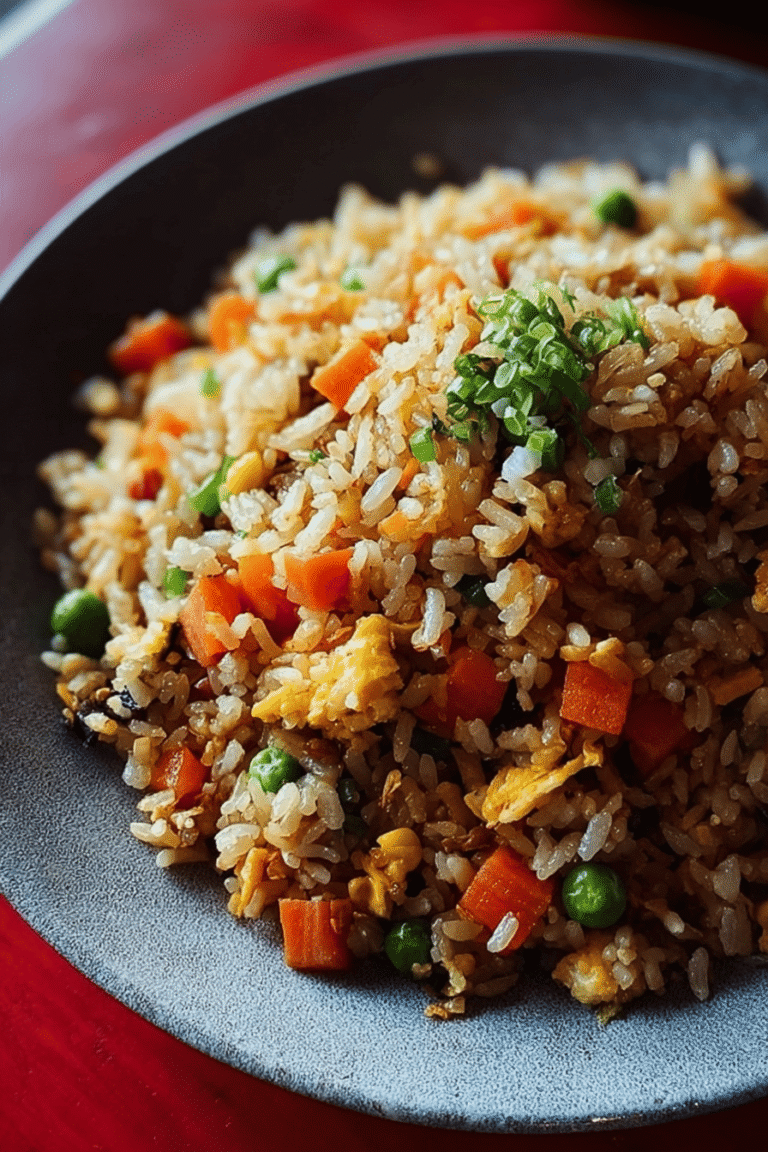
🍚 This Simple Hibachi Fried Rice recipe delivers classic flavors with an easy cooking method, making it a perfect side or main dish for busy days.
🔥 Enjoy the satisfying texture of sizzling rice combined with ginger, scallions, and soy sauce for an authentic hibachi experience at home.
- Total Time: 15 minutes
- Yield: 4 servings
Ingredients
– 3 cups cooked and cooled rice (day-old rice preferred; 1 ¼ cups uncooked rice to make 3 cups cooked)
– 1 tablespoon grapeseed oil (or avocado oil)
– 1 tablespoon butter
– 2 large eggs, lightly beaten
– ½ cup chopped onions (yellow or white)
– 2 teaspoons grated ginger
– 2 tablespoons low sodium soy sauce (or gluten-free tamari)
– 1 teaspoon toasted sesame oil
– 1 scallion, thinly sliced for garnish
Instructions
1-First, heat a large pan like a dutch oven, griddle, or wok over high heat until it’s really hot. Add the oil and quickly scramble the eggs, then set them aside to keep their texture nice. This step ensures the eggs don’t get overcooked later on.
2-Gathering and Heating: Make sure you have your rice ready and cooled for the best results. Once your pan is hot, add the butter and let it melt before tossing in the chopped onions. Cook them for 3 to 4 minutes until they soften, then stir in the grated ginger for about 30 seconds to release its flavor.
3-Now, mix in the cooked rice and the scrambled eggs you set aside earlier. Stir everything together and flatten the rice into a thin layer. Let it sizzle for 30 seconds without touching it, then stir and repeat a few times until you hear it popping without burning.
4-Adding Flavors and Finishing: Drizzle the soy sauce and toasted sesame oil over the rice to coat it evenly. Keep stirring so the sauce soaks in while the rice continues to sizzle and pop. Once the sauce is fully absorbed, take it off the heat and garnish with the sliced scallions for a fresh finish.
Last Step:
Please leave a rating and comment letting us know how you liked this recipe! This helps our business to thrive and continue providing free, high-quality recipes for you.Notes
🍚 Use cooked, day-old rice for the best texture to avoid sogginess.
🍳 Remove scrambled eggs while cooking onions to prevent rubbery texture and add them back when mixing the rice.
🔥 Cook on high heat with a wide pan like a wok or griddle to achieve the sizzling texture characteristic of hibachi rice.
- Prep Time: 5 minutes
- Cook Time: 10 minutes
- Category: Side Dish
- Method: Stir-frying
- Cuisine: Japanese
Nutrition
- Serving Size: 1 cup