

Why You’ll Love This Korean Bbq Steak Rice Bowls
If you love meals that blend bold tastes with simple steps, these Korean Bbq Steak Rice Bowls will quickly become a favorite in your kitchen. This dish offers ease of preparation, making it ideal for busy evenings when you need something tasty without a lot of fuss. Packed with lean protein from the flank steak and fresh veggies, it’s a smart choice that supports a balanced diet while delivering satisfying flavors.
One of the best parts is how versatile it is for different needs. You can tweak the ingredients to fit vegan, gluten-free, or low-calorie preferences, so everyone at the table can enjoy it. The mix of Korean barbecue marinade and rice creates a savory, slightly sweet experience that sets it apart from everyday meals. It’s no wonder this recipe stands out for home cooks looking for a fun twist on dinner.
Plus, the fresh toppings like kimchi and sesame seeds add a fun crunch that keeps things exciting. Whether you’re feeding a family or prepping for solo nights, these bowls come together quickly and taste amazing. Give it a try, and see how it adds some global flair to your weekly routine without overwhelming your schedule.
Jump to:
- Why You’ll Love This Korean Bbq Steak Rice Bowls
- Essential Ingredients for Korean Bbq Steak Rice Bowls
- For the Flank Steak
- For the Bowls
- How to Prepare the Perfect Korean Bbq Steak Rice Bowls: Step-by-Step Guide
- Dietary Substitutions to Customize Your Korean Bbq Steak Rice Bowls
- Protein and Main Component Alternatives
- Vegetable, Sauce, and Seasoning Modifications
- Mastering Korean Bbq Steak Rice Bowls: Advanced Tips and Variations
- How to Store Korean Bbq Steak Rice Bowls: Best Practices
- FAQs: Frequently Asked Questions About Korean Bbq Steak Rice Bowls
- What type of rice is best for making Korean BBQ steak rice bowls?
- How long should I marinate flank steak for Korean BBQ rice bowls?
- What is the recommended way to cook flank steak for Korean BBQ rice bowls?
- Can I use alternatives to pickled carrots in my Korean BBQ steak rice bowl?
- How can I pack Korean BBQ steak rice bowls for lunch without the ingredients getting soggy?
- Korean Bbq Steak Rice Bowls
- Ingredients
- Instructions
- Last Step:
- Notes
- Nutrition
- Did you make this recipe?
Essential Ingredients for Korean Bbq Steak Rice Bowls
To make these Korean Bbq Steak Rice Bowls, you’ll need a mix of key items that bring out the authentic flavors. The ingredients are straightforward and easy to find, focusing on fresh produce and simple marinades. Let’s break down what you need to create this delicious meal.
For the Flank Steak
- 2 to 3 pounds flank steak
- 1 cup Korean barbecue sauce
For the Bowls
- 2 cups uncooked sweet brown or sweet white rice (cooked according to package instructions)
- 2 cups kimchi
- 2 cups cucumber slices or 16 cucumber roses
- 2 cups pickled carrots or steamed carrots
- 8 green onions trimmed and thinly sliced
- 2 tablespoons sesame seeds
- 1/2 cup Korean barbecue sauce
This list covers everything required for a full recipe that serves several people. Remember, using sticky rice varieties like sweet brown or sweet white helps achieve that authentic texture. If you’re watching your diet, you can swap items to make it fit, but these measurements keep the balance just right.
| Ingredient Category | Purpose | Quantity |
|---|---|---|
| Flank Steak | Main protein source | 2 to 3 pounds |
| Rice | Base of the bowl | 2 cups uncooked |
| Vegetables | Adds crunch and nutrition | Varies by type, e.g., 2 cups kimchi |
For special diets, consider options like marinated tofu for vegan versions or tamari for gluten-free tweaks. This setup makes it easy to prepare and enjoy the fresh ingredients that make these bowls shine. For more ideas on fresh components, check out our blueberry lemonade recipe that pairs well with vibrant flavors.
How to Prepare the Perfect Korean Bbq Steak Rice Bowls: Step-by-Step Guide
Getting started with Korean Bbq Steak Rice Bowls is simple and rewarding. First, prepare the marinade by placing the flank steak in a resealable bag with 1 cup Korean barbecue sauce, seal it after removing air, and refrigerate for at least 8 up to 24 hours. This step lets the flavors soak in deeply, making the steak tender and full of taste.
Next, preheat a grill pan on high heat and remove the steak from the marinade. Grill it undisturbed for 3 minutes per side, rotating to create nice marks, until it reaches your preferred doneness aim for rare at 125°F or medium at 145°F. Let the steak rest for 10 to 15 minutes to lock in the juices before slicing.
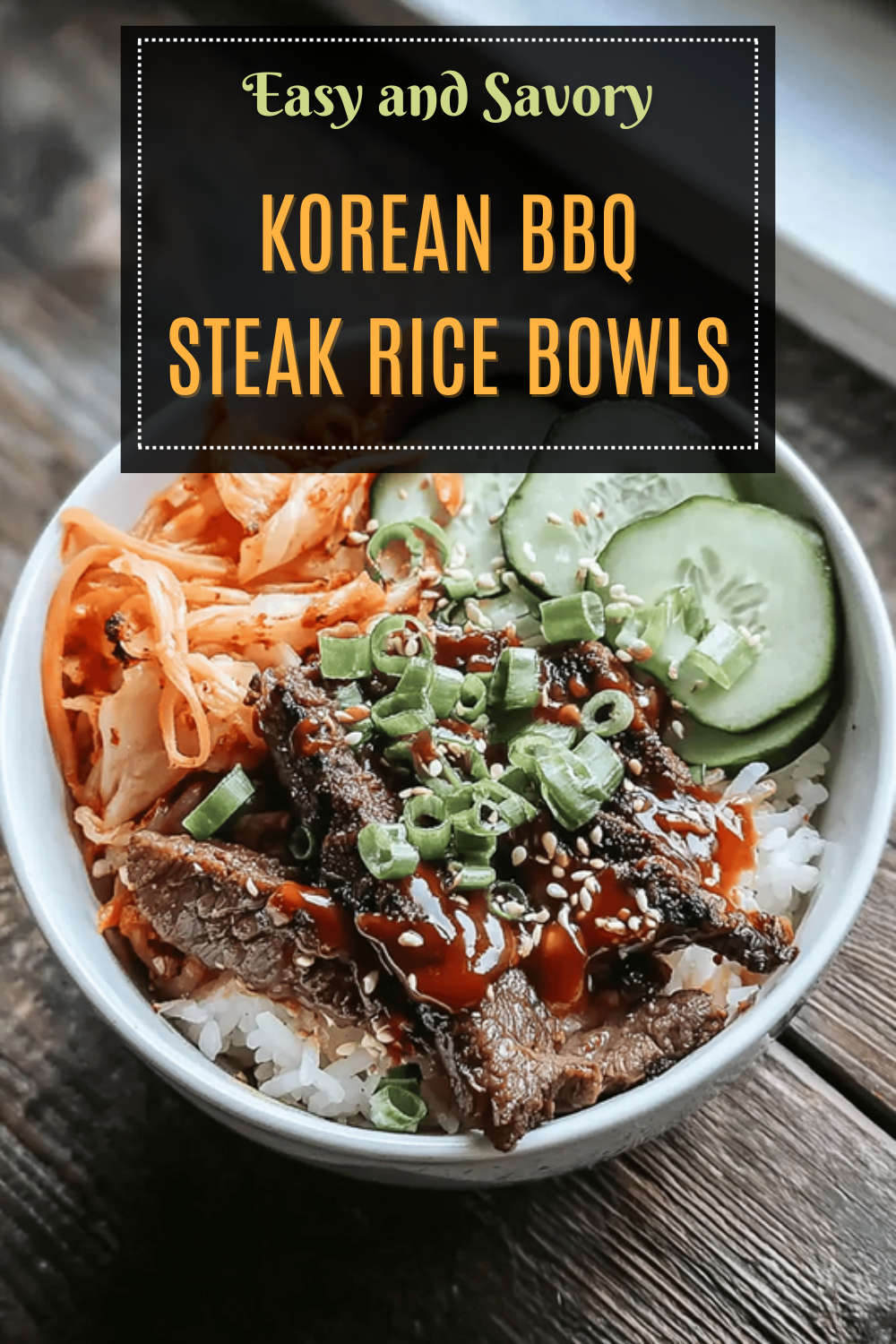
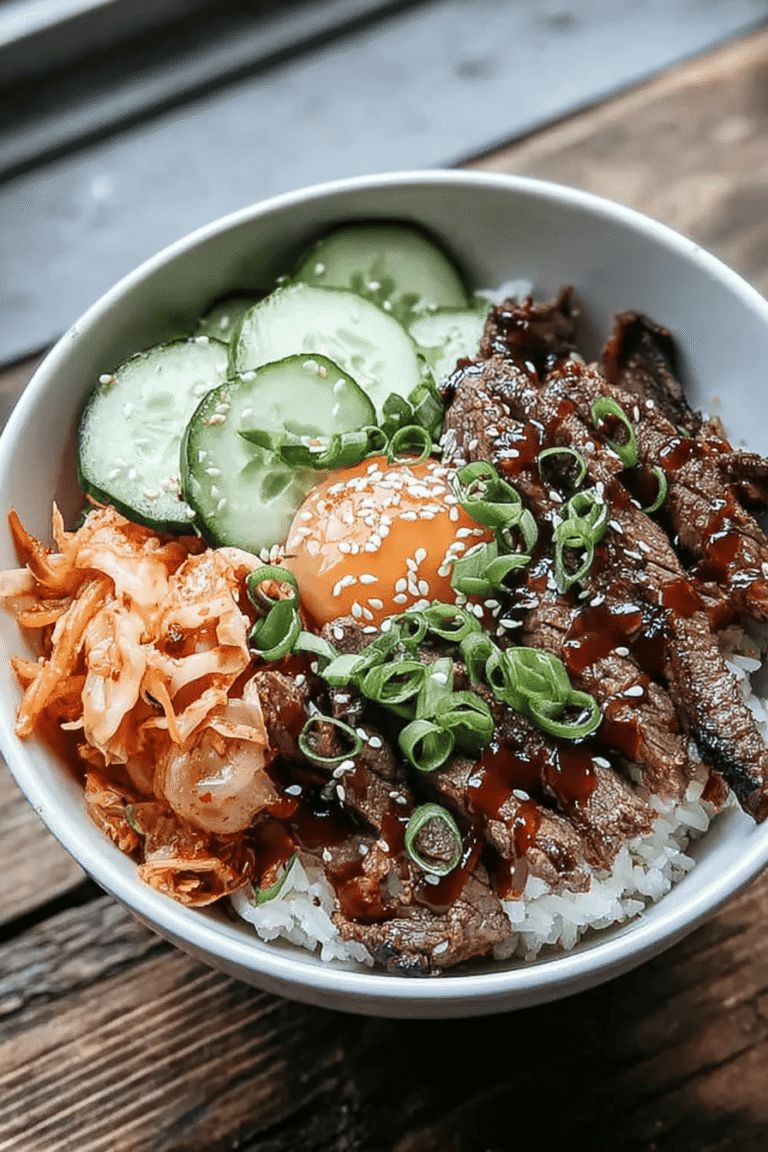
While the steak rests, cook the rice according to package instructions and keep it warm. In each bowl, start with 1 cup of cooked rice and arrange 1/4 cup kimchi, 1/4 cup cucumber slices or 2 cucumber roses, and 1/4 cup pickled or steamed carrots on top. Slice the steak diagonally across the grain and add 6 to 8 slices per bowl, then drizzle with 1 tablespoon Korean barbecue sauce and sprinkle with sliced green onions and sesame seeds.
Serve right away to enjoy the fresh, vibrant mix. For variations, try adding extra veggies or adjusting cook times for different preferences. If you’re into meal prep, our lemon blueberry bread offers tips on keeping foods fresh, which can help with your bowls too.

Dietary Substitutions to Customize Your Korean Bbq Steak Rice Bowls
Protein and Main Component Alternatives
For those with different preferences, the steak can be swapped for marinated tofu, tempeh, or seitan to go plant-based. Grilled chicken or shrimp work great for meat lovers wanting a change. To keep it gluten-free, use tamari or coconut aminos in place of soy sauce for that same umami kick.
Vegetable, Sauce, and Seasoning Modifications
Feel free to switch carrots and cucumbers for items like bell peppers or zucchini for a seasonal twist. Experiment with sauces such as spicy Gochujang or a light sesame dressing to mix things up. Adding garlic chili paste or fresh herbs can enhance the flavors, making the bowls fit your taste perfectly.
This flexibility means you can make Korean Bbq Steak Rice Bowls your own, whether you’re cutting calories or exploring new tastes.
These changes help tailor the dish to dietary needs while keeping it delicious. It’s all about making mealtime fun and accessible for everyone.
Mastering Korean Bbq Steak Rice Bowls: Advanced Tips and Variations
Taking your Korean Bbq Steak Rice Bowls to the next level involves some pro techniques. For superior flavor, marinate the flank steak overnight and use a cast-iron skillet for even searing to get that perfect crust. Always let the meat rest before slicing to keep the juices inside, resulting in tender bites every time.
- Use sticky rice for the best texture that holds everything together.
- Add kimchi for a spicy boost or pine nuts for extra crunch.
- Try citrus zest in the marinade for a fresh, zesty note.
- Layer ingredients in a shallow bowl and garnish with sesame seeds for a visually appealing dish.
With these tips, you can experiment and create variations that suit your style. Preparing ahead by chopping veggies and marinating meat saves time on busy days.
How to Store Korean Bbq Steak Rice Bowls: Best Practices
Keeping your Korean Bbq Steak Rice Bowls fresh is key to enjoying leftovers. Store them in an airtight container in the fridge for up to 3 days to hold onto that great taste. For longer storage, freeze the components like cooked steak and rice in sealed bags, and keep veggies separate for up to 2 months.
When reheating, use a skillet or microwave and add a bit of water or sauce to keep things moist. For meal prep, cook rice and steak in batches, then add fresh veggies right before eating to maintain crispness. This approach makes it easy to have a quick, flavorful meal anytime.
FAQs: Frequently Asked Questions About Korean Bbq Steak Rice Bowls
What type of rice is best for making Korean BBQ steak rice bowls?
The best rice for Korean BBQ steak rice bowls is short-grain or medium-grain rice with a slightly sticky texture. Popular choices include sweet white rice or short-grain sushi rice, as these varieties hold together well, making it easier to eat with chopsticks and to combine with other ingredients in the bowl. Avoid long-grain rice, which tends to be fluffier and less sticky.
How long should I marinate flank steak for Korean BBQ rice bowls?
For the best flavor and tenderness, marinate flank steak for at least 6 hours, and up to 24 hours. This allows the marinade ingredients—such as soy sauce, garlic, sesame oil, and sugar—to fully penetrate the meat. Marinating overnight in the refrigerator is a common approach to achieve a rich taste and tender texture.
What is the recommended way to cook flank steak for Korean BBQ rice bowls?
Flank steak should be cooked to medium-rare or medium doneness for optimal juiciness and tenderness. Grill the steak over medium-high heat and remove it from the heat when it is about 5°F below your target temperature, as it will continue to cook while resting. Let the steak rest for 5–10 minutes before slicing thinly against the grain.
Can I use alternatives to pickled carrots in my Korean BBQ steak rice bowl?
Yes, if you don’t have pickled carrots, you can substitute with lightly steamed or raw julienned carrots for a fresh crunch. Another option is to use quick-pickled vegetables like radishes or cucumbers, which provide a similar tangy flavor that balances the richness of the beef. Avoid heavy or sweet vegetable substitutes that could overpower the dish.
How can I pack Korean BBQ steak rice bowls for lunch without the ingredients getting soggy?
To keep your lunch fresh, pack the rice, steak, and vegetables separately in airtight containers. Keep sauces and garnishes like sesame seeds and green onions in small containers or packets to add just before eating. This separation prevents the rice from becoming soggy and maintains the flavors and textures until you’re ready to enjoy your meal.
Korean Bbq Steak Rice Bowls
🥩 Enjoy tender, flavorful Korean BBQ steak grilled to perfection and paired with fresh, vibrant vegetables for a balanced meal.
🍚 This recipe makes it easy to build delicious rice bowls with the perfect combination of savory, tangy, and fresh ingredients, ideal for lunch or dinner.
- Total Time: 8 hours 37 minutes (including marinating and resting)
- Yield: 4 servings 1x
Ingredients
2 to 3 pounds flank steak for main protein source
1 cup Korean barbecue sauce
2 cups uncooked sweet brown or sweet white rice base of the bowl
2 cups kimchi adds crunch and nutrition
2 cups cucumber slices or 16 cucumber roses
2 cups pickled carrots or steamed carrots
8 green onions trimmed and thinly sliced
2 tablespoons sesame seeds
1/2 cup Korean barbecue sauce
Instructions
1- Getting started with Korean Bbq Steak Rice Bowls is simple and rewarding. First, prepare the marinade by placing the flank steak in a resealable bag with 1 cup Korean barbecue sauce, seal it after removing air, and refrigerate for at least 8 up to 24 hours. This step lets the flavors soak in deeply, making the steak tender and full of taste.
2- Next, preheat a grill pan on high heat and remove the steak from the marinade. Grill it undisturbed for 3 minutes per side, rotating to create nice marks, until it reaches your preferred doneness aim for rare at 125°F or medium at 145°F. Let the steak rest for 10 to 15 minutes to lock in the juices before slicing.
3- While the steak rests, cook the rice according to package instructions and keep it warm. In each bowl, start with 1 cup of cooked rice and arrange 1/4 cup kimchi, 1/4 cup cucumber slices or 2 cucumber roses, and 1/4 cup pickled or steamed carrots on top. Slice the steak diagonally across the grain and add 6 to 8 slices per bowl, then drizzle with 1 tablespoon Korean barbecue sauce and sprinkle with sliced green onions and sesame seeds.
4- Serve right away to enjoy the fresh, vibrant mix. For variations, try adding extra veggies or adjusting cook times for different preferences. If you’re into meal prep, our lemon blueberry bread offers tips on keeping foods fresh, which can help with your bowls too.
Last Step:
Please leave a rating and comment letting us know how you liked this recipe! This helps our business to thrive and continue providing free, high-quality recipes for you.Notes
⏳ Marinate steak for at least 8 hours (up to 24) for the best flavor.
🍚 Use sticky rice like sweet brown or sweet white for authentic texture.
🥒 Store components separately if packing for lunch and assemble before eating to keep ingredients fresh.
- Prep Time: 10 minutes
- Marinating Time: 8 hours
- Cook Time: 12 minutes grill + 15 minutes rest
- Category: Main Course
- Method: Grilling
- Cuisine: Korean
- Diet: Contains meat and gluten (depending on barbecue sauce)
Nutrition
- Serving Size: 1 bowl
- Calories: Estimated per serving – varies with ingredients
- Sugar: Not specified
- Sodium: Not specified
- Fat: Not specified
- Saturated Fat: Not specified
- Unsaturated Fat: Not specified
- Trans Fat: Not specified
- Carbohydrates: Not specified
- Fiber: Not specified
- Protein: Not specified
- Cholesterol: Not specified