

Why You’ll Love This Ramen Chashu
Imagine coming home after a long day and whipping up a bowl of ramen chashu that’s full of flavor but doesn’t take forever to make. This recipe is straightforward, turning simple ingredients into a comforting meal that hits the spot every time. You’ll appreciate how it balances rich, savory notes while being adaptable to what you have in your kitchen.
One of the best parts about this ramen chashu is its ease of preparation, making it ideal for busy weeknights when you want something hearty without spending hours cooking. It packs nutritional benefits from protein-rich elements and fresh veggies, supporting your overall wellness. Plus, this dish is versatile, allowing tweaks for dietary preferences like vegan or gluten-free options, so everyone can enjoy it.
The distinctive flavor comes from a special blend of seasonings that create a deep, umami taste, setting it apart from store-bought versions. Not only does it satisfy your cravings, but it also lets you experiment with toppings for a personalized touch. If you’re looking to dive into homemade ramen chashu, this recipe makes it fun and accessible for home cooks of all levels.
Jump to:
- Why You’ll Love This Ramen Chashu
- Essential Ingredients for Ramen Chashu
- How to Prepare the Perfect Ramen Chashu: Step-by-Step Guide
- Dietary Substitutions to Customize Your Ramen Chashu
- Mastering Ramen Chashu: Advanced Tips and Variations
- Flavor and Presentation Ideas
- How to Store Ramen Chashu: Best Practices
- FAQs: Frequently Asked Questions About Ramen Chashu
- What is chashu and how is it used in ramen?
- How do you make tender chashu pork at home?
- Can I use chicken instead of pork for chashu in ramen?
- How should chashu be stored and reheated for ramen?
- What are some common variations of chashu used in ramen?
- Ramen Chashu
- Ingredients
- Instructions
- Last Step:
- Notes
- Nutrition
- Did you make this recipe?
Essential Ingredients for Ramen Chashu
Gathering the right ingredients is key to making authentic ramen chashu that bursts with flavor. Below is a comprehensive list based on the recipe, ensuring you have everything needed for a delicious outcome. I’ll break it down by category for clarity, so you can easily shop and prepare.
- For chicken stock: 2 pounds chicken bones
- For chicken stock: 8 cups water
- For chicken stock: 1 (2-inch) knob of ginger
- For chicken stock: 5 cloves garlic
- For chicken stock: 3 stalks green onion
- For chashu pork: 2 pounds pork belly
- For chashu pork: ½ cup sake
- For chashu pork: ½ cup soy sauce
- For chashu pork: ½ cup mirin
- For chashu pork: ½ cup water
- For chashu pork: ¼ cup granulated sugar
- For chashu pork: 1 (1-inch) knob of ginger
- For chashu pork: 2 cloves garlic (smashed)
- For chashu pork: 1 stalk green onion
- For shoyu tare: 1 cup soy sauce
- For shoyu tare: 2 teaspoons sake
- For shoyu tare: 2 teaspoons mirin
- For shoyu tare: 1 teaspoon granulated sugar
- For shoyu tare: 1 garlic clove (finely minced)
- For shoyu tare: ½ tablespoon ginger (finely minced)
- For shoyu tare: 1 stalk green onion
- For shoyu tare: 1 piece konbu (3×3 inch)
- For shoyu tare: 1 ounce bonito flakes
- Remaining ingredients: 12 ounces ramen noodles
- Remaining ingredients: 4 teaspoons MSG
- Remaining ingredients: ¼ cup thinly shaved onion
- Remaining ingredients: 1 handful of radish sprouts
- Remaining ingredients: ¼ cup chopped scallions
- Remaining ingredients: 4 soft-boiled eggs
This structured list covers every item with precise measurements, making it simple to follow. For special dietary options, consider using firm tofu instead of pork belly for vegan versions or tamari as a soy sauce substitute for gluten-free needs. Fresh ingredients like ginger and garlic not only enhance the taste but also add health benefits, such as improving digestion.
How to Prepare the Perfect Ramen Chashu: Step-by-Step Guide
Getting started with ramen chashu is easier than you might think, and following these steps will lead to a bowl that’s full of tender meat and flavorful broth. Begin by preparing your ingredients to ensure everything flows smoothly in the kitchen. The process takes about 3 hours total, including simmering time, so plan ahead for the best results.
- First, rinse the 2 pounds of chicken bones and boil them covered in water for 10 minutes, then drain and rinse both the bones and the pot to remove impurities.
- Return the bones to the pot with 8 cups of water, 1 (2-inch) knob of ginger, 5 cloves garlic, and 3 stalks green onion, then simmer covered for 2 hours while skimming off fat to keep the broth clear and warm.
- For the chashu pork, combine 2 pounds of pork belly with ½ cup sake, ½ cup soy sauce, ½ cup mirin, ½ cup water, ¼ cup granulated sugar, 1 (1-inch) knob of ginger, 2 cloves garlic (smashed), and 1 stalk green onion in a pot.
- Cover the pot, bring it to a boil, then reduce to a simmer for 2 hours or until the pork is tender, allowing the flavors to meld perfectly.
- Prepare the shoyu tare by combining 1 cup soy sauce, 2 teaspoons sake, 2 teaspoons mirin, 1 teaspoon granulated sugar, 1 garlic clove (finely minced), ½ tablespoon ginger (finely minced), 1 stalk green onion, 1 piece konbu (3×3 inch), and 1 ounce bonito flakes; boil for 1 minute, simmer for 5 minutes, then strain and cool for a rich sauce.
- Cook 12 ounces of ramen noodles until al dente, following package instructions for the ideal texture.
- To assemble each bowl, add 1 tablespoon of shoyu tare, 2 cups of chicken broth, and 1 teaspoon of MSG, then top with the noodles, ¼ cup thinly shaved onion, 1 handful of radish sprouts, ¼ cup chopped scallions, and 1 soft-boiled egg before serving immediately.
Timing and temperature are important, so keep a gentle simmer to achieve tender meat without overcooking. For external inspiration on perfecting your broth, check out this basic ramen broth guide.

Dietary Substitutions to Customize Your Ramen Chashu
Making ramen chashu work for your diet is simple with a few smart swaps. Whether you’re vegan, gluten-free, or watching calories, these changes keep the dish delicious and adaptable. Start by considering protein alternatives to match your needs.
- Protein alternatives: Replace pork belly with firm tofu or tempeh for a vegan option, or use chicken breast for a leaner variation.
- Protein alternatives: Seitan works well as a high-protein plant-based substitute.
- Vegetable and sauce modifications: Swap scallions for leek or chives, and use tamari instead of soy sauce for gluten-free versions.
- Vegetable and sauce modifications: Add miso paste or chili oil for extra flavor, and include seasonal veggies like spinach for freshness.
These adjustments help maintain the comforting essence of ramen chashu while fitting various preferences. Remember, balancing flavors is key, so taste as you go to ensure the final dish shines. For a sweet twist in your meal prep, you might try a recipe like berry crisp, which pairs well with light modifications for a fruity side.
Mastering Ramen Chashu: Advanced Tips and Variations
Once you’re comfortable with the basics, take your ramen chashu to the next level with these expert tips. Pro cooking techniques can make a big difference, like using a sous-vide method to control temperature for ultra-tender results. Marinating the pork overnight lets flavors sink in deeper, enhancing every bite.
Flavor and Presentation Ideas
Experiment with flavor variations by adding aromatics such as star anise or cinnamon for a more complex profile. For presentation, slice the chashu thinly and garnish with toasted sesame seeds or nori for an elegant look. Blanching chicken bones first helps create a clearer broth, removing impurities for a cleaner taste, as recommended in traditional methods.
| Technique | Benefit | Tip |
|---|---|---|
| Sous-vide cooking | Ensures even tenderness | Use for 24-48 hours at 165°F |
| Overnight marination | Deeper flavor | Refrigerate in sauce mixture |
| Adding spices | Unique taste | Incorporate star anise gradually |
Make-ahead options include preparing chashu in advance and storing it for quick meals. The shoyu tare can be made days ahead and kept in the fridge, while soaking thinly sliced onion in ice water reduces its sharpness. For more homemade inspiration, explore a chocolate chip cookies recipe to add a sweet element to your ramen variations.
How to Store Ramen Chashu: Best Practices
Proper storage keeps your ramen chashu fresh and tasty for later. Refrigerate cooked chashu in an airtight container for up to 3 days to lock in flavors. Freezing works well too; wrap it tightly and store for up to 1 month to maintain texture.
- Reheating: Gently use a steamer or low-power microwave to avoid drying out the meat.
- Meal prep: Keep chashu and broth separate to preserve noodle firmness and broth quality.
Following these steps ensures your dish stays enjoyable, even as leftovers. For external advice on braised meats, see this chashu pork recipe that aligns with our methods.
FAQs: Frequently Asked Questions About Ramen Chashu
What is chashu and how is it used in ramen?
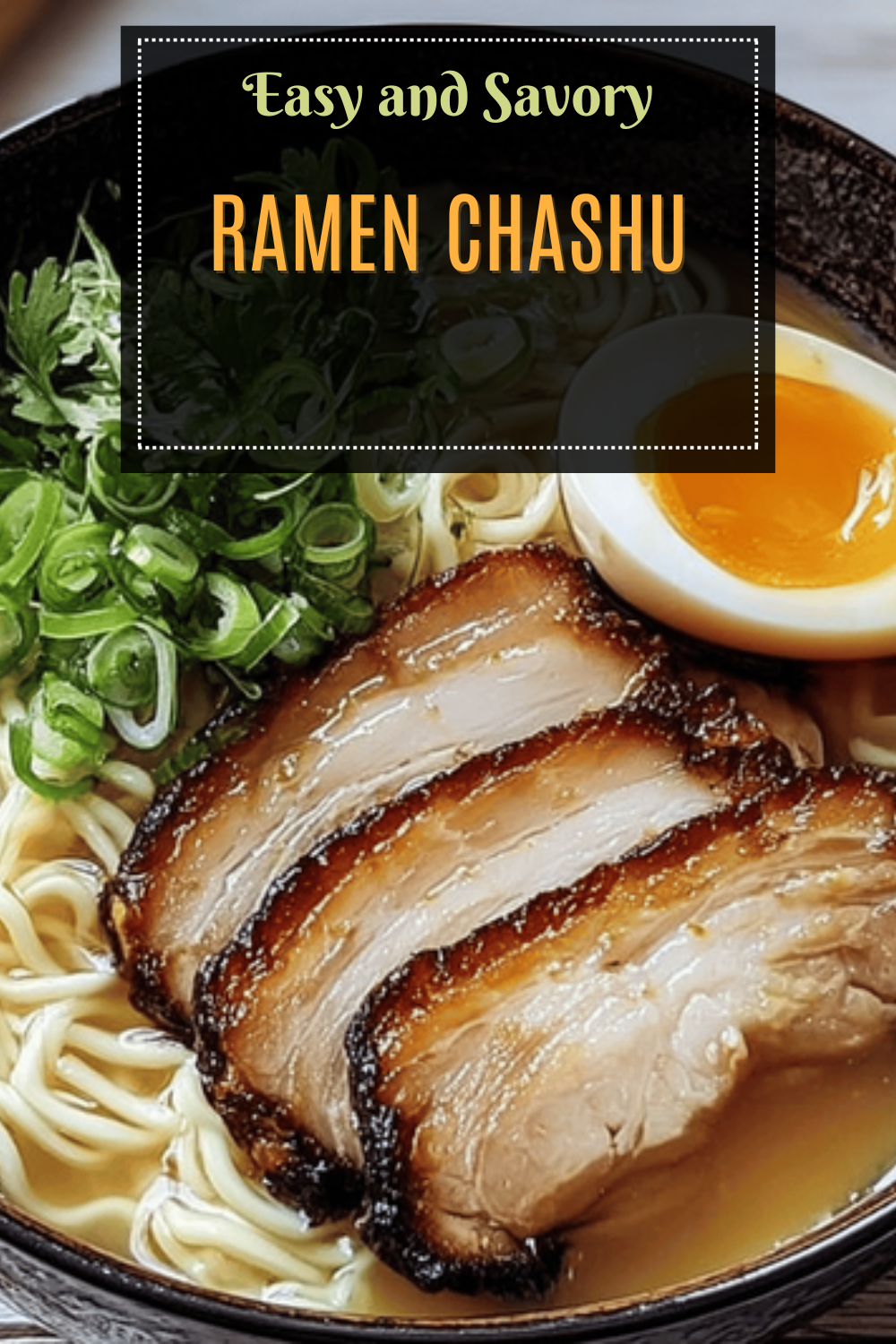
Chashu is a Japanese-style braised pork belly commonly served as a topping on ramen. It is simmered slowly in a mixture of soy sauce, sake, mirin, sugar, ginger, and garlic until tender and flavorful. Thin slices of chashu add rich umami and a melt-in-the-mouth texture, enhancing the overall taste and presentation of ramen bowls.
How do you make tender chashu pork at home?
To make tender chashu, simmer pork belly in a liquid of soy sauce, sake, mirin, sugar, sliced ginger, garlic cloves, and green onions over low heat for about 2 hours. Alternatively, cook it in a slow cooker or Instant Pot for convenience. The slow cooking process breaks down the fat and connective tissue, resulting in soft, flavorful meat.
Can I use chicken instead of pork for chashu in ramen?
Yes, chicken thighs can be used as a lighter alternative to pork for chashu. Prepare it similarly by simmering the chicken in a seasoned soy sauce mixture until tender. Chicken chashu offers a milder flavor but still provides a savory, juicy topping for ramen, suitable for those who prefer poultry or want a leaner option.
How should chashu be stored and reheated for ramen?
Store chashu in its braising liquid in an airtight container in the refrigerator for up to 3 days. This keeps the meat moist and flavorful. To reheat, gently warm the chashu in the braising liquid over low heat or briefly microwave covered, ensuring it doesn’t dry out before serving on ramen.
What are some common variations of chashu used in ramen?
Besides the classic pork belly, chashu variations include pork shoulder, chicken thighs, and even beef. Some recipes use a rolled pork breast for a leaner cut. Regional styles may add spices or cook it in different broths to offer distinct flavor profiles, allowing ramen lovers to customize their bowls.
Ramen Chashu
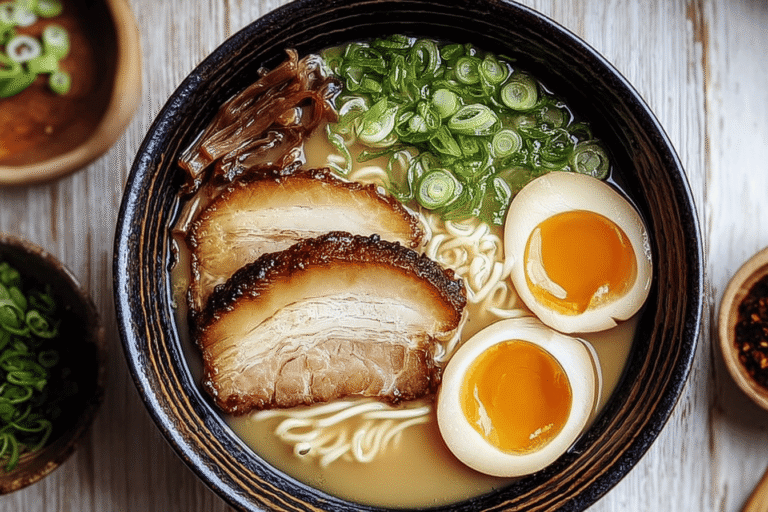
🍜 Dive into a bowl of Shoyu Ramen with tender chashu pork and a rich, savory broth that comforts and satisfies.
🥢 This recipe blends homemade chicken stock and flavorful shoyu tare to create an authentic Japanese ramen experience at home.
- Total Time: 3 hours 20 minutes
- Yield: 4 servings
Ingredients
– 2 pounds chicken bones for chicken stock
– 8 cups water for chicken stock
– 1 (2-inch) knob of ginger for chicken stock
– 5 cloves garlic for chicken stock
– 3 stalks green onion for chicken stock
– 2 pounds pork belly for chashu pork
– ½ cup sake for chashu pork
– ½ cup soy sauce for chashu pork
– ½ cup mirin for chashu pork
– ½ cup water for chashu pork
– ¼ cup granulated sugar for chashu pork
– 1 (1-inch) knob of ginger for chashu pork
– 2 cloves garlic (smashed) for chashu pork
– 1 stalk green onion for chashu pork
– 1 cup soy sauce for shoyu tare
– 2 teaspoons sake for shoyu tare
– 2 teaspoons mirin for shoyu tare
– 1 teaspoon granulated sugar for shoyu tare
– 1 garlic clove (finely minced) for shoyu tare
– ½ tablespoon ginger (finely minced) for shoyu tare
– 1 stalk green onion for shoyu tare
– 1 piece konbu (3×3 inch) for shoyu tare
– 1 ounce bonito flakes for shoyu tare
– 12 ounces ramen noodles
– 4 teaspoons MSG
– ¼ cup thinly shaved onion
– 1 handful of radish sprouts
– ¼ cup chopped scallions
– 4 soft-boiled eggs
Instructions
1-First, rinse the 2 pounds of chicken bones and boil them covered in water for 10 minutes, then drain and rinse both the bones and the pot to remove impurities.
2-Return the bones to the pot with 8 cups of water, 1 (2-inch) knob of ginger, 5 cloves garlic, and 3 stalks green onion, then simmer covered for 2 hours while skimming off fat to keep the broth clear and warm.
3-For the chashu pork, combine 2 pounds of pork belly with ½ cup sake, ½ cup soy sauce, ½ cup mirin, ½ cup water, ¼ cup granulated sugar, 1 (1-inch) knob of ginger, 2 cloves garlic (smashed), and 1 stalk green onion in a pot.
4-Cover the pot, bring it to a boil, then reduce to a simmer for 2 hours or until the pork is tender, allowing the flavors to meld perfectly.
5-Prepare the shoyu tare by combining 1 cup soy sauce, 2 teaspoons sake, 2 teaspoons mirin, 1 teaspoon granulated sugar, 1 garlic clove (finely minced), ½ tablespoon ginger (finely minced), 1 stalk green onion, 1 piece konbu (3×3 inch), and 1 ounce bonito flakes; boil for 1 minute, simmer for 5 minutes, then strain and cool for a rich sauce.
6-Cook 12 ounces of ramen noodles until al dente, following package instructions for the ideal texture.
7-To assemble each bowl, add 1 tablespoon of shoyu tare, 2 cups of chicken broth, and 1 teaspoon of MSG, then top with the noodles, ¼ cup thinly shaved onion, 1 handful of radish sprouts, ¼ cup chopped scallions, and 1 soft-boiled egg before serving immediately.
Last Step:
Please leave a rating and comment letting us know how you liked this recipe! This helps our business to thrive and continue providing free, high-quality recipes for you.Notes
🍲 Blanch chicken bones first to remove impurities for a clearer broth.
🥢 Slow simmer chashu pork for tender, fall-apart texture; consider a slow cooker or pressure cooker.
🧂 Prepare shoyu tare in advance to deepen flavor; strain well and refrigerate until needed.
- Prep Time: 20 minutes
- Simmering time: 3 hours
- Category: Main Course
- Method: Simmering, Boiling
- Cuisine: Japanese
- Diet: Gluten-Free Option
Nutrition
- Serving Size: 1 bowl