
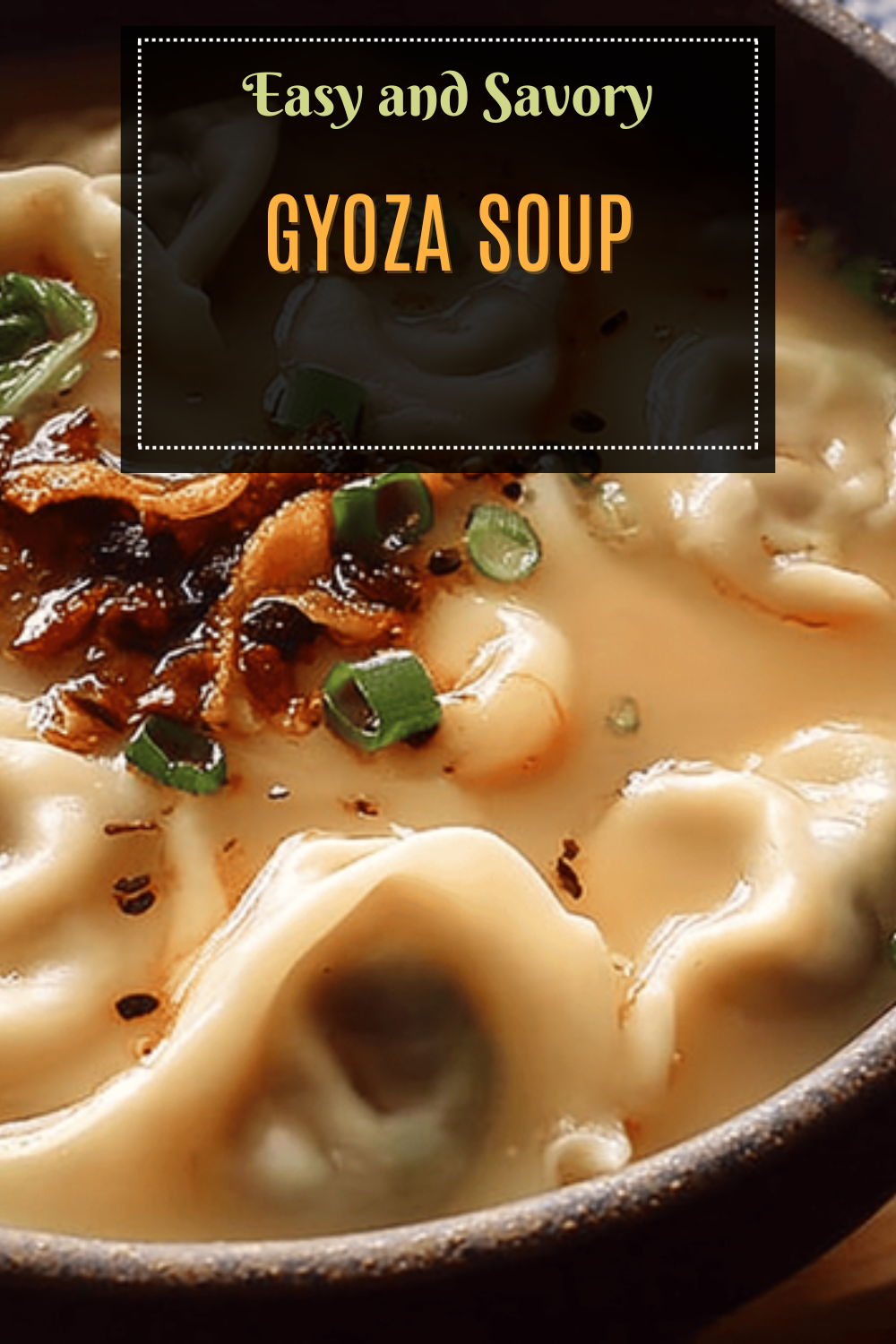
Why You’ll Love This Gyoza Soup
This gyoza soup recipe stands out as a go-to choice for anyone looking for a quick and satisfying meal. It’s simple to put together, taking just about 20 minutes from start to finish, which makes it ideal for busy evenings. With fresh veggies like bok choy and mushrooms, plus protein-packed dumplings, it delivers a wholesome dish that keeps things easy and delicious.
What really draws people in is how gyoza soup offers great health perks, including vitamins from the vegetables and a creamy broth that feels indulgent yet light. It’s also super flexible, letting you tweak it for different diets while keeping the flavors spot on. Whether you’re craving something comforting or a light dinner, this gyoza soup hits the mark every time.
Beyond its ease and nutrition, gyoza soup brings a burst of authentic Japanese-inspired taste with its creamy texture from cashew butter or tahini mixed into vegetable stock. This vegan dish features crispy-bottomed gyoza dumplings that add a fun crunch, making it a favorite for home cooks and food enthusiasts alike. Each serving packs in about 492 calories, offering a balance of 59g carbs, 19g protein, and essential nutrients like vitamin A and C.
From busy parents to students and even party hosts, this recipe adapts to various lifestyles, whether you need something quick for a weekday or a shareable meal for gatherings. Its rich broth, full of soy sauce and sesame oil vibes, creates a distinctive flavor that feels both familiar and exciting. Plus, it’s easy to double the recipe for larger groups, so everyone can enjoy a bowl of gyoza soup without much hassle.
Health Benefits and Versatility
Let’s dive deeper into why this gyoza soup is such a smart pick for health-focused eaters. The fresh ingredients like bok choy and cremini mushrooms boost immunity and aid digestion, while the vegan base keeps fat levels low at just 22g per serving. For those watching their sodium, note the 2276mg in each bowl, but you can adjust soy sauce to make it lighter.
This gyoza soup recipe shines in its adaptability, perfect for gluten-free swaps or low-calorie tweaks, as detailed in other sections. Compared to typical soups, it avoids heavy creams, relying on cashew butter for creaminess, which makes it a lighter option without losing that comforting feel. If you’re a traveler or newlywed exploring new flavors, this dish brings a taste of Asian cuisine right to your kitchen.
Jump to:
- Why You’ll Love This Gyoza Soup
- Health Benefits and Versatility
- Essential Ingredients for Gyoza Soup
- How to Prepare the Perfect Gyoza Soup: Step-by-Step Guide
- Dietary Substitutions to Customize Your Gyoza Soup
- Mastering Gyoza Soup: Advanced Tips and Variations
- Flavor and Pro Cooking Techniques
- How to Store Gyoza Soup: Best Practices
- FAQs: Frequently Asked Questions About Gyoza Soup
- Are gyoza gluten-free, and can I make a gluten-free version of gyoza soup?
- Can I cook gyoza directly in the soup broth without affecting the flavor?
- What is the difference between gyoza and potstickers in soup recipes?
- How can I make my gyoza soup more flavorful without overpowering the gyoza?
- Is gyoza soup a healthy meal option, and what are its nutritional benefits?
- Gyoza Soup
- Ingredients
- Instructions
- Last Step:
- Notes
- Nutrition
- Did you make this recipe?
Essential Ingredients for Gyoza Soup
When making gyoza soup, the key is using fresh, quality ingredients that come together quickly for a flavorful result. This vegan version focuses on simple items that create a creamy broth and tender dumplings. Below is a complete list of everything you’ll need, based on the recipe that highlights easy swaps for various preferences.
- 1 tablespoon neutral oil
- 10 frozen vegan gyoza (or substitute with potstickers or wontons)
- 2 tablespoons water
- 2 baby bok choy, cut in halves or 1 large bok choy cut in quarters
- 6 cremini mushrooms, cleaned and sliced
- 2 ¾ cups vegetable stock
- 2 (7 oz / 200 gram) packages of noodles, preferably fresh udon (or substitute with ramen, soba, or rice noodles)
- 3 tablespoons cashew butter or tahini
- 2 tablespoons soy sauce
- 2 teaspoons rice vinegar or white wine vinegar
- ¼ teaspoon sesame oil
- 1-2 tablespoons chili crisp
This list ensures you have all the elements for a balanced gyoza soup, from the crispy dumplings to the veggies that add crunch and nutrition. For more ideas on substitutions, check out the section on dietary tweaks. Remember, using cashew butter helps achieve that creamy broth without overpowering the other flavors, as mentioned in the tips.
How to Prepare the Perfect Gyoza Soup: Step-by-Step Guide
Getting gyoza soup just right involves a few straightforward steps that anyone can follow, even if you’re new to cooking. Start by preparing your ingredients to make the process smooth and efficient. This method keeps the gyoza crispy and the broth flavorful, drawing from traditional techniques for the best results.
- First, prepare the filling if you’re making gyoza from scratch, but for this recipe, use frozen vegan gyoza to save time. Heat 1 tablespoon of neutral oil in a large pan over medium heat and add the 10 frozen vegan gyoza, frying until the bottoms turn brown and crispy, about 5 minutes.
- Add 2 tablespoons of water, cover the pan quickly, reduce heat to low, and steam for about 5 minutes until the gyoza are heated through. Remove the lid, increase the heat, and cook for another 3 minutes to evaporate excess water and recrisp the bottoms.
- Meanwhile, rinse the bok choy thoroughly. In a separate pot, bring 2 ¾ cups of vegetable stock to a boil, then add the 6 sliced cremini mushrooms and submerge the bok choy stems, simmering for 3-4 minutes until the stems soften.
- Lay the bok choy down to cook the leaves, then add the 2 (7 oz / 200 gram) packages of noodles and cook according to package instructions, usually about 2½ minutes for fresh udon.
- In serving bowls, mix 3 tablespoons of cashew butter or tahini with 2 tablespoons of soy sauce, 2 teaspoons of rice vinegar or white wine vinegar, and ¼ teaspoon of sesame oil to form a creamy paste. Add a ladle of hot broth to each bowl and stir to dissolve, then divide the noodles, stock, mushrooms, and bok choy among the bowls.
- Top with the crispy gyoza and drizzle with 1-2 tablespoons of chili crisp before serving. Throughout these steps, remember alternatives like using tofu for a vegan adaptation or tamari for gluten-free options to keep the gyoza soup adaptable.
This gyoza soup recipe takes about 5 minutes to prep and 15 minutes to cook, for a total of 20 minutes, making it perfect for weeknights. For even more flavor, for more ideas on enhancing your meals, try our blueberry lemonade recipe for a refreshing side. The key is to avoid cooking gyoza directly in the broth to prevent diluting their crispiness, as highlighted in the tips section.

Dietary Substitutions to Customize Your Gyoza Soup
Making gyoza soup your own is easy with a few smart swaps that keep the dish delicious and inclusive. Whether you’re aiming for vegan, gluten-free, or lower-calorie versions, these changes ensure everyone at the table can enjoy it. Start by considering protein options to fit your needs, like swapping meat for plant-based choices.
- Replace ground pork or chicken with crumbled tofu or tempeh for a vegan-friendly version.
- Use shrimp or fish flakes as seafood alternatives if you’re not keeping it vegan.
- For gluten intolerance, select gluten-free gyoza wrappers and switch soy sauce for tamari.
- Swap napa cabbage with bok choy, spinach, or kale based on what’s in season or what you have on hand.
- Opt for coconut aminos instead of soy sauce for a lower-sodium, gluten-free twist.
- Experiment with additions like chili oil or ginger to tweak the flavor without overwhelming the gyoza dumplings.
These adjustments help maintain the creamy broth’s appeal, using cashew butter as a base. For instance, if you’re diet-conscious, cutting back on oil can lower the fat content while keeping the soup hearty and full of gyoza goodness.
Mastering Gyoza Soup: Advanced Tips and Variations
Once you’re comfortable with the basics, leveling up your gyoza soup can make it even more exciting. Focus on techniques like the potsticker method to get that ideal crispy bottom on your dumplings. This involves pan-frying first and then steaming, which locks in flavor and texture.
Try flavor variations by adding shiitake mushrooms or lemongrass to the broth for a fresh twist on this gyoza soup recipe. Presentation matters too, so garnish with chopped scallions and a drizzle of chili oil to make your bowl look as good as it tastes. For busy days, prepare gyoza in advance and freeze them, cooking straight from frozen to save time.
To achieve the creamiest gyoza soup, stick with cashew butter or tahini and avoid peanut butter, as it can dominate the flavors.
Including extras like sesame seeds can enhance the overall experience, and for more dessert ideas to pair with your meal, check out our strawberry shortcake cupcakes for a sweet finish. Remember, gyoza soup is best fresh to keep that tender dumpling texture, and you can double the recipe for bigger crowds.
Flavor and Pro Cooking Techniques
Dive into pro tips for even better results, such as cooking oily noodles separately to keep the broth clear. This gyoza soup benefits from vegetables like broccoli as substitutes, adding variety without losing the essence of the dish.
How to Store Gyoza Soup: Best Practices
Proper storage keeps your gyoza soup tasting great for later, so follow these simple guidelines to avoid sogginess. Store leftovers in airtight containers in the fridge and aim to eat them within 3 days. Freezing works well too, but keep gyoza separate from the broth to maintain their crispiness.
| Storage Method | Duration | Tips |
|---|---|---|
| Refrigeration | Up to 3 days | Use airtight containers to keep flavors fresh. |
| Freezing | Up to 1 month | Freeze gyoza and broth separately for easy reheating. |
| Reheating | N/A | Gently warm on the stove to preserve texture. |
For meal prep, batch cook the broth ahead and combine with gyoza just before serving. This ensures your gyoza soup remains as flavorful as when it was first made, supporting busy lifestyles like those of working professionals.
FAQs: Frequently Asked Questions About Gyoza Soup
Are gyoza gluten-free, and can I make a gluten-free version of gyoza soup?
Traditional gyoza wrappers are made from wheat flour, so they are not gluten-free. However, you can prepare gluten-free gyoza by using wrappers made from rice flour or other gluten-free alternatives available online. When making gyoza soup, be sure to use gluten-free soy sauce and broth to keep the dish safe for a gluten-free diet.
Can I cook gyoza directly in the soup broth without affecting the flavor?
While it is possible to cook gyoza directly in the soup broth, it is generally not recommended because gyoza may release starch and oils that can cloud and alter the soup’s delicate flavor. Instead, pan-frying or boiling the gyoza separately before adding them to the soup helps maintain the broth’s clarity and taste.
What is the difference between gyoza and potstickers in soup recipes?
Gyoza and potstickers differ mainly in wrapper thickness and size; gyoza wrappers are thinner and the dumplings smaller, making them lighter in texture. Although potstickers or wontons can be used as substitutes in gyoza soup, the flavor and texture may vary, as potstickers tend to have thicker dough and a chewier bite.
How can I make my gyoza soup more flavorful without overpowering the gyoza?
To enhance the soup’s flavor while keeping it balanced, use a light broth such as chicken or vegetable stock, seasoned with ingredients like ginger, garlic, and scallions. Avoid adding heavy spices or too much soy sauce, which can mask the taste of the gyoza fillings. Fresh herbs added just before serving can also brighten the soup.
Is gyoza soup a healthy meal option, and what are its nutritional benefits?
Gyoza soup can be a nutritious option, especially when made with lean protein fillings like chicken or vegetables and a clear broth. It is relatively low in calories and can be rich in protein and vitamins. To make it healthier, limit added oils, choose low-sodium broth, and incorporate plenty of fresh vegetables into the soup.
Gyoza Soup
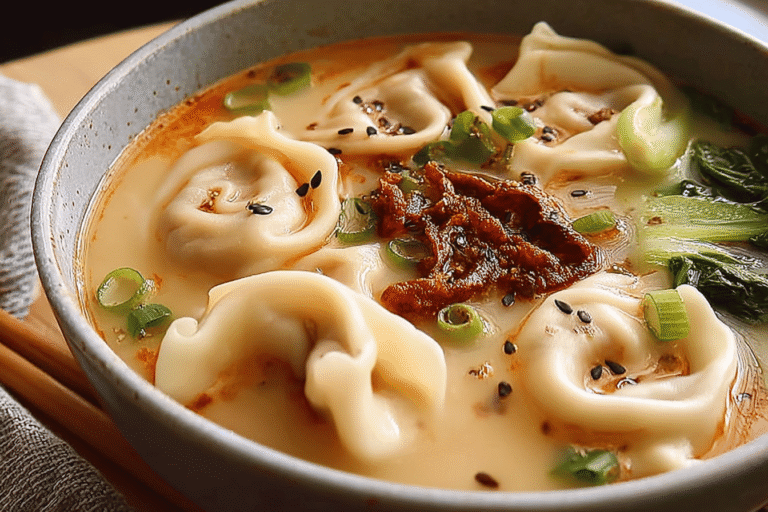
🥟 Experience the delightful combination of crispy-bottomed gyoza and a flavorful, creamy broth in this Japanese-inspired soup.
🍲 This vegan-friendly soup offers a nourishing meal with tender dumplings, fresh vegetables, and comforting noodles.
- Total Time: 20 minutes
- Yield: 2 servings
Ingredients
– 1 tablespoon neutral oil
– 10 frozen vegan gyoza (or substitute with potstickers or wontons)
– 2 tablespoons water
– 2 baby bok choy, cut in halves or 1 large bok choy cut in quarters
– 6 cremini mushrooms, cleaned and sliced
– 2 ¾ cups vegetable stock
– 2 (7 oz / 200 gram) packages of noodles, preferably fresh udon (or substitute with ramen, soba, or rice noodles)
– 3 tablespoons cashew butter or tahini
– 2 tablespoons soy sauce
– 2 teaspoons rice vinegar or white wine vinegar
– ¼ teaspoon sesame oil
– 1-2 tablespoons chili crisp
Instructions
1-First, prepare the filling if you’re making gyoza from scratch, but for this recipe, use frozen vegan gyoza to save time. Heat 1 tablespoon of neutral oil in a large pan over medium heat and add the 10 frozen vegan gyoza, frying until the bottoms turn brown and crispy, about 5 minutes.
2-Add 2 tablespoons of water, cover the pan quickly, reduce heat to low, and steam for about 5 minutes until the gyoza are heated through. Remove the lid, increase the heat, and cook for another 3 minutes to evaporate excess water and recrisp the bottoms.
3-Meanwhile, rinse the bok choy thoroughly. In a separate pot, bring 2 ¾ cups of vegetable stock to a boil, then add the 6 sliced cremini mushrooms and submerge the bok choy stems, simmering for 3-4 minutes until the stems soften.
4-Lay the bok choy down to cook the leaves, then add the 2 (7 oz / 200 gram) packages of noodles and cook according to package instructions, usually about 2½ minutes for fresh udon.
5-In serving bowls, mix 3 tablespoons of cashew butter or tahini with 2 tablespoons of soy sauce, 2 teaspoons of rice vinegar or white wine vinegar, and ¼ teaspoon of sesame oil to form a creamy paste. Add a ladle of hot broth to each bowl and stir to dissolve, then divide the noodles, stock, mushrooms, and bok choy among the bowls.
6-Top with the crispy gyoza and drizzle with 1-2 tablespoons of chili crisp before serving. Throughout these steps, remember alternatives like using tofu for a vegan adaptation or tamari for gluten-free options to keep the gyoza soup adaptable.
Last Step:
Please leave a rating and comment letting us know how you liked this recipe! This helps our business to thrive and continue providing free, high-quality recipes for you.Notes
🥢 Fry then steam gyoza separately to keep the broth flavorful and broth clear.
❄️ Use frozen gyoza directly without thawing for convenience and texture.
🍜 Cook oily noodles like instant ramen separately to prevent greasy broth.
- Prep Time: 5 minutes
- Cook Time: 15 minutes
- Category: Soup
- Method: Frying, Steaming, Simmering
- Cuisine: Japanese
- Diet: Vegan
Nutrition
- Serving Size: 1 serving
- Calories: 492
- Sugar: 9 g
- Sodium: 2276 mg
- Fat: 22 g
- Saturated Fat: 3 g
- Carbohydrates: 59 g
- Fiber: 9 g
- Protein: 19 g
- Cholesterol: 0 mg