
Why You’ll Love This Vanilla Cake
This vanilla cake recipe stands out for its ease, making it a favorite among home bakers who want delicious results without fuss. Just imagine pulling a moist, flavorful cake from your oven in under an hour, perfect for a quick treat or surprise guests. You’ll appreciate how this classic delivers on taste and simplicity, turning everyday ingredients into something truly special.
One highlight is how the recipe supports better choices for your health, like using whole milk and fresh eggs to keep things balanced yet indulgent. Swap in a few tweaks and you get a lighter option that still satisfies without heavy guilt. It’s all about enjoying cake in a way that fits your style, whether you’re watching what you eat or just craving comfort.
The versatility here shines through for all sorts of occasions, from casual family dinners to festive parties. You can turn this basic vanilla cake into cupcakes, layers, or even a simple loaf with ease. Plus, it adapts well to various diets, making it a go-to for busy parents, students, or anyone exploring new flavors.
Jump to:
- Why You’ll Love This Vanilla Cake
- Essential Ingredients for Vanilla Cake
- How to Prepare the Perfect Vanilla Cake: Step-by-Step Guide
- Combining the Batter
- Baking and Cooling
- Dietary Substitutions to Customize Your Vanilla Cake
- Mastering Vanilla Cake: Advanced Tips and Variations
- How to Store Vanilla Cake: Best Practices
- FAQs: Frequently Asked Questions About Vanilla Cake
- What ingredients do I need to make a classic vanilla cake?
- How can I make my vanilla cake moist and fluffy?
- How long does a vanilla cake stay fresh and how should I store it?
- Can I substitute vanilla extract with other ingredients in vanilla cake?
- What frosting pairs well with classic vanilla cake?
- Vanilla Cake
- Ingredients
- Instructions
- Last Step:
- Notes
- Nutrition
- Did you make this recipe?
Essential Ingredients for Vanilla Cake
In this section, we’ll break down all the ingredients you need for a perfect vanilla cake. These are pulled straight from the reliable recipe we’ve covered, ensuring your bake turns out just right. Remember, exact measurements matter to get that ideal texture and flavor every time.
- Plain / all-purpose flour: 2 cups
- Baking powder: 2 1/2 teaspoons
- Cooking salt (kosher salt): 1/4 teaspoon
- Eggs (large, 50 55g each), at room temperature: 4
- Caster / superfine sugar (granulated sugar is acceptable): 1 1/2 cups
- Unsalted butter, cut into cubes: 1/2 cup (115g)
- Whole milk, full fat: 1 cup
- Vanilla extract: 3 teaspoons
- Vegetable or canola oil: 3 teaspoons (1 tablespoon)
For the vanilla buttercream to top it off, you’ll need these as well:
- Unsalted butter, softened: 225g (2 sticks)
- Soft icing sugar / powdered sugar, sifted: 500g (1 lb)
- Vanilla extract: 3 teaspoons
- Milk: 2 to 4 tablespoons (to adjust thickness)
Use fresh, quality items to keep your cake moist and full of flavor. If you’re adapting for dietary needs, we’ll cover that later, but stick to these basics for the best results.
How to Prepare the Perfect Vanilla Cake: Step-by-Step Guide
First, start by preheating your oven to 180°C (350°F) or 160°C fan for 20 minutes; position the shelf in the middle to ensure even baking. Grease two 8-inch (20cm) cake pans and line them with parchment paper for easy release and a clean edge. Whisk together the flour, baking powder, and salt, then set it aside to keep things organized.
Next, beat the eggs with a stand mixer whisk at speed 6 for 30 seconds until they’re well mixed. Slowly add the sugar over 45 seconds while beating to help incorporate air. Continue beating at speed 8 for 7 minutes until the volume triples and the color lightens to almost white, creating that fluffy base we all love.
Combining the Batter
While the eggs are beating, melt the butter in the milk by microwaving or on the stovetop until the butter is fully melted and the mixture is hot but not boiling. Gently add the flour mixture to the egg-sugar batter in thirds, mixing briefly on low speed just until incorporated after each addition to avoid overmixing.
In a separate bowl, whisk about 1 1/2 cups of the whipped egg batter into the hot milk-butter mixture until it’s foamy and smooth. Slowly pour this back into the main egg batter on low speed over 15 seconds, then scrape down the bowl and mix on low speed for 10 seconds until smooth and pourable. Divide the batter evenly between the prepared pans and tap them on the counter three times to remove large air bubbles.
Baking and Cooling
Bake for 30 minutes, or until golden and a toothpick inserted comes out clean, for that perfect finish. Cool the cakes in the pans for 15 minutes, then invert onto racks; for level cakes, cool them upside down. Once fully cooled, frost with vanilla buttercream or your preferred option.
For the buttercream, beat softened butter on high speed with a paddle attachment for 3 minutes until creamy and pale. Gradually add sifted icing sugar in three parts, mixing slowly at first, then on high for 3 minutes once fully combined. Add vanilla extract and 2 to 4 tablespoons milk to achieve the desired consistency, and use immediately or refrigerate and re-whip before use. Preparation takes about 20 minutes, baking 30 minutes, and cooling around 2 hours before frosting, so plan ahead for the best results.

Dietary Substitutions to Customize Your Vanilla Cake
Adapting your vanilla cake for different needs is simple and fun, letting you tweak the recipe without losing that classic charm. For instance, if eggs aren’t an option, swap them with easy alternatives to keep things light and airy. These changes help everyone enjoy a slice, from vegans to those watching their calories.
Protein and main component alternatives include replacing eggs with 1 tablespoon ground flaxseed mixed with 3 tablespoons water per egg, or using aquafaba for a lighter feel. For butter, try equal parts neutral oil or vegan butter to maintain moisture in dairy-free versions. Milk can be switched to plant-based options, and flour works with gluten-free blends for a seamless swap.
Vegetable and seasoning modifications add even more variety, like mixing in puréed vegetables for extra fiber. Sauces such as fruit compotes pair well, and a pinch of seasonings like cardamom can enhance the flavor. Overall, these swaps let you tailor the cake to fit vegan, gluten-free, or low-calorie preferences while keeping the vanilla taste at the forefront.
Mastering Vanilla Cake: Advanced Tips and Variations
To take your vanilla cake to the next level, focus on precision measuring and weighing ingredients for consistent results. Always let eggs and dairy reach room temperature to ensure a smooth batter, and use gentle folding techniques to keep the crumb light. These pro tips, like introducing steam in the oven for tender tops, make a big difference in your final product.
Flavor variations offer exciting options, such as adding citrus zest for a bright twist or a hint of bourbon for depth. For presentation, aim for symmetrical layers and creative garnishes like fresh fruit or nuts. If you’re baking ahead, freeze layers for up to 3 months and thaw before frosting to lock in freshness.
- Use an oven thermometer for accurate baking.
- Experiment with almond extract for a unique flavor.
- Chill the cake before frosting for cleaner edges.
Remember, for more baking ideas, check out our chocolate chip banana bread recipe, which pairs great with vanilla treats. These techniques help you create restaurant-quality desserts adapted to your needs.
How to Store Vanilla Cake: Best Practices
Keeping your vanilla cake fresh is key to enjoying it over time, and proper storage makes all the difference. For short-term, place it in an airtight container at room temperature for up to 2 days if unfrosted. If frosted, refrigerate for 2 4 days to maintain the buttercream’s texture.
Freezing works wonders for longer storage, so wrap layers tightly and keep them for up to 3 months. Thaw in the fridge overnight and bring to room temperature before serving. When reheating, use a low oven or microwave briefly to restore moisture without drying it out.
| Storage Method | Duration | Tips |
|---|---|---|
| Room Temperature | Up to 2 days | Use an airtight container |
| Refrigerator | 2 4 days | Wrap loosely to avoid sogginess |
| Freezer | Up to 3 months | Double wrap for best results |
For another storage tip, visit our almond croissants page, which shares similar techniques for baked goods.
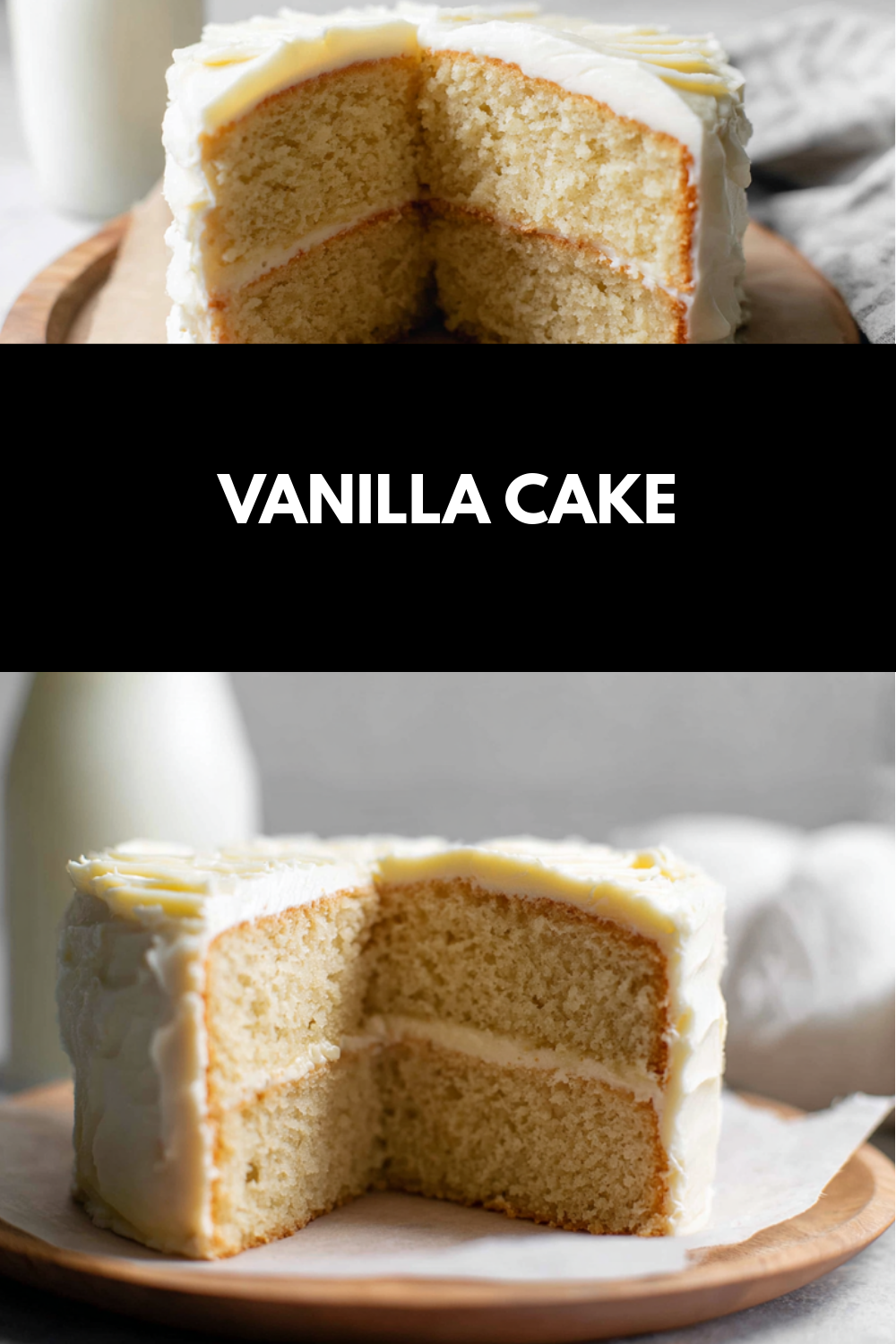
FAQs: Frequently Asked Questions About Vanilla Cake
What ingredients do I need to make a classic vanilla cake?
To bake a classic vanilla cake, you will need all-purpose flour, granulated sugar, unsalted butter, eggs, baking powder, salt, whole milk, and pure vanilla extract. Using real vanilla extract is key for authentic flavor. Make sure all ingredients are at room temperature for better mixing and texture. This basic combination creates a soft, moist cake with a balanced vanilla flavor.
How can I make my vanilla cake moist and fluffy?
For a moist and fluffy vanilla cake, avoid overmixing the batter, as this can develop gluten and make the cake dense. Use buttermilk or whole milk to add moisture, and incorporate room temperature butter and eggs evenly. Baking at the right temperature (around 350°F or 175°C) and checking doneness with a toothpick will help prevent drying out the cake.
How long does a vanilla cake stay fresh and how should I store it?
A vanilla cake typically stays fresh for 2 to 3 days when stored at room temperature in an airtight container. For longer storage, wrap the cake tightly in plastic wrap and keep it in the refrigerator for up to one week. You can also freeze the cake for up to 3 months; just thaw it overnight in the fridge before serving.
Can I substitute vanilla extract with other ingredients in vanilla cake?
While pure vanilla extract provides the best flavor, you can substitute it with vanilla bean paste or vanilla powder for a stronger vanilla taste. Avoid using artificial vanilla flavoring if you want a richer profile. Alternatively, almond extract or citrus zest can add interesting variations but will change the traditional vanilla flavor.
What frosting pairs well with classic vanilla cake?
Classic vanilla cake pairs excellently with buttercream frosting, cream cheese frosting, or whipped cream. For a simple yet delicious option, use classic vanilla buttercream made with butter, powdered sugar, vanilla extract, and a bit of milk. Cream cheese frosting adds a slight tanginess that complements the vanilla, while whipped cream keeps it light and airy.
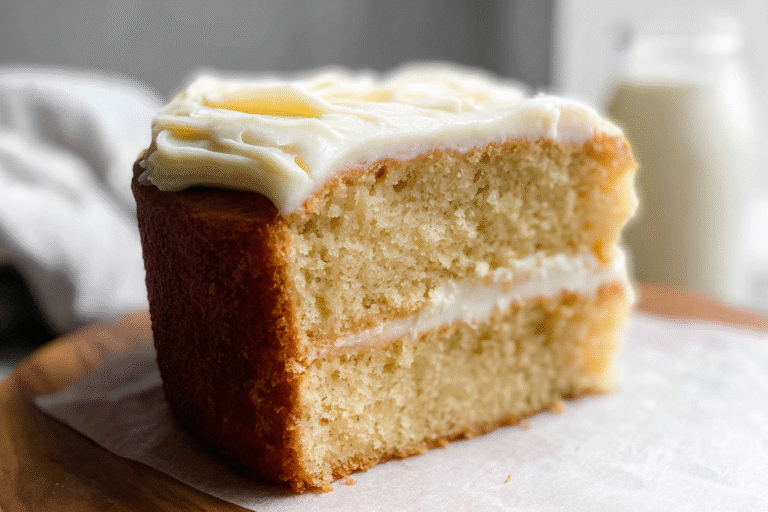
Vanilla Cake
🎂 This Vanilla Cake Recipe is designed to stay moist for days, offering a soft, tender crumb that delights every bite.
🌟 Ideal for celebrations or everyday treats, its deliciously rich flavor and lasting moisture make it a favorite to bake again and again.
- Total Time: 2 hours 50 minutes
- Yield: 2 8-inch cakes (8-10 servings)
Ingredients
– 2 cups plain / all-purpose flour
– 2 1/2 teaspoons baking powder
– 1/4 teaspoon cooking salt (kosher salt)
– 4 eggs (large, 50 55g each) at room temperature
– 1 1/2 cups caster / superfine sugar (granulated sugar is acceptable)
– 1/2 cup (115g) unsalted butter, cut into cubes
– 1 cup whole milk, full fat
– 3 teaspoons vanilla extract
– 3 teaspoons (1 tablespoon) vegetable or canola oil
– 225g (2 sticks) unsalted butter, softened
– 500g (1 lb) soft icing sugar / powdered sugar, sifted
– 3 teaspoons vanilla extract
– 2 to 4 tablespoons milk (to adjust thickness)
Instructions
1-First, start by preheating your oven to 180°C (350°F) or 160°C fan for 20 minutes; position the shelf in the middle to ensure even baking. Grease two 8-inch (20cm) cake pans and line them with parchment paper for easy release and a clean edge. Whisk together the flour, baking powder, and salt, then set it aside to keep things organized.
2-Next, beat the eggs with a stand mixer whisk at speed 6 for 30 seconds until they’re well mixed. Slowly add the sugar over 45 seconds while beating to help incorporate air. Continue beating at speed 8 for 7 minutes until the volume triples and the color lightens to almost white, creating that fluffy base we all love.
3-Combining the Batter: While the eggs are beating, melt the butter in the milk by microwaving or on the stovetop until the butter is fully melted and the mixture is hot but not boiling. Gently add the flour mixture to the egg-sugar batter in thirds, mixing briefly on low speed just until incorporated after each addition to avoid overmixing.
4-Combining the Batter: In a separate bowl, whisk about 1 1/2 cups of the whipped egg batter into the hot milk-butter mixture until it’s foamy and smooth. Slowly pour this back into the main egg batter on low speed over 15 seconds, then scrape down the bowl and mix on low speed for 10 seconds until smooth and pourable. Divide the batter evenly between the prepared pans and tap them on the counter three times to remove large air bubbles.
5-Baking and Cooling: Bake for 30 minutes, or until golden and a toothpick inserted comes out clean, for that perfect finish. Cool the cakes in the pans for 15 minutes, then invert onto racks; for level cakes, cool them upside down. Once fully cooled, frost with vanilla buttercream or your preferred option.
6-For the buttercream, beat softened butter on high speed with a paddle attachment for 3 minutes until creamy and pale. Gradually add sifted icing sugar in three parts, mixing slowly at first, then on high for 3 minutes once fully combined. Add vanilla extract and 2 to 4 tablespoons milk to achieve the desired consistency, and use immediately or refrigerate and re-whip before use. Preparation takes about 20 minutes, baking 30 minutes, and cooling around 2 hours before frosting, so plan ahead for the best results.
Last Step:
Please leave a rating and comment letting us know how you liked this recipe! This helps our business to thrive and continue providing free, high-quality recipes for you.Notes
🥚 Always use room temperature eggs; warm cold eggs in warm water for 5 minutes if needed.
🌡 Slightly warm mixing bowls under warm water then dry before beating eggs for better aeration.
🧂 Use fresh, active baking powder to ensure proper rise and moist texture.
- Prep Time: 20 minutes
- Cooling time: 2 hours
- Cook Time: 30 minutes
- Category: Dessert
- Method: Baking
- Cuisine: American
- Diet: Vegetarian
Nutrition
- Serving Size: 1 slice
- Calories: 320
- Sugar: 28g
- Sodium: 150mg
- Fat: 15g
- Saturated Fat: 9g
- Unsaturated Fat: 5g
- Trans Fat: 0g
- Carbohydrates: 40g
- Fiber: 1g
- Protein: 5g
- Cholesterol: 90mg