
Why You’ll Love This Singapore Noodle
This Singapore Noodle recipe is a game-changer for anyone craving a quick, tasty meal that fits into a busy schedule. It’s straightforward to whip up, using simple ingredients like rice vermicelli and fresh veggies, which means you can have dinner on the table in about 35 minutes. Plus, it’s packed with flavors from spices and proteins that make every bite exciting without overwhelming your kitchen time.
One of the best parts is how it delivers health benefits through a mix of veggies, protein from items like shrimp and pork, and light noodles. For instance, the dish includes nutritious elements such as napa cabbage and carrots, which add vitamins while keeping things light and balanced. Whether you’re a student rushing between classes or a working professional, this recipe offers a nutritious option that supports your wellness goals.
Its versatility shines through in how easily you can tweak it for different diets, like swapping to gluten-free soy sauce or using tofu instead of meat. You’ll enjoy the distinctive flavor, thanks to curry powder and other spices that create a vibrant taste reminiscent of street food favorites. This makes it ideal for food enthusiasts and even travelers looking to recreate global dishes at home.
Jump to:
- Why You’ll Love This Singapore Noodle
- Essential Ingredients for Singapore Noodle
- Main Ingredients
- How to Prepare the Perfect Singapore Noodle: Step-by-Step Guide
- Step-by-Step Instructions
- Dietary Substitutions to Customize Your Singapore Noodle
- Protein and Main Component Alternatives
- Vegetable, Sauce, and Seasoning Modifications
- Mastering Singapore Noodle: Advanced Tips and Variations
- Pro Cooking Techniques
- Flavor Variations
- How to Store Singapore Noodle: Best Practices
- FAQs: Frequently Asked Questions About Singapore Noodle
- What are Singapore Noodles made of and where did the dish come from?
- Can I make Singapore Noodles gluten-free at home?
- How do I prepare rice vermicelli noodles for Singapore Noodles?
- What protein choices work best in Singapore Noodles?
- What vegetables should I use to make authentic Singapore Noodles?
- Singapore Noodle
- Ingredients
- Instructions
- Last Step:
- Notes
- Nutrition
- Did you make this recipe?
Essential Ingredients for Singapore Noodle
When it comes to making Singapore Noodle, the right ingredients make all the difference. This recipe focuses on fresh, accessible items that deliver authentic flavors while being easy to find at your local store. Let’s break down the essentials, pulling from a tried-and-true list to ensure your dish turns out perfectly.
Main Ingredients
- 5 ounces rice vermicelli noodles
- 12 large frozen shrimp, peeled, deveined, and butterflied
- 2 1/2 tablespoons vegetable oil, divided
- 2 beaten eggs
- 2 cloves chopped garlic
- 4 ounces Chinese BBQ pork or a substitute like Virginia ham or Chinese sausage
- 3 dried red chili peppers
- 9 ounces shredded napa cabbage (about 3 cups)
- 1 medium julienned carrot (approximately 2.5 ounces or 70 grams)
- 1/2 red onion thinly sliced (about 2.5 ounces or 70 grams)
- 1 bunch julienned scallions
- 1 tablespoon Shaoxing wine (dry cooking sherry as a substitute)
- 2 tablespoons curry powder (or to taste)
- 1 teaspoon salt
- 1/4 teaspoon sugar
- 1/8 teaspoon white pepper
- 1/2 teaspoon sesame oil
- 1 1/2 teaspoons soy sauce (gluten-free soy sauce for a gluten-free version)
- Optionally, 2-4 tablespoons chicken stock or water
These ingredients come together to create a balanced dish that serves roughly four people. For special dietary needs, you can adapt as needed, like using tamari for a gluten-free twist, which keeps the flavors intact.
How to Prepare the Perfect Singapore Noodle: Step-by-Step Guide
Getting Singapore Noodle just right involves a few key steps that build layers of flavor. Start by preparing your rice vermicelli noodles, which form the base of this dish. First, rehydrate the noodles by soaking in cold water overnight for a soft texture, or in hot water for at least 30 minutes for firmer results, or boil for 1 minute as per package instructions. Once done, drain them and cut into 8-10 inch lengths to make stirring easier.
Step-by-Step Instructions
- Scramble the 2 beaten eggs separately with 1 tablespoon of the vegetable oil in a wok or pan, then set them aside to keep them fluffy and ready to add later.
- Heat the remaining 1 1/2 tablespoons of vegetable oil in a wok over high heat. Add the 2 cloves of chopped garlic, 12 large frozen shrimp (peeled, deveined, and butterflied), and 4 ounces of Chinese BBQ pork or substitute, stir-frying briefly until the shrimp starts to turn pink.
- Pour in 1 tablespoon of Shaoxing wine and add 3 dried red chili peppers, letting the aromas release for a moment before moving on.
- Add 9 ounces of shredded napa cabbage and the julienned carrot, stir-frying for about 30 seconds to soften them slightly.
- Mix in the prepared rice vermicelli noodles, then season with 2 tablespoons of curry powder, 1 teaspoon salt, 1/4 teaspoon sugar, and 1/8 teaspoon white pepper. Stir-fry using a lifting and stirring motion for 2 minutes, adding 2-4 tablespoons of chicken stock or water if the mixture seems dry.
- Incorporate 1/2 teaspoon sesame oil, 1 1/2 teaspoons soy sauce, and the cooked eggs, stirring everything together and heating through for 1 minute to blend the flavors.
- Finally, add the julienned scallions and thinly sliced red onion, stir-frying for 20 seconds before removing from heat. Serve immediately, and consider adding chili sauce for an extra kick.
This process takes about 25 minutes to prep and 10 minutes to cook, yielding a dish that’s full of zest. For more ideas on pairings, check out our spicy margarita recipe to complement your meal with a refreshing drink.

Dietary Substitutions to Customize Your Singapore Noodle
Making Singapore Noodle your own is simple with a few smart swaps. You can adjust for dietary needs without losing that signature spicy kick from the curry powder and other flavors. For example, if you’re aiming for a vegan version, replace the shrimp and pork with tofu or tempeh to keep the protein strong.
Protein and Main Component Alternatives
- Swap the 12 large frozen shrimp and 4 ounces Chinese BBQ pork with tofu or tempeh for a plant-based option.
- Use gluten-free soy sauce instead of the regular 1 1/2 teaspoons to make the dish suitable for gluten-free diets.
- Opt for dry cooking sherry in place of Shaoxing wine if you’re avoiding alcohol or need a substitute.
Vegetable, Sauce, and Seasoning Modifications
- Replace napa cabbage or carrots with other veggies like bell peppers for added crunch.
- Experiment with tamari for the soy sauce to keep things gluten-free while maintaining that umami taste.
- Add extra spices like ginger if you want to tweak the flavor profile for something unique.
These changes help the dish stay versatile for everyone, from busy parents to diet-conscious folks. Remember, the core of Singapore Noodle lies in its curry benefits, which add both taste and nutrition.
Mastering Singapore Noodle: Advanced Tips and Variations
Taking your Singapore Noodle to the next level means focusing on techniques that enhance flavor and texture. Use high heat and keep stirring to get that smoky wok hei everyone loves in stir-fries. For instance, when adding the curry powder, make sure it’s well mixed to coat the noodles evenly.
Pro Cooking Techniques
One key tip is to stir-fry with continuous motion, which helps prevent sticking and ensures even cooking. You might add a bit of chicken stock if things look dry, keeping the noodles just right.
Flavor Variations
- Try different curry powders to adjust the heat and taste.
- Incorporate fresh herbs or extra veggies for a personalized twist.
| Variation | Benefit |
|---|---|
| Add kaffir lime leaves | Brings a citrusy note for more complexity |
| Use different proteins | Allows for dietary flexibility and new flavors |
For more fun ideas, explore how to pair it with drinks like our spicy margarita recipe. This can make your meal feel like a party, perfect for entertainment enthusiasts.
How to Store Singapore Noodle: Best Practices
Keeping your Singapore Noodle fresh is easy with the right storage methods. After cooking, let it cool slightly before storing to maintain its texture and flavors. Store leftovers in an airtight container in the fridge and use within 2-3 days to keep everything tasty.
- Refrigerate for short-term use, ideal for busy parents grabbing quick meals.
- Freeze in sealed bags for up to a month, thawing overnight for convenience.
- Reheat in a wok with a splash of water to avoid drying out the noodles.
This approach works well for meal prep, helping working professionals save time during the week. Remember, proper storage preserves the dish’s essence, including the benefits from ingredients like shrimp, as noted in resources on health benefits of shrimp.
FAQs: Frequently Asked Questions About Singapore Noodle
What are Singapore Noodles made of and where did the dish come from?
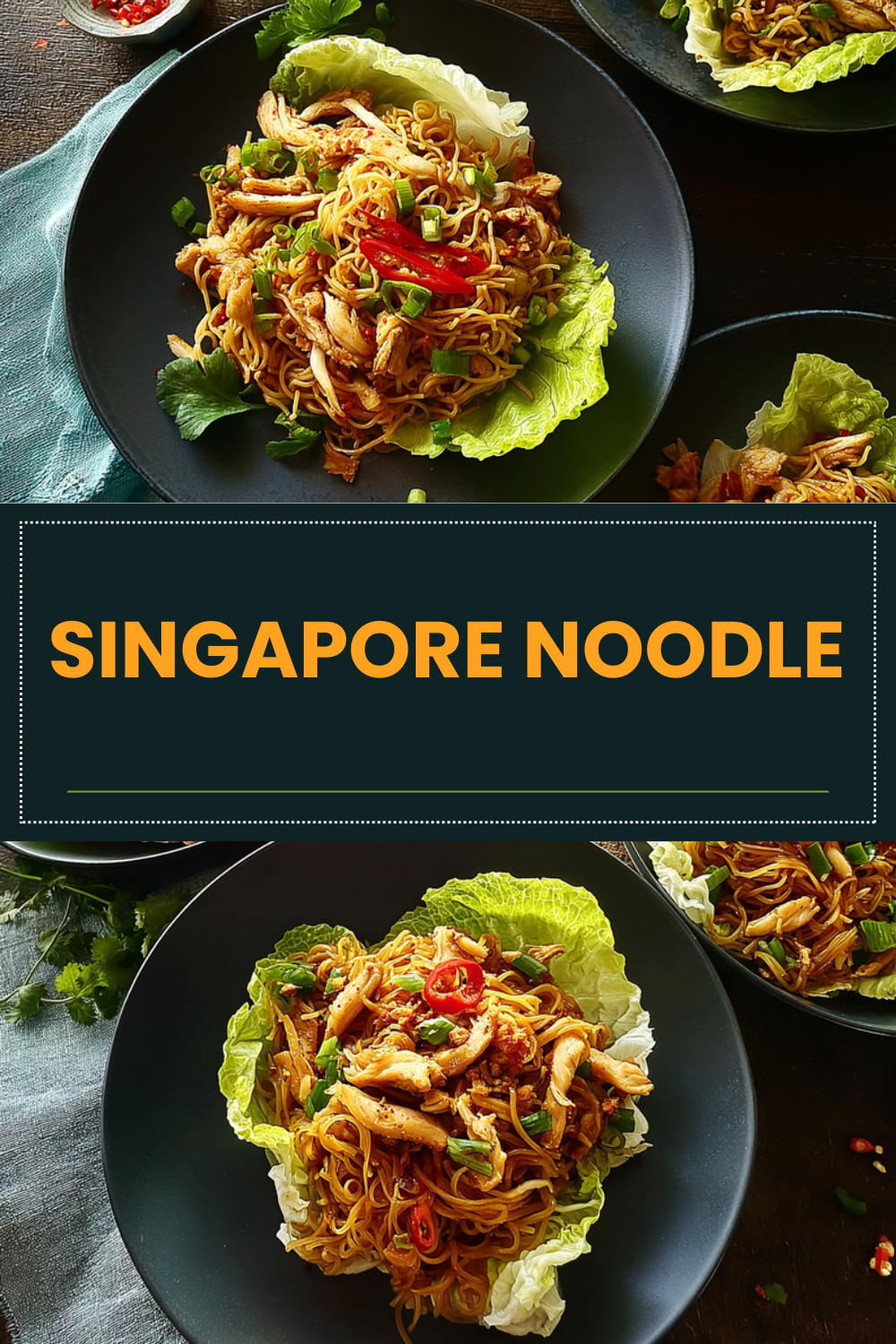
Singapore Noodles are made with thin rice vermicelli noodles stir-fried with curry powder, vegetables like napa cabbage and carrots, eggs, and proteins such as Chinese BBQ pork or shrimp. Despite the name, the dish originated in Hong Kong, created by Cantonese chefs who introduced curry powder to the recipe, influenced by British colonial ingredients.
Can I make Singapore Noodles gluten-free at home?
Yes, you can make Singapore Noodles gluten-free by replacing Shaoxing wine with dry cooking sherry and using gluten-free soy sauce. Be sure to check that your curry powder and other sauces do not contain gluten. Using these substitutions allows you to enjoy the dish without compromising the flavor.
How do I prepare rice vermicelli noodles for Singapore Noodles?
Thin rice vermicelli noodles should be soaked or boiled before stir-frying. For firmer noodles, soak them in hot water for about 30 minutes; for softer noodles, soak in cold water overnight. Alternatively, boil them for around one minute per package instructions. Drain well and cut into shorter lengths to prevent clumping during cooking.
What protein choices work best in Singapore Noodles?
Traditional Singapore Noodles often use julienned Chinese BBQ pork for a savory flavor. Alternatives include thick-sliced Virginia ham or Chinese sausage, though these are less common. Shrimp is also a popular choice, and some variations include chicken or tofu for a different protein option.
What vegetables should I use to make authentic Singapore Noodles?
The classic vegetables are napa cabbage, carrots, onions, and scallions, all cut into thin strips to cook evenly. You can also add bean sprouts, mushrooms, bell peppers, or celery if desired. Using fresh, crisp vegetables adds texture and balance to the mildly spiced noodle dish.
Singapore Noodle
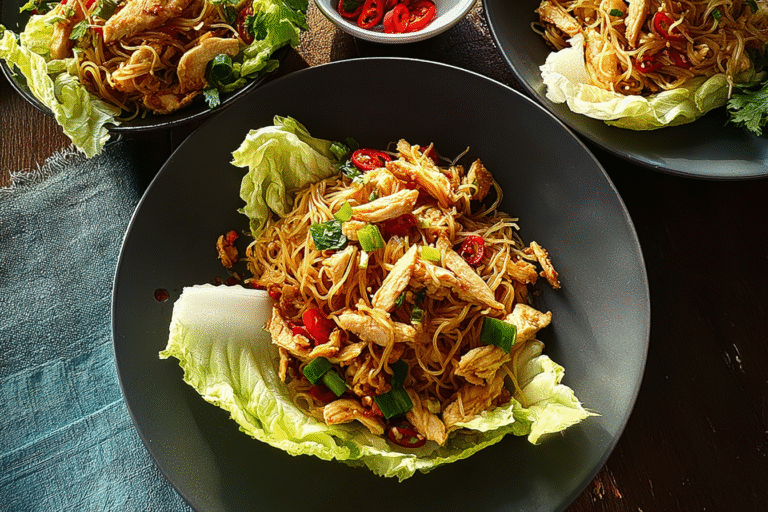
🍜 This Singapore Noodles recipe delivers a vibrant, flavorful stir-fry combining tender shrimp, savory BBQ pork, and fresh vegetables with fragrant curry spices.
🌿 Perfect for a quick and satisfying meal, it features delicate Mei Fun rice vermicelli noodles that soak up all the delicious flavors for a comforting dinner.
- Total Time: 35 minutes
- Yield: 4 servings
Ingredients
– 5 ounces rice vermicelli noodles
– 12 large frozen shrimp peeled deveined and butterflied
– 2 1/2 tablespoons vegetable oil divided
– 2 beaten eggs
– 2 cloves chopped garlic
– 4 ounces Chinese BBQ pork or a substitute like Virginia ham or Chinese sausage
– 3 dried red chili peppers
– 9 ounces shredded napa cabbage (about 3 cups)
– 1 medium julienned carrot (approximately 2.5 ounces or 70 grams)
– 1/2 red onion thinly sliced (about 2.5 ounces or 70 grams)
– 1 bunch julienned scallions
– 1 tablespoon Shaoxing wine (dry cooking sherry as a substitute)
– 2 tablespoons curry powder (or to taste)
– 1 teaspoon salt
– 1/4 teaspoon sugar
– 1/8 teaspoon white pepper
– 1/2 teaspoon sesame oil
– 1 1/2 teaspoons soy sauce (gluten-free soy sauce for a gluten-free version)
– Optionally 2-4 tablespoons chicken stock or water
Instructions
1-Scramble the 2 beaten eggs separately with 1 tablespoon of the vegetable oil in a wok or pan, then set them aside to keep them fluffy and ready to add later.
2-Heat the remaining 1 1/2 tablespoons of vegetable oil in a wok over high heat. Add the 2 cloves of chopped garlic, 12 large frozen shrimp (peeled, deveined, and butterflied), and 4 ounces of Chinese BBQ pork or substitute, stir-frying briefly until the shrimp starts to turn pink.
3-Pour in 1 tablespoon of Shaoxing wine and add 3 dried red chili peppers, letting the aromas release for a moment before moving on.
4-Add 9 ounces of shredded napa cabbage and the julienned carrot, stir-frying for about 30 seconds to soften them slightly.
5-Mix in the prepared rice vermicelli noodles, then season with 2 tablespoons of curry powder, 1 teaspoon salt, 1/4 teaspoon sugar, and 1/8 teaspoon white pepper. Stir-fry using a lifting and stirring motion for 2 minutes, adding 2-4 tablespoons of chicken stock or water if the mixture seems dry.
6-Incorporate 1/2 teaspoon sesame oil, 1 1/2 teaspoons soy sauce, and the cooked eggs, stirring everything together and heating through for 1 minute to blend the flavors.
7-Finally, add the julienned scallions and thinly sliced red onion, stir-frying for 20 seconds before removing from heat. Serve immediately, and consider adding chili sauce for an extra kick.
Last Step:
Please leave a rating and comment letting us know how you liked this recipe! This helps our business to thrive and continue providing free, high-quality recipes for you.Notes
🍲 Soak or cook the vermicelli noodles according to your preferred texture before adding to stir-fry.
🌶️ Adjust the number of dried chili peppers or curry powder to control heat level to your taste.
🍤 Use fresh shrimp or your choice of protein for variations and add chicken stock to keep noodles moist during stir-frying.
- Prep Time: 25 minutes
- Cook Time: 10 minutes
- Category: Main Dish
- Method: Stir-Fry
- Cuisine: Asian
- Diet: Dairy-Free, Gluten-Free option available
Nutrition
- Serving Size: 1 serving (approx.)
- Calories: 350 kcal
- Sugar: 4 g
- Sodium: 700 mg
- Fat: 12 g
- Saturated Fat: 2 g
- Unsaturated Fat: 8 g
- Trans Fat: 0 g
- Carbohydrates: 45 g
- Fiber: 3 g
- Protein: 22 g
- Cholesterol: 155 mg