
Why You’ll Love This Polvoron
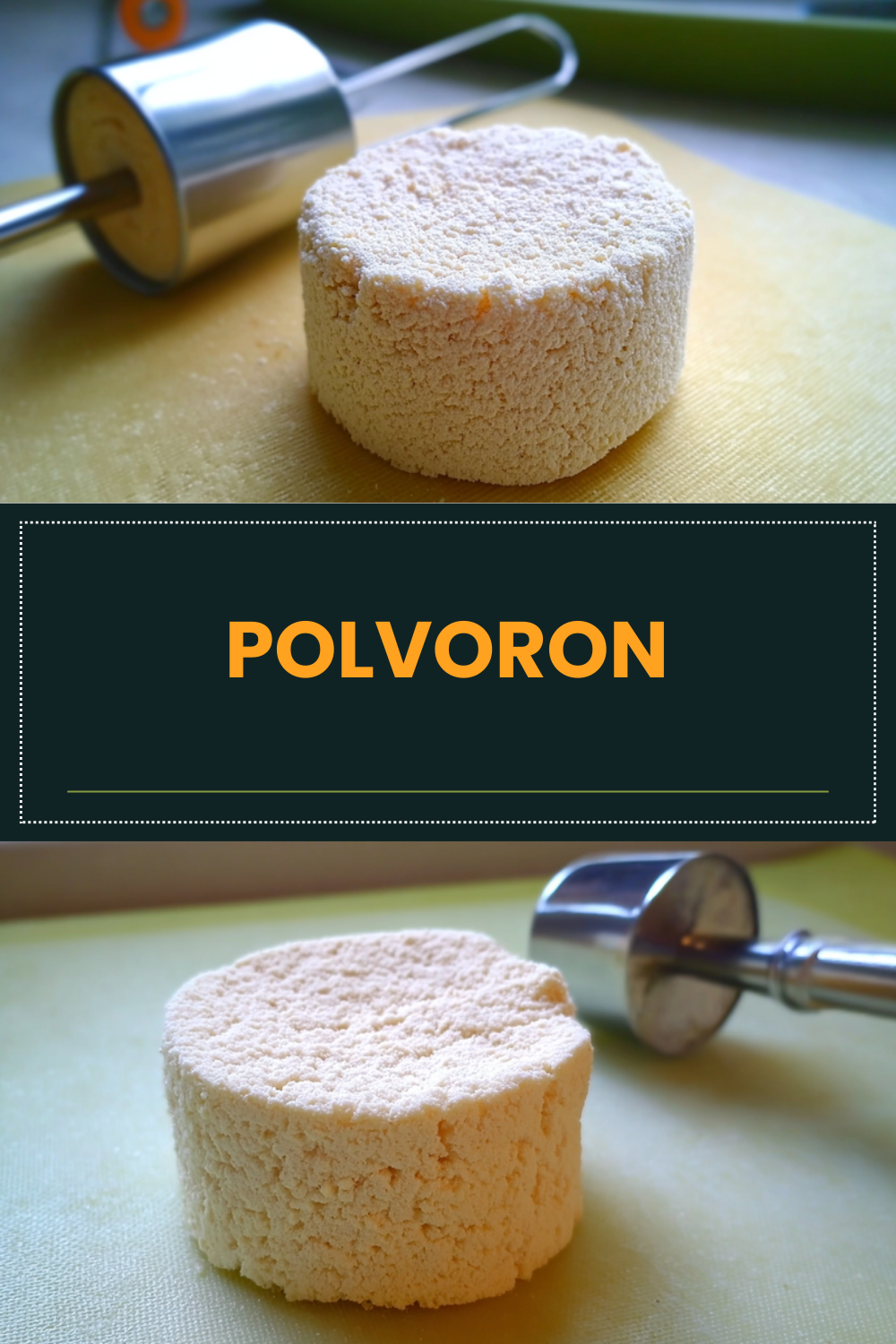
Polvoron is a soft, heavy, and very crumbly type of shortbread that stands out in the world of desserts. This traditional treat, made from key ingredients like toasted flour, powdered sugar, milk powder, and fat, offers a rich and sweet flavor that many enjoy as a quick snack or holiday favorite. Its unique characteristics, including the fact that the Filipino version is not baked but compressed into molds, make it both versatile and easy to prepare.
One of the best aspects of polvoron is its ease of preparation. This polvoron recipe requires minimal ingredients and takes about 20 to 30 minutes to complete, including toasting, mixing, molding, and wrapping, which suits busy parents, students, and working professionals who want a homemade treat without much hassle. Additionally, polvoron provides nutritional benefits as it’s rich in carbohydrates and fats from its main components, offering a calorie-dense option that can fuel energy needs, though variations using different fats may slightly change this profile. Its adaptability to dietary preferences, such as vegan or gluten-free versions, and the option to add elements like almonds often found in Spanish recipes, make it a favorite among food enthusiasts and health-conscious individuals.
Polvoron also shines for its distinctive flavor and texture, created by toasting the flour until it’s golden and fragrant before mixing with other ingredients. This process results in a crumbly yet moldable mixture that can be shaped and enjoyed dry or lightly toasted, appealing to baking enthusiasts and party hosts alike. Whether you’re experimenting with optional additions like peanuts, puffed rice, sesame seeds, crushed cookies, powdered fruits such as ube, or even chocolate coatings, polvoron fits into various meals and occasions for travelers and families. For more ideas on complementary baked goods, check out this almond croissants recipe on our site, which pairs well with polvoron for a delightful treat.
Jump to:
- Why You’ll Love This Polvoron
- Essential Ingredients for Polvoron
- How to Prepare the Perfect Polvoron: Step-by-Step Guide
- Getting Started with the Basics
- Mixing and Combining Ingredients
- Dietary Modifications and Final Steps
- Dietary Substitutions to Customize Your Polvoron
- Mastering Polvoron: Advanced Tips and Variations
- How to Store Polvoron: Best Practices
- FAQs: Frequently Asked Questions About Polvoron
- What is polvorón and what ingredients are used to make it?
- Where did polvorón originate and how did it become popular worldwide?
- How is the Filipino polvorón different from the original Spanish version?
- What distinguishes polvorón from mantecado?
- Are there variations of polvorón in different countries and how do they differ?
- Polvoron
- Ingredients
- Instructions
- Last Step:
- Notes
- Nutrition
- Did you make this recipe?
Essential Ingredients for Polvoron
Creating the perfect polvoron starts with gathering the right ingredients, which form the base of this crumbly shortbread. The typical quantities per batch include a balance of toasted flour, powdered sugar, milk powder, and melted fat to achieve the desired texture and flavor.
- 2 cups (about 240 grams) toasted flour serves as the base and provides the characteristic crumbly texture.
- 1 cup (about 120 grams) powdered sugar sweetens the mixture evenly and contributes to its soft, powdery feel.
- 1/2 cup (approximately 50 grams) milk powder adds creaminess and nutritional value to the treat.
- 3/4 cup (around 170 grams) melted fat, such as pork lard, butter, or margarine enriches the flavor and helps bind the ingredients together.
- Almonds, often included in Spanish versions, can be added to taste for a nutty enhancement, though specific measurements vary based on preference.
For special dietary options, you can customize the recipe to meet different needs. Here are some adjustments to consider:
- Vegan: Replace the melted fat with coconut oil or vegan margarine to maintain the rich texture without animal products.
- Gluten-free: Use gluten-free flour blends in place of traditional toasted flour to accommodate those with dietary restrictions.
- Low-calorie: Swap powdered sugar with natural sweeteners like stevia or erythritol to reduce sugar content while keeping the sweetness.
- Optional additions: Incorporate peanuts, puffed rice, sesame seeds, crushed cookies, or powdered fruits like ube for extra flavor and variety.
This structured list ensures you have everything needed for a comprehensive batch. Learn more about the benefits of key ingredients, such as almonds, which can enhance your polvoron experience.
How to Prepare the Perfect Polvoron: Step-by-Step Guide
Getting Started with the Basics
Preparing polvoron involves a straightforward process that emphasizes toasting the flour to bring out its golden and fragrant qualities. Begin by toasting the flour in a dry pan over medium heat, stirring frequently for about 10 minutes to avoid burning, which is crucial for the best results. Once toasted, transfer the flour to a bowl and let it cool completely before proceeding.
Mixing and Combining Ingredients
After cooling, add the powdered sugar, milk powder, and any optional ingredients like almonds to the toasted flour. Mix these dry components thoroughly to ensure even distribution. For the next step, pour in the melted fat and stir until the mixture forms a crumbly yet moldable texture that holds together when pressed in traditional recipes, this means blending everything until it’s ready for shaping.
Variations in fat, such as using butter instead of pork lard, can slightly alter the nutritional profile, making the treat adaptable to different tastes. The entire process, from toasting to wrapping, typically takes 20 to 30 minutes, not counting cooling time, which makes it ideal for home cooks and seniors looking for quick desserts.
Dietary Modifications and Final Steps
If you’re adapting for dietary needs, substitute the fat with options like coconut oil for a vegan version or use gluten-free flour to keep things accessible. Once mixed, pack the dough firmly into round or oval molds, then wrap each piece individually in paper or cellophane to preserve freshness. Different regions have adapted this recipe, but the core involves compressing the mixture rather than baking, as seen in the Filipino style, which allows for a dry, powder-like result that crumbles easily.
To enhance your baking skills, consider trying related recipes like baked oatmeal cups, which offer a similar hands-on approach. Here is a table summarizing the preparation timeline for clarity:
| Step | Time Required | Key Tip |
|---|---|---|
| Toasting Flour | 10 minutes | Stir continuously to prevent burning |
| Mixing Ingredients | 5-10 minutes | Ensure even blending for texture |
| Molding and Wrapping | 5-10 minutes | Press firmly to retain shape |
This guide covers everything from basic preparation to advanced tips, ensuring your polvoron turns out with its signature rich, sweet flavor every time.

Dietary Substitutions to Customize Your Polvoron
Polvoron lends itself well to customization, allowing users to adapt it for various dietary preferences while maintaining its crumbly texture and sweet taste. For instance, different regions have created variations by swapping ingredients, such as using plant-based fats instead of traditional pork lard.
One key area for substitution involves the main components. Options like chickpea flour or almond flour can replace toasted flour for a gluten-free, high-protein version, which aligns with the needs of diet-conscious individuals. Additionally, swapping powdered milk with plant-based alternatives like soy or oat milk powder supports vegan preferences and adds nutritional variety.
For added flavor and health benefits, consider vegetable-based modifications. You might add finely grated zucchini or carrot to boost fiber and moisture, or incorporate seasonings like cinnamon, nutmeg, or vanilla extract. In savory twists, replacing sugar with salt and herbs can create a unique variation, though the core characteristics of polvoron remain intact.
As noted, ingredients from the original recipe, such as melted fat, can be altered to change the nutritional profile slightly, making it easier for busy parents or working professionals to enjoy. For more on butter substitutions, explore reasons why butter works well in such recipes.
Mastering Polvoron: Advanced Tips and Variations
To elevate your polvoron-making skills, focus on pro cooking techniques that ensure a smooth texture. Sift the flour before toasting and stir constantly for even browning, as this prevents burning and maintains the flour’s fragrant quality. Different regions adapt the recipe with unique variations, keeping the crumbly texture and rich flavor at the core.
Flavor variations offer endless creativity, such as adding crushed toasted nuts, dried fruits, or cocoa powder to the mix. This allows baking enthusiasts to experiment while considering the treat’s calorie-dense nature. Presentation tips include using decorative molds and dusting with powdered sugar for a visually appealing result, perfect for party hosts.
Make-ahead options are practical for everyday use; prepare the mixture in advance and store it in airtight containers. In the Philippines, for example, polvoron is compressed and wrapped for easy storage, which helps maintain freshness for up to a week.
How to Store Polvoron: Best Practices
Proper storage is essential for polvoron due to its crumbly nature, which makes it prone to losing shape if not handled carefully. Keep the bars individually wrapped to preserve freshness, as recommended for best results. This approach works well for meal prep, allowing you to make large batches and portion them out.
Store polvoron in an airtight container in the refrigerator for up to one week, which helps maintain its soft and heavy texture. For longer shelf life, wrap pieces tightly in plastic and freeze for up to three months; thaw in the refrigerator before serving. Avoid reheating to keep the texture intact, making it simple for seniors or travelers to enjoy on the go.
FAQs: Frequently Asked Questions About Polvoron
What is polvorón and what ingredients are used to make it?
Polvorón is a type of crumbly and soft shortbread traditionally made from flour, sugar, milk, and nuts, most commonly almonds. Its texture is notably powdery and breaks apart easily, which is reflected in its name derived from the Spanish word “polvo,” meaning dust. The classic Spanish version uses lard, while variations in other countries might use butter or margarine instead.
Where did polvorón originate and how did it become popular worldwide?
Polvorón originated in Spain, where it is a traditional holiday treat produced by numerous factories. It gained international popularity through Spanish colonization, spreading to Latin America, the Philippines, and other Spanish-influenced regions. Each area adapted the recipe to local tastes and ingredients, which helped polvorón become a beloved seasonal and everyday snack globally.
How is the Filipino polvorón different from the original Spanish version?
The Filipino polvorón differs mainly in preparation and ingredients. Instead of traditional baking and using lard, the Filipino version is made by toasting flour and mixing it with powdered milk, sugar, and butter or margarine, then compressing it into individual shapes. This results in a dry, powder-like texture that is not baked, making it easier to store and enjoy as a snack year-round.
What distinguishes polvorón from mantecado?
While both polvorón and mantecado are Spanish shortbreads, the key difference lies in their fat content and texture. Mantecado typically contains lard, resulting in a denser, richer cookie, and the term refers to a wider category of similar treats. Polvorón is specifically known for its crumbly texture that easily crumbles into a fine dust, which is less typical of all mantecados.
Are there variations of polvorón in different countries and how do they differ?
Yes, polvorón has several regional variations. In Cuba, it has inspired an ice cream flavor, while in the Philippines, it is a non-baked, powdered snack. Vegetarian versions have emerged using plant-based fats instead of pork lard. These adaptations reflect local dietary preferences and ingredient availability, showing the versatility of polvorón beyond its Spanish origins.
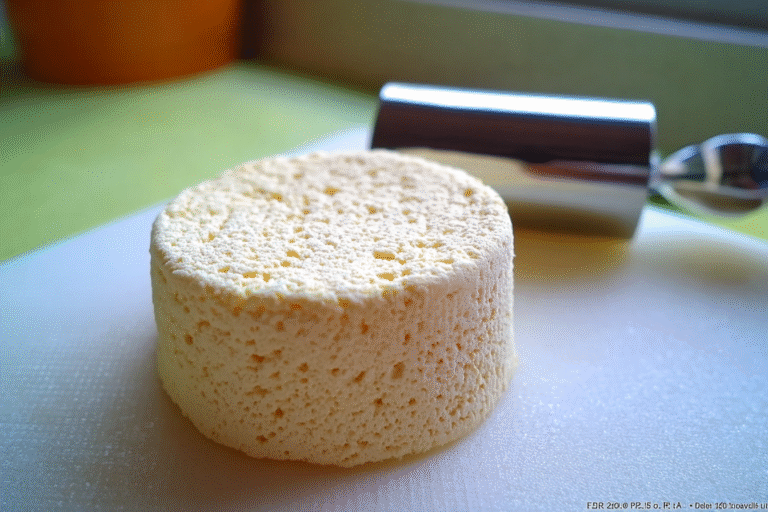
Polvoron
🍪 Polvorón is a delicious Spanish shortbread known for its soft, crumbly texture and rich flavor.
🥄 This treat is quick to make and customizable with various fats and add-ins, perfect for sweet cravings or gifting.
- Total Time: 25 minutes
- Yield: 10-12 polvorón bars
Ingredients
– 2 cups (about 240 grams) toasted flour serves as the base and provides the characteristic crumbly texture
– 1 cup (about 120 grams) powdered sugar sweetens the mixture evenly and contributes to its soft, powdery feel
– 1/2 cup (approximately 50 grams) milk powder adds creaminess and nutritional value to the treat
– 3/4 cup (around 170 grams) melted fat, such as pork lard, butter, or margarine enriches the flavor and helps bind the ingredients together
– Almonds for a nutty enhancement
Instructions
1-Getting Started with the Basics: Preparing polvoron involves a straightforward process that emphasizes toasting the flour to bring out its golden and fragrant qualities. Begin by toasting the flour in a dry pan over medium heat, stirring frequently for about 10 minutes to avoid burning, which is crucial for the best results. Once toasted, transfer the flour to a bowl and let it cool completely before proceeding.
2-Mixing and Combining Ingredients: After cooling, add the powdered sugar, milk powder, and any optional ingredients like almonds to the toasted flour. Mix these dry components thoroughly to ensure even distribution. For the next step, pour in the melted fat and stir until the mixture forms a crumbly yet moldable texture that holds together when pressed in traditional recipes, this means blending everything until it’s ready for shaping.
3-Dietary Modifications and Final Steps: If you’re adapting for dietary needs, substitute the fat with options like coconut oil for a vegan version or use gluten-free flour to keep things accessible. Once mixed, pack the dough firmly into round or oval molds, then wrap each piece individually in paper or cellophane to preserve freshness. Different regions have adapted this recipe, but the core involves compressing the mixture rather than baking, as seen in the Filipino style, which allows for a dry, powder-like result that crumbles easily.
Last Step:
Please leave a rating and comment letting us know how you liked this recipe! This helps our business to thrive and continue providing free, high-quality recipes for you.Notes
🔥 Toast the flour carefully and stir continuously to avoid burning and achieve the perfect golden color.
💪 Compress mixture firmly in molds to maintain shape and prevent crumbling.
✨ Wrap each polvorón tightly to keep them fresh and intact.
🍫 Experiment with different fats and add-ins like chocolate or sesame seeds to create flavorful variations.
- Prep Time: 10 minutes
- Cook Time: 15 minutes
- Category: Dessert, Snack
- Method: Toasting, Mixing, Molding
- Cuisine: Spanish, Filipino
Nutrition
- Serving Size: 1 polvorón bar