

Why You’ll Love This Artisan Bread
This artisan bread recipe stands out as a simple way to bring fresh, homemade goodness to your table. With its crispy crust and soft interior, it’s perfect for busy parents and baking enthusiasts who want something tasty without spending hours in the kitchen. Let’s look at what makes this recipe a favorite for everyone from students to working professionals.
This bread comes together with just a few basic items you might already have on hand, making it ideal for any skill level. It offers health perks like fiber and key nutrients from whole ingredients, helping diet-conscious folks enjoy a treat that feels good too. Plus, you can tweak it to fit different needs, such as vegan or gluten-free options, while still enjoying that rich, homemade flavor.
Here are some key reasons people love this artisan bread:
- It takes little active time, fitting neatly into a packed schedule with just 10-15 minutes of hands-on prep.
- The loaf brings nutritional benefits from simple ingredients like flour and yeast, supporting overall well-being without extra additives.
- You can adapt it for various diets, making it versatile for family meals or parties.
- Thanks to slow fermentation, it develops a deep, satisfying taste that beats store-bought versions every time.
Bread flour gives this recipe a chewy texture, and instant yeast helps it rise quickly, which is great for beginners. For more ideas on adding flair, check out similar recipes on our site by visiting our easy baking tips page.
Jump to:
- Why You’ll Love This Artisan Bread
- Essential Ingredients for Artisan Bread
- Main Ingredients List
- Special Dietary Options
- How to Prepare the Perfect Artisan Bread: Step-by-Step Guide
- Gathering and Mixing the Dough
- Rising and Fermentation
- Shaping and Baking
- Dietary Substitutions to Customize Your Artisan Bread
- Mastering Artisan Bread: Advanced Tips and Variations
- Pro Techniques for Better Results
- Flavor and Presentation Ideas
- How to Store Artisan Bread: Best Practices
- FAQs: Frequently Asked Questions About Artisan Bread
- What is artisan bread and how is it different from regular bread?
- Can I use all-purpose flour instead of bread flour for making artisan bread?
- How long should artisan bread dough rise for the best flavor and texture?
- What’s the best way to store artisan bread to keep it fresh?
- Why does my artisan bread sometimes come out flat or dense, and how can I fix it?
- Artisan Bread
- Ingredients
- Instructions
- Last Step:
- Notes
- Nutrition
- Did you make this recipe?
Essential Ingredients for Artisan Bread
Gathering the right ingredients is the first step to creating artisan bread that impresses with its texture and taste. This recipe focuses on basic, high-quality items that work well for home cooks of all levels, like busy parents or food enthusiasts. Be sure to measure everything precisely to get that perfect crispy crust and soft inside.
Main Ingredients List
Below is a complete list of ingredients needed for this artisan bread recipe. Follow this structured format to ensure you have exactly what you need for success. Each item is listed with its precise measurement for clear, easy-use guidance.
- 3 and 1/4 cups (about 430g) bread flour, plus extra for hands and pan
- 2 teaspoons (about 6g) instant yeast
- 2 teaspoons (about 9g) coarse salt (coarse sea salt is recommended for the best flavor)
- 1 and 1/2 cups (360ml) water at room temperature (around 70°F or 21°C)
- Optional: cornmeal for dusting the pan
- Optional flavor additions: minced garlic, chopped rosemary, fresh herbs, shredded cheese, diced jalapeño, dried cranberries, chopped nuts, garlic powder
These ingredients come together to create a dough that’s sticky and full of potential. Bread flour is key for that chewy feel, while room-temperature water helps slow down fermentation for deeper flavors.
Special Dietary Options
| Dietary Need | Substitution |
|---|---|
| Vegan | Use water as the base and skip any dairy-based additions like cheese. |
| Gluten-free | Swap bread flour with a gluten-free blend, but add something like xanthan gum to help with structure. |
| Low-calorie | Try whole wheat flour for more fiber, which can make the bread feel lighter and healthier. |
Instant yeast works best here for a quick rise, but you can switch to active dry yeast if needed. For more on how yeast affects your bake, read about it on yeast in baking, which explains its role in texture and flavor.
How to Prepare the Perfect Artisan Bread: Step-by-Step Guide
Making artisan bread at home is simpler than it seems, and this guide walks you through each part with ease. Whether you’re a student whipping up a snack or a party host impressing friends, these steps help create that dreamy crispy crust and soft center. Start by pulling together your ingredients for a smooth process.
Gathering and Mixing the Dough
First, in a large ungreased bowl, whisk the bread flour, instant yeast, and coarse salt together until well combined. Pour in the room-temperature water and stir with a spatula or wooden spoon until the flour is fully moistened the dough will be sticky and shaggy at this point. If it gets too tough, use your hands to shape it into a ball, but avoid adding extra flour to keep those air pockets for a light, airy crumb.
Rising and Fermentation
Next, cover the bowl tightly with plastic wrap or foil and let the dough rise at room temperature for 2 to 3 hours, until it’s doubled in size and looks bubbly. For even better taste and texture, pop the covered dough in the fridge for at least 12 hours and up to 3 days this slow step builds complex flavors without much effort. Keep in mind, the dough might puff up and then settle a bit after a couple of days, and that’s perfectly fine.
Shaping and Baking
Then, dust a large nonstick baking sheet with flour and/or cornmeal to prevent sticking. Turn the cold dough onto a floured surface, cut it in half, and shape each piece into a long loaf about 9×3 inches. Place the loaves on the sheet, spaced about 3 inches apart, cover them loosely, and let them rest for 45 minutes while you preheat the oven to 475°F (246°C). Just before baking, score each loaf with three shallow slashes about half an inch deep, and reshape gently if they”ve flattened.
For a crisper crust, put a shallow metal pan on the bottom oven rack, pour in 3-4 cups of boiling water once the oven is hot, and quickly place the bread on the center rack to trap the steam. Bake for 20-25 minutes until the loaves are golden brown a hollow sound when tapped and an internal temperature of about 195°F (90°C) means it’s done. Let the bread cool on a rack for at least 20 minutes before slicing to keep that perfect texture.
Preparation times include active prep of 10-15 minutes, the first rise of 2-3 hours, optional cold fermentation for 12-72 hours, a final rest of 45 minutes, and baking time of 20-25 minutes, making the total at least 4 hours and 25 minutes. For handy tips on adapting recipes, you can check our beginner baking guide on the site.

Dietary Substitutions to Customize Your Artisan Bread
Tailoring this artisan bread to your needs is simple and fun, letting you adjust for different tastes or restrictions. Whether you’re a traveler watching what you eat or a senior aiming for lighter options, these swaps keep the bread delicious. Start with the base recipe and add your twists for the best results.
- Replace traditional wheat flour with gluten-free blends like rice or almond flour for those with sensitivities.
- Swap yeast with a sourdough starter if you want a more natural lift.
- Add flavors like roasted garlic or herbs such as rosemary to make it your own.
- Use olive oil in place of butter to keep it vegan-friendly and add a nice touch.
- Sprinkle in seeds like chia or flax for extra crunch and nutrition that fits low-calorie goals.
These changes let you play with the recipe while keeping that crispy crust intact. Adding dried fruit or nuts can also enhance the flavor, making it ideal for family gatherings.
Mastering Artisan Bread: Advanced Tips and Variations
Once you’re comfortable with the basics, try some advanced tricks to elevate your artisan bread game. These ideas are great for baking enthusiasts who want to experiment while keeping things straightforward. From better techniques to fun flavors, you’ll see how small changes can make a big difference.
Pro Techniques for Better Results
One handy method is using a Dutch oven to trap heat and steam, which helps build a perfect crust. Another is the autolyse technique mix flour and water first, let it rest, then add yeast and salt for easier dough handling. Avoid over-kneading since this recipe doesn’t need it; just shape gently for those big air pockets.
Flavor and Presentation Ideas
Try mixing in olives or sun-dried tomatoes for a savory kick, or add spices like fennel seeds for something new. For a rustic look, dust the dough with flour before baking and score fun patterns on top. You can even prepare the dough ahead and freeze it after the first rise, so it’s ready when you are.
As one baker shared, “The key to great artisan bread is patience with the rise it really brings out the taste.” This approach works for both quick bakes and planned meals. For health insights on grains, visit benefits of whole grains.
How to Store Artisan Bread: Best Practices
Keeping your artisan bread fresh is key to enjoying it longer, whether you’re a working professional grabbing a quick slice or a family storing leftovers. These tips help maintain that crispy outside and soft inside without much fuss. Start with the right method right after baking.
- Store at room temperature in a paper bag or bread box for up to 2 days to keep the crust crisp.
- Wrap tightly in plastic wrap and foil then freeze for up to 3 months; thaw at room temperature and reheat.
- Warm in an oven at 180°C (350°F) for 10 minutes to refresh the texture.
- Slice before freezing for easy use, so you can toast portions as needed for meal prep.
This way, your bread stays tasty and ready for any occasion, from snacks to full meals.
FAQs: Frequently Asked Questions About Artisan Bread
What is artisan bread and how is it different from regular bread?
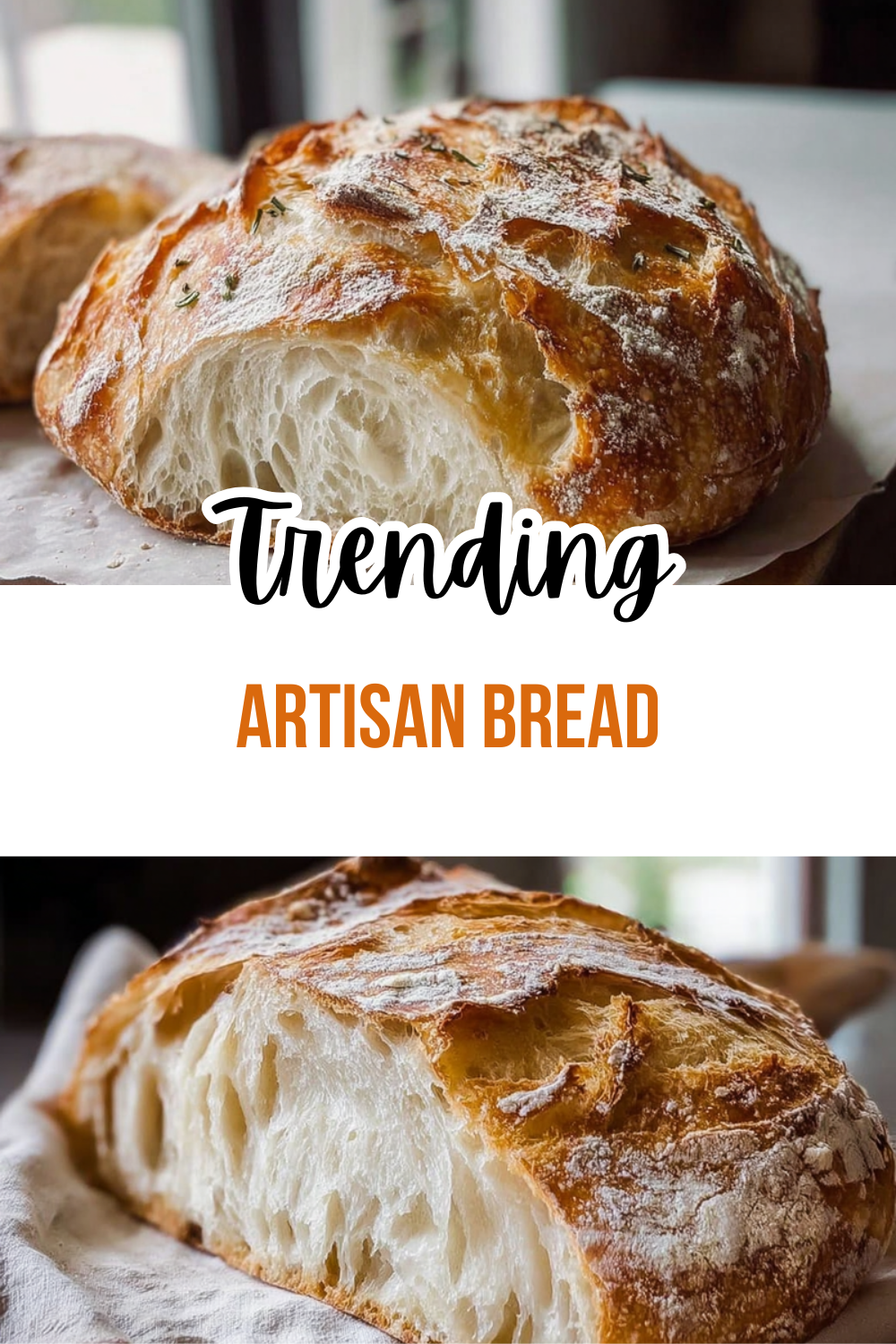
Artisan bread is handmade bread that typically has a crusty exterior and a chewy, open crumb inside. Unlike mass-produced bread, artisan bread is made with simple ingredients like flour, water, salt, and yeast, and often uses slow fermentation to develop complex flavors. It is usually free from preservatives and relies on traditional baking methods, resulting in a rustic appearance and unique taste compared to standard commercial bread.
Can I use all-purpose flour instead of bread flour for making artisan bread?
Yes, you can substitute all-purpose flour for bread flour in artisan bread recipes. However, bread flour contains more protein, which helps develop gluten for a stronger, chewier texture and better rise. Using all-purpose flour may result in a softer crumb and less chewiness but will still produce good bread. Adjust hydration slightly if needed, as all-purpose flour absorbs water differently.
How long should artisan bread dough rise for the best flavor and texture?
For optimal flavor and texture, artisan bread dough should first rise at room temperature for 2 to 3 hours. After this initial rise, many bakers refrigerate the dough for 12 hours up to 3 days to slow fermentation, which enhances the bread’s taste and structure. This cold fermentation allows natural acids to develop, creating a more complex flavor and a better crust.
What’s the best way to store artisan bread to keep it fresh?
To keep artisan bread fresh, store it loosely covered at room temperature in a paper or cloth bag for up to 5 days. Avoid plastic bags as they trap moisture and soften the crust. If you need longer storage, you can refrigerate the bread for up to one week, but this may dry it out. For extended storage, slice and freeze the bread, then toast or heat slices when ready to eat.
Why does my artisan bread sometimes come out flat or dense, and how can I fix it?
Flat or dense artisan bread often results from over-handling the dough, insufficient gluten development, or incorrect yeast activity. Using too much flour can inhibit rise, while too little can make dough too sticky and hard to shape. Also, water that’s too hot can kill yeast. To improve results, measure ingredients carefully with a scale, handle dough gently, use instant yeast for reliable rise, and maintain ideal water temperature around 70°F (21°C).
Artisan Bread
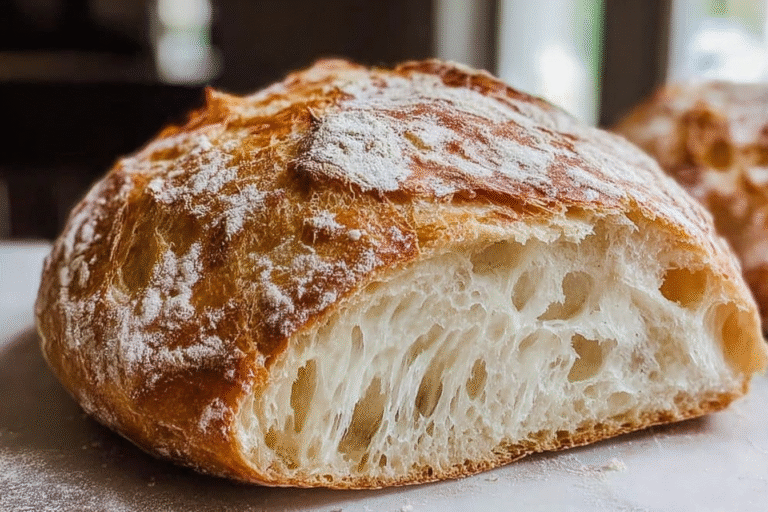
🍞 Homemade Artisan Bread provides a crispy crust with a soft, airy interior, perfect for sandwiches or enjoying fresh with butter.
👩🍳 This simple, no-knead recipe offers a hands-off approach with rich flavor developed through slow fermentation.
- Total Time: 4 hours 25 minutes (minimum)
- Yield: 2 loaves 1x
Ingredients
3 and 1/4 cups (about 430g) bread flour, plus extra for hands and pan
2 teaspoons (about 6g) instant yeast
2 teaspoons (about 9g) coarse salt (coarse sea salt is recommended for the best flavor)
1 and 1/2 cups (360ml) water at room temperature (around 70°F or 21°C)
cornmeal for dusting the pan
minced garlic for flavoring
chopped rosemary for flavoring
fresh herbs for flavoring
shredded cheese for flavoring
diced jalapeño for flavoring
dried cranberries for flavoring
chopped nuts for flavoring
garlic powder for flavoring
Instructions
1-Gathering and Mixing the Dough: First, in a large ungreased bowl, whisk the bread flour, instant yeast, and coarse salt together until well combined. Pour in the room-temperature water and stir with a spatula or wooden spoon until the flour is fully moistened the dough will be sticky and shaggy at this point. If it gets too tough, use your hands to shape it into a ball, but avoid adding extra flour to keep those air pockets for a light, airy crumb.
2-Rising and Fermentation: Next, cover the bowl tightly with plastic wrap or foil and let the dough rise at room temperature for 2 to 3 hours, until it’s doubled in size and looks bubbly. For even better taste and texture, pop the covered dough in the fridge for at least 12 hours and up to 3 days this slow step builds complex flavors without much effort. Keep in mind, the dough might puff up and then settle a bit after a couple of days, and that’s perfectly fine.
3-Shaping and Baking: Then, dust a large nonstick baking sheet with flour and/or cornmeal to prevent sticking. Turn the cold dough onto a floured surface, cut it in half, and shape each piece into a long loaf about 9×3 inches. Place the loaves on the sheet, spaced about 3 inches apart, cover them loosely, and let them rest for 45 minutes while you preheat the oven to 475°F (246°C). Just before baking, score each loaf with three shallow slashes about half an inch deep, and reshape gently if they”ve flattened.
For a crisper crust, put a shallow metal pan on the bottom oven rack, pour in 3-4 cups of boiling water once the oven is hot, and quickly place the bread on the center rack to trap the steam. Bake for 20-25 minutes until the loaves are golden brown a hollow sound when tapped and an internal temperature of about 195°F (90°C) means it’s done. Let the bread cool on a rack for at least 20 minutes before slicing to keep that perfect texture.
Last Step:
Please leave a rating and comment letting us know how you liked this recipe! This helps our business to thrive and continue providing free, high-quality recipes for you.Notes
🎯 Use bread flour for chewier texture; all-purpose can substitute if needed.
⏳ Cold ferment dough up to 3 days for deeper flavor.
💧 Steam during baking produces a crispier crust and better loaf expansion.
- Prep Time: 10-15 minutes
- First rise (room temp): 2-3 hours
- Cook Time: 20-25 minutes
- Category: Bread
- Method: No-knead baking, Steam baking
- Cuisine: American
- Diet: Vegetarian
Nutrition
- Serving Size: 1 slice
- Calories: 150 kcal
- Sugar: 0.1 g
- Sodium: 350 mg
- Fat: 1 g
- Saturated Fat: 0.1 g
- Unsaturated Fat: 0.5 g
- Trans Fat: 0 g
- Carbohydrates: 30 g
- Fiber: 2 g
- Protein: 5 g
- Cholesterol: 0 mg