
Why You’ll Love This Lemon Curd
If you have been craving a bright, silky spread that tastes like sunshine in a jar, this Lemon Curd recipe is for you! It is smooth, tangy, and easy enough for busy days, yet special enough for brunch tables, gift jars, and holiday baking. Plus, it uses fresh lemons and real ingredients for the best flavor.
- Easy to prepare: This recipe comes together in one saucepan in about 15 minutes of cooking time. Stir, watch, and chill. That is all it takes!
- Bright flavor with real ingredients: Fresh lemon juice, lemon zest, egg yolks, sugar, butter, and salt create a rich, lively taste that bottled mixes just cannot match.
- Versatile for many diets: You can adjust the egg ratio for a thicker curd, swap citrus fruits, or use it in many desserts and breakfast dishes.
- Sweet-tart balance: The flavor is bold but not too sharp, which makes it a perfect match for scones, cakes, toast, and more.
Want a quick breakfast idea to serve with your lemon curd? Try it with a batch of lemon blueberry muffins for a sunny, bakery-style treat.
For extra background on the fruit itself, you can also read about the health benefits of lemons. Their natural acidity and fresh flavor are part of what makes this spread so lively.
Jump to:
- Why You’ll Love This Lemon Curd
- Essential Ingredients for Lemon Curd
- Special Dietary Options
- How to Prepare the Perfect Lemon Curd: Step-by-Step Guide
- First Step: Gather and prep your ingredients
- Second Step: Whisk the base
- Third Step: Cook gently over low heat
- Fourth Step: Add the butter
- Final Step: Cool and chill
- Dietary Substitutions to Customize Your Lemon Curd
- Protein and Main Component Alternatives
- Vegetable, Sauce, and Seasoning Modifications
- Mastering Lemon Curd: Advanced Tips and Variations
- Pro cooking techniques
- Flavor variations
- Presentation tips
- Make-ahead options
- How to Store Lemon Curd: Best Practices
- FAQs: Frequently Asked Questions About Lemon Curd
- How long does homemade lemon curd last?
- Can you freeze lemon curd?
- Why is my lemon curd not thickening?
- Can I make lemon curd with other citrus fruits?
- What are the best ways to use lemon curd?
- Lemon Curd
- Ingredients
- Instructions
- Last Step:
- Notes
- Nutrition
- Did you make this recipe?
Essential Ingredients for Lemon Curd
Here is the full ingredient list, formatted clearly so you can gather everything before you start. Using fresh lemons makes a big difference in taste and texture.
- 4 large egg yolks or, for a thicker curd, 2 egg yolks and 1 whole egg – Gives the curd its rich, custard-like body.
- 2/3 cup granulated sugar – Balances the tart lemon juice and helps the mixture thicken.
- 1 tablespoon lemon zest from about 1 lemon – Adds bright citrus oils and stronger lemon flavor.
- 1/3 cup fresh lemon juice from about 2 to 3 lemons – Provides the tangy flavor that makes lemon curd shine.
- 1/8 teaspoon salt – Sharpens the sweet and citrus notes.
- 6 tablespoons unsalted butter, softened and cut into 6 pieces – Makes the curd glossy, smooth, and rich.
Special Dietary Options
- Vegan: Replace the egg yolks with a thickening blend such as cornstarch and plant-based butter, then cook gently until smooth.
- Gluten-free: This recipe is naturally gluten-free as written, so no swaps are needed.
- Low-calorie: Reduce the sugar slightly or use a lower-calorie sweetener that works well for cooking, then taste and adjust.
| Ingredient | Amount | Why It Matters |
|---|---|---|
| Egg yolks | 4 large | Create a creamy base |
| Granulated sugar | 2/3 cup | Sweetens and thickens |
| Lemon zest | 1 tablespoon | Adds strong citrus aroma |
| Fresh lemon juice | 1/3 cup | Brings the tangy flavor |
| Salt | 1/8 teaspoon | Balances the taste |
| Unsalted butter | 6 tablespoons | Rounds out the texture |
How to Prepare the Perfect Lemon Curd: Step-by-Step Guide
Making Lemon Curd at home is easier than many people think. The key is low heat, steady stirring, and a little patience. If you rush it, the eggs can scramble. If you cook it gently, you will get a glossy, spoonable curd that tastes amazing on nearly everything.
First Step: Gather and prep your ingredients
Set out all your ingredients before you turn on the stove. This is your mise en place moment, and it helps the process go smoothly. Juice the lemons, zest one lemon, separate the egg yolks if needed, and cut the butter into 6 pieces. Having everything ready keeps you from scrambling once the heat is on.
Second Step: Whisk the base
In a medium heatproof bowl or a small heavy saucepan, whisk together the egg yolks, granulated sugar, lemon zest, lemon juice, and salt until the mixture looks smooth and well combined. The sugar should start to dissolve into the liquid. If you are using the thicker version with 2 egg yolks and 1 whole egg, whisk that mixture the same way.
At this stage, the lemon scent should already be bright and fresh. That is one of the best parts of making homemade lemon curd!
Third Step: Cook gently over low heat
Place the mixture over low heat, or use a double boiler for extra safety if you are nervous about curdling. Stir constantly with a whisk or silicone spatula. Keep the heat low to medium-low, around 170°F to 175°F if you are using a thermometer. The mixture should slowly thicken over 8 to 12 minutes.
Watch for signs that it is ready: it should coat the back of a spoon and leave a clear line when you run your finger through it. Do not let it boil. High heat can make the eggs scramble, and that is not the silky texture we want.
If your kitchen is busy, set a timer for 8 minutes and start checking from there. Stirring often is the secret to smooth lemon curd!
Fourth Step: Add the butter
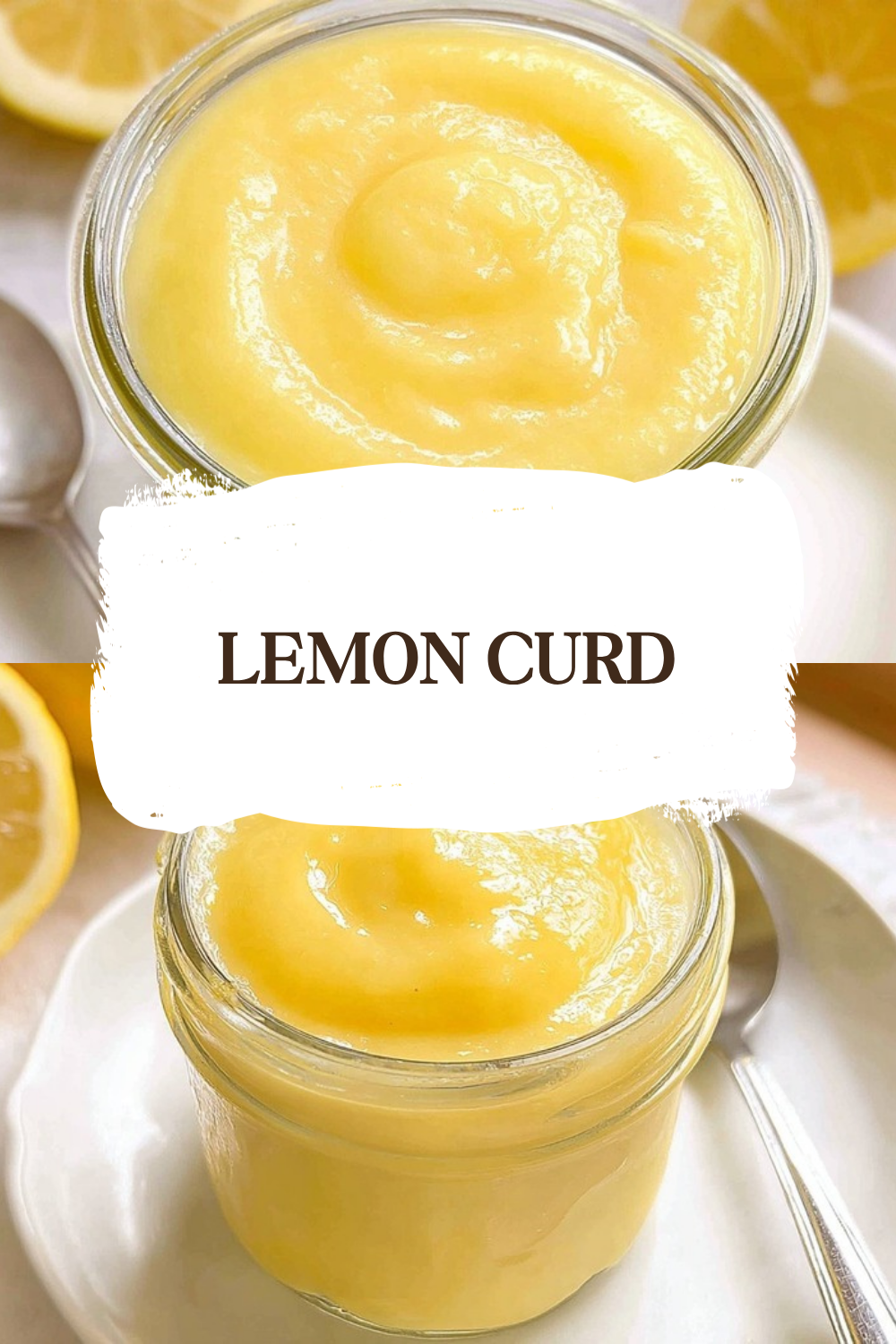
Once the curd has thickened, remove it from the heat. Add the softened butter pieces one at a time, whisking after each addition until fully melted and blended. This step gives the curd its glossy finish and rich flavor. The texture should look smooth, creamy, and slightly thicker than pudding.
If you want an extra silky result, strain the curd through a fine-mesh sieve into a clean bowl. This catches any tiny bits of cooked egg or zest and gives you that bakery-style texture.
Final Step: Cool and chill
Let the lemon curd cool at room temperature for about 20 minutes. Then cover it with plastic wrap, pressing the wrap directly onto the surface to keep a skin from forming. Chill it in the refrigerator for at least 2 hours before serving. It will thicken more as it cools.
Serve it on toast, pancakes, scones, yogurt, cheesecake, or cupcakes. It also pairs beautifully with a slice of homemade quick bread like chocolate chip banana bread for a sweet, tangy surprise.

Dietary Substitutions to Customize Your Lemon Curd
Protein and Main Component Alternatives
If you need to adjust the egg portion or make the recipe fit a different eating style, there are a few simple ways to do it.
- For a thicker curd: Use 2 egg yolks and 1 whole egg instead of 4 yolks. This gives a firmer set.
- For egg-free version: Use a plant-based thickener like cornstarch with dairy-free butter. The texture will be a little different, but still tasty.
- For richer flavor: Stick with the full 4 egg yolks and butter for the classic silky finish.
Vegetable, Sauce, and Seasoning Modifications
Even though lemon curd is not a vegetable-based recipe, you can still make it fit different tastes and seasonal ideas by changing the citrus or flavorings.
- Orange curd: Swap the lemon juice and zest for orange juice and orange zest for a softer, sweeter flavor.
- Lime curd: Use lime juice and lime zest for a sharper, more tropical taste.
- Grapefruit curd: Use grapefruit juice for a slightly bitter, grown-up version.
- Vanilla twist: Add a small splash of vanilla after cooking for a warmer flavor.
If you like breakfast recipes with cozy flavors, you may also enjoy almond coconut chai spice oatmeal for a comforting morning bowl.
Mastering Lemon Curd: Advanced Tips and Variations
Pro cooking techniques
A few small habits can make a big difference in the final texture. First, always use fresh lemons, since bottled juice can taste flat or bitter. Second, cook over low heat and stir without stopping. Third, use a thermometer if you want extra confidence. The ideal temperature is around 170°F to 175°F, which is hot enough to thicken the curd but not so hot that the eggs cook too fast.
If you want a super smooth finish, strain the curd after cooking. Many bakers do this because it removes tiny bits of zest and keeps the spread silky. For even more richness, some cooks whisk in the butter off the heat, which helps the mixture stay glossy.
Flavor variations
You can keep this recipe classic or add a little twist depending on the season. Try a touch of vanilla, a bit of ginger, or even a pinch of finely grated ginger for a warmer note. For spring gatherings, a little lemon basil flavor can feel fresh and bright. For winter baking, orange or blood orange can bring a deeper citrus taste.
- Add a little extra zest for stronger lemon flavor.
- Mix in a spoonful of passion fruit pulp for a tropical style.
- Serve with berries for a fruity topping.
Presentation tips
Presentation matters, especially if you are serving guests. Spoon the curd into clean jars for a pretty homemade gift. Add a small lemon slice, twist of zest, or fresh berry on top before serving. For dessert platters, place the curd in a small bowl surrounded by shortbread, fruit, and crackers.
Need a bakery-style pairing? Try this curd with almond croissants for a brunch spread that feels extra special.
Make-ahead options
Lemon curd is a lovely make-ahead recipe because it holds well in the fridge and freezer. Make it one or two days before your event so the flavors have time to settle. If you like batch prep, make a double batch and freeze small portions for quick desserts later. That way, you will always have a bright filling ready for tarts, cakes, and cookies.
How to Store Lemon Curd: Best Practices
Good storage keeps your lemon curd smooth, safe, and delicious. Since this recipe contains eggs and butter, proper chilling matters a lot.
- Refrigeration: Store in an airtight container in the refrigerator for 1 to 2 weeks. Keep it at 40°F (4°C) or below.
- Freezing: Freeze in freezer-safe bags or containers for up to 3 months. Leave a little room for expansion and label with the date.
- Reheating: Thaw overnight in the fridge. Stir well before serving and avoid microwaving, which can make it curdle.
- Meal prep: Make a batch ahead for breakfasts, desserts, and holiday baking. Portion it into small jars for easy grab-and-go use.
If you notice mold, a strange smell, or separation that does not blend back together after stirring, it is best to toss it and make a fresh batch.
FAQs: Frequently Asked Questions About Lemon Curd
How long does homemade lemon curd last?
Homemade lemon curd typically lasts 1 to 2 weeks when stored in an airtight container in the refrigerator at 40°F (4°C) or below. The high acidity from lemons acts as a natural preservative, but eggs and butter limit its shelf life. Always check for signs of spoilage like off odors, mold, or separation before using. For longer storage, freeze it in freezer-safe bags or containers for up to 3 months—thaw overnight in the fridge and stir well before serving. Label with dates to track freshness. If canning, process in a water bath for 15 minutes to extend shelf life to a year unopened, but refrigerate after opening. Proper storage keeps it smooth and vibrant for pies, tarts, or toast. (98 words)
Can you freeze lemon curd?
Yes, lemon curd freezes beautifully for up to 3 months, making it perfect for batch cooking. Portion it into freezer bags or small containers, leaving headspace for expansion, and squeeze out air to prevent freezer burn. Thaw in the refrigerator overnight, then whisk to restore creaminess—avoid microwaving to prevent curdling. After thawing, use within a week. Freezing preserves the bright lemon flavor and silky texture for fillings in cakes, macarons, or yogurt parfaits. It’s a great way to have it ready for unexpected baking needs. Test a small batch first if concerned about texture changes from egg content. (92 words)
Why is my lemon curd not thickening?
Lemon curd fails to thicken if cooked at too high heat, causing eggs to scramble, or not long enough. Use low-medium heat (around 170°F/75°C) and stir constantly for 8-12 minutes until it coats the back of a spoon. Undercooking leaves it runny; aim for a pudding-like consistency off-heat as it sets further when cooled. Insufficient cornstarch or too much liquid also thins it—follow ratios precisely (e.g., 1 cup juice to 4 eggs). If it scrambles, strain through a sieve and rewarm gently. Chill for 2 hours to fully set. Patience with gentle cooking yields perfect results every time. (104 words)
Can I make lemon curd with other citrus fruits?
Yes, swap lemons for limes, oranges, grapefruits, or blood oranges using the same recipe—adjust sugar slightly for tartness (e.g., more for limes). Zest and juice 4-6 fruits for 1 cup liquid. Pineapple juice works for a tropical twist (reduce sugar), or simmer cranberries with water for a red version. Cooking method stays identical: gentle heat until thickened. Taste-test during cooking to balance flavors. These variations shine in tarts, cheesecakes, or as cookie fillings. Store similarly to classic lemon curd. Experimenting keeps it fresh for seasonal fruits or dietary preferences. (96 words)
What are the best ways to use lemon curd?
Lemon curd is versatile beyond toast—fill tarts, Pavlovas, or cupcakes for a zesty burst. Layer in trifles with whipped cream and berries, swirl into cheesecakes, or sandwich between shortbread cookies. Thin with cream for a pie topping, or mix into yogurt/ice cream for no-churn treats. Brush on scones, drizzle over pancakes, or use as a cake layer filling with buttercream. For savory twists, pair with smoked salmon on bagels. One batch (about 2 cups) covers multiple uses; it pairs well with ginger, basil, or coconut. Keeps baking exciting year-round. (98 words)

Lemon Curd
🍋 Silky smooth, intensely tangy lemon curd – versatile spread for scones, tarts, or straight from the jar!
🍮 Homemade luxury with fresh citrus brightness, healthier and cheaper than store-bought every time!
- Total Time: 2 hours 20 minutes
- Yield: 1 ½ cups (12 servings)
Ingredients
– 4 large egg yolks for creating a creamy base
– 2/3 cup granulated sugar for sweetening and thickening
– 1 tablespoon lemon zest for adding strong citrus aroma
– 1/3 cup fresh lemon juice for bringing the tangy flavor
– 1/8 teaspoon salt for balancing the taste
– 6 tablespoons unsalted butter for rounding out the texture
Instructions
1-First Step: Gather and prep your ingredients Set out all your ingredients before you turn on the stove. This is your mise en place moment, and it helps the process go smoothly. Juice the lemons, zest one lemon, separate the egg yolks if needed, and cut the butter into 6 pieces. Having everything ready keeps you from scrambling once the heat is on.
2-Second Step: Whisk the base In a medium heatproof bowl or a small heavy saucepan, whisk together the egg yolks, granulated sugar, lemon zest, lemon juice, and salt until the mixture looks smooth and well combined. The sugar should start to dissolve into the liquid. If you are using the thicker version with 2 egg yolks and 1 whole egg, whisk that mixture the same way. At this stage, the lemon scent should already be bright and fresh. That is one of the best parts of making homemade lemon curd!
3-Third Step: Cook gently over low heat Place the mixture over low heat, or use a double boiler for extra safety if you are nervous about curdling. Stir constantly with a whisk or silicone spatula. Keep the heat low to medium-low, around 170°F to 175°F if you are using a thermometer. The mixture should slowly thicken over 8 to 12 minutes. Watch for signs that it is ready: it should coat the back of a spoon and leave a clear line when you run your finger through it. Do not let it boil. High heat can make the eggs scramble, and that is not the silky texture we want. If your kitchen is busy, set a timer for 8 minutes and start checking from there. Stirring often is the secret to smooth lemon curd!
4-Fourth Step: Add the butter Once the curd has thickened, remove it from the heat. Add the softened butter pieces one at a time, whisking after each addition until fully melted and blended. This step gives the curd its glossy finish and rich flavor. The texture should look smooth, creamy, and slightly thicker than pudding. If you want an extra silky result, strain the curd through a fine-mesh sieve into a clean bowl. This catches any tiny bits of cooked egg or zest and gives you that bakery-style texture.
5-Final Step: Cool and chill Let the lemon curd cool at room temperature for about 20 minutes. Then cover it with plastic wrap, pressing the wrap directly onto the surface to keep a skin from forming. Chill it in the refrigerator for at least 2 hours before serving. It will thicken more as it cools. Serve it on toast, pancakes, scones, yogurt, cheesecake, or cupcakes. It also pairs beautifully with a slice of homemade quick bread like chocolate chip banana bread for a sweet, tangy surprise.
Last Step:
Please leave a rating and comment letting us know how you liked this recipe! This helps our business to thrive and continue providing free, high-quality recipes for you.Notes
🍋 Always use fresh lemons for vibrant flavor and essential oils from the zest.
🔥 Whisk constantly over gentle heat to prevent eggs from curdling or scrambling.
🕳️ Strain the curd through a sieve for the silkiest, smoothest texture possible.
- Prep Time: 10 minutes
- Chilling Time: 2 hours
- Cook Time: 10 minutes
- Category: Sauces & Condiments
- Method: Stovetop
- Cuisine: British
- Diet: Vegetarian, Gluten-Free
Nutrition
- Serving Size: 2 tablespoons
- Calories: 120 kcal
- Sugar: 11g
- Sodium: 40mg
- Fat: 8g
- Saturated Fat: 5g
- Unsaturated Fat: 3g
- Trans Fat: 0g
- Carbohydrates: 12g
- Fiber: 0g
- Protein: 1g
- Cholesterol: 85mg