
Why You’ll Love This Hard Boiled Eggs
Have you ever craved a quick, nutritious snack that fits into your busy day without much fuss? Hard boiled eggs are just that, offering a simple way to boost your meal with protein while keeping things easy in the kitchen. They are perfect for busy parents juggling school lunches or students needing a fast energy kick.
This method stands out because it’s incredibly straightforward, using basic ingredients you likely have on hand. Packed with health benefits, hard boiled eggs support everything from muscle repair to heart health, making them a go-to for diet-conscious folks. Whether you’re adding them to salads or enjoying them on their own, their versatility shines in various diets.
Let me share why this recipe has become my favorite for meal prep it’s not just about the taste, but how it turns ordinary eggs into a satisfying treat every time. You’ll appreciate the firm whites and vibrant yellow yolks that make each bite delightful. Plus, with minimal cooking time, it’s ideal for anyone from home cooks to working professionals looking for efficiency without sacrificing flavor.
Benefits in Detail
The ease of preparation is a big win; this recipe needs only about 10-12 minutes of actual cooking, perfect for quick meals on the go. Health-wise, these eggs deliver high-quality protein and essential nutrients that aid in weight management and overall wellness. Their adaptability makes them a staple for keto snacks, salad boosters, or even meal prep routines.
Imagine starting your day with a protein-rich breakfast that keeps you full longer this is the magic of hard boiled eggs. For food enthusiasts, the subtle taste and texture provide a canvas for creativity. It’s no wonder they appeal to such a wide audience, from travelers packing light snacks to newlyweds experimenting in the kitchen.
To learn more about the nutritional perks, check out this helpful resource on egg health benefits. Now, let’s dive into what makes these eggs so special in everyday life.
Jump to:
- Why You’ll Love This Hard Boiled Eggs
- Benefits in Detail
- Essential Ingredients for Hard Boiled Eggs
- How to Prepare the Perfect Hard Boiled Eggs: Step-by-Step Guide
- Dietary Substitutions to Customize Your Hard Boiled Eggs
- Enhancing Flavors
- Mastering Hard Boiled Eggs: Advanced Tips and Variations
- Flavor and Storage Ideas
- How to Store Hard Boiled Eggs: Best Practices
- FAQs: Frequently Asked Questions About Hard Boiled Eggs
- How long should I boil eggs to make hard boiled eggs?
- What is the best way to peel hard boiled eggs without tearing the white?
- How can I tell if a hard boiled egg is cooked perfectly?
- Are hard boiled eggs healthy and what nutrients do they provide?
- How long can I store hard boiled eggs in the refrigerator?
- Hard Boiled Eggs
- Ingredients
- Instructions
- Last Step:
- Notes
- Nutrition
- Did you make this recipe?
Essential Ingredients for Hard Boiled Eggs
Gathering the right ingredients is the first step to nailing hard boiled eggs, and it’s all about keeping it simple yet effective. You’ll need just a few items to get started, ensuring your recipe turns out perfectly every time. This section breaks down everything required for success.
As per the detailed summary, here’s a comprehensive list of all ingredients with their precise measurements. Remember, using the exact quantities helps achieve the best texture and taste.
- Eggs (quantity as desired, typically 1-12)
- Enough cold water to cover eggs by 1 inch
- Enough ice to create an ice bath
This structured list covers every item needed, making it easy to shop and prepare. For those with dietary needs, options like vegan alternatives can swap in seamlessly, but we’ll cover that later. Fresh ingredients are key, so pick high-quality eggs for the best results.
If you’re new to boiling eggs, starting with this basic list will build your confidence. It’s straightforward and budget-friendly, appealing to students or seniors watching their spending. For more ideas on incorporating eggs into other dishes, you might enjoy our simple egg recipes guide on the blog.
How to Prepare the Perfect Hard Boiled Eggs: Step-by-Step Guide
Getting hard boiled eggs just right can feel like a game-changer, especially if you’ve dealt with cracked shells or uneven yolks before. Follow this foolproof guide to achieve that perfect balance every time. It’s designed for home cooks of all levels, from busy parents to baking enthusiasts.
Start by placing the eggs in a single layer at the bottom of a saucepan, as outlined in the summary. This ensures even cooking and reduces the risk of cracking. Once set, cover the eggs with cold water by about an inch, then slowly bring it to a boil over medium-high heat.
Here are the detailed directions based on the provided information:
- Place eggs in a single layer in a pot.
- Cover eggs with cold water by 1 inch.
- Bring water to a rolling boil over high heat.
- Once boiling, immediately turn off the heat, cover the pot, and let the eggs sit in the hot water for 10 to 12 minutes (10 minutes for a firmer yolk, 12 minutes for a softer yolk).
- Transfer eggs immediately to an ice bath for at least 14 minutes to stop cooking and facilitate peeling.
- Peel carefully by tapping the shell gently and removing pieces along the fractures.
For adaptations, reduce the sitting time for softer yolks or use plant-based substitutes if needed. The total preparation time is about 35 minutes, with 5 minutes for prep, 15 minutes for cooking in hot water, and 15 minutes for chilling.
This method works wonders for preventing overcooked eggs, and it’s a tip I’ve shared with friends at gatherings. If you’re looking to experiment further, our egg cooking techniques section offers more ideas. Remember, the ice bath is crucial as it stops cooking and makes peeling a breeze.

Dietary Substitutions to Customize Your Hard Boiled Eggs
Hard boiled eggs are incredibly flexible, allowing you to tweak them for different tastes and needs. Whether you’re vegan or watching calories, these changes keep the recipe fun and accessible. This is great for travelers or working professionals adapting to on-the-go meals.
For protein alternatives, substitute chicken eggs with duck or quail eggs for a fresh twist. If going vegan, firm tofu or tempeh can mimic the texture and protein content nicely. Vegetable additions like avocado slices or spinach bring in extra nutrients and flavor.
Seasoning options include paprika, chives, or low-sodium soy sauce to suit dietary restrictions. These modifications enhance the base recipe, making it ideal for seasonal produce or specific needs like gluten-free diets. Hard boiled eggs naturally fit gluten-free lifestyles, adding to their appeal.
Enhancing Flavors
Try adding mustard-based dressings for a zesty kick, or herbs for a lighter touch. This keeps things varied for party hosts or food enthusiasts exploring new ideas. Always check for freshness when making substitutions to maintain quality.
Mastering Hard Boiled Eggs: Advanced Tips and Variations
Once you’ve got the basics down, it’s time to level up your hard boiled eggs with some pro techniques. Using a steamer basket can lead to more consistent results and easier peeling, perfect for meal prep enthusiasts. Experimenting with flavors like curry powder or smoked paprika adds excitement to your routine.
Hard boiled eggs are a protein-packed snack that can star in dishes like deviled eggs or grain bowls. Buy eggs a few days in advance for better peeling, and store raw ones upside down to keep yolks centered. Never skip the ice bath, as it prevents overcooking and maintains that vibrant yellow yolk.
Here are some tips from the summary to elevate your game:
- Buy eggs a few days in advance, as slightly older eggs peel easier than fresh ones.
- Store raw eggs upside down (pointed end down) to keep yolks centered.
- Never skip the ice bath; it prevents overcooking, green rings around yolks, and makes peeling easier.
- Peel eggs gently to keep the whites intact.
For presentation, slice and layer on toast with herbs, or try make-ahead options by storing in airtight containers for up to a week. This approach adds culinary flair for entertainment enthusiasts hosting events.
Flavor and Storage Ideas
Presentation tips include garnishing with edible flowers for a wow factor at parties. If you’re into batch cooking, prepare in bulk to save time during the week, much like I do for family meals.
How to Store Hard Boiled Eggs: Best Practices
Proper storage keeps your hard boiled eggs fresh and safe, extending their usability for busy schedules. Always refrigerate within two hours of cooking to maintain quality. Unpeeled eggs last up to a week in a covered container, while peeled ones need extra care.
Freezing isn’t ideal as it affects texture, so opt for gentle reheating in hot water instead of the microwave. For meal prep, label containers with dates to track freshness. These practices are handy for seniors or working professionals managing their fridge space.
| Storage Method | Duration | Tips |
|---|---|---|
| Refrigeration (unpeeled) | Up to 1 week | Store in a covered container to prevent odors. |
| Refrigeration (peeled) | Up to 3-4 days | Keep in water and change daily. |
| Reheating | N/A | Warm in hot water gently. |
For safety guidelines, visit egg safety information from reliable sources.
FAQs: Frequently Asked Questions About Hard Boiled Eggs
How long should I boil eggs to make hard boiled eggs?
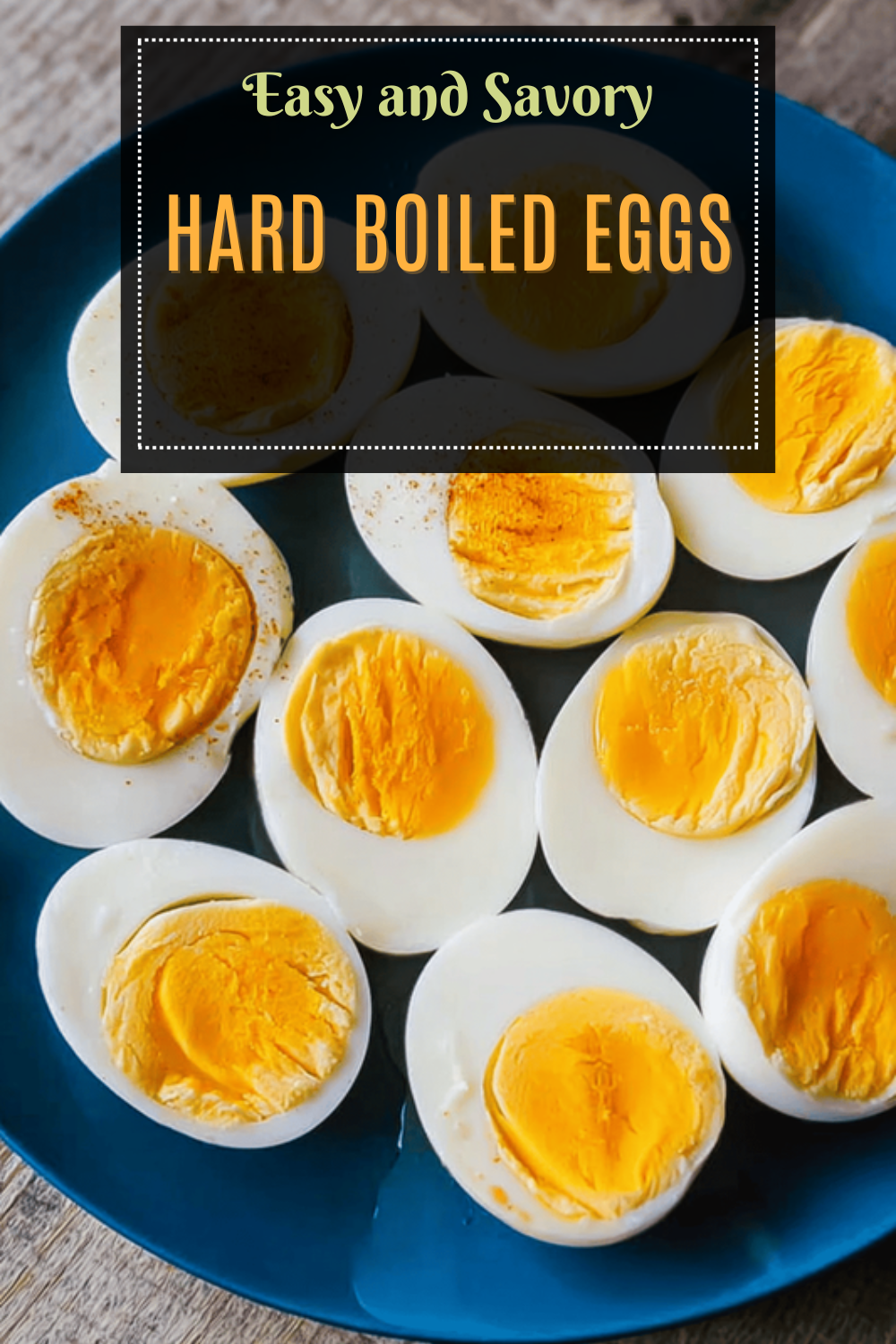
To make hard boiled eggs, place eggs in a pot and cover them with cold water by about an inch. Bring the water to a rolling boil, then cover the pot and remove it from heat. Let the eggs sit in the hot water for 9 to 12 minutes depending on their size—9 minutes for medium eggs and up to 12 minutes for extra-large. Afterward, transfer the eggs to an ice bath for at least 5 minutes to stop cooking and make peeling easier.
What is the best way to peel hard boiled eggs without tearing the white?
To peel hard boiled eggs easily, first cool them thoroughly in an ice bath after boiling. Gently tap the egg on a hard surface to crack the shell all around, then roll it lightly to loosen the shell. Start peeling from the wider end where there’s usually an air pocket, and peel under running water to help remove stubborn bits. Using slightly older eggs (about a week old) also makes peeling smoother compared to very fresh eggs.
How can I tell if a hard boiled egg is cooked perfectly?
A perfectly cooked hard boiled egg has a firm, opaque white and a fully set yolk without any greenish or gray ring around it. To test, crack one egg open after the suggested cooking time—if the yolk is bright yellow and solid, it’s done. Undercooked eggs will have softer, partially runny yolks, while overcooked eggs develop a greenish sulfur ring and a slightly sulfuric smell.
Are hard boiled eggs healthy and what nutrients do they provide?
Hard boiled eggs are a nutritious food, rich in high-quality protein, vitamins such as B12 and D, and essential minerals like selenium and choline. They are low in calories (about 70 per egg) and have no added fat when prepared without oil or butter. Eating hard boiled eggs can support muscle maintenance, brain function, and overall energy levels.
How long can I store hard boiled eggs in the refrigerator?
Hard boiled eggs can be safely stored in the refrigerator for up to one week. Keep them unpeeled to maintain freshness and prevent them from absorbing odors. Store eggs in a covered container or egg carton to reduce moisture loss. If peeled, place them in a bowl of cold water and change the water daily or wrap them tightly in plastic wrap before refrigeration.
Hard Boiled Eggs
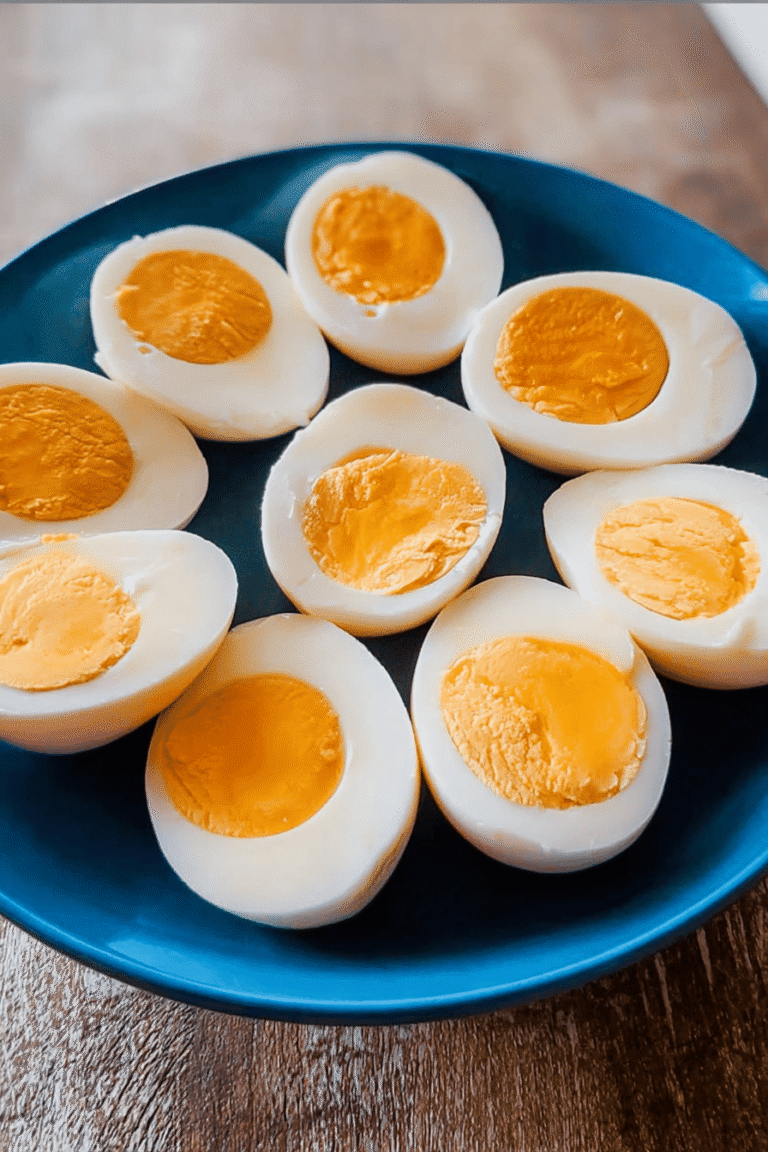
🥚 This method for making hard boiled eggs guarantees perfectly cooked yolks and easy peeling every time.
⏲️ A simple technique to prepare a versatile, protein-rich snack or meal addition hassle-free.
- Total Time: 35 minutes
- Yield: As many eggs as cooked (typically 1-12)
Ingredients
– Eggs (quantity as desired, typically 1-12)
– Enough cold water to cover eggs by 1 inch
– Enough ice to create an ice bath
Instructions
1-Place eggs in a single layer in a pot.
2-Cover eggs with cold water by 1 inch.
3-Bring water to a rolling boil over high heat.
4-Once boiling, immediately turn off the heat, cover the pot, and let the eggs sit in the hot water for 10 to 12 minutes (10 minutes for a firmer yolk, 12 minutes for a softer yolk).
5-Transfer eggs immediately to an ice bath for at least 14 minutes to stop cooking and facilitate peeling.
6-Peel carefully by tapping the shell gently and removing pieces along the fractures.
Last Step:
Please leave a rating and comment letting us know how you liked this recipe! This helps our business to thrive and continue providing free, high-quality recipes for you.Notes
🥚 Buy eggs a few days in advance, as slightly older eggs peel easier than fresh ones.
🔄 Store raw eggs upside down (pointed end down) to keep yolks centered.
🧊 Never skip the ice bath; it prevents overcooking, green rings around yolks, and makes peeling easier.
- Prep Time: 5 minutes
- Cook Time: 15 minutes
- Category: Snack
- Method: Boiling
- Cuisine: Universal
- Diet: Vegetarian, Gluten-Free
Nutrition
- Serving Size: 1 egg
- Calories: 70
- Sugar: 0.6g
- Sodium: 70mg
- Fat: 5g
- Saturated Fat: 1.5g
- Unsaturated Fat: Not specified
- Trans Fat: 0g
- Carbohydrates: 1g
- Fiber: 0g
- Protein: 6g
- Cholesterol: 185mg