

Why You’ll Love This Beef And Vegetable Korma
Beef and Vegetable Korma is a delightful dish that brings together tender chunks of beef and fresh vegetables in a creamy, spiced sauce. This recipe stands out for its balance of flavors, making it a hit for home cooks looking for something hearty yet simple. You’ll appreciate how it combines ease of preparation with wholesome nutrition, perfect for busy parents or students.
One of the best things about this beef and vegetable korma recipe is how it minimizes effort while maximizing taste. Using ingredients like 1 kilogram of trimmed gravy beef or chuck steak cut into 2.5 cm cubes, you get rich, tender meat that absorbs the korma curry paste’s flavors beautifully. This dish is packed with nutrient-rich vegetables such as 500 grams of potatoes cut into 2 cm cubes and half a cauliflower cut into small florets, adding vitamins and a satisfying texture.
Beyond its health benefits, the versatility of beef and vegetable korma makes it adaptable to various diets, like options for diet-conscious individuals or families with picky eaters. You can adjust the spice levels or swap ingredients to suit preferences, and it’s often served with 7.5 cups of cooked brown rice for a complete meal. Whether you’re a food enthusiast or a working professional, this spiced beef curry offers a comforting experience that feels like a warm hug on a busy day.
Health and Flavor Highlights
For those focusing on wellness, this korma provides about 2,180 kJ of energy per serving, along with 32.7 grams of protein and 7.8 grams of dietary fiber. It’s a great choice for travelers or seniors seeking balanced meals. The total cooking time is around 8 hours, mostly hands-off in a slow cooker, which improves the beef’s taste and texture when seared first.
This beef korma with creamy sauce and spices uses reduced salt vegetable stock and items like 2 peeled and sliced carrots to keep things light. Many enjoy adding extras like natural yogurt and chopped coriander for added flavor, linking back to its Indian roots. For more on beef’s nutritional perks, check out this resource on benefits of beef nutrients.
Jump to:
- Why You’ll Love This Beef And Vegetable Korma
- Health and Flavor Highlights
- Essential Ingredients for Beef And Vegetable Korma
- How to Prepare the Perfect Beef And Vegetable Korma: Step-by-Step Guide
- Initial Preparation Steps
- Cooking and Finishing Touches
- Dietary Substitutions to Customize Your Beef And Vegetable Korma
- Mastering Beef And Vegetable Korma: Advanced Tips and Variations
- Flavor and Technique Enhancements
- How to Store Beef And Vegetable Korma: Best Practices
- FAQs: Frequently Asked Questions About Beef And Vegetable Korma
- What is Beef and Vegetable Korma?
- How do I make Beef and Vegetable Korma at home?
- Can Beef and Vegetable Korma be made gluten-free?
- Is Beef and Vegetable Korma a healthy meal option?
- What are some common side dishes to serve with Beef and Vegetable Korma?
- Beef And Vegetable Korma
- Ingredients
- Instructions
- Last Step:
- Notes
- Nutrition
- Did you make this recipe?
Essential Ingredients for Beef And Vegetable Korma
Gathering the right ingredients is key to making a delicious beef and vegetable korma recipe. This section lists everything you need, ensuring your dish turns out flavorful and nutritious. Focus on fresh, quality items to enhance the creamy curry sauce’s appeal.
Below is a comprehensive, structured list of all the ingredients required for this recipe. Each item includes precise measurements to make shopping and preparation straightforward:
- 1 tablespoon extra virgin olive oil
- 1 kilogram of trimmed gravy beef or chuck steak, cut into 2.5 cm cubes
- 1 large brown onion, chopped
- 1/2 cup of korma curry paste
- 500 grams of potatoes, cut into 2 cm cubes
- 1/2 cauliflower (approximately 300 grams), cut into small florets
- 2 carrots, peeled and sliced
- 2 cans (400 grams each) of diced tomatoes
- 1 cup reduced salt vegetable stock
- 1 cup water
- 1.5 cups frozen peas
- 3.75 cups uncooked brown rice (which makes 7.5 cups cooked brown rice for serving)
These ingredients create a rich and creamy beef korma with vegetables, focusing on how to make beef vegetable korma that’s both hearty and healthy. For added depth, the onion can be sautéed with the korma paste before adding it to the slow cooker. If you’re exploring other recipes, try this blueberry lemonade for a refreshing side drink that complements spiced dishes.
How to Prepare the Perfect Beef And Vegetable Korma: Step-by-Step Guide
Making beef and vegetable korma at home is straightforward and rewarding, especially with a slow cooker doing most of the work. This Indian beef and vegetable korma version emphasizes slow cooking for tender results and rich flavors. Start by prepping your ingredients to keep things organized.
Initial Preparation Steps
First, heat 2 teaspoons of the extra virgin olive oil in a frying pan over medium heat and brown half the beef cubes for about 5 minutes, then repeat with the remaining beef and oil. This searing step improves taste and texture, though you can add beef raw if short on time.
Next, place the seared beef into the slow cooker along with the chopped brown onion, korma curry paste, potatoes cut into 2 cm cubes, cauliflower florets, sliced carrots, 2 cans of diced tomatoes, 1 cup reduced salt vegetable stock, and 1 cup water. For enhanced flavor, sauté the onion with the korma paste first as an optional twist.
Cooking and Finishing Touches
Cover the slow cooker and cook on high for 30 minutes, then switch to low for 7.5 hours, stirring halfway through to ensure even cooking. About 10 to 20 minutes before serving, add the 1.5 cups of frozen peas to keep them vibrant and fresh.
Serve each portion with three-quarters cup of cooked brown rice, made from the 3.75 cups of uncooked rice. This step-by-step guide for beef and vegetable korma recipe helps busy parents create a meal that’s ready when you are. Remember, the total cooking time is approximately 8 hours, including preparation, for that perfect creamy curry sauce.

Dietary Substitutions to Customize Your Beef And Vegetable Korma
Beef and vegetable korma is incredibly flexible, allowing you to tailor it to different needs like those of diet-conscious individuals or vegans. By swapping key ingredients, you maintain the dish’s essence while adapting it for health or preference reasons. Let’s explore some easy modifications.
For protein alternatives, consider substituting the 1 kilogram of beef with chicken breast for a leaner option, or use tofu for a plant-based version. If you’re gluten-free, ensure the korma curry paste is certified gluten-free, and stick to natural thickeners like the diced tomatoes or vegetable stock.
- Replace potatoes with sweet potatoes for a nutrient boost and different texture.
- Use coconut milk instead of the standard sauce base for a dairy-free twist, which pairs well with the cauliflower and carrots.
- Adjust spices by reducing or increasing the korma paste to suit family tastes, especially for kids or seniors.
These changes keep your beef korma with creamy sauce and spices adaptable, as highlighted in variations for how to make beef vegetable korma. For more ideas on seasonal tweaks, check out this mixed berry cake recipe, which shows how fruits can inspire vegetable swaps.
Mastering Beef And Vegetable Korma: Advanced Tips and Variations
Taking your beef and vegetable korma to the next level involves some pro techniques that enhance flavor and presentation. Slow-cooking the beef in the sauce, as in this recipe, tenderizes it perfectly over 7.5 hours on low. Toasting spices before adding them can release more aroma, making your korma stand out.
Flavor and Technique Enhancements
For richer taste, incorporate nuts like cashews into the mix, which complement the creamy sauce. You can also add dried fruits for a subtle sweetness that balances the spices in this beef and vegetable korma.
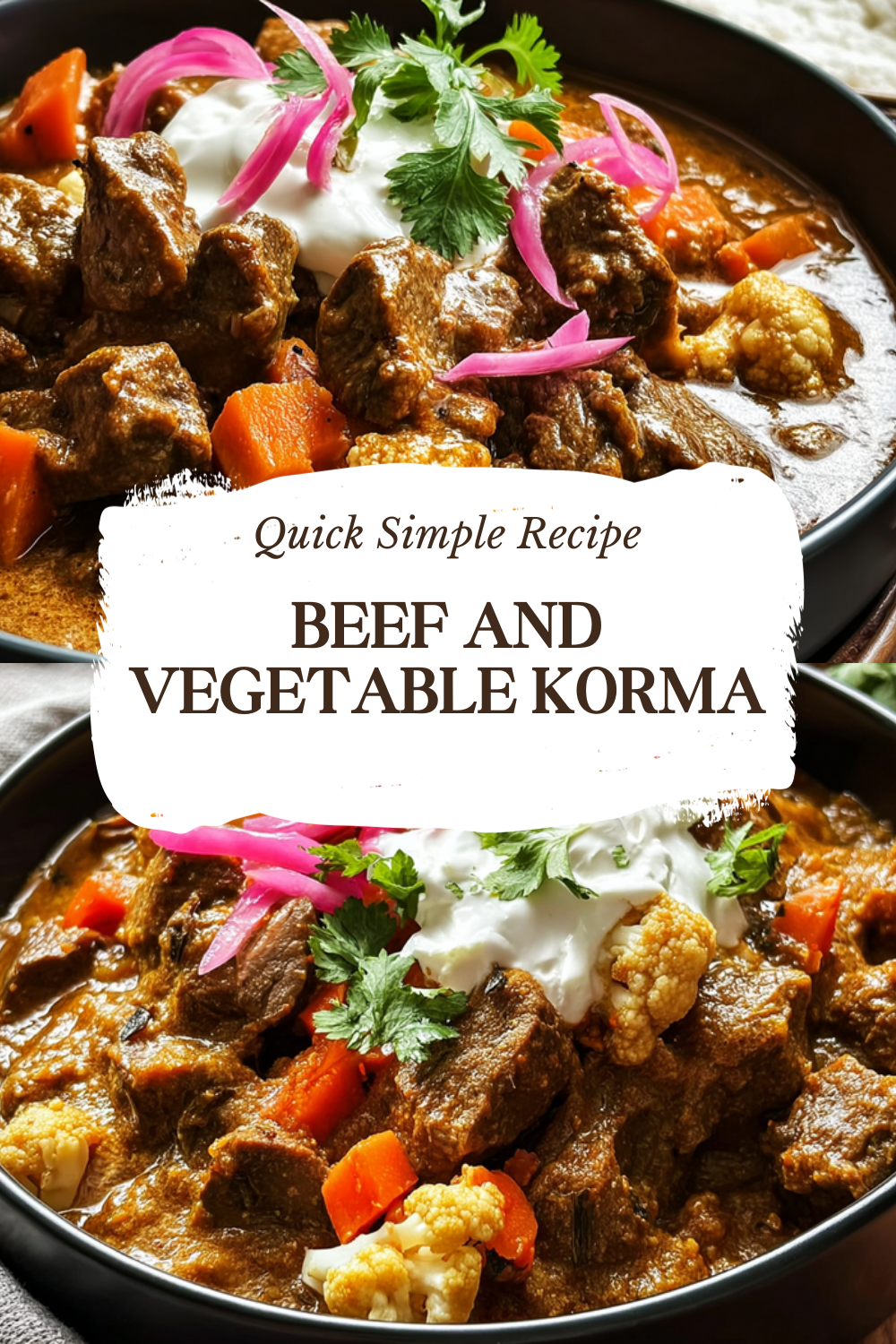
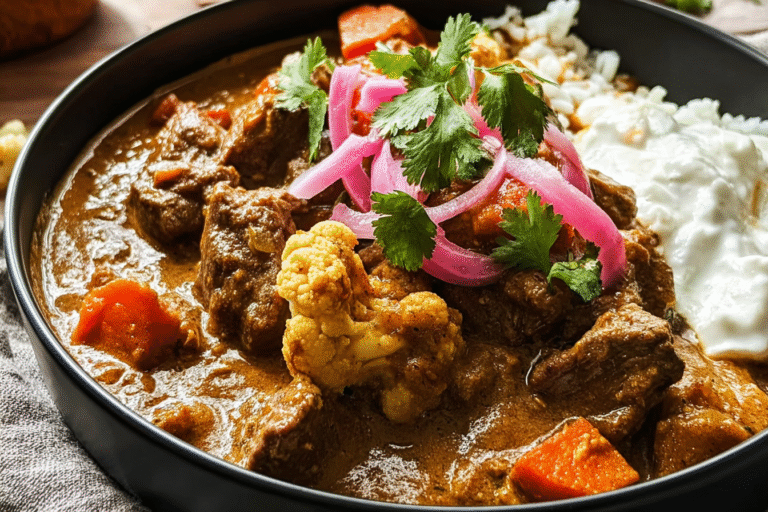
Presentation matters too serve in a bowl with fresh coriander and a yogurt drizzle. If preparing ahead, make the base with onions and curry paste, then store it; add vegetables like cauliflower and peas fresh before reheating. This approach works well for party hosts looking to impress.
| Tips Category | Description |
|---|---|
| Flavor Variations | Add extras like yogurt or coriander for depth, enhancing the 13.8 grams of total fat in each serving. |
| Make-Ahead Options | Prep the beef and vegetables ahead to save time, ideal for working professionals. |
With these tips, your rich and creamy beef korma with vegetables will become a staple. For complementary recipes, explore how fruits add variety in dishes like this one.
How to Store Beef And Vegetable Korma: Best Practices
Proper storage keeps your beef and vegetable korma fresh and safe to eat later, extending its enjoyment beyond the first meal. After cooking, cool the dish quickly to maintain quality. Store it in the fridge for quick access during the week.
- Refrigerate in an airtight container for up to 3 days to preserve flavors like the creamy korma sauce.
- Freeze in portions for up to 3 months, using freezer bags for easy thawing.
- Reheat on the stovetop over low heat, stirring to avoid burning and keep the vegetables tender.
For meal prep, divide into servings right after cooking, which helps with planning for busy schedules. This method ensures the nutritional benefits, like 4.6 mg of iron per serving, remain intact. Learn more about cauliflower’s role in storage from this guide on health benefits of cauliflower.
FAQs: Frequently Asked Questions About Beef And Vegetable Korma
What is Beef and Vegetable Korma?
Beef and Vegetable Korma is a mild, creamy curry dish originating from South Asian cuisine. It combines tender beef chunks with mixed vegetables, cooked slowly in a spiced yogurt or cream-based sauce. The dish is known for its rich flavor balanced by aromatic spices like cardamom, cinnamon, and coriander, making it a comforting meal often served with rice or naan bread.
How do I make Beef and Vegetable Korma at home?
To make Beef and Vegetable Korma, start by searing beef pieces until browned. Then, sauté onions, garlic, and ginger with spices such as cumin, coriander, and garam masala. Add the beef back to the pot along with yogurt or coconut milk and mixed vegetables like carrots and peas. Simmer gently until the beef is tender and the sauce thickens. Serve with basmati rice or flatbreads.
Can Beef and Vegetable Korma be made gluten-free?
Yes, Beef and Vegetable Korma can easily be made gluten-free by avoiding any flour-based thickeners and ensuring that all spice mixes and sauces are free from gluten-containing ingredients. Using natural thickening agents like yogurt or coconut milk keeps the dish creamy without gluten. Always check labels if using store-bought spice blends.
Is Beef and Vegetable Korma a healthy meal option?
Beef and Vegetable Korma can be a balanced meal when prepared with lean beef and plenty of vegetables. It provides protein, vitamins, and minerals while being lower in calories than cream-heavy versions if you use yogurt or light coconut milk. Pairing it with whole grain rice or roti adds fiber, making it nutritious and satisfying.
What are some common side dishes to serve with Beef and Vegetable Korma?
Popular side dishes include steamed basmati rice, naan bread, cucumber raita, and simple salads. These sides complement the mild, creamy flavors of the korma by adding texture and refreshing notes. You can also serve pickled vegetables or chutneys for extra zest and contrast.
Beef And Vegetable Korma
🍛 Enjoy a rich and creamy Beef Vegetable Korma that is packed with wholesome ingredients and fragrant spices.
🥘 This slow-cooked dish offers tender beef and vibrant vegetables, perfect for a comforting and nutritious meal.
- Total Time: 8 hours 15 minutes
- Yield: 6 servings
Ingredients
– 1 tablespoon extra virgin olive oil
– 1 kilogram of trimmed gravy beef or chuck steak, cut into 2.5 cm cubes
– 1 large brown onion, chopped
– 1/2 cup of korma curry paste
– 500 grams of potatoes, cut into 2 cm cubes
– 1/2 cauliflower (approximately 300 grams), cut into small florets
– 2 carrots, peeled and sliced
– 2 cans (400 grams each) of diced tomatoes
– 1 cup reduced salt vegetable stock
– 1 cup water
– 1.5 cups frozen peas
– 3.75 cups uncooked brown rice
Instructions
1-Initial Preparation Steps: First, heat 2 teaspoons of the extra virgin olive oil in a frying pan over medium heat and brown half the beef cubes for about 5 minutes, then repeat with the remaining beef and oil. This searing step improves taste and texture, though you can add beef raw if short on time.
2-Next: place the seared beef into the slow cooker along with the chopped brown onion, korma curry paste, potatoes cut into 2 cm cubes, cauliflower florets, sliced carrots, 2 cans of diced tomatoes, 1 cup reduced salt vegetable stock, and 1 cup water. For enhanced flavor, sauté the onion with the korma paste first as an optional twist.
3-Cooking and Finishing Touches: Cover the slow cooker and cook on high for 30 minutes, then switch to low for 7.5 hours, stirring halfway through to ensure even cooking. About 10 to 20 minutes before serving, add the 1.5 cups of frozen peas to keep them vibrant and fresh.
4-Serve: each portion with three-quarters cup of cooked brown rice, made from the 3.75 cups of uncooked rice. This step-by-step guide for beef and vegetable korma recipe helps busy parents create a meal that’s ready when you are. Remember, the total cooking time is approximately 8 hours, including preparation, for that perfect creamy curry sauce.
Last Step:
Please leave a rating and comment letting us know how you liked this recipe! This helps our business to thrive and continue providing free, high-quality recipes for you.Notes
🌿 Sautéing the onion with korma paste before slow cooking enhances the flavor depth.
🔥 Searing the beef before slow cooking improves taste and texture but is optional.
🍚 Serve with natural yogurt and fresh coriander to balance the rich spices and creaminess.
- Prep Time: 15 minutes
- Cook Time: 8 hours
- Category: Main Course, Dinner
- Method: Slow Cooking
- Cuisine: Indian-inspired
- Diet: Gluten-Free
Nutrition
- Serving Size: 1 serving
- Calories: 520 kcal
- Sugar: 9.6 g
- Sodium: 512 mg
- Fat: 13.8 g
- Saturated Fat: 3.9 g
- Trans Fat: 0 g
- Carbohydrates: 62.2 g
- Fiber: 7.8 g
- Protein: 32.7 g
- Cholesterol: 80 mg