

Why You’ll Love These Peanut Butter Eggs
These Peanut Butter Eggs are the kind of homemade treat that makes people think you spent all day in the kitchen, even though the recipe is quick, simple, and fun. If you love classic chocolate-covered candy with a creamy center, this peanut butter chocolate eggs recipe is going to be a favorite for holidays, gifting, or just a sweet snack at home. According to WebMD’s guide to the health benefits of peanuts, peanuts bring useful nutrients to the table, which is a nice bonus when you are making a treat with real peanut butter.
- Easy to make: You only need one bowl, a microwave, and a little chilling time. The filling comes together fast, so this is a great recipe for busy parents, students, and working professionals who want a homemade candy without a lot of fuss.
- Rich, satisfying flavor: The creamy peanut butter filling, sweet powdered sugar, and smooth milk chocolate coating create that classic candy-shop taste people love. Every bite is soft in the middle with a crisp chocolate shell.
- Flexible for different tastes: You can use crunchy peanut butter, swap in almond or cashew butter, or try dark or white chocolate instead of milk chocolate. That makes these peanut butter eggs easy to adjust for different preferences.
- Great for sharing: These are perfect for Easter baskets, party trays, dessert tables, and edible gifts. They also keep well, so you can make them ahead for gatherings or holidays.
If you want a homemade candy that feels special but still stays simple, these peanut butter eggs are a smart pick.
Jump to:
- Why You’ll Love These Peanut Butter Eggs
- Essential Ingredients for Peanut Butter Eggs
- Special dietary options
- How to Prepare the Perfect Peanut Butter Eggs: Step-by-Step Guide
- Step 1: Melt the peanut butter mixture
- Step 2: Mix in the sweeteners and flavorings
- Step 3: Shape the filling into eggs
- Step 4: Chill until firm
- Step 5: Melt the chocolate
- Step 6: Dip and coat the eggs
- Step 7: Decorate and set
- Step 8: Serve or store
- Dietary Substitutions to Customize Your Peanut Butter Eggs
- Protein and main component alternatives
- Chocolate, sweetness, and flavor changes
- Mastering Peanut Butter Eggs: Advanced Tips and Variations
- Pro cooking techniques
- Flavor variations
- Presentation tips
- Make-ahead options
- How to Store Peanut Butter Eggs: Best Practices
- Nutrition Facts for Peanut Butter Eggs
- FAQs: Frequently Asked Questions About Peanut Butter Eggs
- What ingredients do I need for homemade peanut butter eggs?
- Can I skip peanut butter in peanut butter eggs?
- What chocolate can I use to coat peanut butter eggs?
- How do I store homemade peanut butter eggs?
- Can I freeze peanut butter eggs and how?
- Peanut Butter Eggs
- Ingredients
- Instructions
- Last Step:
- Notes
- Nutrition
- Did you make this recipe?
Essential Ingredients for Peanut Butter Eggs
Here is the full ingredient list for this peanut butter chocolate eggs recipe. Each item has a job to do, and together they create a smooth filling that holds its shape and tastes rich after dipping in chocolate.
- 1 cup creamy peanut butter: This gives the filling its main flavor and soft, creamy texture. Natural or no-stir peanut butter works best if you want easier shaping.
- 1/2 cup unsalted butter: Butter adds richness and helps the filling blend into a smooth candy center.
- 2 cups powdered sugar: This sweetens the filling and firms it up so the eggs can be shaped and dipped.
- 1/4 teaspoon salt: Salt balances the sweetness and brings out the peanut butter flavor.
- 1 teaspoon vanilla extract: Vanilla adds warmth and rounds out the flavor of the filling.
- 2 cups milk chocolate for dipping: The chocolate coating gives the eggs their classic candy finish and helps lock in the creamy center.
Special dietary options
- Vegan: Use plant-based butter and dairy-free chocolate. Choose a peanut butter that does not include added milk ingredients.
- Gluten-free: This recipe is naturally gluten-free as written, but always check the labels on peanut butter, chocolate, and vanilla extract.
- Lower sugar: You can reduce the powdered sugar a little, but the filling may become softer. Add more peanut butter or chill longer if needed.
| Ingredient | Amount | Why It Matters |
|---|---|---|
| Creamy peanut butter | 1 cup | Builds the flavor and creamy center |
| Unsalted butter | 1/2 cup | Makes the filling rich and smooth |
| Powdered sugar | 2 cups | Helps the filling firm up |
| Salt | 1/4 teaspoon | Balances sweetness |
| Vanilla extract | 1 teaspoon | Adds warmth and depth |
| Milk chocolate | 2 cups | Creates the chocolate shell |
How to Prepare the Perfect Peanut Butter Eggs: Step-by-Step Guide
Step 1: Melt the peanut butter mixture
Start by adding the 1 cup creamy peanut butter and 1/2 cup unsalted butter to a microwave-safe bowl. Heat the mixture until melted, then stir until it looks smooth and glossy. If it still looks a little lumpy, microwave it for an extra 10 seconds and stir again. This first step matters because a smooth base makes shaping much easier later.
Step 2: Mix in the sweeteners and flavorings
Stir in 1/4 teaspoon salt, 1 teaspoon vanilla extract, and 2 cups powdered sugar. Mix until everything is fully combined and the dough feels thick. If you are making these for a family with mixed tastes, this is also the point where you can note whether you want to use almond butter, cashew butter, or crunchy peanut butter next time.
Step 3: Shape the filling into eggs
Scoop out portions of the peanut butter mixture and shape them into balls first. Then flatten each one gently into an egg shape. Wearing gloves can help keep the dough from sticking to your hands, which is especially handy if you are making a big batch with kids or for a party tray. Try to keep the eggs a similar size so they dip and set evenly.
Step 4: Chill until firm
Place the shaped eggs on a parchment-lined tray and chill them for 30 minutes. This step helps them hold their shape when they go into the melted chocolate. If you are in a warm kitchen, keep them chilled until the last possible minute so the coating goes on smoothly.
Step 5: Melt the chocolate
Add 2 cups milk chocolate for dipping to a microwave-safe bowl. Heat it in 30-second increments, stirring between each round. This slower method helps keep the chocolate from scorching. If you prefer a darker flavor, this is also a good time to use dark chocolate or white chocolate instead.
Step 6: Dip and coat the eggs
Dip each chilled egg into the melted chocolate, then tap off the extra chocolate before placing it back on parchment paper. Work fairly quickly so the filling stays firm. This is a great time to use a fork or dipping tool if you want less mess, but a spoon works too.
Step 7: Decorate and set
Drizzle a little extra melted chocolate over the eggs for a pretty finish. Let them set at room temperature until the coating firms up. If you want a faster finish, a short chill in the fridge can help, but room temperature setting keeps the shell smooth and shiny.
Step 8: Serve or store
Once set, your peanut butter chocolate eggs are ready to serve. You can enjoy them right away or store them in an airtight container. For longer storage, freeze them and thaw when needed. These are a smart make-ahead treat for holidays, snack boxes, and dessert tables.
Tip: If the mixture feels too soft to shape, chill it a little longer before forming the eggs.

Dietary Substitutions to Customize Your Peanut Butter Eggs
Protein and main component alternatives
If you need to swap the peanut butter, the recipe still works well with a few changes. Almond butter and cashew butter both give a smooth, nutty taste, though you may need to add more powdered sugar if the mixture turns out too soft. Sunflower seed butter is a good nut-free option for school events or allergy-friendly dessert trays. You can also use crunchy peanut butter if you want a little texture in the filling.
Chocolate, sweetness, and flavor changes
Milk chocolate gives the classic taste, but dark chocolate works nicely if you want less sweetness. White chocolate is another fun choice, especially for spring parties or decorated Easter treats. If your filling seems too soft after a substitution, add a little more powdered sugar and chill longer. For a stronger peanut flavor, keep the vanilla the same but use a thicker nut butter with less added oil.
For more simple sweets that fit nicely into a dessert spread, you might also like this chocolate chip banana bread recipe or these almond croissants for a bakery-style treat at home.
Mastering Peanut Butter Eggs: Advanced Tips and Variations
Pro cooking techniques
Small details can make a big difference with Peanut Butter Eggs. First, use room-temperature peanut butter and butter so the filling mixes faster and smoother. Second, work with chilled eggs when dipping so the chocolate shell sets cleanly. Third, if the melted chocolate starts to thicken, warm it again in very short bursts so it stays easy to coat. These simple tricks help you get a neater finish with less stress.
Flavor variations
If you want a new spin, try a pinch of cinnamon in the filling or drizzle dark chocolate over milk chocolate for a two-tone look. You can also roll the centers in finely chopped peanuts before dipping for extra crunch. For a sweeter finish, use white chocolate and add a little festive drizzle on top. These changes keep the recipe fun without making it complicated.
Presentation tips
Line your serving tray with parchment and arrange the eggs in rows for a clean look. A light drizzle of extra chocolate makes them look bakery-worthy with very little effort. If you are giving them as gifts, place each egg in a mini candy cup and pack them in a small box or tin. That turns a simple homemade candy into a nice present for neighbors, teachers, or holiday guests.
Make-ahead options
These peanut butter chocolate eggs are ideal for busy schedules. You can shape the filling a day ahead, chill it overnight, and dip the next day. You can also make the full batch and freeze extras for later. That means one quick prep session gives you treats ready for a party, lunchbox, or weekend dessert.
For another make-ahead breakfast or snack idea, check out these baked oatmeal cups, which are also great for busy mornings.
When the filling is firm, the chocolate coating is easier, cleaner, and much less messy.
How to Store Peanut Butter Eggs: Best Practices
Storing these treats the right way helps them stay fresh and tasty. Because they contain butter and chocolate, they hold up best when kept cool. Here is the simplest way to handle leftovers and make-ahead batches.
- Refrigeration: Keep the peanut butter eggs in an airtight container in the fridge for up to 2 weeks. Place parchment paper between layers so they do not stick together.
- Freezing: For longer storage, freeze them in a single layer first, then move them to a freezer bag or sealed container. They can stay frozen for up to 3 months.
- Thawing: Move frozen eggs to the fridge for 1 to 2 hours before serving. This keeps the chocolate shell from sweating too much.
- Meal prep use: Make a double batch for holidays, party trays, or snack boxes. They are easy to grab when you need a sweet treat fast.
A good storage habit also helps with texture. If your kitchen is warm, do not leave them out too long before serving. For a deeper look at choosing treats that fit your routine, you may also enjoy Verywell Fit’s advice on enjoying chocolate wisely.
Nutrition Facts for Peanut Butter Eggs
Here is the nutritional breakdown for one egg, based on the recipe provided. Keep in mind that exact values can change depending on the chocolate brand, peanut butter type, and size of each egg.
| Nutrient | Per 1 Egg |
|---|---|
| Calories | 423 |
| Carbohydrates | 42g |
| Protein | 6g |
| Fat | 29g |
| Saturated Fat | 13g |
| Trans Fat | 0.3g |
| Cholesterol | 20mg |
| Sodium | 147mg |
| Potassium | 209mg |
| Fiber | 3g |
| Sugars | 37g |
| Vitamin A | 236 IU |
| Calcium | 20mg |
| Iron | 1mg |
These numbers show that this is a rich dessert, so it works best as an occasional treat or a shareable candy for special moments.

FAQs: Frequently Asked Questions About Peanut Butter Eggs
What ingredients do I need for homemade peanut butter eggs?
Homemade peanut butter eggs require only 6 basic pantry items: 1 cup creamy peanut butter (use natural or Jif-style for best texture), 1/4 cup softened unsalted butter, 2 cups powdered sugar, 1/4 teaspoon salt, 1 teaspoon vanilla extract, and 12 ounces milk chocolate chips or bars for coating. Start with room-temperature ingredients to mix smoothly. Opt for no-stir peanut butter to avoid oil separation during shaping. This makes about 20-24 eggs. Measure precisely for the right firm-yet-moldable filling that holds shape when dipped. No baking needed—just chill and coat. (78 words)
Can I skip peanut butter in peanut butter eggs?
Yes, replace peanut butter with almond butter, cashew butter, or sunflower seed butter for a nut-free option. Use the same 1 cup amount, but adjust for consistency—other butters may be runnier or less sweet. Add 1/4 to 1/2 cup extra powdered sugar if unsweetened, and mix in 1-2 tablespoons more butter for creaminess. Taste the filling before chilling to balance flavors. The eggs will still firm up in the fridge for 30 minutes. This swap keeps the no-bake process identical while customizing for allergies or preferences. (92 words)
What chocolate can I use to coat peanut butter eggs?
Milk chocolate works best for classic Reese’s taste, but swap for dark chocolate (60% cacao for less sweetness) or white chocolate chips. Use 12 ounces total—melt in microwave in 30-second bursts or double boiler to avoid scorching. For Easter eggs, tint white chocolate or candy melts with food coloring and drizzle patterns on top after dipping. Pat eggs dry before coating for smooth adhesion. Set on parchment-lined tray in fridge 10 minutes to harden. Any chocolate variety keeps the dipping simple and customizable. (89 words)
How do I store homemade peanut butter eggs?
Store in an airtight container layered with parchment paper in the fridge for up to 2 weeks—they stay firm and fresh. Avoid room temperature longer than 2 hours to prevent melting in warm kitchens. For pantry storage, keep in a cool, dry spot (below 70°F) up to 5 days. Label with date made. If stacking, dust bottoms lightly with powdered sugar to prevent sticking. This preserves the creamy filling and crisp chocolate shell without sogginess. Perfect for make-ahead treats. (82 words)
Can I freeze peanut butter eggs and how?
Yes, freeze homemade peanut butter eggs for up to 3 months. Place individually on a parchment-lined baking sheet to flash-freeze for 1 hour, then transfer to a freezer bag, removing air to prevent ice crystals. Thaw in fridge 1-2 hours before serving—no microwave, as it softens chocolate. They retain texture well, with about 150 calories per egg (based on standard recipe). Ideal for holiday prep; one batch yields 20 eggs, saving time. Link to our full freezing guide for candies. (85 words)
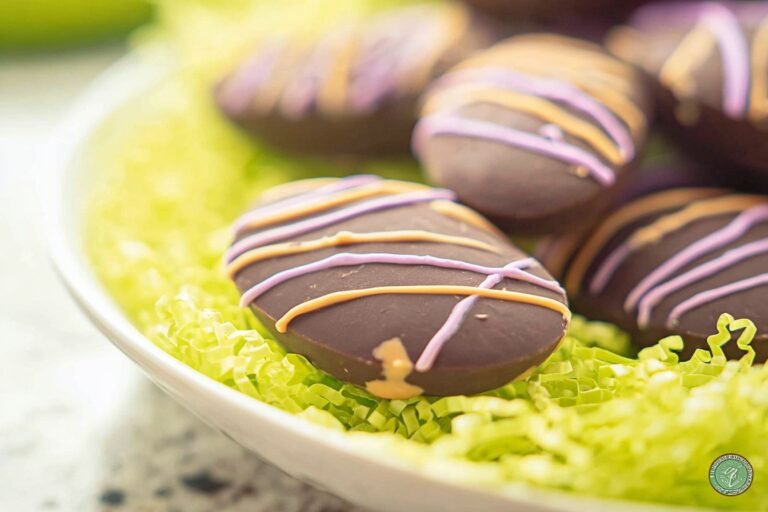
Peanut Butter Eggs
🥚 Irresistible creamy peanut butter eggs enrobed in smooth chocolate – homemade bliss better than candy aisle!
🍫 No-bake Easter delight or anytime treat, customizable and freezer-friendly for sweet cravings!
- Total Time: 50 minutes
- Yield: 24 eggs
Ingredients
– 1 cup creamy peanut butter for building the flavor and creamy center
– 1/2 cup unsalted butter for making the filling rich and smooth
– 2 cups powdered sugar for helping the filling firm up
– 1/4 teaspoon salt for balancing sweetness
– 1 teaspoon vanilla extract for adding warmth and depth
– 2 cups milk chocolate for creating the chocolate shell
Instructions
1-Step 1: Melt the peanut butter mixture Start by adding the 1 cup creamy peanut butter and 1/2 cup unsalted butter to a microwave-safe bowl. Heat the mixture until melted, then stir until it looks smooth and glossy. If it still looks a little lumpy, microwave it for an extra 10 seconds and stir again. This first step matters because a smooth base makes shaping much easier later.
2-Step 2: Mix in the sweeteners and flavorings Stir in 1/4 teaspoon salt, 1 teaspoon vanilla extract, and 2 cups powdered sugar. Mix until everything is fully combined and the dough feels thick. If you are making these for a family with mixed tastes, this is also the point where you can note whether you want to use almond butter, cashew butter, or crunchy peanut butter next time.
3-Step 3: Shape the filling into eggs Scoop out portions of the peanut butter mixture and shape them into balls first. Then flatten each one gently into an egg shape. Wearing gloves can help keep the dough from sticking to your hands, which is especially handy if you are making a big batch with kids or for a party tray. Try to keep the eggs a similar size so they dip and set evenly.
4-Step 4: Chill until firm Place the shaped eggs on a parchment-lined tray and chill them for 30 minutes. This step helps them hold their shape when they go into the melted chocolate. If you are in a warm kitchen, keep them chilled until the last possible minute so the coating goes on smoothly.
5-Step 5: Melt the chocolate Add 2 cups milk chocolate for dipping to a microwave-safe bowl. Heat it in 30-second increments, stirring between each round. This slower method helps keep the chocolate from scorching. If you prefer a darker flavor, this is also a good time to use dark chocolate or white chocolate instead.
6-Step 6: Dip and coat the eggs Dip each chilled egg into the melted chocolate, then tap off the extra chocolate before placing it back on parchment paper. Work fairly quickly so the filling stays firm. This is a great time to use a fork or dipping tool if you want less mess, but a spoon works too.
7-Step 7: Decorate and set Drizzle a little extra melted chocolate over the eggs for a pretty finish. Let them set at room temperature until the coating firms up. If you want a faster finish, a short chill in the fridge can help, but room temperature setting keeps the shell smooth and shiny.
8-Step 8: Serve or store Once set, your peanut butter chocolate eggs are ready to serve. You can enjoy them right away or store them in an airtight container. For longer storage, freeze them and thaw when needed. These are a smart make-ahead treat for holidays, snack boxes, and dessert tables.
Last Step:
Please leave a rating and comment letting us know how you liked this recipe! This helps our business to thrive and continue providing free, high-quality recipes for you.Notes
🧤 Wear food-safe gloves when shaping to prevent sticky mess.
🔥 Microwave extra 10 seconds if mixture is lumpy for smooth texture.
🌰 Swap peanut butter for almond or cashew; add more sugar if needed.
- Prep Time: 20 minutes
- Chilling Time: 30 minutes
- Category: Desserts
- Method: No-Bake
- Cuisine: American
- Diet: Vegetarian, Gluten-Free
Nutrition
- Serving Size: 1 egg
- Calories: 423 kcal
- Sugar: 37g
- Sodium: 147mg
- Fat: 29g
- Saturated Fat: 13g
- Unsaturated Fat: 16g
- Trans Fat: 0.3g
- Carbohydrates: 42g
- Fiber: 3g
- Protein: 6g
- Cholesterol: 20mg