
Why You’ll Love This Baguette Recipe
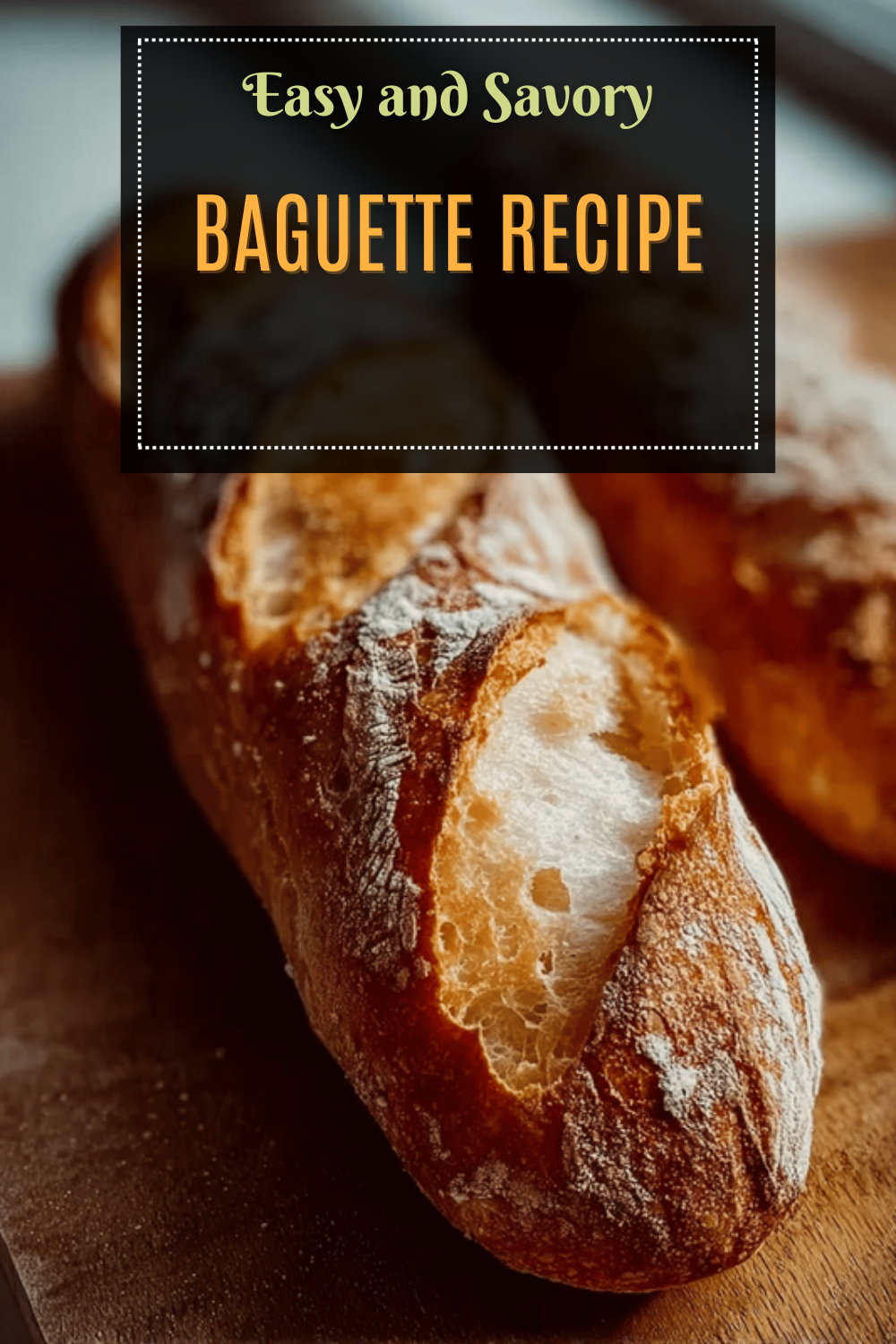
Imagine pulling a warm, crispy baguette straight from your oven, filling your kitchen with that irresistible aroma of fresh bread. This baguette recipe stands out for its simplicity and the joy it brings to home bakers, whether you’re new to the craft or a seasoned pro. With just a few basic ingredients, you can create a loaf that rivals your favorite bakery, making it a go-to choice for everyday meals or special occasions.
The ease of preparation makes this baguette recipe perfect for busy schedules. It uses straightforward steps and minimal tools, so even beginners can achieve great results without overwhelming complexity. Plus, the health benefits are clear, as it’s made with wholesome ingredients that provide fiber and essential nutrients, helping you feel good about what you’re eating.
One of the best features is its versatility in the kitchen. You can tweak this recipe to fit various dietary preferences, ensuring it’s adaptable for everyone in your household. What truly sets this baguette apart is its distinctive flavor and texture, developed through a thoughtful fermentation process that adds depth and a satisfying crunch.
Key Benefits of This Recipe
- Simple steps that fit into a hectic day, ideal for busy parents and working professionals.
- Nutritious profile with high fiber and low fat, appealing to diet-conscious individuals and seniors.
- Options to modify for different needs, making it great for food enthusiasts and travelers alike.
- A classic taste that elevates any meal, perfect for party hosts looking to impress guests.
This baguette recipe also pairs wonderfully with beverages from our blog, like a refreshing iced tea to complement its subtle sweetness. For more drink ideas that enhance your baking adventures, check out our spicy margarita recipe for a fun twist on flavor pairings.
Jump to:
- Why You’ll Love This Baguette Recipe
- Key Benefits of This Recipe
- Essential Ingredients for Baguette Recipe
- Special Dietary Options
- How to Prepare the Perfect Baguette Recipe: Step-by-Step Guide
- Mixing and Initial Rest
- Shaping and Proofing
- Baking to Perfection
- Dietary Substitutions to Customize Your Baguette Recipe
- Mastering Baguette Recipe: Advanced Tips and Variations
- Flavor and Presentation Ideas
- How to Store Baguette Recipe: Best Practices
- FAQs: Frequently Asked Questions About Baguette Recipe
- What ingredients do I need to make a traditional French baguette?
- How long should I let the baguette dough ferment for the best flavor?
- What’s the best way to create steam in the oven when baking baguettes at home?
- Can I use active dry yeast instead of instant yeast for baguette dough?
- How do I know when the baguette dough is proofed and ready to bake?
- Baguette Recipe
- Ingredients
- Instructions
- Last Step:
- Notes
- Nutrition
- Did you make this recipe?
Essential Ingredients for Baguette Recipe
To make a delicious baguette at home, start with high-quality ingredients that form the backbone of this easy French bread. Using precise measurements ensures consistent results every time you bake. Below is a structured list of all the ingredients needed, pulled directly from the recipe details to help you get it right.
- 500 grams all-purpose flour (approximately 3 1/2 cups using the scoop and swipe method)
- 360 grams water (about 1 1/2 cups plus 1 tablespoon)
- 10 grams salt (about 2 teaspoons)
- 3 grams instant yeast (about 1 teaspoon, also known as Quick Rise or Rapid Rise yeast)
- 25 grams honey (about 1 tablespoon, optional, adds subtle sweetness but can be omitted)
These ingredients come together to create a dough that’s easy to handle and full of flavor. For special dietary options, you can stick with the basics for a vegan version or swap flours if needed. Remember, measuring with a kitchen scale helps avoid mistakes and leads to the best texture.
Special Dietary Options
- For gluten-free adaptations, replace the all-purpose flour with a certified gluten-free blend to keep the dough light and airy.
- Keep it vegan by using only the listed ingredients, as no animal products are required.
- To make it lower in calories, reduce the honey or opt for whole grain flours for added fiber without much extra effort.
How to Prepare the Perfect Baguette Recipe: Step-by-Step Guide
Baking a baguette might seem tricky at first, but this step-by-step guide breaks it down into simple actions anyone can follow. Start by gathering your ingredients and setting up your workspace for a smooth process. The key is patience, as the dough needs time to develop its magic.
Mixing and Initial Rest
Begin by mixing all the ingredients in a bowl and letting the dough rest for 15 minutes. This allows the flour to absorb the water and sets the stage for better texture. Over the next 1 1/2 hours, perform three sets of stretch and folds, flipping the dough upside down after each one to build strength.
This technique helps create those airy pockets that make baguettes so delightful. Once done, cover the bowl and pop it in the refrigerator for 12 to 14 hours; you can extend this up to 48 hours if you want a deeper flavor, though it might change the taste slightly.
Shaping and Proofing
After chilling, turn the dough onto a lightly floured surface and divide it into three equal pieces. Shape each into a rectangle, cover them, and let them rest for 45 to 60 minutes. Then, stretch each rectangle slightly, fold it into a cylinder, and seal the seams carefully.
Roll the cylinders gently with your hands until they’re about 14 to 15 inches long. Place them on a lightly floured baker’s couche, seam side up, cover, and proof at room temperature for 30 to 60 minutes. You’ll know it’s ready when the dough springs back slowly after a gentle poke.
Baking to Perfection
While the dough proofs, preheat your oven to 500°F with a thick baking stone in the upper half and a bread pan with hot water and a rolled kitchen towel on the lower rack for steam. Transfer the baguettes to parchment paper, seam side down, and dust off any excess flour.
Score each baguette with three quick, firm cuts at a 30-40 degree angle using a bread lame or sharp knife. Slide them onto the hot stone, close the oven, and reduce the temperature to 475°F. Bake for 15 minutes, then remove the water pan, rotate the baguettes, and lower the heat to 450°F for another 15 minutes until deep golden brown.
In gas ovens, you might need less time, like 12 minutes with steam and 12 without. For more on enhancing your bake, visit this external resource on baking techniques.

Dietary Substitutions to Customize Your Baguette Recipe
Everyone’s needs are different, so customizing your baguette recipe is a smart way to make it work for you. Start with the main ingredients and swap as needed to fit dietary preferences. This keeps the bread tasty while accommodating various lifestyles.
- Replace traditional flour with gluten-free options to help those with sensitivities.
- Use plant-based starters for a vegan twist that still rises well.
- Add herbs like rosemary for extra flavor without many calories.
- Swap any dairy toppings with olive oil for a healthier, plant-based choice.
These changes ensure your baguette remains versatile and enjoyable. For instance, whole grain flour can boost nutrition and appeal to baking enthusiasts looking for more substance.
Mastering Baguette Recipe: Advanced Tips and Variations
Once you’re comfortable with the basics, dive into advanced tips to elevate your baguette game. Techniques like using a pre-ferment can add richer flavors and improve the crumb structure, making your bread stand out. Precise dough temperature during kneading is key to controlling ferments, so aim for consistency.
Flavor and Presentation Ideas
Experiment with mix-ins like olives or herbs to create gourmet variations that surprise your taste buds. For a nutritional boost, try whole grain blends that change the texture slightly but keep it chewy and delicious. When it comes to presentation, score the dough with fun slashes for that artisan look and brush with olive oil before baking.
Make-ahead options are a lifesaver for busy days; prepare the dough ahead and chill it overnight for deeper flavors. You can even freeze shaped dough for up to a month, thawing it when you’re ready to proof and bake for fresh bread anytime.
| Tips | Benefits |
|---|---|
| Use a baking stone | Ensures proper oven spring |
| Gentle handling | Retains air bubbles for a light crumb |
| Adjust hydration | Makes dough easier to handle |
For beginners, try shorter rise times to speed things up, though it might lessen the flavor complexity. Honey adds a subtle sweetness if you include it, but it’s flexible and won’t change the texture much.
How to Store Baguette Recipe: Best Practices
Keeping your freshly baked baguette fresh is easy with the right methods. Store it wrapped in a paper bag inside an airtight container for up to two days to hold that crisp crust. For longer storage, wrap it tightly in plastic and foil before freezing, where it can last up to three months.
- Reheat in a 350°F oven for 5-7 minutes to crisp it up again.
- Portion and freeze leftovers to keep them fresh for meals.
- Avoid cutting right away to maintain the crust’s texture.
These steps help you enjoy your baguette at its best, whether for a quick snack or planned meals.
FAQs: Frequently Asked Questions About Baguette Recipe
What ingredients do I need to make a traditional French baguette?
A basic French baguette requires four simple ingredients: flour, water, yeast, and salt. The traditional recipe uses these with specific techniques to develop flavor and texture. Some bakers may add small amounts of honey or malt for sweetness and crust color, but these are optional. The quality and type of flour, hydration level, and fermentation process all influence the final bread.
How long should I let the baguette dough ferment for the best flavor?
For a richer flavor and better texture, cold fermentation or retardation in the refrigerator for 12 to 14 hours is recommended. This slower fermentation enhances the dough’s complexity. The dough can be refrigerated up to 48 hours, but longer times might cause excessive sourness or structural changes. Always ensure the dough shows some rise before chilling.
What’s the best way to create steam in the oven when baking baguettes at home?
To create steam, place a small pan with hot water and a damp kitchen towel on the oven’s bottom rack as you preheat. This releases controlled moisture during baking, promoting a crisp crust. Alternatively, you can mist the oven walls with water just after placing the baguettes inside. Steam is crucial in the first 10-15 minutes to develop proper oven spring and crust texture.
Can I use active dry yeast instead of instant yeast for baguette dough?
Yes, active dry yeast can be used but requires activation first. Dissolve it in warm water (about 100–110°F) with a pinch of sugar and let it sit for 5-10 minutes until bubbly before mixing. This may extend fermentation times slightly. Instant yeast skips this step and can be mixed directly into dry ingredients for faster preparation.
How do I know when the baguette dough is proofed and ready to bake?
The dough is ready when a gentle finger poke leaves an indentation that springs back slowly but not completely. If it rebounds quickly, it needs more time to proof. Over-proofed dough won’t rise well in the oven and might collapse, so watch closely to bake when the dough has a light, airy feel and slight volume increase.

Baguette Recipe
🥖 This French Baguette recipe delivers the classic crispy crust and tender crumb that makes this bread a beloved staple worldwide.
⏳ With a simple process and long fermentation, this guide helps you bake homemade baguettes with excellent flavor and texture.
- Total Time: 14 hours
- Yield: 3 baguettes
Ingredients
– 500 grams all-purpose flour
– 360 grams water
– 10 grams salt
– 3 grams instant yeast
– 25 grams honey optional
Instructions
1-Mixing and Initial Rest: Begin by mixing all the ingredients in a bowl and letting the dough rest for 15 minutes. This allows the flour to absorb the water and sets the stage for better texture. Over the next 1 1/2 hours, perform three sets of stretch and folds, flipping the dough upside down after each one to build strength.
2-Mixing and Initial Rest: This technique helps create those airy pockets that make baguettes so delightful. Once done, cover the bowl and pop it in the refrigerator for 12 to 14 hours; you can extend this up to 48 hours if you want a deeper flavor, though it might change the taste slightly.
3-Shaping and Proofing: After chilling, turn the dough onto a lightly floured surface and divide it into three equal pieces. Shape each into a rectangle, cover them, and let them rest for 45 to 60 minutes. Then, stretch each rectangle slightly, fold it into a cylinder, and seal the seams carefully.
4-Shaping and Proofing: Roll the cylinders gently with your hands until they’re about 14 to 15 inches long. Place them on a lightly floured baker’s couche, seam side up, cover, and proof at room temperature for 30 to 60 minutes. You’ll know it’s ready when the dough springs back slowly after a gentle poke.
5-Baking to Perfection: While the dough proofs, preheat your oven to 500°F with a thick baking stone in the upper half and a bread pan with hot water and a rolled kitchen towel on the lower rack for steam. Transfer the baguettes to parchment paper, seam side down, and dust off any excess flour.
6-Baking to Perfection: Score each baguette with three quick, firm cuts at a 30-40 degree angle using a bread lame or sharp knife. Slide them onto the hot stone, close the oven, and reduce the temperature to 475°F. Bake for 15 minutes, then remove the water pan, rotate the baguettes, and lower the heat to 450°F for another 15 minutes until deep golden brown.
7-Baking to Perfection: In gas ovens, you might need less time, like 12 minutes with steam and 12 without. For more on enhancing your bake, visit this external resource on baking techniques.
Last Step:
Please leave a rating and comment letting us know how you liked this recipe! This helps our business to thrive and continue providing free, high-quality recipes for you.Notes
⚖️ Use a kitchen scale for precise measurements and consistent results.
🔥 Use a thick baking stone or steel for better oven spring and crust.
🍞 A baker’s couche or a floured linen towel helps keep the baguette shape while proofing and prevents sticking.
- Prep Time: 30 minutes
- Cold fermentation: 12-14 hours
- Cook Time: 30 minutes
- Category: Bread
- Method: Baking
- Cuisine: French
- Diet: Vegetarian
Nutrition
- Serving Size: 1 baguette
- Calories: 158 kcal
- Sugar: 2 grams
- Sodium: 326 mg
- Fat: 1 gram
- Saturated Fat: 1 gram
- Carbohydrates: 33 grams
- Fiber: 1 gram
- Protein: 4 grams
- Cholesterol: 0 mg