

Why You’ll Love This Beef Stew
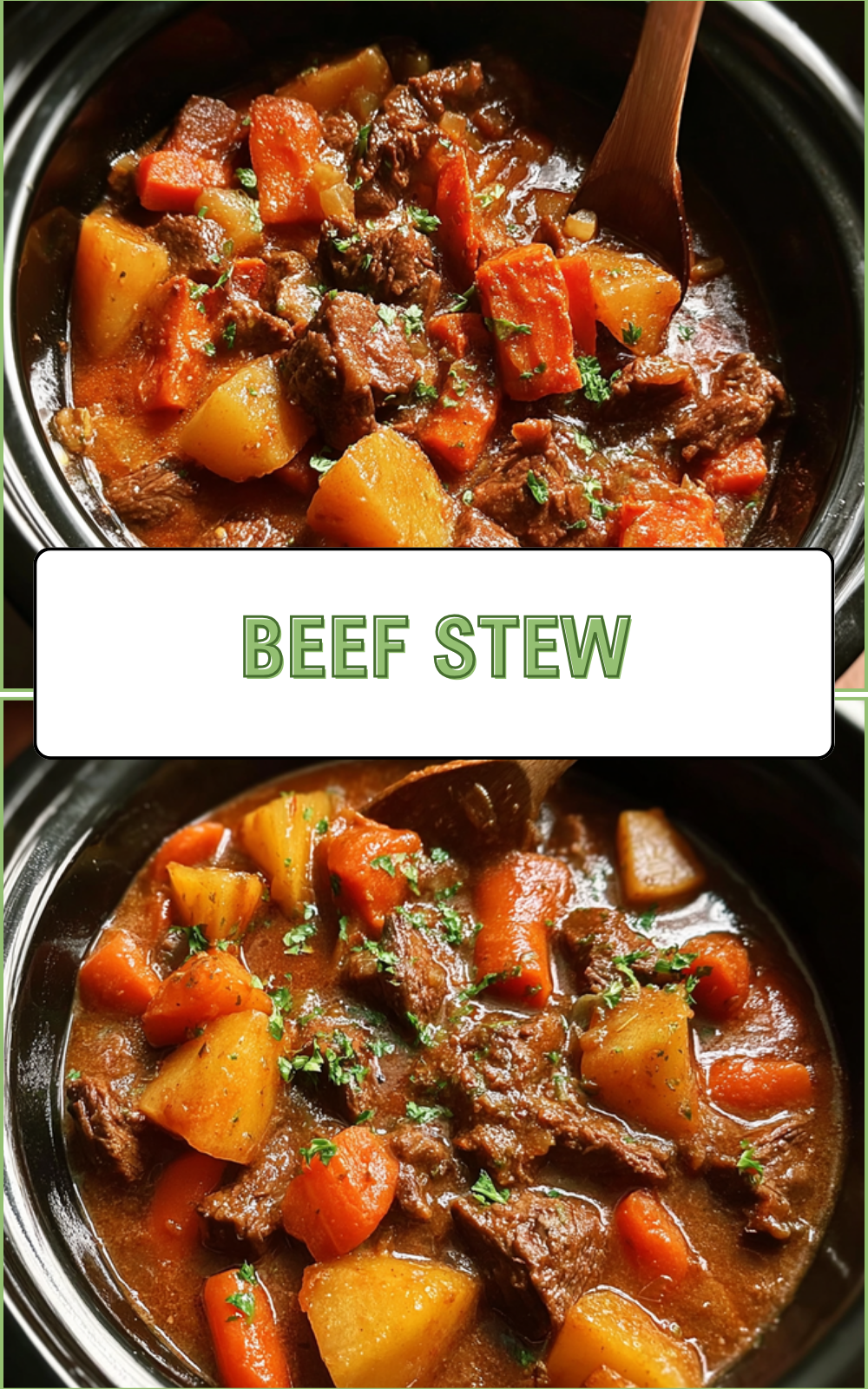
This beef stew stands out as a comforting classic that’s simple yet packed with flavor, making it a go-to for everyday meals. Its ease of preparation means you can have a hearty dinner ready with just basic steps and minimal active time, perfect for busy days. Enjoy the health benefits from nutrient-rich ingredients that deliver protein, vitamins, and essential minerals all in one pot.
Here are the main reasons this recipe will become a favorite in your kitchen. First, it’s remarkably simple to make, with basic prep work and a one-pot method that involves browning the meat, adding aromatics, and letting it simmer. Active hands-on time is about 20 to 30 minutes, and the total cooking time is around 1 hour 30 minutes for tender results, making it ideal for weeknight dinners or weekend gatherings. Beyond convenience, this beef stew offers great health benefits as a nutrient-packed meal, with lean beef providing high-quality protein, iron, and B vitamins, while vegetables like carrots, celery, and potatoes add fiber, vitamin A, vitamin C, and potassium.
Plus, you can adapt this recipe to fit various needs, such as using low-sodium broth for a heart-healthier option. The distinctive flavor comes from long simmering that enhances the savory beef notes, with touches like red wine and rosemary adding depth and warmth. This versatility and rich taste make it a flexible dish that scales well for any family size or occasion, from casual suppers to special events.
Jump to:
- Why You’ll Love This Beef Stew
- Essential Ingredients for Beef Stew
- How to Prepare the Perfect Beef Stew: Step-by-Step Guide
- First Step: Prep and Season
- Second Step: Browning the Beef
- Third Step: Building the Base
- Fourth Step: Simmering
- Fifth Step: Thickening and Finishing
- Dietary Substitutions to Customize Your Beef Stew
- Mastering Beef Stew: Advanced Tips and Variations
- How to Store Beef Stew: Best Practices
- FAQs: Frequently Asked Questions About Beef Stew
- How can I make my beef stew taste richer and more flavorful?
- What is the best method to thicken beef stew without changing its flavor?
- Can I freeze beef stew, and what’s the best way to reheat it?
- When should I add vegetables like peas or carrots during the cooking process?
- What should I do if the beef in my stew is still tough after cooking for an hour?
- Beef Stew
- Ingredients
- Instructions
- Last Step:
- Notes
- Nutrition
- Did you make this recipe?
Essential Ingredients for Beef Stew
Gathering the right ingredients is key to creating a delicious beef stew. This section lists everything you need, based on a reliable recipe that ensures tender meat and rich flavors. Let’s break it down into a clear, structured list for easy shopping and prep.
- 2 pounds stewing beef, trimmed and cubed
- 3 tablespoons flour
- 1/2 teaspoon garlic powder
- 1/2 teaspoon salt
- 1/2 teaspoon black pepper
- 3 tablespoons olive oil, more as needed
- 1 onion, chopped
- 6 cups beef broth
- 1/2 cup red wine (optional)
- 1 pound potatoes, peeled and cubed
- 4 carrots, cut into 1-inch pieces
- 4 ribs celery, cut into 1-inch pieces
- 3 tablespoons tomato paste
- 1 teaspoon dried rosemary or 1 sprig fresh
- 2 tablespoons cornstarch or as needed
- 2 tablespoons water or as needed
- 3/4 cup peas
These ingredients combine to make about 8 servings, with prep time of 20 minutes and cook time of 1 hour 10 minutes for a total of 1 hour 30 minutes. For special dietary options, you can swap beef for lamb or use vegetable stock to create a vegan version, but stick to the list above for the classic recipe.
How to Prepare the Perfect Beef Stew: Step-by-Step Guide
Follow these straightforward steps to make beef stew that’s full of tender meat and rich flavor. Start by getting your ingredients ready to keep things organized and smooth. The process builds layers of taste, from searing the beef to simmering everything together.
First Step: Prep and Season
Combine flour, garlic powder, salt, and pepper, then toss the 2 pounds of stewing beef in this mixture to season it well. This helps the beef brown nicely and adds body to the stew later, but for a gluten-free option, you can use cornstarch instead. Having everything chopped and measured ahead, like the onion and vegetables, makes the cooking flow easily and reduces mistakes in the kitchen, similar to tips shared in online discussions about searing techniques.
Second Step: Browning the Beef
Heat 3 tablespoons of olive oil in a large pot over medium-high heat and brown the beef in batches to avoid overcrowding. Remove the beef once it’s seared and set it aside; for more on perfect searing, check out this guide on how hard do you sear your beef cubes for stews. This step is crucial as it adds that rich caramelized flavor that makes the stew special. If needed, add more oil to keep things from sticking.
Third Step: Building the Base
Add the chopped onion to the pot and cook until it softens, about 3 minutes, adding more oil if the pot looks dry. Once the onion is ready, pour in 6 cups of beef broth and 1/2 cup of red wine if you’re using it, while scraping up those tasty brown bits from the bottom. This deglazing step enhances the flavor and sets the foundation for a hearty broth, making your stew even more delicious. Stir in the browned beef, cubed potatoes, carrots cut into 1-inch pieces, celery cut into 1-inch pieces, 3 tablespoons of tomato paste, and 1 teaspoon of dried rosemary or a fresh sprig.
Fourth Step: Simmering
Cover the pot and let the stew simmer over medium-low heat for 60 to 90 minutes, or until the beef is tender. This slow cooking breaks down the meat and melds the flavors together, resulting in a comforting meal. Keep an eye on it to ensure it doesn’t boil too vigorously, which could make the beef tough. For added variety, if you’re in the mood for a dessert to follow, try our apple crumble recipe from the blog.
Fifth Step: Thickening and Finishing
Make a slurry by mixing 2 tablespoons of cornstarch with 2 tablespoons of water, then slowly add it to the boiling stew to reach your desired thickness, letting it boil for 1-2 minutes. Stir in 3/4 cup of peas and simmer for another 5-10 minutes. Adjust the seasoning with salt and pepper to taste, ensuring every bite is just right. This final touch brings everything together for a stew that’s not too thin or too thick.

Dietary Substitutions to Customize Your Beef Stew
Making beef stew adaptable is easy with a few tweaks to suit different diets. You can change the protein or add alternative ingredients without losing that classic taste. Let’s look at some simple swaps to make this dish your own, keeping it nourishing and flavorful for everyone.
Protein and main component alternatives include using lamb shoulder for a rich result or lean cuts like sirloin for a lighter version. For chicken, swap in bone-in thighs and simmer for 45-60 minutes to keep it tender. If going vegan, replace beef with mixed mushrooms or tofu and use vegetable stock to maintain that umami depth, while seasoning with smoked paprika for extra flavor.
Vegetable, sauce, and seasoning modifications offer even more options. Swap in root veggies like parsnips for carrots or add summer picks like zucchini for variety. For thickening, use cornstarch instead of flour for gluten-free needs, and boost flavors with herbs or a splash of soy sauce. These changes help tailor the stew for low-sodium or keto diets, ensuring it’s as healthy as it is tasty.
Mastering Beef Stew: Advanced Tips and Variations
Taking your beef stew to the next level involves some pro techniques and creative twists. Choose marbled beef for the best texture and simmer low and slow to get that perfect tender bite. You can experiment with flavors from around the world to keep things exciting and fresh.
Pro cooking techniques like using a heavy pot for even heat or browning in batches really make a difference. Flavor variations include a French style with more wine and onions or a Southwestern take with spices like cumin. Presentation tips, such as serving in bowls with fresh herbs, can make your meal look as good as it tastes, and it’s great for meal prep since it stores well.
How to Store Beef Stew: Best Practices
Proper storage keeps your beef stew fresh and safe to eat later. Cool it quickly after cooking and follow these steps for the best results. This way, you can enjoy leftovers without any hassle, making it a smart choice for meal planning.
- Refrigerate in shallow containers within 2 hours and use within 3-4 days.
- Freeze in airtight bags, leaving space for expansion, and keep for up to 3 months.
- Reheat thawed stew to 165°F (74°C) on the stove or in the oven for even heating.
Consider freezing in individual portions for easy use, and always label with the date. For dietary variants, vegan versions store the same way, but handle plant-based proteins gently when reheating.
FAQs: Frequently Asked Questions About Beef Stew
How can I make my beef stew taste richer and more flavorful?
To boost the flavor of your beef stew, start by searing the beef pieces in a hot pan before adding liquids. This browns the meat, creating a deep caramelized crust that adds complexity to the stew. Additionally, cooking with aromatic vegetables like onions, garlic, and herbs such as thyme and bay leaves infuses the broth with savory notes. Using beef stock instead of water and allowing the stew to simmer slowly also helps develop a richer taste.
What is the best method to thicken beef stew without changing its flavor?
A simple way to thicken beef stew naturally is by dredging the beef pieces lightly in flour before browning them. The flour releases starch as the stew simmers, thickening the broth gently. You can also rely on starchy vegetables like potatoes to provide additional body. If extra thickness is needed, stir in a cornstarch slurry made from equal parts cornstarch and cold water during the last few minutes of cooking until it reaches your preferred consistency.
Can I freeze beef stew, and what’s the best way to reheat it?
Yes, beef stew freezes very well and maintains its flavor and texture when handled properly. Cool the stew completely before portioning it into airtight freezer bags or containers. Label and date the packages, then freeze for up to 3 months. To reheat, thaw the stew overnight in the fridge and warm it gently on the stove over low heat, stirring occasionally. Alternatively, microwave thawed portions, stirring midway to heat evenly.
When should I add vegetables like peas or carrots during the cooking process?
For vegetables like peas that cook quickly, add them during the last 5 to 10 minutes of simmering to prevent them from becoming mushy. Root vegetables such as carrots and potatoes require longer cooking times, so include them with the beef early in the simmer to ensure they become tender. This timing helps maintain texture and flavor balance throughout your beef stew.
What should I do if the beef in my stew is still tough after cooking for an hour?
If the beef remains tough after simmering for about 60 minutes, continue cooking the stew at low heat, covered, for an additional 15 to 20 minutes. Tough cuts often need gentle, extended cooking to break down connective tissues and become tender. Avoid boiling, which can make the meat dry; instead, keep the stew at a gentle simmer until the beef is easily pierced with a fork.
Beef Stew
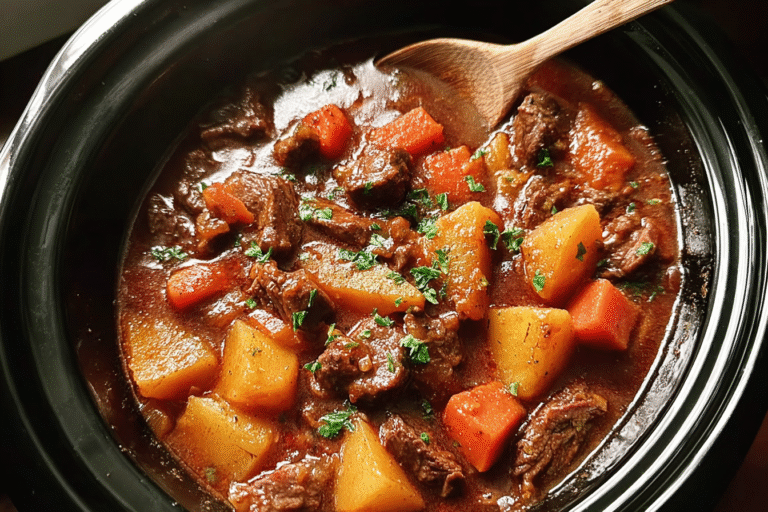
🍲 Beef Stew Recipe With Tender Meat and Rich Flavor in Easy Steps offers a comforting and hearty meal that is perfect for any season.
🍖 The slow-simmered beef becomes tender and infused with rich flavors, making it a classic dish that everyone will love.
- Total Time: 1 hour 30 minutes
- Yield: 8 servings
Ingredients
– 2 pounds stewing beef, trimmed and cubed
– 3 tablespoons flour
– 1/2 teaspoon garlic powder
– 1/2 teaspoon salt
– 1/2 teaspoon black pepper
– 3 tablespoons olive oil, more as needed
– 1 onion, chopped
– 6 cups beef broth
– 1/2 cup red wine (optional)
– 1 pound potatoes, peeled and cubed
– 4 carrots, cut into 1-inch pieces
– 4 ribs celery, cut into 1-inch pieces
– 3 tablespoons tomato paste
– 1 teaspoon dried rosemary or 1 sprig fresh
– 2 tablespoons cornstarch or as needed
– 2 tablespoons water or as needed
– 3/4 cup peas
Instructions
1-First Step: Prep and Season Combine flour, garlic powder, salt, and pepper, then toss the 2 pounds of stewing beef in this mixture to season it well. This helps the beef brown nicely and adds body to the stew later, but for a gluten-free option, you can use cornstarch instead. Having everything chopped and measured ahead, like the onion and vegetables, makes the cooking flow easily and reduces mistakes in the kitchen, similar to tips shared in online discussions about searing techniques.
2-Second Step: Browning the Beef Heat 3 tablespoons of olive oil in a large pot over medium-high heat and brown the beef in batches to avoid overcrowding. Remove the beef once it’s seared and set it aside; for more on perfect searing, check out this guide on how hard do you sear your beef cubes for stews. This step is crucial as it adds that rich caramelized flavor that makes the stew special. If needed, add more oil to keep things from sticking.
3-Third Step: Building the Base Add the chopped onion to the pot and cook until it softens, about 3 minutes, adding more oil if the pot looks dry. Once the onion is ready, pour in 6 cups of beef broth and 1/2 cup of red wine if you’re using it, while scraping up those tasty brown bits from the bottom. This deglazing step enhances the flavor and sets the foundation for a hearty broth, making your stew even more delicious. Stir in the browned beef, cubed potatoes, carrots cut into 1-inch pieces, celery cut into 1-inch pieces, 3 tablespoons of tomato paste, and 1 teaspoon of dried rosemary or a fresh sprig.
4-Fourth Step: Simmering Cover the pot and let the stew simmer over medium-low heat for 60 to 90 minutes, or until the beef is tender. This slow cooking breaks down the meat and melds the flavors together, resulting in a comforting meal. Keep an eye on it to ensure it doesn’t boil too vigorously, which could make the beef tough. For added variety, if you’re in the mood for a dessert to follow, try our apple crumble recipe from the blog.
5-Fifth Step: Thickening and Finishing Make a slurry by mixing 2 tablespoons of cornstarch with 2 tablespoons of water, then slowly add it to the boiling stew to reach your desired thickness, letting it boil for 1-2 minutes. Stir in 3/4 cup of peas and simmer for another 5-10 minutes. Adjust the seasoning with salt and pepper to taste, ensuring every bite is just right. This final touch brings everything together for a stew that’s not too thin or too thick.
Last Step:
Please leave a rating and comment letting us know how you liked this recipe! This helps our business to thrive and continue providing free, high-quality recipes for you.Notes
🔥 Searing the beef before simmering adds rich caramelized flavor.
🌱 Add peas in the last few minutes as they cook quickly.
🥔 The stew can be thickened naturally by mashing some vegetables or by using a cornstarch slurry.
💡 If using slurry, stir it well before adding and allow the stew to boil after adding to remove starchy taste.
🍄 Leftover vegetables such as green beans or mushrooms can be added to enhance flavor and nutrition.
⏲️ If beef is not tender after 60 minutes, continue simmering for another 15-20 minutes.
❄️ Freeze leftovers in individual portions; thaw overnight in the fridge or quickly in the microwave.
- Prep Time: 20 minutes
- Cook Time: 1 hour 10 minutes
- Category: Main Dish
- Method: Searing, simmering, thickening
- Cuisine: American
Nutrition
- Serving Size: 1 serving
- Calories: 444
- Sugar: 4 g
- Sodium: 383 mg
- Fat: 28 g
- Saturated Fat: 9 g
- Carbohydrates: 22 g
- Fiber: 4 g
- Protein: 25 g
- Cholesterol: 80 mg