
Why You’ll Love This Buttercream Icing
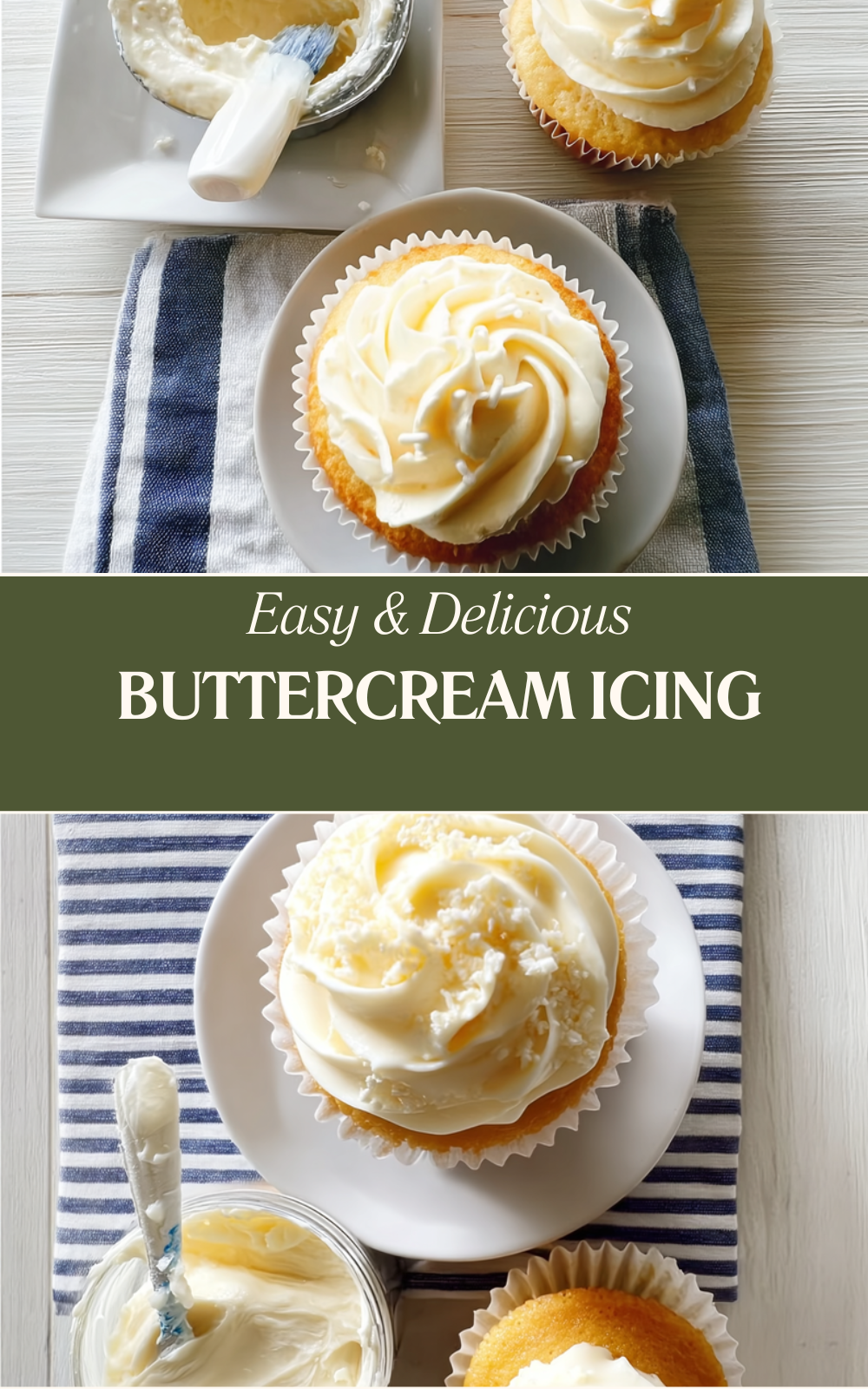
This buttercream icing recipe is a go-to for anyone who wants something simple yet delicious for their baking projects. You’ll appreciate how quick it comes together, using just a few everyday ingredients that you probably already have on hand. Not only is it easy to make, but it also brings a creamy texture that makes your cakes and cupcakes look and taste amazing.
First off, the ease of preparation is a big win. This buttercream icing is simple and quick to make, requiring minimal ingredients and basic kitchen utensils. It can be prepared in under 15 minutes, making it a perfect choice for last-minute decorating needs. Plus, with its straightforward steps, even if you’re new to baking, you’ll feel confident giving it a try.
Another reason to love it is the health benefits. Made with wholesome ingredients, this buttercream offers a better nutritional profile compared to traditional frostings. It uses healthier fats and natural sweeteners to promote wellness without sacrificing flavor. For instance, opting for unsalted butter helps control salt levels, keeping things balanced.
The versatility really stands out too. The recipe adapts easily to different dietary needs, including vegan, gluten-free, and low-calorie diets. This makes it accessible to a wide range of people with various preferences and restrictions. Finally, the distinctive flavor from fresh vanilla extract and premium butter creates a rich, creamy taste that sets this buttercream apart, delivering an unforgettable flavor experience.
Jump to:
- Why You’ll Love This Buttercream Icing
- Essential Ingredients for Buttercream Icing
- How to Prepare the Perfect Buttercream Icing: Step-by-Step Guide
- Adjusting for Consistency
- Final Touches and Storage
- Dietary Substitutions to Customize Your Buttercream Icing
- Mastering Buttercream Icing: Advanced Tips and Variations
- How to Store Buttercream Icing: Best Practices
- FAQs: Frequently Asked Questions About Buttercream Icing
- How do I make smooth and creamy American vanilla buttercream icing?
- Can I adjust the flavor of vanilla buttercream frosting with other extracts or spices?
- How should I store buttercream icing, and can it be prepared in advance?
- What is the best way to color buttercream without changing its texture?
- Does buttercream icing stay stable in warm conditions, and how can I prevent melting?
- Buttercream Icing
- Ingredients
- Instructions
- Last Step:
- Notes
- Nutrition
- Did you make this recipe?
Essential Ingredients for Buttercream Icing
When it comes to making buttercream icing, having the right ingredients makes all the difference. This recipe focuses on simple, high-quality items that blend together for a smooth and creamy result. To get started, let’s break down the key components you’ll need, based on a reliable recipe that’s perfect for home bakers.
Here is a structured list of all the ingredients required for this buttercream icing recipe. Each one is listed with its precise measurement to ensure you get the texture just right:
- 1 cup (16 tablespoons; 226 grams) unsalted butter, at room temperature
- 4 to 5 cups (480 to 600 grams) confectioners’ sugar, sifted if lumpy
- 1/4 cup (60 ml) heavy cream, half-and-half, or whole milk, at room temperature
- 2 teaspoons pure vanilla extract
- Salt, to taste
For special dietary options, you can make adjustments to fit your needs. If you’re going vegan, swap the unsalted butter for a plant-based alternative and use almond or oat milk instead of heavy cream. For gluten-free versions, remember that confectioners’ sugar is naturally gluten-free, but always check for any cross-contamination in your kitchen. For a lighter, low-calorie option, try using sugar substitutes or lighter margarine to cut down on calories without losing that creamy appeal. For more inspiration, check out our chocolate chip banana bread recipe, which pairs well with this icing.
How to Prepare the Perfect Buttercream Icing: Step-by-Step Guide
Creating the perfect buttercream icing is easier than you might think, and it starts with gathering your tools and ingredients. You’ll need a handheld or stand mixer with a paddle attachment, which helps get that smooth consistency every time. Follow these steps closely, and you’ll end up with a frosting that’s ideal for topping your favorite cakes or cupcakes.
First Step: Gather all ingredients, ensuring butter is at room temperature for easy mixing. This step is key because room-temperature butter whips up creamier and avoids lumps in your final product.
Second Step: Beat the butter on medium speed using a handheld or stand mixer with a paddle attachment until creamy, about 2 minutes. This builds a solid base for the rest of the ingredients to mix in smoothly.
Third Step: Gradually add 4 and 1/2 cups of confectioners’ sugar, the heavy cream, and vanilla extract. Beat on low speed for 30 seconds, then increase to medium-high speed and beat for 2 minutes. Taking it slow at first prevents a sugar cloud and ensures even blending.
Fourth Step: Taste the frosting and add approximately 1/8 teaspoon of salt if it’s too sweet. This simple tweak balances the flavors and makes the icing taste just right.
Adjusting for Consistency
Adjust consistency by adding up to 1/2 cup more confectioners’ sugar if too thin, or more heavy cream if too thick, one tablespoon at a time, beating between additions. Use immediately or store covered in the refrigerator for up to one week, or freeze in an airtight container for up to three months.Final Touches and Storage
After refrigeration or freezing, bring frosting to room temperature and beat with a splash of room-temperature cream or milk to restore smoothness. This recipe yields enough frosting for 12 to 16 cupcakes or a thin layer on a 9×13 inch cake, so adjust quantities as needed for your project. For more baking ideas that complement this icing, try our lemon blueberry muffins recipe, which adds a fresh twist.Remember, heavy cream gives the creamiest texture, while half-and-half or milk makes it lighter. Avoid over-whipping to prevent air bubbles; if they happen, mix gently by hand to smooth them out. This whole process takes about 5 minutes, making it a quick addition to your baking routine.

Dietary Substitutions to Customize Your Buttercream Icing
One of the best things about this buttercream icing is how flexible it is for different diets. Whether you’re avoiding dairy or watching your sugar intake, you can tweak the recipe to fit your lifestyle. Let’s look at some easy swaps that keep the icing tasty and inclusive.
For protein and main component alternatives, replace traditional dairy butter with margarine or coconut oil for vegan options. This keeps the creaminess without animal products. You can also use powdered egg replacer or aquafaba to enhance texture in a plant-based version.
When it comes to vegetable, sauce, and seasoning modifications, incorporate seasonal fruit purees like raspberry or mango for fun flavor variations. Swap vanilla extract for almond or peppermint extracts to change things up. Add natural sweeteners like maple syrup or agave nectar to suit dietary needs, ensuring everyone can enjoy a personalized treat.
This buttercream is super easy to whip up, and once you try it, you’ll wonder how you ever made cupcakes without it! It’s all about making baking fun and accessible for all.
Mastering Buttercream Icing: Advanced Tips and Variations
Once you’re comfortable with the basics, it’s time to level up your buttercream icing skills. These pro tips will help you create professional results right at home. Start by using a stand mixer for consistent mixing, and slowly incorporate sugar to avoid graininess for the smoothest finish.
Flavor variations are a great way to get creative. Experiment with citrus zest, espresso powder, or cocoa powder for unique flavors that surprise your taste buds. Gel food coloring is best for tinting without altering consistency, and it holds shape well for piping and decorating.
- Use piping bags with decorative nozzles for a professional presentation on your cakes.
- Prepare the buttercream a day in advance and refrigerate; whip again before use for perfect texture.
- For a crustier texture, replace some butter with shortening to make it more stable.
- Keep cakes cool to prevent frosting from melting, especially in warmer weather.
To achieve a bright white frosting, add a tiny drop of purple food coloring to counteract yellow tones. As an external resource, you might enjoy 7 Reasons Why Butter is Good For You, which highlights the benefits of quality ingredients like those in this recipe.
How to Store Buttercream Icing: Best Practices
Proper storage keeps your buttercream icing fresh and ready for when you need it. Whether you’re making it ahead or have leftovers, these tips will help maintain that creamy texture. Store buttercream in an airtight container for up to 3 days; let it come to room temperature and rewhip before use.
Freezing is another option: freeze in a sealed container for up to 2 months and thaw overnight in the refrigerator. Avoid direct heat when reheating; instead, soften at room temperature and rewhip gently. For meal prep, portion into small containers to make it easy to grab and use, while minimizing exposure to air for better freshness.
| Storage Method | Duration | Tips |
|---|---|---|
| Refrigeration | Up to 3 days | Re-whip after thawing |
| Freezing | Up to 2 months | Thaw in fridge and re-whip |
FAQs: Frequently Asked Questions About Buttercream Icing
How do I make smooth and creamy American vanilla buttercream icing?
To make smooth American vanilla buttercream, start by beating softened butter on medium speed until creamy, about 2-3 minutes. Gradually add sifted confectioners’ sugar and mix on low to combine. Next, add heavy cream or milk and vanilla extract, then increase to medium-high speed, whipping for 3-5 minutes until light and fluffy. Adjust the consistency by adding more sugar for thickness or cream for softness. A tiny pinch of salt helps balance the sweetness and enhance flavor.
Can I adjust the flavor of vanilla buttercream frosting with other extracts or spices?
Yes, you can customize vanilla buttercream by substituting part of the vanilla extract with other extracts like almond, peppermint, maple, or coconut—start with about ½ teaspoon of the new extract and 1 teaspoon vanilla. Ground spices such as cinnamon or nutmeg can also be added for warmth. Make flavor changes gradually and taste as you go to avoid overpowering the frosting.
How should I store buttercream icing, and can it be prepared in advance?
Buttercream can be made ahead and stored in an airtight container. Refrigerate for up to 3 days or freeze for up to 3 months. When ready to use, thaw in the refrigerator overnight if frozen. Before frosting, bring the buttercream to room temperature and beat it again with a splash of cream or milk to restore its creamy texture and smoothness.
What is the best way to color buttercream without changing its texture?
Use gel or paste food colorings to tint buttercream since they don’t thin or alter the consistency like liquid colors can. Add the coloring a little at a time with a toothpick and mix thoroughly until you reach your desired shade. For very white frosting, a drop of purple food coloring can neutralize yellow tones without affecting taste.
Does buttercream icing stay stable in warm conditions, and how can I prevent melting?
Buttercream is sensitive to heat and can soften or melt in warm environments since it’s butter-based. To keep it stable, store cakes in a cool place and serve soon after decorating. For warmer climates, consider using shortening in part of the butter to create a more heat-resistant crusting buttercream, or chill the cake before serving to maintain structure.
Buttercream Icing
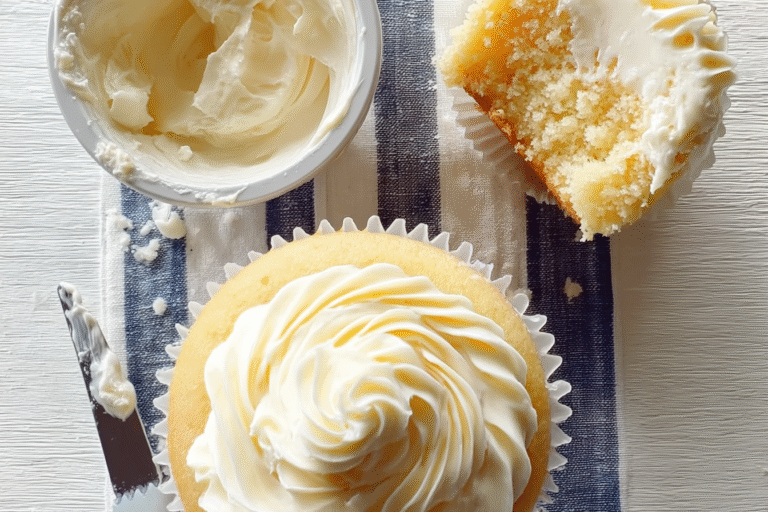
🧁 This Vanilla Buttercream Frosting offers a smooth and creamy texture that’s perfect for decorating cakes and cupcakes.
✨ Its rich, buttery flavor combines with vanilla for a classic frosting that complements any dessert beautifully.
- Total Time: 5 minutes
- Yield: Enough to frost 12 to 16 cupcakes or a thin layer on a 9×13 inch cake
Ingredients
1 cup (16 tablespoons; 226 grams) unsalted butter, at room temperature
4 to 5 cups (480 to 600 grams) confectioners’ sugar, sifted if lumpy
1/4 cup (60 ml) heavy cream, half-and-half, or whole milk, at room temperature
2 teaspoons pure vanilla extract
Salt, to taste
Instructions
First Step: Gather all ingredients, ensuring butter is at room temperature for easy mixing. This step is key because room-temperature butter whips up creamier and avoids lumps in your final product.
Second Step: Beat the butter on medium speed using a handheld or stand mixer with a paddle attachment until creamy, about 2 minutes. This builds a solid base for the rest of the ingredients to mix in smoothly.
Third Step: Gradually add 4 and 1/2 cups of confectioners’ sugar, the heavy cream, and vanilla extract. Beat on low speed for 30 seconds, then increase to medium-high speed and beat for 2 minutes. Taking it slow at first prevents a sugar cloud and ensures even blending.
Fourth Step: Taste the frosting and add approximately 1/8 teaspoon of salt if it’s too sweet. This simple tweak balances the flavors and makes the icing taste just right.
Adjusting for Consistency Adjust consistency by adding up to 1/2 cup more confectioners’ sugar if too thin, or more heavy cream if too thick, one tablespoon at a time, beating between additions. Use immediately or store covered in the refrigerator for up to one week, or freeze in an airtight container for up to three months.
Final Touches and Storage After refrigeration or freezing, bring frosting to room temperature and beat with a splash of room-temperature cream or milk to restore smoothness. This recipe yields enough frosting for 12 to 16 cupcakes or a thin layer on a 9×13 inch cake, so adjust quantities as needed for your project. For more baking ideas that complement this icing, try our lemon blueberry muffins recipe, which adds a fresh twist.
Last Step:
Please leave a rating and comment letting us know how you liked this recipe! This helps our business to thrive and continue providing free, high-quality recipes for you.Notes
🧈 Use unsalted butter to maintain control over salt levels.
🌡 Ensure butter and dairy are at room temperature for the smoothest texture.
🎨 Use gel food coloring for tinting without affecting consistency, and try flavor variations like peppermint or almond by substituting extracts.
- Prep Time: 5 minutes
- Category: Frosting, Dessert
- Method: Mixing, Beating
- Cuisine: American
- Diet: Vegetarian
Nutrition
- Serving Size: 2 tablespoons
- Calories: 120 kcal
- Sugar: 20 g
- Sodium: 20 mg
- Fat: 5 g
- Saturated Fat: 3 g
- Unsaturated Fat: 1.5 g
- Trans Fat: 0 g
- Carbohydrates: 22 g
- Fiber: 0 g
- Protein: 0 g
- Cholesterol: 15 mg