
Why You’ll Love This Butterscotch Pudding
Butterscotch pudding is that cozy treat that feels like a warm hug in a bowl, and this simple homemade version makes it easy to enjoy anytime. Imagine whipping up a dessert that’s ready in just a few steps, perfect for busy days when you want something special without the fuss. One key benefit is the ease of preparation, as this butterscotch pudding recipe takes only about 10 minutes of hands-on time, letting you create a silky, comforting dish quickly for weeknight dinners or last-minute guests.
Another reason you’ll adore this recipe is its potential health benefits; using ingredients like whole milk and dark brown sugar provides natural nutrients while offering a balance of creamy richness and subtle sweetness that feels indulgent yet mindful. This butterscotch pudding also shines in its versatility, adapting to various dietary needs, such as using half-and-half as a substitute for a lighter option, making it a flexible choice for home cooks and families. Finally, the distinctive flavor comes from the caramelized notes of dark brown sugar, delivering a depth that sets it apart from ordinary puddings and leaves you craving more butterscotch goodness every time.
To make this butterscotch pudding even more appealing, it’s a hit with baking enthusiasts who appreciate how it combines basic pantry staples into something magical. Whether you’re a student looking for a quick study snack or a working professional needing a simple dessert, this recipe fits right in. Give it a try and see how butterscotch pudding can elevate your everyday meals with its warm, inviting taste.
Jump to:
- Why You’ll Love This Butterscotch Pudding
- Essential Ingredients for Butterscotch Pudding
- How to Prepare the Perfect Butterscotch Pudding: Step-by-Step Guide
- First Step: Prepare Your Mixtures
- Second Step: Cook the Sugar Base
- Third Step: Combine and Boil
- Fourth Step: Temper the Eggs
- Fifth Step: Cook and Thickening
- Sixth Step: Cool and Chill
- Dietary Substitutions to Customize Your Butterscotch Pudding
- Protein and Main Component Alternatives
- Vegetable, Sauce, and Seasoning Modifications
- Mastering Butterscotch Pudding: Advanced Tips and Variations
- How to Store Butterscotch Pudding: Best Practices
- FAQs: Frequently Asked Questions About Butterscotch Pudding
- Butterscotch Pudding
- Ingredients
- Instructions
- Last Step:
- Notes
- Nutrition
- Did you make this recipe?
Essential Ingredients for Butterscotch Pudding
Gathering the right ingredients is the first step to crafting your butterscotch pudding, and each one plays a key role in creating that creamy, caramelized magic. Below, I’ll break down the main ingredients with their exact measurements and a quick explanation of why they’re important, based on the classic recipe we all love.
- 1 cup (240 ml) whole milk – This forms the base of the pudding, providing a rich, creamy texture that helps achieve the perfect consistency.
- 1 cup (240 ml) heavy cream or heavy whipping cream – Adds extra richness and helps the pudding thicken, ensuring a velvety finish that’s hard to resist.
- 4 large egg yolks – These bind the mixture and give the pudding its smooth, custard-like quality, making every bite feel luxurious.
- 2 tablespoons (18 g) cornstarch – Acts as a thickener to prevent the pudding from being too runny, helping it set up nicely in the fridge.
- 1 cup (220 g, packed) dark brown sugar – Provides the signature butterscotch flavor with its deep, caramelized sweetness; it’s what makes this pudding stand out.
- 1/4 cup (60 ml) water – Helps dissolve the sugar and creates the caramel base, ensuring even cooking without burning.
- 1/4 teaspoon (1.5 g) salt – Balances the sweetness and enhances the overall flavor, making the butterscotch taste more complex and satisfying.
- 2 tablespoons (28 g) unsalted butter, softened to room temperature – Adds a buttery richness that rounds out the flavor and gives the pudding its smooth finish.
- 1 teaspoon (5 ml) pure vanilla extract – Infuses a warm, aromatic note that complements the butterscotch and makes the dessert feel homemade.
- Optional: 1 tablespoon (15 ml) Scotch, rum, or bourbon – This can add a subtle adult twist for extra depth, though it’s easy to leave out for a non-alcoholic version.
- Optional Toppings: Whipped cream, fresh berries, toffee bits – These elevate your serving with added texture and flavor, turning a simple pudding into a fancy treat.
For special dietary options, let’s look at some easy swaps. If you’re going vegan, try using plant-based milk and cream alternatives, like almond milk and coconut cream, to keep the creaminess without dairy. For gluten-free needs, this recipe is naturally gluten-free as long as you check your cornstarch. If you’re watching calories, opt for low-fat milk instead of whole milk to lighten things up while still enjoying butterscotch pudding’s charm.
How to Prepare the Perfect Butterscotch Pudding: Step-by-Step Guide
Making butterscotch pudding at home is a fun and rewarding process that brings out the best in simple ingredients. This guide walks you through each step with clear instructions, ensuring your pudding turns out silky and delicious every time. We’ll cover timing and temperatures to help you avoid common pitfalls, like scrambling the eggs, while adapting for different preferences along the way.
First Step: Prepare Your Mixtures
Start by gathering all your ingredients to make the process smooth. In a bowl, whisk together 1 cup (240 ml) whole milk and 1 cup (240 ml) heavy cream; set this aside as your base mixture. In another bowl, whisk the 4 large egg yolks with 2 tablespoons (18 g) cornstarch until it’s completely smooth; this helps thicken the pudding later. For those with dietary tweaks, if you’re using a plant-based milk, note that it might make the texture a bit lighter, so adjust as needed for the best results.
Second Step: Cook the Sugar Base
Now, combine 1 cup (220 g, packed) dark brown sugar, 1/4 cup (60 ml) water, and 1/4 teaspoon (1.5 g) salt in a medium saucepan. Cook this over medium heat without stirring until it bubbles and darkens, which takes about 5-6 minutes or until it reaches 240°F (116°C) on a candy thermometer. This step caramelizes the sugar, creating that iconic butterscotch flavor; if you prefer a milder taste, keep an eye on the heat to prevent over-browning, especially for diet-conscious folks wanting a gentler version.
Third Step: Combine and Boil
Slowly whisk the milk and cream mixture into the hot sugar in the saucepan it might sizzle a bit, which is normal. Bring everything to a boil over medium heat, stirring gently to blend the flavors. This step is crucial for developing the pudding’s creamy texture; for variations, if you’re making this for seniors who prefer milder flavors, consider reducing the sugar slightly here. Internal link: For more ideas on quick desserts, check out our baked oatmeal cups recipe for a complementary treat.
Fourth Step: Temper the Eggs
Carefully measure out 1/2 cup (120 ml) of the hot mixture and gradually whisk it into the egg yolk mixture to temper the eggs and avoid scrambling. This slow addition is key to keeping the pudding smooth; once tempered, pour it back into the saucepan while whisking constantly. If you’re adapting for busy parents, this method ensures you can multitask without worry, and for egg allergies, note that substitutes like flax eggs might change the texture slightly.
Fifth Step: Cook and Thickening
Reduce the heat to low and cook, stirring constantly, for about 1 minute until the pudding thickens noticeably. Remove from heat, then stir in 2 tablespoons (28 g) softened unsalted butter until it melts and the mixture is glossy. Next, add 1 teaspoon (5 ml) pure vanilla extract and the optional 1 tablespoon (15 ml) Scotch if you’re using it; this is a great spot to experiment with flavors for food enthusiasts. External link: To learn more about the benefits of using ingredients like brown sugar, visit this resource on brown sugar for added insights.
Sixth Step: Cool and Chill
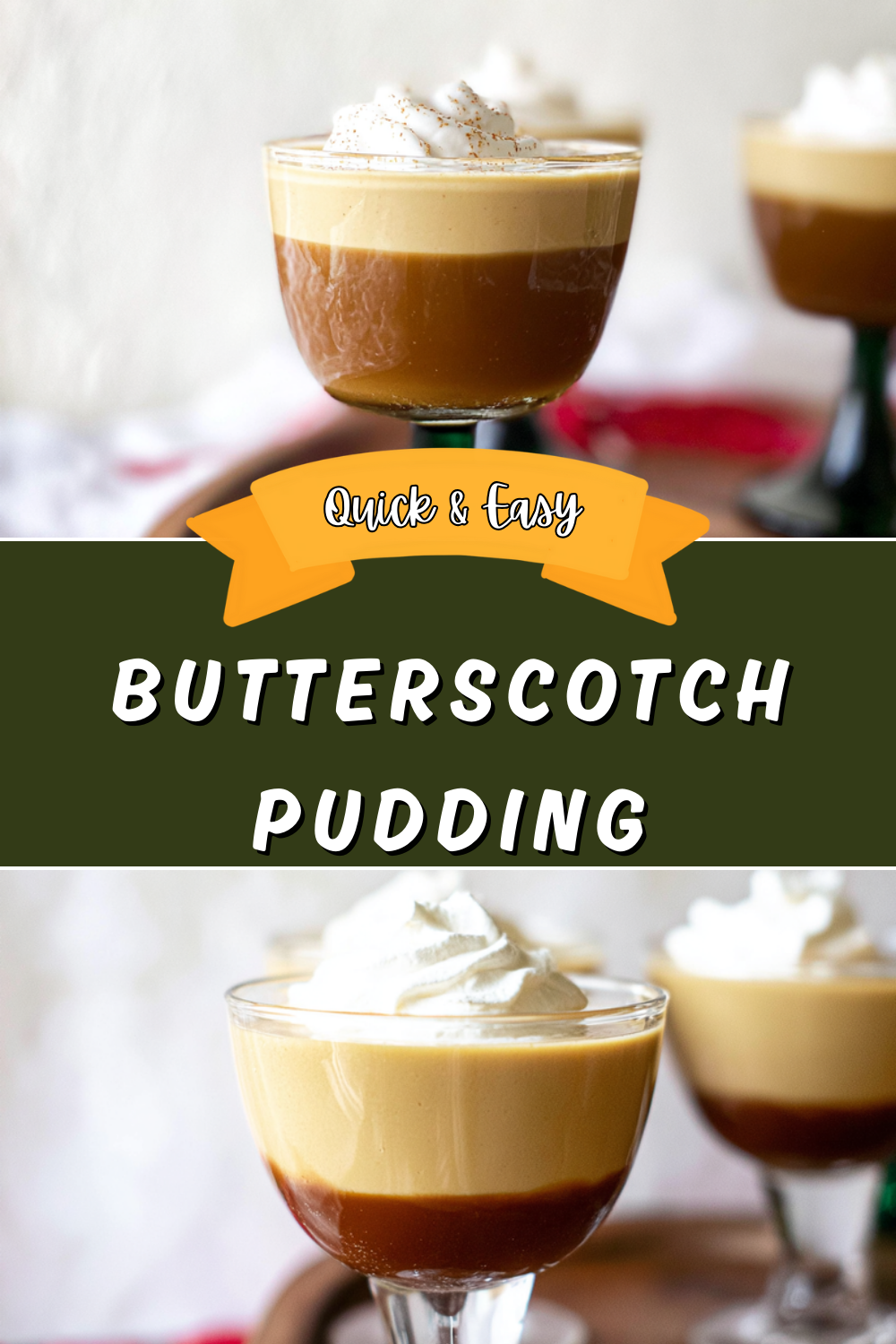
Let the pudding cool for 5 minutes, then pour it into serving glasses. Place plastic wrap directly on the surface to prevent a skin from forming, and refrigerate for 4-6 hours or overnight until it’s fully set. Finally, serve it cold with optional toppings like whipped cream or fresh berries. This butterscotch pudding keeps well, making it ideal for travelers or newlyweds planning ahead, and you can double the recipe for larger groups as noted.

Dietary Substitutions to Customize Your Butterscotch Pudding
Protein and Main Component Alternatives
Swapping ingredients can make your butterscotch pudding fit various diets while keeping that beloved taste. For example, if you’re avoiding dairy, replace whole milk and heavy cream with almond milk or oat milk to maintain creaminess without the lactose. Egg yolks are the main binder, so for vegan options, try a cornstarch slurry as a direct substitute to keep the pudding thick and smooth for those with allergies.
Vegetable, Sauce, and Seasoning Modifications
While butterscotch pudding doesn’t rely on veggies, you can tweak seasonings for a fresher twist, like adding a hint of cinnamon for seasonal flair. For sauces, if you want a lighter version, reduce the brown sugar or use a sugar alternative to cut calories. This makes it adaptable for diet-conscious individuals, ensuring everyone enjoys their butterscotch pudding customized to their preferences.
Mastering Butterscotch Pudding: Advanced Tips and Variations
Taking your butterscotch pudding to the next level involves some pro techniques that can enhance the results. First, always use a candy thermometer for precise cooking, as it helps hit that 240°F mark without guesswork, leading to a perfectly caramelized flavor. Another tip is to stir constantly during the thickening phase to avoid lumps, making your pudding extra smooth for baking enthusiasts.
For flavor variations, experiment by adding spices like nutmeg for a cozy twist or swapping the optional alcohol for coffee liqueur to create a grown-up version. Presentation tips include layering the pudding with crushed cookies or fresh fruit in glasses for a stunning dessert that impresses at parties. If you’re a busy parent, consider make-ahead options like preparing the base in advance and chilling it overnight to save time.
| Technique | Benefit |
|---|---|
| Use fresh vanilla | Enhances aroma and taste |
| Double the recipe | Perfect for gatherings |
These variations keep things exciting, whether you’re a student trying new flavors or a working professional hosting events.
How to Store Butterscotch Pudding: Best Practices
Proper storage keeps your butterscotch pudding fresh and tasty for days. For refrigeration, cover the pudding tightly with plastic wrap and store in the fridge for up to 4 days, maintaining its creamy texture without any off flavors. Freezing works well for longer storage; portion it into airtight containers and freeze for up to 2 months, then thaw in the fridge overnight.
When reheating, gently warm in the microwave or on the stovetop with a splash of milk to restore creaminess, ensuring it’s safe and delicious. For meal prep, make a big batch on the weekend and store in individual servings, which is ideal for travelers or seniors wanting easy access. These methods help butterscotch pudding stay a go-to treat without waste.
FAQs: Frequently Asked Questions About Butterscotch Pudding
Print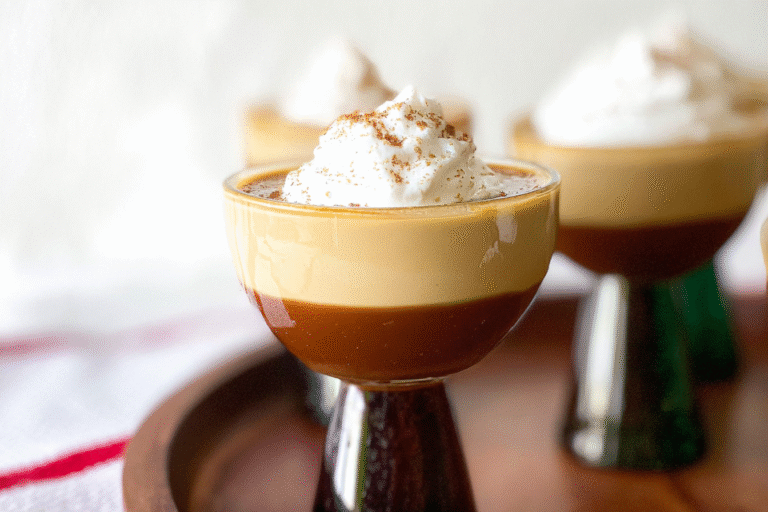
Butterscotch Pudding
🍮 This creamy butterscotch pudding delivers the perfect balance of rich caramel flavor with silky smooth texture that makes it the ultimate comfort dessert everyone will love.
🥄 Perfect for special occasions or everyday treats, this homemade pudding offers that classic diner taste with a beautiful golden color that’s impossible to resist.
- Total Time: 4 hours 10 minutes
- Yield: 4 servings
Ingredients
– 1 cup whole milk forms the base of the pudding, providing a rich, creamy texture that helps achieve the perfect consistency
– 1 cup heavy cream or heavy whipping cream adds extra richness and helps the pudding thicken, ensuring a velvety finish that’s hard to resist
– 4 large egg yolks bind the mixture and give the pudding its smooth, custard-like quality, making every bite feel luxurious
– 2 tablespoons cornstarch acts as a thickener to prevent the pudding from being too runny, helping it set up nicely in the fridge
– 1 cup dark brown sugar provides the signature butterscotch flavor with its deep, caramelized sweetness; it’s what makes this pudding stand out
– 1/4 cup water helps dissolve the sugar and creates the caramel base, ensuring even cooking without burning
– 1/4 teaspoon salt balances the sweetness and enhances the overall flavor, making the butterscotch taste more complex and satisfying
– 2 tablespoons unsalted butter, softened to room temperature adds a buttery richness that rounds out the flavor and gives the pudding its smooth finish
– 1 teaspoon pure vanilla extract infuses a warm, aromatic note that complements the butterscotch and makes the dessert feel homemade
– 1 tablespoon Scotch, rum, or bourbon can add a subtle adult twist for extra depth, though it’s easy to leave out for a non-alcoholic version
Instructions
1-First Step: Prepare Your Mixtures
Start by gathering all your ingredients to make the process smooth. In a bowl, whisk together 1 cup (240 ml) whole milk and 1 cup (240 ml) heavy cream; set this aside as your base mixture. In another bowl, whisk the 4 large egg yolks with 2 tablespoons (18 g) cornstarch until it’s completely smooth; this helps thicken the pudding later. For those with dietary tweaks, if you’re using a plant-based milk, note that it might make the texture a bit lighter, so adjust as needed for the best results.
2-Second Step: Cook the Sugar Base
Now, combine 1 cup (220 g, packed) dark brown sugar, 1/4 cup (60 ml) water, and 1/4 teaspoon (1.5 g) salt in a medium saucepan. Cook this over medium heat without stirring until it bubbles and darkens, which takes about 5-6 minutes or until it reaches 240°F (116°C) on a candy thermometer. This step caramelizes the sugar, creating that iconic butterscotch flavor; if you prefer a milder taste, keep an eye on the heat to prevent over-browning, especially for diet-conscious folks wanting a gentler version.
3-Third Step: Combine and Boil
Slowly whisk the milk and cream mixture into the hot sugar in the saucepan it might sizzle a bit, which is normal. Bring everything to a boil over medium heat, stirring gently to blend the flavors. This step is crucial for developing the pudding’s creamy texture; for variations, if you’re making this for seniors who prefer milder flavors, consider reducing the sugar slightly here. Internal link: For more ideas on quick desserts, check out our baked oatmeal cups recipe for a complementary treat.
4-Fourth Step: Temper the Eggs
Carefully measure out 1/2 cup (120 ml) of the hot mixture and gradually whisk it into the egg yolk mixture to temper the eggs and avoid scrambling. This slow addition is key to keeping the pudding smooth; once tempered, pour it back into the saucepan while whisking constantly. If you’re adapting for busy parents, this method ensures you can multitask without worry, and for egg allergies, note that substitutes like flax eggs might change the texture slightly.
5-Fifth Step: Cook and Thickening
Reduce the heat to low and cook, stirring constantly, for about 1 minute until the pudding thickens noticeably. Remove from heat, then stir in 2 tablespoons (28 g) softened unsalted butter until it melts and the mixture is glossy. Next, add 1 teaspoon (5 ml) pure vanilla extract and the optional 1 tablespoon (15 ml) Scotch if you’re using it; this is a great spot to experiment with flavors for food enthusiasts. External link: To learn more about the benefits of using ingredients like brown sugar, visit this resource on brown sugar for added insights.
6-Sixth Step: Cool and Chill
Let the pudding cool for 5 minutes, then pour it into serving glasses. Place plastic wrap directly on the surface to prevent a skin from forming, and refrigerate for 4-6 hours or overnight until it’s fully set. Finally, serve it cold with optional toppings like whipped cream or fresh berries. This butterscotch pudding keeps well, making it ideal for travelers or newlyweds planning ahead, and you can double the recipe for larger groups as noted.
Last Step:
Please leave a rating and comment letting us know how you liked this recipe! This helps our business to thrive and continue providing free, high-quality recipes for you.Notes
🍮 Use dark brown sugar for the best flavor and color – light brown sugar won’t give you that rich caramel taste and beautiful golden hue.
🥄 Temper the eggs properly with the hot liquid – this crucial step prevents scrambling and ensures silky smooth pudding texture.
⏰ Place plastic wrap directly on the pudding surface – this prevents skin formation and guarantees that perfect creamy consistency.
- Prep Time: 10 minutes
- Chill Time: 4 hours
- Cook Time: 10 minutes
- Category: Dessert
- Method: Stovetop
- Cuisine: American
- Diet: Contains dairy
Nutrition
- Serving Size: 1 serving
- Calories: 380
- Sugar: 35
- Sodium: 200
- Fat: 15
- Saturated Fat: 9
- Unsaturated Fat: 5
- Trans Fat: 0.5
- Carbohydrates: 45
- Fiber: 0.5
- Protein: 6
- Cholesterol: 120