
Why You’ll Love This Homemade Mayonnaise
I know how exciting it is to make something simple at home that tastes better than what you buy at the store. This homemade mayonnaise recipe is incredibly easy, using just a few basic ingredients and a quick mix, so you can whip it up in minutes without any fuss. Plus, it brings all the health benefits of fresh ingredients, skipping the preservatives and additives in packaged options, which makes it a smarter choice for your daily meals. Whether you’re adding it to sandwiches or dipping veggies, this mayo’s fresh flavor and creamy texture will make every bite feel special.
One thing that really stands out is how versatile it is for different needs. For instance, it’s great for busy parents who want a quick fix for lunch boxes or students looking for a budget-friendly condiment. Food enthusiasts might enjoy tweaking it for new flavors, while diet-conscious folks appreciate that it’s made from wholesome parts. If you’re a traveler packing homemade snacks or a newlywed starting kitchen adventures, this recipe fits right in and helps turn ordinary days into tasty ones.
Key Benefits at a Glance
- It takes only about 10 minutes to prepare, perfect for anyone with a packed schedule.
- Made with natural ingredients, it supports wellness by avoiding artificial stuff.
- You can adapt it for vegan or gluten-free options, making it ideal for various diets.
- The rich taste adds a fun twist to dishes, from salads to burgers.
To learn more about emulsification, which is key to this recipe’s success, check out this helpful guide on what is emulsification and how does it work.
Jump to:
- Why You’ll Love This Homemade Mayonnaise
- Key Benefits at a Glance
- Essential Ingredients for Homemade Mayonnaise
- Full Ingredient List
- How to Prepare the Perfect Homemade Mayonnaise: Step-by-Step Guide
- Step-by-Step Directions
- Dietary Substitutions to Customize Your Homemade Mayonnaise
- Simple Swaps for Everyone
- Mastering Homemade Mayonnaise: Advanced Tips and Variations
- Helpful Hints for Success
- How to Store Homemade Mayonnaise: Best Practices
- Storage Dos and Don’ts
- FAQs: Frequently Asked Questions About Homemade Mayonnaise
- How long can homemade mayonnaise be kept in the refrigerator?
- What type of oil is best for making mayonnaise at home?
- Can I use raw eggs safely when preparing mayonnaise?
- What should I do if my homemade mayonnaise breaks or separates?
- How can I adjust the thickness if my homemade mayonnaise is too runny or too thick?
- Homemade Mayonnaise
- Ingredients
- Instructions
- Last Step:
- Notes
- Nutrition
- Did you make this recipe?
Essential Ingredients for Homemade Mayonnaise
Getting the ingredients right is the first step to nailing this homemade mayonnaise. I always make sure to pick fresh items because they make all the difference in the final texture and taste. Below, you’ll find a complete list of everything needed, pulled straight from the recipe, so you can measure out each part without any guesswork.
Full Ingredient List
- 1 large whole egg
- 1 tablespoon Dijon mustard
- 1 tablespoon red wine vinegar or white wine vinegar
- 1/4 teaspoon fine sea salt, or more to taste
- 1 cup (240ml) mild-flavored oil (such as safflower oil, vegetable oil, sunflower oil, or a combination including light fruity olive oil)
- 1 teaspoon fresh lemon juice (optional)
This list covers all the basics, and it’s easy to see why each one matters for example, the egg helps create that smooth creaminess, while the oil gives it body. If you’re watching your diet, you can swap things around, like using aquafaba for a vegan version, but I’ll cover that more later.
How to Prepare the Perfect Homemade Mayonnaise: Step-by-Step Guide
Let’s dive into making this homemade mayonnaise, which is as straightforward as it gets. First, gather your ingredients at room temperature to help everything blend smoothly, just like in the recipe summary. I love how quick this is only about 10 minutes from start to finish so even if you’re new to cooking, you’ll feel confident.
Start by choosing your method, whether it’s a food processor, immersion blender, or just a whisk. Each way keeps things simple and reliable. Remember, the key is to add the oil slowly to get that perfect creamy texture without any lumps.
Step-by-Step Directions
- Use a small bowl attachment for a food processor if you have one, or go with an immersion blender in a tall jar for ease.
- For the food processor method: Add the egg and process for 20 seconds, then add mustard, vinegar, and salt and process for another 20 seconds. Scrape the sides, turn it on, and slowly drizzle in the oil drop by drop at first.
- Once it thickens, keep adding the oil in a steady stream until it’s all mixed in, then process for 10 more seconds and taste to adjust with salt or lemon juice.
- If using an immersion blender: Put the egg, mustard, vinegar, salt, and lemon juice into the jar, pour the oil on top, and blend at the bottom until it starts to thicken after 15-30 seconds. Then, move the blender up and down to fully incorporate everything.
- For the hand whisk method: Whisk the egg, mustard, vinegar, and salt in a bowl until blended, then add the oil drop by drop while whisking constantly until it thickens, followed by the rest in a thin stream.
- Finally, taste and adjust the seasoning, then store it in the fridge for at least an hour to let the flavors settle.
This yields about 1 cup, and it’s fun to see how the nutritional info per tablespoon includes 126 calories and 14g of fat, making it a tasty addition to meals. For inspiration on other recipes, try this link to a spicy margarita recipe that pairs well with homemade dips.

Dietary Substitutions to Customize Your Homemade Mayonnaise
One of the best parts about this homemade mayonnaise is how you can tweak it for your needs. If you’re vegan, swapping the egg for aquafaba keeps that creamy feel without any hassle. I often experiment with these changes to make it work for different meals, and it’s surprising how easy it is.
Simple Swaps for Everyone
- Replace the egg with aquafaba for a plant-based option that still emulsifies well.
- Use silken tofu as another creamy alternative if you’re avoiding eggs.
- Swap lemon juice with apple cider vinegar or lime juice to change the tang.
- Add herbs like dill or spices such as smoked paprika to mix up the flavors.
These adjustments help keep the recipe gluten-free or low-calorie, so it’s perfect for busy parents or health-focused folks. Remember, the goal is to make it your own while keeping that smooth texture.
Mastering Homemade Mayonnaise: Advanced Tips and Variations
Once you’re comfortable with the basics, it’s time to level up your homemade mayonnaise game. Using an immersion blender at a low speed helps create a stable mix, and adding flavors like roasted garlic can turn it into something special. I enjoy trying these tips because they make cooking feel more creative and rewarding.
For instance, if you add 4-5 roasted garlic cloves before blending, you get a delicious twist that’s great for dips. You can also mix in fresh herbs or spices to match your meal. If things go wrong, like if the mayo breaks, just start with a fresh egg yolk and slowly blend in the mixture to fix it.
Helpful Hints for Success
| Tips | Benefits |
|---|---|
| Use fresh, pasteurized eggs | Ensures safety and better taste |
| Choose mild oils | Keeps flavors balanced |
| Adjust consistency with water | Makes it just right if too thick |
This section also covers storage keep it in the fridge for up to 2 weeks and recommended tools like a food processor for less effort.
How to Store Homemade Mayonnaise: Best Practices
Storing your homemade mayonnaise properly keeps it fresh and safe to eat. Put it in a sealed container in the fridge for up to one week, and always check for any off smells or changes before using it. I find that labeling the date helps when you’re prepping meals ahead.
Storage Dos and Don’ts
- Refrigerate immediately after making to prevent spoilage.
- Avoid freezing, as it can make the texture go wrong.
- Serve it cold for the best flavor and safety.
- Store in smaller portions if you’re making batches to keep things fresh longer.
The nutritional breakdown per tablespoon, like 126 calories and 0g carbs, reminds us it’s a simple add-on to meals. For more on egg safety, visit what you need to know about egg safety.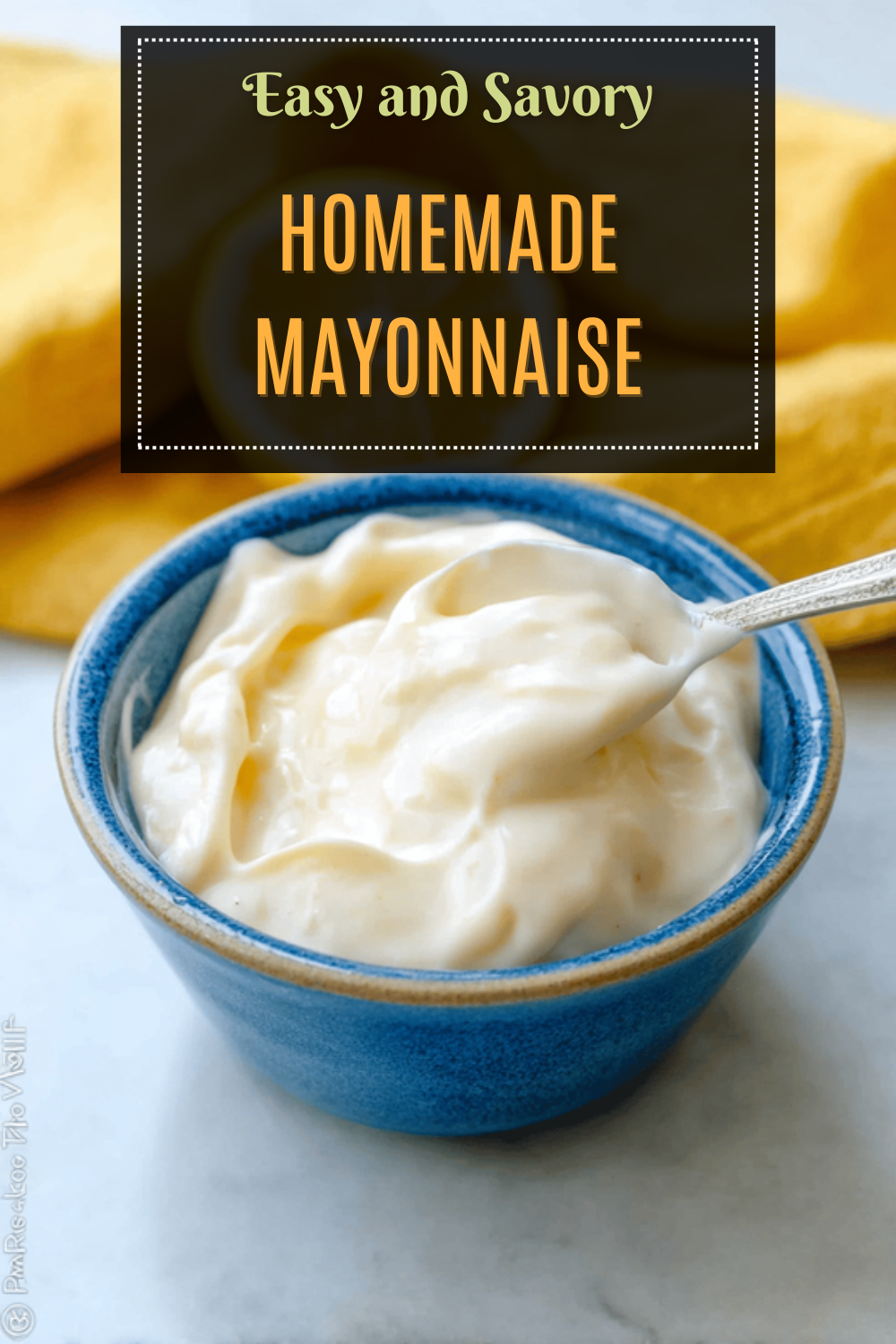
FAQs: Frequently Asked Questions About Homemade Mayonnaise
How long can homemade mayonnaise be kept in the refrigerator?
Homemade mayonnaise should be stored in a clean, airtight container in the refrigerator and is best used within 1 to 2 weeks. Because it contains fresh eggs and no preservatives, keeping it cold helps prevent bacterial growth. Always check for any changes in smell, texture, or color before use to ensure freshness.
What type of oil is best for making mayonnaise at home?
Neutral-flavored oils like sunflower, canola, or grapeseed oil are ideal for homemade mayonnaise to allow the egg and vinegar flavors to shine. You can use light olive oil but it’s best to substitute only half of the oil with it to avoid a strong olive taste. Avoid strong or unrefined oils that can overpower the mayonnaise flavor.
Can I use raw eggs safely when preparing mayonnaise?
Yes, but it is safest to use fresh, pasteurized eggs to reduce the risk of foodborne illness from raw eggs. Make sure eggs are clean, refrigerated, and have intact shells. If you have concerns about using raw eggs, look for pasteurized eggs at your grocery store or use recipes with cooked egg yolks.
What should I do if my homemade mayonnaise breaks or separates?
If your mayonnaise breaks, don’t discard it. Clean your mixing bowl thoroughly and start a new egg yolk with a teaspoon of vinegar or lemon juice. Slowly whisk the broken mayonnaise into this base, adding it gradually as you would the oil when originally making it. This method helps re-emulsify the sauce and restore its creamy texture.
How can I adjust the thickness if my homemade mayonnaise is too runny or too thick?
If your mayonnaise is too thin, add oil very slowly while blending to thicken it, taking care not to add too much at once to avoid breaking the emulsion. If it’s too thick, add cold water one teaspoon at a time during blending until you reach the desired consistency. Gradual adjustments help maintain the smooth texture.

Homemade Mayonnaise
🍳 Homemade Mayonnaise Recipe That Always Turns Out Perfect ensures a creamy, smooth mayo with simple ingredients for delicious homemade flavor.
🥄 Perfect for sandwiches, dressings, and dips, this easy recipe lets you control the ingredients and customize flavors.
- Total Time: 10 minutes
- Yield: Approximately 1 cup
Ingredients
– 1 large whole egg
– 1 tablespoon Dijon mustard
– 1 tablespoon red wine vinegar or white wine vinegar
– 1/4 teaspoon fine sea salt, or more to taste
– 1 cup (240ml) mild-flavored oil (such as safflower oil, vegetable oil, sunflower oil, or a combination including light fruity olive oil)
– 1 teaspoon fresh lemon juice (optional)
Instructions
1- Use a small bowl attachment for a food processor if you have one, or go with an immersion blender in a tall jar for ease.
2-For the food processor method: Add the egg and process for 20 seconds, then add mustard, vinegar, and salt and process for another 20 seconds. Scrape the sides, turn it on, and slowly drizzle in the oil drop by drop at first.
3- Once it thickens, keep adding the oil in a steady stream until it’s all mixed in, then process for 10 more seconds and taste to adjust with salt or lemon juice.
4-If using an immersion blender: Put the egg, mustard, vinegar, salt, and lemon juice into the jar, pour the oil on top, and blend at the bottom until it starts to thicken after 15-30 seconds. Then, move the blender up and down to fully incorporate everything.
5-For the hand whisk method: Whisk the egg, mustard, vinegar, and salt in a bowl until blended, then add the oil drop by drop while whisking constantly until it thickens, followed by the rest in a thin stream.
6- Finally, taste and adjust the seasoning, then store it in the fridge for at least an hour to let the flavors settle.
Last Step:
Please leave a rating and comment letting us know how you liked this recipe! This helps our business to thrive and continue providing free, high-quality recipes for you.Notes
🥚 Use fresh, properly refrigerated pasteurized grade A or AA eggs for safety and quality.
🌿 Choose a mild-flavored oil you enjoy; light fruity olive oil can be used partially for flavor.
🛠️ Fix broken mayo by starting with a fresh egg yolk and vinegar in a clean bowl, then slowly blending in the broken mayo.
- Prep Time: 10 minutes
- Category: Condiment
- Method: Blending, Whisking
- Cuisine: Universal
- Diet: Gluten-Free, Vegetarian
Nutrition
- Serving Size: 1 tablespoon
- Calories: 126
- Sugar: 0g
- Fat: 14g
- Saturated Fat: 1g
- Carbohydrates: 0g
- Fiber: 0g
- Protein: 0g
- Cholesterol: 12mg