
Why You’ll Love This Italian Penicillin Soup
This Italian Penicillin Soup is a comforting classic that’s perfect for chasing away colds and boosting your spirits. Imagine a hearty blend of vegetables, chicken, and tiny pastina pasta coming together to create a nourishing meal that feels like a warm hug on a chilly day. With its simple preparation and incredible health perks, it’s no wonder this soup has become a go-to remedy in many kitchens.
Ease of Preparation
Whipping up this Italian Penicillin Soup takes just a short time, making it ideal for busy days. You can have everything ready in about 55 minutes total, with most steps involving straightforward chopping and simmering in one pot. This approach keeps things simple for home cooks of all skill levels, turning it into an easy win for quick lunches or dinners.
Health Benefits
The soup’s mix of garlic, carrots, and other fresh veggies delivers a punch of vitamins that support your immune system. For instance, the vitamin C from the vegetables and the protein from chicken help fight off illness. Many folks find it as helpful as a natural remedy, blending elements like these for daily wellness without the heaviness of cream-based options.
Versatility
This Italian Penicillin Soup adapts easily to different needs, letting you swap ingredients based on what you have or prefer. You can make it vegan by using vegetable stock and beans, or go gluten-free with the right pasta choices. This flexibility makes it a fun recipe to tweak for various diets or tastes.
Distinctive Flavor
What sets this soup apart is its bright, layered taste from garlic, herbs, and a hint of Parmesan. Each bite offers a balance of warmth and freshness that makes it truly comforting. It’s that unique combination that earns it the nickname of a healing broth.
Jump to:
- Why You’ll Love This Italian Penicillin Soup
- Ease of Preparation
- Health Benefits
- Versatility
- Distinctive Flavor
- Essential Ingredients for Italian Penicillin Soup
- How to Prepare the Perfect Italian Penicillin Soup: Step-by-Step Guide
- Tips for Adaptations
- Protein and Main Component Alternatives
- Vegetable, Sauce, and Seasoning Modifications
- Mastering Italian Penicillin Soup: Advanced Tips and Variations
- Pro Cooking Techniques
- Flavor Variations
- Presentation Tips
- Make-Ahead Options
- How to Store Italian Penicillin Soup: Best Practices
- FAQs: Frequently Asked Questions About Italian Penicillin Soup
- What is pastina and can I use different types in Italian Penicillin Soup?
- Can I customize the vegetables in Italian Penicillin Soup?
- How long should I cook pastina in the Italian Penicillin Soup?
- Does adding a Parmesan rind improve Italian Penicillin Soup?
- What are the best herbs to garnish Italian Penicillin Soup?
- Italian Penicillin Soup
- Ingredients
- Instructions
- Last Step:
- Notes
- Nutrition
- Did you make this recipe?
Essential Ingredients for Italian Penicillin Soup
Gathering the right ingredients is key to making this Italian Penicillin Soup shine, and we’ve got a detailed list to guide you. Below, you’ll find every item you need, pulled straight from the recipe summary, so nothing gets missed. This list ensures your soup turns out flavorful and nourishing every time.
- 2 tablespoons extra virgin olive oil
- 1 tablespoon butter
- 1 large onion, diced small
- 1 large shallot, finely chopped
- 4 stalks celery, diced small
- 1 large yellow bell pepper, diced small
- 4 medium cloves garlic, minced
- 8 cups low-sodium chicken broth
- 1 pound carrots, diced small
- 1 parmesan rind (optional)
- 1 ½ teaspoons kosher salt, more to taste
- ⅓ cup uncooked pastina (tiny pasta; can double if desired)
- 2½ to 3 cups rotisserie or leftover chicken
- Grated Parmesan, for serving
- Finely chopped fresh rosemary and/or fresh thyme leaves, for garnish
These ingredients come together to create a balanced, restorative dish. For special diets, like vegan options, swap the chicken broth for vegetable stock and skip the Parmesan rind.
How to Prepare the Perfect Italian Penicillin Soup: Step-by-Step Guide
Making Italian Penicillin Soup is straightforward and rewarding, starting with simple prep work that sets you up for success. Follow these steps to build flavors layer by layer, turning basic ingredients into a soothing meal. Remember, good timing keeps everything tender and tasty.
- First, get your ingredients ready by peeling and dicing the onion, chopping the shallot, slicing the celery and yellow bell pepper, mincing the garlic, and dicing the carrots. This mise en place helps everything move smoothly so you can focus on cooking.
- Next, heat the pot and sauté the aromatics. In a large pot over medium heat, add 2 tablespoons extra virgin olive oil and 1 tablespoon butter, then stir in the diced onion, finely chopped shallot, diced celery, and diced yellow bell pepper. Cook until the onions turn translucent, about 4-5 minutes, then add the minced garlic and cook for another 2 minutes.
- Then, add the liquids and simmer. Pour in 8 cups low-sodium chicken broth, the diced carrots, the Parmesan rind if you’re using it, and 1 ½ teaspoons kosher salt. Bring it to a boil and let it simmer uncovered for 20-25 minutes until the veggies are tender.
- Remove the rind and blend. Take out the Parmesan rind, then use a slotted spoon to set aside 2 cups of the diced vegetables. Blend the rest of the broth and vegetables in the pot with an immersion blender or carefully in a regular blender until smooth.
- Add the pasta and cook. Stir in ⅓ cup uncooked pastina and bring the soup back to a boil, then simmer uncovered for about 9 minutes, following the pasta package instructions.
- Mix in the rest. Add the reserved vegetables and 2½ to 3 cups rotisserie or leftover chicken, cover the pot, and let it rest for 20 minutes so the flavors blend and the pasta absorbs the broth.
- Taste and season. Check the flavor and add more kosher salt if needed to make it just right.
- Serve it up. Ladle the soup into bowls and top with grated Parmesan and finely chopped fresh rosemary or thyme leaves for a fresh finish.
Tips for Adaptations
For dietary tweaks, this soup works well in an Instant Pot or slow cooker. If you want to make it ahead, store the base separately from add-ins like pasta to keep textures fresh. For more ideas, check out our blueberry lemonade recipe for ways to add fruity twists to your meals.
Protein and Main Component Alternatives
Italian Penicillin Soup shines with its protein choices, and you can switch things up based on what you like. The classic uses chicken, but there are plenty of options to keep it interesting and inclusive. This flexibility helps tailor the soup to your needs while keeping that comforting feel.
- Chicken: Go for boneless thighs or breast, aiming for about 2½ to 3 cups shredded for rich flavor.
- White beans: A 15 oz can drained adds creaminess and plant-based protein for vegetarian versions.
- Tofu or tempeh: Use firm cubes and simmer briefly for a vegan boost.
- Shredded jackfruit: Mimics pulled chicken texture and works great in plant-based adaptations.
- Fish or shellfish: Add white fish or shrimp towards the end for a pescatarian spin.
- Bone broth or vegetable stock: Opt for chicken bone broth for extra nutrients or vegetable stock for vegan soup.
For batch cooking, prepare extra chicken and broth to use in future batches, making mealtime even easier.
Vegetable, Sauce, and Seasoning Modifications
One of the joys of Italian Penicillin Soup is how you can play with the veggies and flavors. Fresh swaps keep the soup lively and adaptable to your pantry. Experimenting here adds a personal touch without losing the soup’s core appeal.
- Vegetables: Try fennel or leeks instead of celery for a sweet twist, or toss in greens like kale for extra nutrition.
- Sauces and umami: Swap the Parmesan rind for miso paste to keep it vegan while boosting depth.
- Acid and heat: Lemon juice brings brightness; adjust with vinegar or red pepper flakes as needed.
- Herbs and finishing: Fresh parsley works well, but basil or oregano can add an Italian flair.
- Salt management: Start with low-sodium ingredients and season at the end for the best taste.
This adaptability makes Italian Penicillin Soup a canvas for your creativity, ensuring it’s always a hit.
Mastering Italian Penicillin Soup: Advanced Tips and Variations
Pro Cooking Techniques
To elevate your soup, use a heavy pot for even heating and gently sweat the aromatics. Roasting veggies first adds depth, enhancing the soup’s savory notes from ingredients like carrots and garlic.
Flavor Variations
Try Mediterranean flavors with preserved lemon or give it an Asian twist with dashi and tamari. These changes keep the soup exciting while maintaining its healing vibe from the original recipe.
Presentation Tips
Serve in nice bowls with garnishes like herbs and nuts for visual appeal. Offering extras like lemon wedges lets everyone customize their bowl.
Make-Ahead Options
Resting the broth overnight deepens flavors, and freezing portions keeps it fresh. For more storage ideas, our strawberry shortcake cupcakes page has tips on prepping desserts ahead.
How to Store Italian Penicillin Soup: Best Practices
Proper storage keeps your Italian Penicillin Soup tasty and safe for later. Cool it quickly and use airtight containers to maintain that fresh, comforting quality. These steps ensure your meals stay wholesome even after a few days.
- Refrigerate within two hours and use within 3-4 days.
- Freeze in portions for up to 3 months, keeping pasta separate.
- Reheat gently on the stove, adding broth if it thickens.

FAQs: Frequently Asked Questions About Italian Penicillin Soup
What is pastina and can I use different types in Italian Penicillin Soup?
Pastina refers to tiny pasta shapes typically less than a quarter inch in size, commonly used in Italian soups. Popular varieties include Acini di pepe (small round beads), orzo (rice-shaped), stelline (tiny stars), and farfalline (mini bow ties). You can use any of these in Italian Penicillin Soup depending on your preference and availability. Each adds a slightly different texture but all cook quickly and complement the soup’s comforting flavor.
Can I customize the vegetables in Italian Penicillin Soup?
Yes, you can swap or adjust vegetables based on your taste or what you have on hand. For instance, substitute shallots with yellow or white onions, use green bell peppers instead of yellow, or add more carrots for sweetness. These changes might affect the soup’s color but will keep it tasty and hearty. Adding garlic or celery can also deepen the flavor profile.
How long should I cook pastina in the Italian Penicillin Soup?
Cooking time depends on the type of pastina used. Generally, pastina cooks in about 7 to 10 minutes. Follow the package instructions for best results. To avoid overcooking, add pastina during the last 10 minutes of cooking the soup so it stays tender but not mushy.
Does adding a Parmesan rind improve Italian Penicillin Soup?
Yes, simmering the soup with a Parmesan rind enriches the broth with a savory depth and subtle umami flavor. It’s best to add the rind during simmering and remove it before serving or pureeing the soup. This simple addition can make the broth taste more complex without extra effort.
What are the best herbs to garnish Italian Penicillin Soup?
Fresh rosemary and thyme work really well and add a fragrant herbal note that complements the soup’s warmth. If fresh isn’t available, a light sprinkle of dried Italian seasoning can also enhance flavor. Adding herbs just before serving ensures their aroma and taste remain bright and fresh.
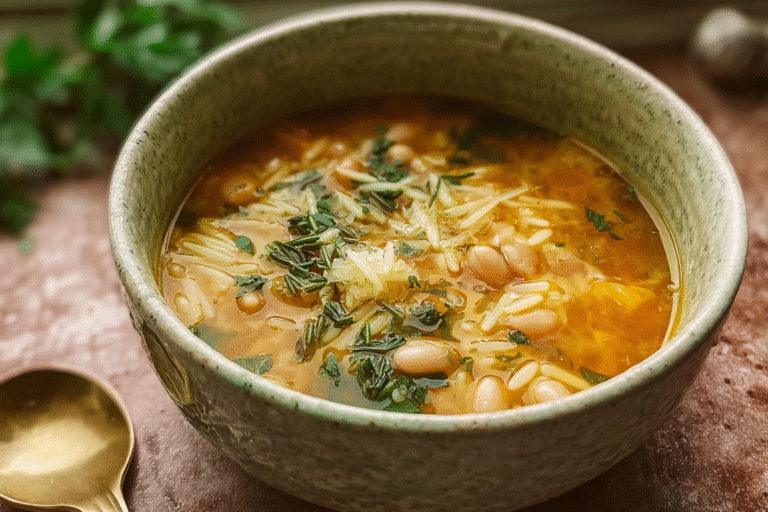
Italian Penicillin Soup
🍲 This Italian Chicken Pastina Soup offers a comforting, nourishing broth inspired by traditional nonna recipes.
🌿 Packed with tender vegetables, chicken, and flavorful herbs, it’s a healing meal perfect for cold days.
- Total Time: 55 minutes
- Yield: 6 servings 1x
Ingredients
2 tablespoons extra virgin olive oil
1 tablespoon butter
1 large onion, diced small
1 large shallot, finely chopped
4 stalks celery, diced small
1 large yellow bell pepper, diced small
4 medium cloves garlic, minced
8 cups low-sodium chicken broth
1 pound carrots, diced small
1 parmesan rind (optional)
1 ½ teaspoons kosher salt, more to taste
⅓ cup uncooked pastina (tiny pasta; can double if desired)
2½ to 3 cups rotisserie or leftover chicken
Grated Parmesan, for serving
Finely chopped fresh rosemary and/or fresh thyme leaves, for garnish
Instructions
1-First, get your ingredients ready by peeling and dicing the onion, chopping the shallot, slicing the celery and yellow bell pepper, mincing the garlic, and dicing the carrots. This mise en place helps everything move smoothly so you can focus on cooking.
2-Next, heat the pot and sauté the aromatics. In a large pot over medium heat, add 2 tablespoons extra virgin olive oil and 1 tablespoon butter, then stir in the diced onion, finely chopped shallot, diced celery, and diced yellow bell pepper. Cook until the onions turn translucent, about 4-5 minutes, then add the minced garlic and cook for another 2 minutes.
3-Then, add the liquids and simmer. Pour in 8 cups low-sodium chicken broth, the diced carrots, the Parmesan rind if you’re using it, and 1 ½ teaspoons kosher salt. Bring it to a boil and let it simmer uncovered for 20-25 minutes until the veggies are tender.
4-Remove the rind and blend. Take out the Parmesan rind, then use a slotted spoon to set aside 2 cups of the diced vegetables. Blend the rest of the broth and vegetables in the pot with an immersion blender or carefully in a regular blender until smooth.
5-Add the pasta and cook. Stir in ⅓ cup uncooked pastina and bring the soup back to a boil, then simmer uncovered for about 9 minutes, following the pasta package instructions.
6-Mix in the rest. Add the reserved vegetables and 2½ to 3 cups rotisserie or leftover chicken, cover the pot, and let it rest for 20 minutes so the flavors blend and the pasta absorbs the broth.
7-Taste and season. Check the flavor and add more kosher salt if needed to make it just right.
8-Serve it up. Ladle the soup into bowls and top with grated Parmesan and finely chopped fresh rosemary or thyme leaves for a fresh finish.
Last Step:
Please leave a rating and comment letting us know how you liked this recipe! This helps our business to thrive and continue providing free, high-quality recipes for you.Notes
🍝 Pastina refers to very small pasta shapes; choose your favorite such as orzo or stelline.
⏳ The pasta expands during cooking and resting, so start with ⅓ cup and adjust as desired.
🌿 Use fresh herbs for garnish or dried Italian seasoning as a substitute.
- Prep Time: 20 minutes
- Cook Time: 35 minutes
- Category: Soup
- Method: Simmering, Pureeing
- Cuisine: Italian
- Diet: Omnivore
Nutrition
- Serving Size: 1 serving
- Calories: 142
- Sugar: 4 g
- Sodium: 471 mg
- Fat: 6 g
- Saturated Fat: 2 g
- Unsaturated Fat: 4 g
- Trans Fat: 0.05 g
- Carbohydrates: 14 g
- Fiber: 2 g
- Protein: 10 g
- Cholesterol: 15 mg