

Why You’ll Love This Oatmeal Cookies
If you’re craving a simple treat that satisfies your sweet tooth without much hassle, this oatmeal cookies recipe is just what you need. It’s straightforward to prepare, perfect for those times when you want freshly baked goods but don’t have hours to spare. With common ingredients you likely have on hand, you can whip up a batch that feels like a warm hug on a busy day.
Beyond its ease, these cookies pack in health benefits that make them a smart choice for your snack rotation. Made with whole grains from rolled oats, they deliver fiber and essential nutrients to keep you energized throughout the day. This means you get a delicious bite that supports your digestive health and helps manage hunger without overloading on empty calories.
The real joy comes from how versatile this recipe can be to fit your lifestyle. You can tweak it for different dietary needs, like using substitutes for vegan or gluten-free options, all while keeping that signature chewy texture intact. Whether you’re a busy parent looking for a quick dessert or a baking enthusiast experimenting with flavors, these cookies stand out for their rich taste of brown sugar, vanilla, and cinnamon.
Preparation is a breeze, taking just about 20 minutes of prep time before chilling for at least 30 minutes, and they bake in 10-12 minutes. Just picture pulling out warm, soft cookies that yield around 200 kcal per piece, making them a guilt-free indulgence. This recipe is praised for its straightforward steps, suitable for all skill levels, and it delivers that bakery-style chewiness everyone loves.
Practical Reasons to Try It
One of the best parts about this oatmeal cookies recipe is how it adapts to your daily routine. For instance, if you’re a student or working professional with limited time, chilling the dough for up to 3 days lets you prepare ahead and bake fresh whenever the mood strikes. You’ll find that weighing ingredients like flour for accuracy, as recommended, helps avoid common pitfalls and ensures consistent results every time.
Imagine starting your day with a cookie that combines sustained energy from oats with the comforting flavors of cinnamon and butter. These cookies aren’t just tasty; they’re a wholesome option that aligns with goals for balanced eating. Plus, with options to add mix-ins like chocolate chips or nuts, you can personalize them for family gatherings or solo treats, making every batch feel special.
This approach to baking emphasizes simple ingredients that enhance the overall experience, such as using 3 cups of old-fashioned rolled oats for that perfect chew. If you’re aiming for soft and chewy results, remember to slightly underbake them so the centers set as they cool. All in all, this oatmeal cookies recipe brings joy to your kitchen without the fuss.
Jump to:
- Why You’ll Love This Oatmeal Cookies
- Practical Reasons to Try It
- Essential Ingredients for Oatmeal Cookies
- Why These Ingredients Work
- How to Prepare the Perfect Oatmeal Cookies: Step-by-Step Guide
- Tips for Perfect Execution
- Dietary Substitutions to Customize Your Oatmeal Cookies
- Adapting for Specific Diets
- Mastering Oatmeal Cookies: Advanced Tips and Variations
- More Ways to Experiment
- How to Store Oatmeal Cookies: Best Practices
- FAQs: Frequently Asked Questions About Oatmeal Cookies
- Can I customize oatmeal cookies by adding raisins, chocolate chips, or nuts?
- Is it okay to use quick oats instead of old-fashioned oats in oatmeal cookies?
- How can I make sure my oatmeal cookies turn out soft and chewy?
- What is the best way to store oatmeal cookies to maintain freshness?
- Are oatmeal cookies a healthier treat compared to other cookies?
- Oatmeal Cookies
- Ingredients
- Instructions
- Last Step:
- Notes
- Nutrition
- Did you make this recipe?
Essential Ingredients for Oatmeal Cookies
Getting the ingredients right is key to nailing that soft and chewy texture in your oatmeal cookies. This section breaks down everything you need, ensuring you have precise measurements for success. We’ll focus on using high-quality items like fresh butter and oats to elevate your baking game.
- 1 cup (226 g) softened unsalted butter
- 1 cup (200 g) light brown sugar, firmly packed
- ½ cup (100 g) granulated sugar
- 2 large eggs, room temperature preferred
- 1 ½ teaspoon vanilla extract
- 1 ¾ cup (215 g) all-purpose flour
- 2 teaspoons cornstarch (substitute with arrowroot starch or equal amount of flour if unavailable)
- 1 teaspoon baking soda
- ¾ teaspoon table salt
- ¾ teaspoon ground cinnamon
- 3 cups (285 g) old-fashioned rolled oats (substitute equal amount of quick oats, but texture will be less chewy)
- Optional add-ins: 1 ½ cups chocolate chips, chopped nuts, or raisins
Each ingredient plays a specific role, like the butter for richness and the oats for that hearty bite. For the best results, make sure to measure accurately, especially the flour, to prevent your cookies from spreading too much. You might notice how the brown sugar adds moisture for that chewy finish we all crave in an oatmeal cookies recipe.
Why These Ingredients Work
Think of the butter as the heart of your dough, providing creaminess when beaten for about 30 seconds. The sugars not only sweeten but also help create a fluffy base that locks in flavor. Eggs act as binders, while spices like cinnamon bring warmth that makes these cookies irresistible. If you’re adapting for dietary needs, options like vegan butter or gluten-free flour keep things flexible without losing that classic oatmeal cookies soft and chewy feel.
| Ingredient Category | Purpose | Substitution Ideas |
|---|---|---|
| Wet Ingredients | Provide moisture and binding | Use flaxseed for eggs in vegan versions |
| Dry Ingredients | Build structure and flavor | Swap flour for gluten-free blends |
| Add-ins | Enhance taste and texture | Choose nuts or dried fruit for variety |
As you can see, this list covers everything for a complete batch, making it easy to follow along. For more ideas on incorporating oats into other treats, check out our guide to baked oatmeal cups for a fun variation.
How to Prepare the Perfect Oatmeal Cookies: Step-by-Step Guide
Diving into this oatmeal cookies recipe is simpler than you might think, and it leads to those soft, chewy results you’re after. Start by gathering all your ingredients to make the process smooth. You’ll appreciate how each step builds on the last for the best texture and flavor.
- Beat softened butter for about 30 seconds until creamy to create a solid base.
- Add 1 cup (200 g) light brown sugar and ½ cup (100 g) granulated sugar; beat until light and fluffy, scraping bowl sides as needed.
- Add 2 large eggs one at a time, mixing well after each to ensure even incorporation.
- Stir in 1 ½ teaspoon vanilla extract for that extra flavor boost.
- In a separate bowl, whisk together 1 ¾ cup (215 g) all-purpose flour, 2 teaspoons cornstarch, 1 teaspoon baking soda, ¾ teaspoon table salt, and ¾ teaspoon ground cinnamon.
- Gradually add the dry ingredients to the butter mixture, mixing until combined and scraping the bowl as needed.
- Stir in 3 cups (285 g) old-fashioned rolled oats until evenly distributed, then add optional mix-ins like 1 ½ cups chocolate chips, chopped nuts, or raisins.
- Cover the dough with plastic wrap and chill in the refrigerator for at least 30 minutes, or up to 3 days, to enhance flavor and prevent spreading.
- Preheat your oven to 375°F (190°C) and line baking sheets with parchment paper for easy cleanup.
- Drop dough by rounded 2-tablespoon balls, spaced at least 2 inches apart, and roll into smooth balls for uniformity.
- Bake for 10-12 minutes; the edges should be slightly golden while the centers may look underbaked but will set as they cool.
- Cool cookies completely on the baking sheet before removing or serving to maintain their shape and chewiness.
This oatmeal cookies soft and chewy method takes about 1 hour total, including prep and chilling, so it’s ideal for a quick baking session. For even better results, use an oven thermometer and bake on the center rack as a key tip from experienced bakers.
Tips for Perfect Execution
As you follow these steps, remember that creaming the butter and sugar thoroughly makes a big difference in the final texture. If you’re new to baking, don’t worry this oatmeal cookies recipe is forgiving and works well with basic tools. Once your cookies are out, let them cool to enjoy that ideal soft bite.

Dietary Substitutions to Customize Your Oatmeal Cookies
One of the great things about this oatmeal cookies recipe is how easy it is to adapt for different needs. You can swap ingredients to make it fit your diet without losing that delicious soft and chewy quality. Let’s look at some straightforward changes you can try.
For protein and main components, replace eggs with flaxseed meal mixed with water for a vegan option. Use almond or peanut butter instead of butter to add extra protein and a nutty twist. These swaps keep the dough cohesive while boosting nutrition.
When it comes to vegetables, sauces, and seasonings, add mashed banana or pumpkin puree as natural sweeteners and moisture enhancers. Incorporate cinnamon, nutmeg, or ginger for more warmth, and swap vanilla extract with almond or maple flavorings to diversify the taste. These modifications help tailor your cookies recipe to what you have on hand or your preferences.
Adapting for Specific Diets
If you’re aiming for a low-calorie version, try using applesauce in place of some butter to cut down on fat while keeping things moist. For gluten-free bakers, gluten-free flour blends substituted for all-purpose flour work wonderfully. Remember, these changes ensure your oatmeal cookies remain a hit, no matter your dietary goals.
Mastering Oatmeal Cookies: Advanced Tips and Variations
To take your oatmeal cookies to the next level, try some pro techniques that enhance flavor and texture. For example, chilling the dough for at least 30 minutes before baking prevents it from spreading and lets flavors develop fully. This step is crucial for achieving that perfect soft and chewy result in your oatmeal cookies recipe.
Flavor variations can make each batch exciting experiment by adding dried fruits, nuts, or dark chocolate chips for unique twists. Presentation is key, too; dust cooled cookies with powdered sugar or drizzle with melted chocolate to make them look as good as they taste. If you’re short on time, prepare dough in advance and freeze in portions so you can bake fresh cookies whenever you want.
This simple tweak, like underbaking for soft centers, really makes your cookies stand out just pull them when the edges are golden.
For those interested in more oat-based ideas, see our caramelized banana oatmeal recipe to inspire your next creation. These tips, drawn from how to make oatmeal cookies soft, help connect the basics to advanced baking.
More Ways to Experiment
Another tip is to weigh ingredients for accuracy, especially flour, to avoid common mistakes. Dark brown sugar can replace light brown for even softer cookies, and cornstarch adds that extra tenderness try substituting with arrowroot if needed. With these adjustments, your oatmeal cookies will become a go-to favorite while staying true to the original recipe’s charm. Remember, you can add mix-ins without altering the core steps, keeping things straightforward and fun.
How to Store Oatmeal Cookies: Best Practices
Proper storage keeps your oatmeal cookies soft and chewy for as long as possible, so let’s cover the essentials. Store them in an airtight container at room temperature for up to 5 days to lock in freshness. This method is simple and effective for enjoying your treats without them drying out.
For longer-term options, place cookies in a freezer-safe bag or container, separating layers with parchment paper, and freeze for up to three months. When you’re ready to eat, warm them briefly in the oven or microwave to restore that just-baked softness. For meal prep, batch bake and store in portion sizes for easy snacking throughout the week.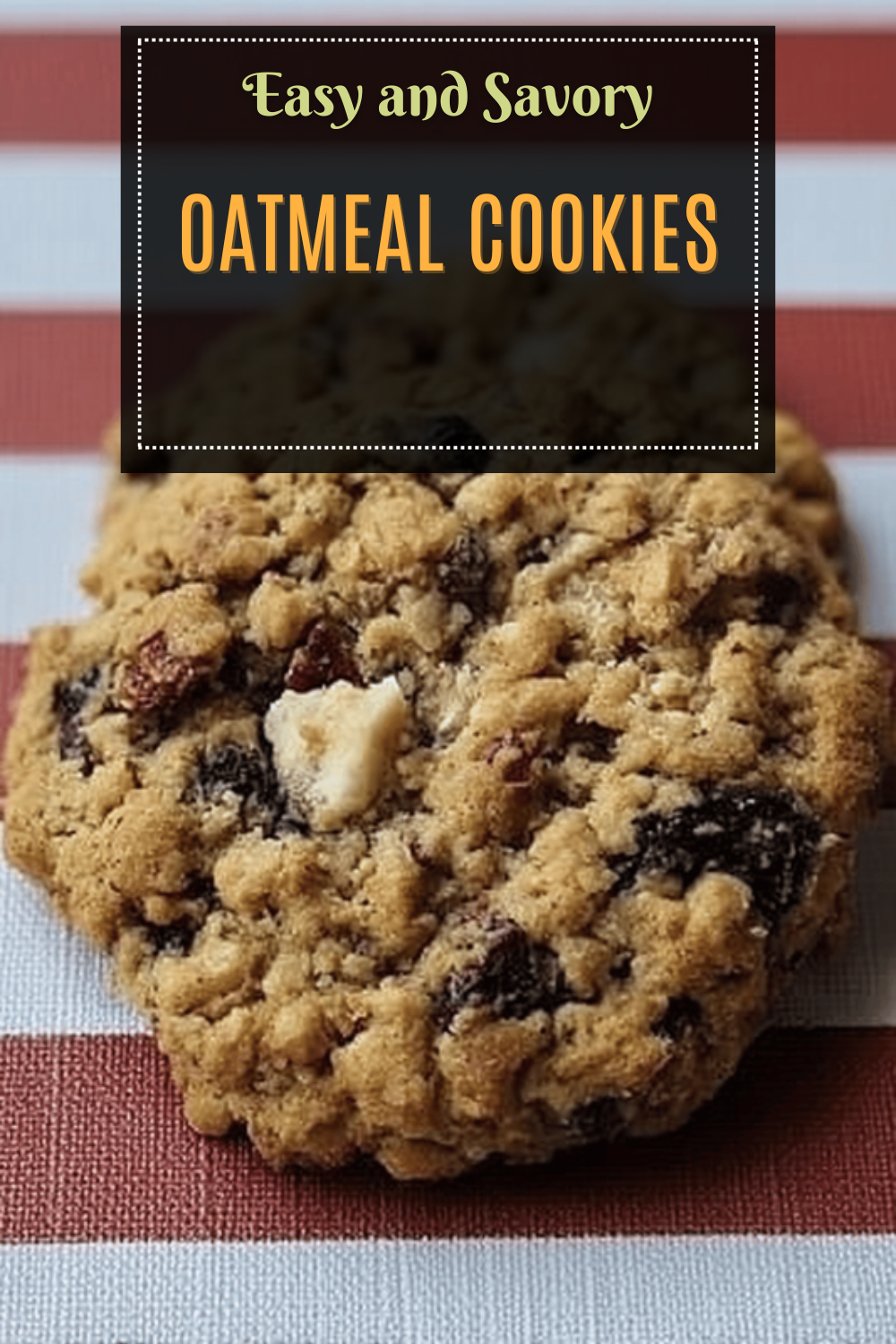
FAQs: Frequently Asked Questions About Oatmeal Cookies
Can I customize oatmeal cookies by adding raisins, chocolate chips, or nuts?
Yes, you can easily customize oatmeal cookies by adding ingredients like raisins, chocolate chips, or nuts. Simply stir about 1½ cups of your chosen add-ins into the dough after mixing in the oats. No changes to the base recipe are needed. Adding these extras will enhance flavor and texture, letting you tailor the cookies to your preference.
Is it okay to use quick oats instead of old-fashioned oats in oatmeal cookies?
Using quick oats in oatmeal cookies is possible and will still produce tasty results. However, cookies made with quick oats tend to be less chewy and slightly drier compared to ones made with old-fashioned oats. Substitute the same amount of quick oats as the recipe calls for, but expect a different texture.
How can I make sure my oatmeal cookies turn out soft and chewy?
To keep oatmeal cookies soft and chewy, avoid overbaking them—remove cookies from the oven as soon as the edges turn golden but the centers remain slightly undercooked. Also, store cookies in an airtight container at room temperature. Proper storage helps maintain moisture, keeping them chewy for up to five days.
What is the best way to store oatmeal cookies to maintain freshness?
Store oatmeal cookies in an airtight container at room temperature to preserve their freshness and texture. Adding a slice of bread inside the container can help maintain moisture and prevent the cookies from becoming dry. For longer storage, you can freeze the cookies in a sealed bag for up to three months.
Are oatmeal cookies a healthier treat compared to other cookies?
Oatmeal cookies can be a healthier option since they often contain whole oats, which add fiber and nutrients. However, the overall healthiness depends on the recipe’s ingredients, such as the amount of sugar and fat used. Choosing add-ins like nuts or dried fruit instead of chocolate chips can also boost nutritional value.
Oatmeal Cookies
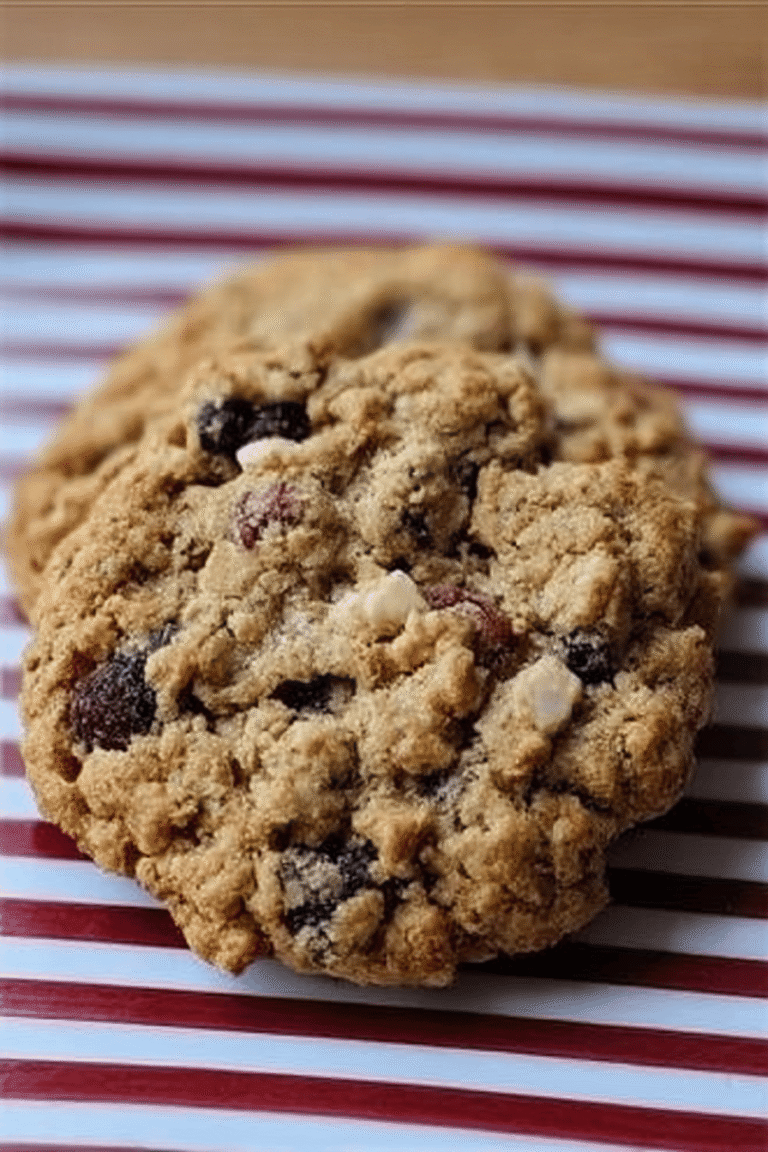
🍪 This oatmeal cookies recipe delivers soft and chewy texture with classic warm flavors like cinnamon and vanilla.
🥣 Perfect for a comforting snack or dessert, these cookies are easy to make and loved by all ages.
- Total Time: Approximately 1 hour
- Yield: About 24 cookies
Ingredients
– 1 cup (226 g) softened unsalted butter
– 1 cup (200 g) light brown sugar, firmly packed
– ½ cup (100 g) granulated sugar
– 2 large eggs, room temperature preferred
– 1 ½ teaspoon vanilla extract
– 1 ¾ cup (215 g) all-purpose flour
– 2 teaspoons cornstarch
– 1 teaspoon baking soda
– ¾ teaspoon table salt
– ¾ teaspoon ground cinnamon
– 3 cups (285 g) old-fashioned rolled oats
– 1 ½ cups chocolate chips
– chopped nuts
– raisins
Instructions
1-Beat softened butter for about 30 seconds until creamy to create a solid base.
2-Add 1 cup (200 g) light brown sugar and ½ cup (100 g) granulated sugar; beat until light and fluffy, scraping bowl sides as needed.
3-Add 2 large eggs one at a time, mixing well after each to ensure even incorporation.
4-Stir in 1 ½ teaspoon vanilla extract for that extra flavor boost.
5-In a separate bowl, whisk together 1 ¾ cup (215 g) all-purpose flour, 2 teaspoons cornstarch, 1 teaspoon baking soda, ¾ teaspoon table salt, and ¾ teaspoon ground cinnamon.
6-Gradually add the dry ingredients to the butter mixture, mixing until combined and scraping the bowl as needed.
7-Stir in 3 cups (285 g) old-fashioned rolled oats until evenly distributed, then add optional mix-ins like 1 ½ cups chocolate chips, chopped nuts, or raisins.
8-Cover the dough with plastic wrap and chill in the refrigerator for at least 30 minutes, or up to 3 days, to enhance flavor and prevent spreading.
9-Preheat your oven to 375°F (190°C) and line baking sheets with parchment paper for easy cleanup.
10-Drop dough by rounded 2-tablespoon balls, spaced at least 2 inches apart, and roll into smooth balls for uniformity.
11-Bake for 10-12 minutes; the edges should be slightly golden while the centers may look underbaked but will set as they cool.
12-Cool cookies completely on the baking sheet before removing or serving to maintain their shape and chewiness.
Last Step:
Please leave a rating and comment letting us know how you liked this recipe! This helps our business to thrive and continue providing free, high-quality recipes for you.Notes
🎂 Cream butter and sugar thoroughly for better texture.
⚖️ Weigh ingredients, especially flour, to prevent spreading.
🍪 Slightly underbake cookies for soft, chewy centers that finish cooking on the hot baking sheet.
- Prep Time: 20 minutes
- Chilling time: 30 minutes to 3 days
- Cook Time: 10-12 minutes
- Category: Dessert
- Method: Baking
- Cuisine: American
- Diet: Vegetarian
Nutrition
- Serving Size: 1 cookie
- Calories: 200 kcal
- Sugar: 13 g
- Sodium: 138 mg
- Fat: 9 g
- Saturated Fat: 5 g
- Unsaturated Fat: 4 g
- Carbohydrates: 27 g
- Fiber: 1 g
- Protein: 3 g
- Cholesterol: 37 mg