

Why You’ll Love This Pie Crust Recipe
This pie crust recipe stands out as a go-to option for anyone venturing into home baking for the first time. Imagine whipping up a flaky, buttery base that’s ready to hold your favorite fillings without much hassle. It’s all about keeping things simple yet delivering amazing results that make you feel like a pro.
One of the biggest draws is its ease of preparation, requiring just a handful of basic ingredients and a quick process that fits into busy schedules. You’ll appreciate how it supports health-conscious choices with wholesome components that trim down on extras like artificial additives. Plus, it’s incredibly versatile, adapting seamlessly to various dietary needs while keeping that delicious, melt-in-your-mouth texture intact.
What really makes this pie crust recipe special is its rich flavor profile, thanks to the fresh ingredients that add subtle depth. Whether you’re baking for a family gathering or a quiet night in, this crust elevates your pies to new heights. I remember trying this for the first time and being surprised at how straightforward it was now it’s my secret weapon for impressing friends at potlucks.
Jump to:
- Why You’ll Love This Pie Crust Recipe
- Essential Ingredients for Pie Crust Recipe
- How to Prepare the Perfect Pie Crust Recipe: Step-by-Step Guide
- Additional Preparation Notes
- Dietary Substitutions to Customize Your Pie Crust Recipe
- Mastering Pie Crust Recipe: Advanced Tips and Variations
- How to Store Pie Crust Recipe: Best Practices
- FAQs: Frequently Asked Questions About Pie Crust Recipe
- How can I fix pie crust dough that is too hard to roll out?
- What can I use as a substitute for pie weights during blind baking?
- Why does my pie crust turn out tough and how can I prevent it?
- How long should I chill pie dough before rolling it out?
- Can I make pie crust dough ahead of time and freeze it?
- Pie Crust Recipe
- Ingredients
- Instructions
- Last Step:
- Notes
- Nutrition
- Did you make this recipe?
Essential Ingredients for Pie Crust Recipe
Building the perfect pie crust starts with selecting the right ingredients, and this recipe keeps things straightforward with pantry staples. Each item plays a key role in creating that ideal flaky texture and taste. Below is a complete list of everything you’ll need, drawn directly from the recipe to ensure you get the proportions just right.
- 2 1/2 cups all-purpose flour (plus extra for dusting) – This forms the base, giving structure and that classic flakiness.
- 1/2 tablespoon sugar – Adds a hint of sweetness to balance the flavors.
- 1/2 teaspoon salt – Enhances the overall taste and brings out the butteriness.
- 1/2 pound (2 sticks) cold unsalted butter, diced into 1/4 inch pieces – Provides richness and creates those essential layers for a tender crust.
- 7 to 8 tablespoons ice water – Helps bind the dough without warming up the butter, ensuring it stays flaky.
These ingredients are easy to find and measure, making the process accessible for beginners. For best results, keep your butter and water as cold as possible right up until you mix them in.
How to Prepare the Perfect Pie Crust Recipe: Step-by-Step Guide
Getting started with this pie crust recipe feels like a fun adventure in your kitchen, and I’ll walk you through each part to make it smooth sailing. First, gather all your ingredients and make sure your butter is straight from the fridge for that perfect chill. This step sets the stage for a crust that turns out light and flaky every time.
In a food processor, combine the flour, sugar, and salt, pulsing briefly to mix them evenly. If you don’t have one, simply whisk these dry ingredients together in a bowl it’s all about keeping things flexible. Next, add the cold diced butter and pulse until the mixture looks like coarse crumbs, with some pea-sized pieces still visible to maintain that buttery goodness.
Then, pour in 7 tablespoons of ice water and pulse just until moist clumps begin to form. Test the dough by pinching it; if it holds together, you’re good to go. If it’s too crumbly, add a bit more water one teaspoon at a time, but stop before it gets sticky to avoid a tough result.
Transfer the dough to a clean surface and gently gather it into a ball, being careful not to knead it so the butter pockets stay intact for flakiness. Divide it in half, shape each piece into a 1-inch thick disk, wrap them tightly in plastic wrap, and refrigerate for at least one hour. For the pastry cutter method, whisk the dry ingredients first, toss in the butter to coat, then cut it in until you have coarse crumbs with pea-sized pieces, adding water gradually until large clumps form.
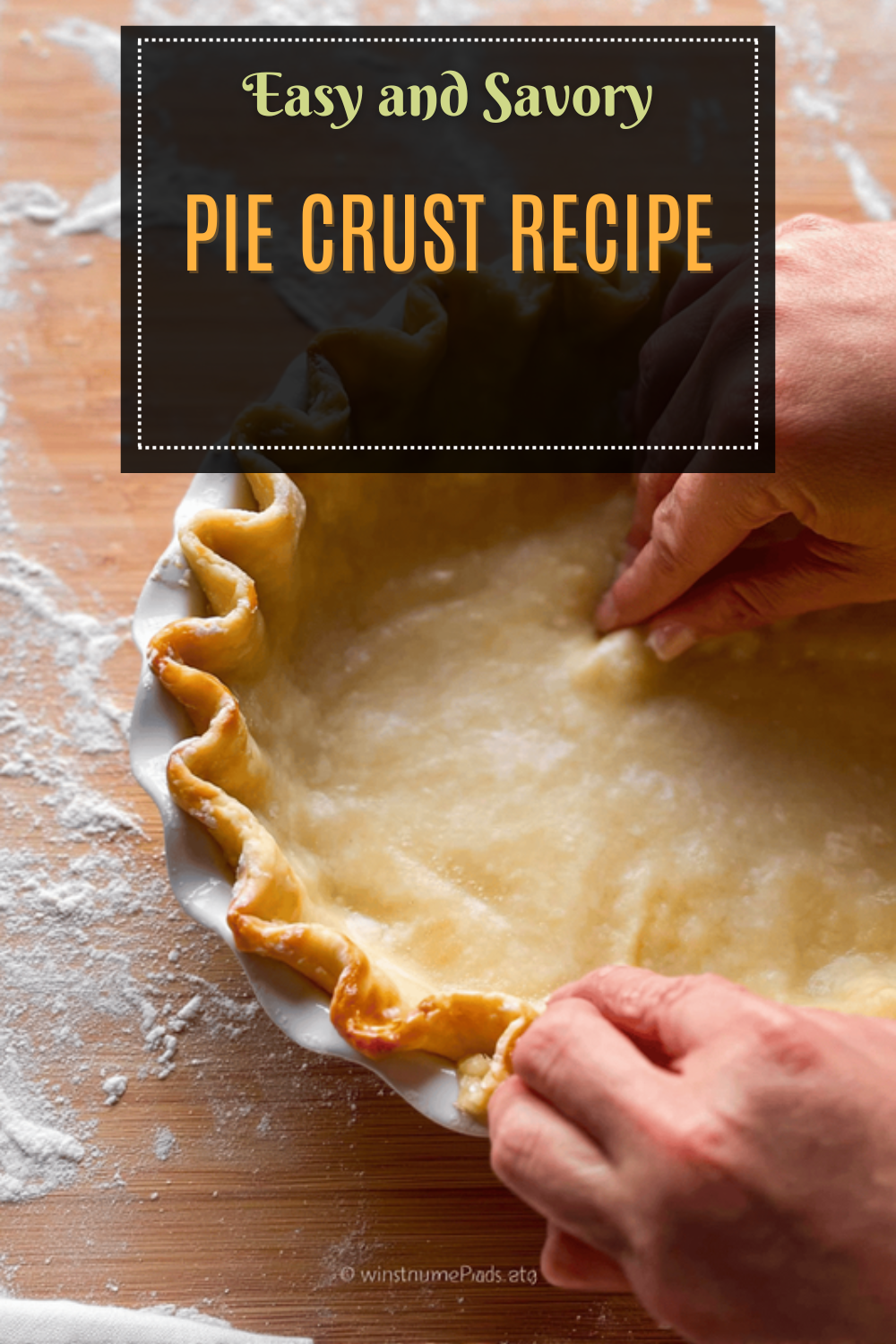
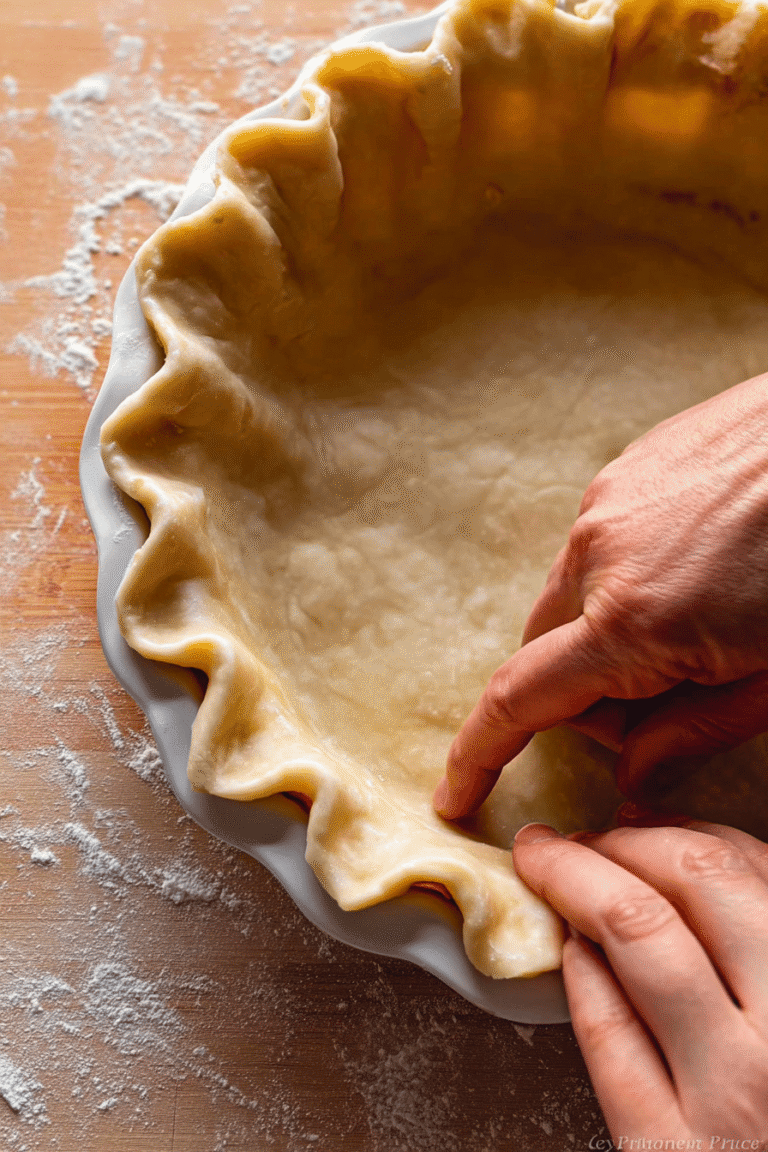
Once chilled, roll the dough on a floured surface into a 12-inch circle and transfer it to your pie pan by wrapping it around the rolling pin. Gently press it into the dish, tuck under the excess for a double-layered edge, and crimp it for a fluted rim by pinching between your thumb and forefinger while pressing with your opposite index finger.
For more baking inspiration, check out our chocolate chip banana bread recipe, which pairs wonderfully with homemade pie crusts. Bake according to your filling’s needs, or for blind baking, chill the shaped crust in the freezer for 30 minutes, line it with parchment, add weights, and bake at 425°F for 17 minutes, then remove and bake another 5 minutes until golden.
Additional Preparation Notes
Remember, keeping everything cold is key to success, so don’t skip that chilling step. If the dough feels too firm after refrigerating, let it sit at room temperature for 10-20 minutes to make rolling easier.

Dietary Substitutions to Customize Your Pie Crust Recipe
Making this pie crust recipe work for your lifestyle is simple with a few smart swaps, and it’s all about experimenting while keeping the deliciousness intact. For instance, if you’re following a plant-based diet, swapping in vegan margarine or coconut oil can mimic that buttery feel without missing a beat. This way, everyone at the table can enjoy a slice, no matter their preferences.
Another easy change is using gluten-free flour blends in place of all-purpose flour for those with sensitivities, ensuring the texture stays light and airy. You might also tweak seasonings by adding herbs like rosemary or spices such as cinnamon to match seasonal vibes or reduce salt for lower-sodium options. I once added a dash of cinnamon to my crust for a holiday pie, and it became an instant favorite.
These modifications keep the recipe adaptable, so feel free to play around and see what works best for you. For vegetable and sauce ideas, consider incorporating them into your pie fillings to complement the crust’s flavor.
Mastering Pie Crust Recipe: Advanced Tips and Variations
Once you’ve nailed the basics, taking your pie crust recipe to the next level is all about fine-tuning techniques and getting creative. Start by using chilled utensils and ingredients to keep the dough at the right temperature, which helps achieve that ultimate flakiness we all love. Avoid over-mixing at all costs, as it can make the crust tough instead of tender.
For flavor twists, try mixing in citrus zest or vanilla extract to add a unique zing that pairs beautifully with fruit fillings. Presentation matters too use decorative crimping or even a lattice top to make your pies look as good as they taste. If you’re planning ahead, prepare the dough in advance and freeze it in portions for quick use on busy days.
Pro cooking techniques include always checking that visible butter pockets remain for the best results.
Remember, as I learned from my early baking days, the secret to a great crust lies in patience and a light touch it’s what turns a simple recipe into something extraordinary.For more ideas, explore our baked oatmeal cups for complementary breakfast treats.
How to Store Pie Crust Recipe: Best Practices
Proper storage keeps your pie crust recipe fresh and ready for whenever inspiration strikes, extending its usability without losing quality. Wrap the dough tightly in plastic or place it in an airtight container before popping it in the fridge for up to 3 days. This simple step helps maintain that perfect texture for your next baking session.
For longer-term options, freeze the dough disks separately, wrapped securely, and they’ll keep for up to 3 months just thaw them overnight in the fridge. When reheating a prebaked crust, use a moderate oven at 350°F to bring back its crispness without drying it out. Meal prep like this makes baking less of a chore and more of a joy, especially during hectic weeks.
| Storage Method | Duration | Tips |
|---|---|---|
| Refrigeration | Up to 3 days | Wrap tightly to prevent drying |
| Freezing | Up to 3 months | Thaw in fridge before use |
| Reheating | N/A | Bake at 350°F for crispness |
FAQs: Frequently Asked Questions About Pie Crust Recipe
How can I fix pie crust dough that is too hard to roll out?
If your pie crust dough feels too hard or stiff, allow it to sit at room temperature for 10 to 20 minutes. This softens the butter in the dough, making it easier to roll out. Avoid overworking the dough initially, as overmixing develops gluten and can lead to a tough crust after baking. If it remains difficult to handle, gently knead in a small amount of cold water to improve pliability without making it sticky.
What can I use as a substitute for pie weights during blind baking?
If you don’t have pie weights, dry raw beans or dry rice are effective substitutes. Place them on parchment paper or aluminum foil in the pie crust to prevent bubbling and shrinking. Note that dry beans used as weights should not be eaten afterward but can be saved and reused for future blind baking. Dry rice can be used for cooking later since it toasts during baking.
Why does my pie crust turn out tough and how can I prevent it?
A tough pie crust usually results from overmixing the dough, which activates gluten strands in the flour. To avoid this, mix ingredients just until they come together and there are still small chunks of butter visible. Keeping all ingredients, especially butter and water, cold helps create a flaky texture. Chill the dough properly before rolling and baking for the best results.
How long should I chill pie dough before rolling it out?
Chilling pie dough for at least one hour in the refrigerator is recommended. This rest period allows the butter to firm up and the gluten to relax, making the dough easier to roll and less likely to shrink during baking. You can also chill the dough overnight for improved flavor and texture.
Can I make pie crust dough ahead of time and freeze it?
Yes, pie crust dough can be made ahead and frozen for up to three months. Wrap the dough tightly in plastic wrap and then aluminum foil to prevent freezer burn. When ready to use, thaw the dough overnight in the refrigerator before rolling out. This saves time on baking day and maintains the quality of the crust.
Pie Crust Recipe
🥧 Master the art of baking with this Easy Pie Crust Recipe that uses simple, everyday ingredients.
🌟 Enjoy a flaky, buttery crust perfect for any pie without the hassle of complex techniques.
- Total Time: 1 hour 10 minutes
- Yield: 2 pie crusts
Ingredients
– 2 1/2 cups all-purpose flour for the base, giving structure and flakiness
– 1/2 tablespoon sugar for sweetness
– 1/2 teaspoon salt to enhance taste and butteriness
– 1/2 pound (2 sticks) cold unsalted butter, diced into 1/4 inch pieces for richness and layering
– 7 to 8 tablespoons ice water to bind the dough and keep butter cold
Instructions
1-Getting started with this pie crust recipe feels like a fun adventure in your kitchen, and I’ll walk you through each part to make it smooth sailing. First, gather all your ingredients and make sure your butter is straight from the fridge for that perfect chill. This step sets the stage for a crust that turns out light and flaky every time.
2-In a food processor, combine the flour, sugar, and salt, pulsing briefly to mix them evenly. If you don’t have one, simply whisk these dry ingredients together in a bowl it’s all about keeping things flexible. Next, add the cold diced butter and pulse until the mixture looks like coarse crumbs, with some pea-sized pieces still visible to maintain that buttery goodness.
3-Then, pour in 7 tablespoons of ice water and pulse just until moist clumps begin to form. Test the dough by pinching it; if it holds together, you’re good to go. If it’s too crumbly, add a bit more water one teaspoon at a time, but stop before it gets sticky to avoid a tough result.
4-Transfer the dough to a clean surface and gently gather it into a ball, being careful not to knead it so the butter pockets stay intact for flakiness. Divide it in half, shape each piece into a 1-inch thick disk, wrap them tightly in plastic wrap, and refrigerate for at least one hour. For the pastry cutter method, whisk the dry ingredients first, toss in the butter to coat, then cut it in until you have coarse crumbs with pea-sized pieces, adding water gradually until large clumps form.
5-Once chilled, roll the dough on a floured surface into a 12-inch circle and transfer it to your pie pan by wrapping it around the rolling pin. Gently press it into the dish, tuck under the excess for a double-layered edge, and crimp it for a fluted rim by pinching between your thumb and forefinger while pressing with your opposite index finger.
6-Bake according to your filling’s needs, or for blind baking, chill the shaped crust in the freezer for 30 minutes, line it with parchment, add weights, and bake at 425°F for 17 minutes, then remove and bake another 5 minutes until golden.
7-Additional Preparation Notes: Remember, keeping everything cold is key to success, so don’t skip that chilling step. If the dough feels too firm after refrigerating, let it sit at room temperature for 10-20 minutes to make rolling easier.
Last Step:
Please leave a rating and comment letting us know how you liked this recipe! This helps our business to thrive and continue providing free, high-quality recipes for you.Notes
❄️ Keep butter cold and use it straight from the fridge to ensure a flaky crust.
🥄 Avoid overmixing the dough; visible butter pockets create flakiness.
🕰️ If dough is too firm after refrigeration, let it sit at room temperature for 10-20 minutes before rolling.
- Prep Time: 10 minutes
- Chilling Time: 1 hour
- Category: Baking, Dessert
- Method: Mixing and Rolling
- Cuisine: American
Nutrition
- Serving Size: 1/8 of crust
- Calories: 232
- Sodium: 99mg
- Fat: 15g
- Saturated Fat: 9g
- Carbohydrates: 20g
- Protein: 2g
- Cholesterol: 40mg