

Why You’ll Love This Pita Bread
This pita bread recipe is a game-changer for anyone who enjoys fresh, homemade bread without the hassle. It comes together quickly with basic ingredients you likely have on hand, making it ideal for busy days when you want something nutritious and tasty. The soft, fluffy center and that signature pocket make it perfect for stuffing with your favorite fillings, from veggies to proteins.
One of the best parts is how adaptable it is to different lifestyles. For instance, you can easily swap in whole wheat flour for a fiber boost, aligning with a Mediterranean-style diet that’s full of wholesome elements. Whether you’re a beginner or a seasoned baker, this recipe delivers a delightful texture and flavor that will have you coming back for more.
Ease of Preparation
The process is straightforward and takes only about 1 hour and 48 minutes total, with most of that being hands-off rising time. This means it’s perfect for busy parents or working professionals who need a quick yet satisfying meal option. Plus, you can bake it in the oven or on the stovetop, depending on what you have available.
Health Benefits
Made with simple, nutritious ingredients like flour, yeast, and olive oil, this pita offers essential nutrients without unnecessary additives. It’s low in calories and can be customized for dietary needs, such as using whole wheat for extra fiber. Many people love how it fits into a balanced diet, providing a versatile base for healthy eating.
Versatility and Flavor
This pita works for everyone, from vegans to those seeking gluten-free options by swapping in appropriate flours. Its distinctive, slightly tangy taste from the yeast comes alive with every bite, making it a great canvas for seasonings or fillings. You’ll find yourself using it for sandwiches, dips, or even as a base for quick pizzas, adding excitement to your meals.
The recipe yields 8 pitas, which is just right for family dinners or meal prep. Remember, even if they don’t puff up perfectly, they’re still delicious and versatile. For added fun, try pairing your pita with refreshing drinks from our site, like the one in our spicy margarita guide for a lively snack pairing.
Jump to:
- Why You’ll Love This Pita Bread
- Ease of Preparation
- Health Benefits
- Versatility and Flavor
- Essential Ingredients for Pita Bread
- Main Ingredients and Their Roles
- How to Prepare the Perfect Pita Bread: Step-by-Step Guide
- Tips for Success
- Dietary Substitutions to Customize Your Pita Bread
- Mastering Pita Bread: Advanced Tips and Variations
- Flavor and Presentation Ideas
- How to Store Pita Bread: Best Practices
- FAQs: Frequently Asked Questions About Pita Bread
- What basic ingredients are needed to make homemade pita bread?
- Can I make pita bread without a stand mixer?
- How should I store and freeze homemade pita bread to keep it fresh?
- Why does my pita bread sometimes fail to puff up like a pocket?
- Is it possible to make gluten-free pita bread with traditional recipes?
- Pita Bread
- Ingredients
- Instructions
- Last Step:
- Notes
- Nutrition
- Did you make this recipe?
Essential Ingredients for Pita Bread
Gathering the right ingredients is the first step to making amazing pita bread at home. This section breaks down everything you need, focusing on precise measurements to ensure success. We’ll use a structured list to make it easy to follow along and shop for what you need.
- 1 cup lukewarm water
- 2 teaspoons active dry yeast
- 1/2 teaspoon sugar
- 3 cups all-purpose flour, divided (or 1 1/2 cups all-purpose flour and 1 1/2 cups whole wheat flour for whole wheat pita)
- 1 to 2 teaspoons kosher salt
- 2 tablespoons extra virgin olive oil, plus more for coating the bowl
These ingredients are straightforward and create a soft, pliable dough that’s easy to work with. For special dietary options, you can make simple swaps, like using gluten-free flour to keep things inclusive. Always measure carefully to get that perfect balance of moisture and structure.
Main Ingredients and Their Roles
Each item plays a key part: water activates the yeast, sugar helps it bubble up, and flour provides the base. Olive oil adds richness and keeps the bread from drying out. If you’re new to baking, start with these basics and experiment once you’re comfortable.
| Ingredient | Purpose |
|---|---|
| 1 cup lukewarm water | Activates yeast and forms the dough |
| 2 teaspoons active dry yeast | Helps the dough rise and creates air pockets |
| 1/2 teaspoon sugar | Feeds the yeast for better fermentation |
| 3 cups all-purpose flour | Provides structure and chewiness |
| 1 to 2 teaspoons kosher salt | Enhances overall flavor |
| 2 tablespoons extra virgin olive oil | Adds moisture and a subtle richness |
This table helps visualize how each component contributes, making your baking more intuitive.
How to Prepare the Perfect Pita Bread: Step-by-Step Guide
Follow this simple guide to make pita bread that’s soft and puffy every time. We’ll break it down into clear steps, using the recipe details provided. Start with basic prep, and you’ll have fresh bread ready in no time.
- Make the sponge: In a large mixing bowl, combine 1 cup lukewarm water with 2 teaspoons active dry yeast and 1/2 teaspoon sugar, stirring until dissolved. Add 1/2 cup of the all-purpose flour and whisk until smooth. Place the bowl uncovered in a warm spot for about 15 minutes until the mixture is frothy and bubbly.
- Form the dough: Add 1 to 2 teaspoons kosher salt, 2 tablespoons extra virgin olive oil, and most of the remaining flour (reserve about 1/2 cup for dusting). Stir until a shaggy mass forms, then dust with some flour and knead inside the bowl for about one minute to incorporate stray bits.
- Knead the dough: Lightly flour a clean surface and knead the dough lightly for about 2 minutes until smooth. Cover and rest for 10 minutes, then knead again for a couple more minutes. The dough should be soft and slightly moist at this point.
- Let dough rise: Clean the mixing bowl, coat lightly with extra virgin olive oil, place the dough inside, and turn to coat all sides. Cover tightly with plastic wrap, then a kitchen towel, and leave in a warm spot for 1 hour or until doubled in size.
- Divide dough: Deflate the dough, place on a clean surface, divide into 7 or 8 equal pieces, shape into balls, cover with a towel, and let rest for about 10 minutes.
- Shape pitas: Using a floured rolling pin, roll each ball into an 8-9 inch circle about 1/4 inch thick. Lift and turn frequently to prevent sticking, and add small amounts of flour if needed. Allow the dough to rest if it springs back too much.
- Bake pitas: For the oven method, preheat to 475°F and heat a heavy baking tray or cast iron skillet on the middle rack. Place rolled pitas on the hot surface in batches and bake 2 minutes on one side, then turn and bake 1 more minute until puffed. For stovetop, heat a cast iron skillet over medium-high heat until water droplets sizzle, drizzle with a small amount of extra virgin olive oil and wipe excess, then cook each pita as directed, flipping as needed until puffed.
The total prep time is about 1 hour and 45 minutes, with cooking taking roughly 3 minutes per pita. For adaptations, use gluten-free flour and extend rising time if needed, or ensure all ingredients are plant-based for a vegan version.
Tips for Success
If your dough doesn’t rise well, check that the yeast was fresh and the water was the right temperature. Rolling the dough evenly is key to getting that perfect puff, so take your time. This method works great for hand-kneading, which keeps things simple and equipment-free.

Dietary Substitutions to Customize Your Pita Bread
Making pita bread your own is easy with a few tweaks. Whether you’re avoiding gluten or going vegan, these changes keep the recipe flexible and fun. Start with the base and adjust based on your needs for a personalized touch.
- Substitute all-purpose flour with chickpea or almond flour for gluten-free options, which adds a nutty flavor and helps with texture.
- Use aquafaba or flaxseed meal mixed with water as vegan alternatives if you want to enhance the dough’s binding.
- Incorporate roasted vegetables like eggplant or zucchini into fillings for added taste and nutrition.
- Try garlic tahini, hummus, or vegan yogurt sauces to complement your pita without dairy.
- Adjust seasoning with za’atar, cumin, or fresh herbs to match seasonal flavors and make each batch unique.
These swaps ensure everyone at the table can enjoy the bread, no matter their dietary preferences.
Mastering Pita Bread: Advanced Tips and Variations
Once you’re comfortable with the basics, level up your pita game with these pro tips. Using a pizza stone or cast iron skillet helps get even cooking and that ideal puff. You can mix in herbs like rosemary or spices like cumin directly into the dough for exciting flavors.
Garnish your pitas with sesame or nigella seeds before baking to add visual appeal and a bit of crunch. For make-ahead meals, prepare the dough ahead and refrigerate it overnight; this lets the flavors develop and makes busy mornings easier. Remember, the dough can be stored for up to a week, so you always have fresh bread on hand.
Flavor and Presentation Ideas
Experiment with different herbs and spices to create your signature pita. For parties, these make great bases for dips or appetizers, perhaps paired with drinks. If you’re looking for more recipe ideas, check out an expert homemade pita bread recipe for inspiration.
How to Store Pita Bread: Best Practices
Keeping your pita fresh is simple with the right storage methods. Store it in an airtight container or plastic bag in the fridge for up to 3 days to lock in moisture. For longer-term options, wrap each pita individually and freeze for up to 3 months.
Reheat in a toaster, oven, or skillet to bring back that warm, soft texture without losing flavor. If you’re meal prepping, defrost only what you need to avoid waste and keep batches separate for easy access.
FAQs: Frequently Asked Questions About Pita Bread
What basic ingredients are needed to make homemade pita bread?
To make homemade pita bread, you need water, active dry yeast, a pinch of sugar to activate the yeast, all-purpose flour (or a mix of all-purpose and whole wheat flour for added flavor), kosher salt, and extra virgin olive oil. These simple ingredients come together to create a soft, pliable dough that puffs during baking to form the classic pita pocket.
Can I make pita bread without a stand mixer?
Yes, you can easily make pita bread without a stand mixer. Hand-kneading the dough is actually preferred by many bakers as it allows better control of the dough’s texture. Kneading for about 5-10 minutes until the dough is smooth and elastic will produce great results and requires minimal equipment.
How should I store and freeze homemade pita bread to keep it fresh?
Store baked pita bread in an airtight plastic bag at room temperature for up to 3 days. For longer storage, let the bread cool completely, then insert wax paper sheets between each pita and place them in zip-top freezer bags. Remove as much air as possible before sealing. Frozen pita can last up to 3 months and should be warmed in a 350°F (175°C) oven directly from frozen for best texture.
Why does my pita bread sometimes fail to puff up like a pocket?
Pita bread won’t puff if the oven or skillet isn’t hot enough. Preheat your oven or pan to at least 475°F (245°C) before baking. Also, rolling the dough evenly and not too thin helps trap steam inside, creating the pocket. If the dough is too cold or over-proofed, puffing can also be affected.
Is it possible to make gluten-free pita bread with traditional recipes?
Yes, you can make gluten-free pita bread by substituting all-purpose flour with a gluten-free flour blend designed for baking. Keep in mind that gluten-free doughs behave differently, so you might need to adjust the liquid content and handling techniques. Adding xanthan gum or guar gum can help improve the texture and elasticity of gluten-free pita bread.
Pita Bread
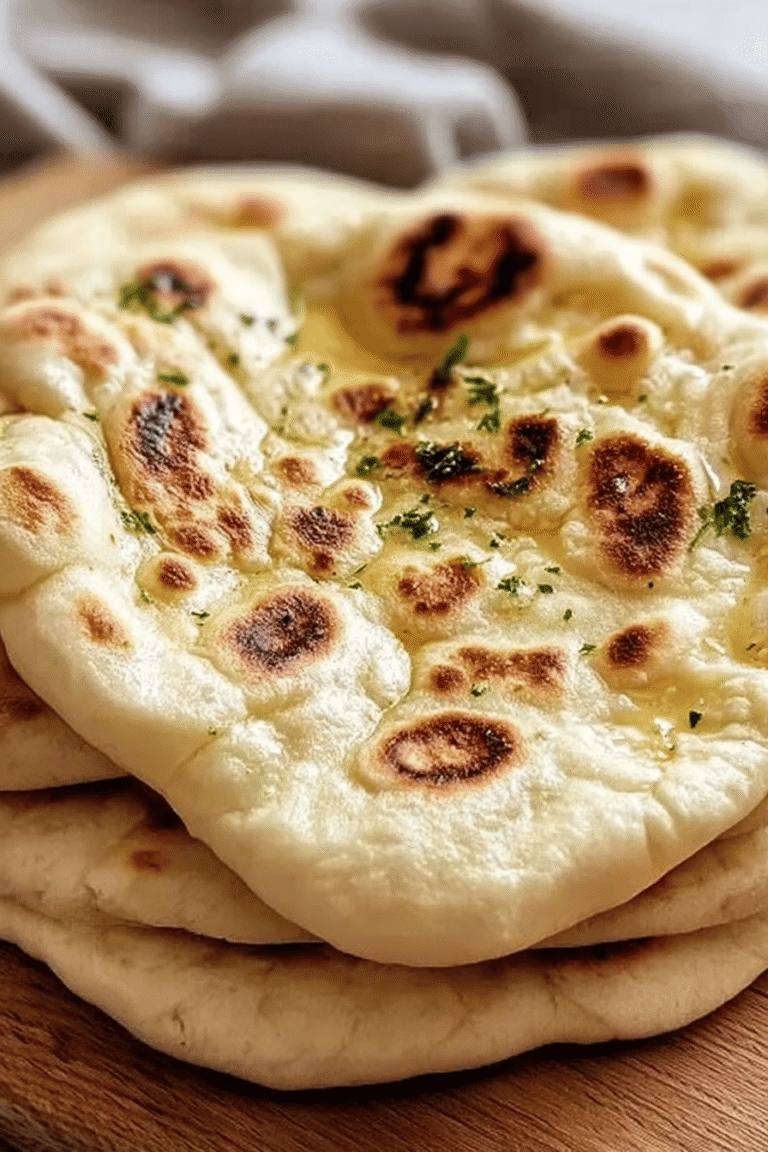
🥖 This Homemade Pita Bread recipe uses simple ingredients and easy steps to create soft, fluffy pockets perfect for sandwiches or dipping.
🍽️ Making pita bread at home allows for fresh, warm bread that can be customized and enjoyed any time with minimal fuss.
- Total Time: 1 hour 48 minutes
- Yield: 8 pitas
Ingredients
– 1 cup lukewarm water activates yeast and forms the dough
– 2 teaspoons active dry yeast helps the dough rise and creates air pockets
– 1/2 teaspoon sugar feeds the yeast for better fermentation
– 3 cups all-purpose flour provides structure and chewiness
– 1 to 2 teaspoons kosher salt enhances overall flavor
– 2 tablespoons extra virgin olive oil adds moisture and a subtle richness
Instructions
1-Make the sponge: In a large mixing bowl, combine 1 cup lukewarm water with 2 teaspoons active dry yeast and 1/2 teaspoon sugar, stirring until dissolved. Add 1/2 cup of the all-purpose flour and whisk until smooth. Place the bowl uncovered in a warm spot for about 15 minutes until the mixture is frothy and bubbly.
2-Form the dough: Add 1 to 2 teaspoons kosher salt, 2 tablespoons extra virgin olive oil, and most of the remaining flour (reserve about 1/2 cup for dusting). Stir until a shaggy mass forms, then dust with some flour and knead inside the bowl for about one minute to incorporate stray bits.
3-Knead the dough: Lightly flour a clean surface and knead the dough lightly for about 2 minutes until smooth. Cover and rest for 10 minutes, then knead again for a couple more minutes. The dough should be soft and slightly moist at this point.
4-Let dough rise: Clean the mixing bowl, coat lightly with extra virgin olive oil, place the dough inside, and turn to coat all sides. Cover tightly with plastic wrap, then a kitchen towel, and leave in a warm spot for 1 hour or until doubled in size.
5-Divide dough: Deflate the dough, place on a clean surface, divide into 7 or 8 equal pieces, shape into balls, cover with a towel, and let rest for about 10 minutes.
6-Shape pitas: Using a floured rolling pin, roll each ball into an 8-9 inch circle about 1/4 inch thick. Lift and turn frequently to prevent sticking, and add small amounts of flour if needed. Allow the dough to rest if it springs back too much.
7-Bake pitas: For the oven method, preheat to 475°F and heat a heavy baking tray or cast iron skillet on the middle rack. Place rolled pitas on the hot surface in batches and bake 2 minutes on one side, then turn and bake 1 more minute until puffed. For stovetop, heat a cast iron skillet over medium-high heat until water droplets sizzle, drizzle with a small amount of extra virgin olive oil and wipe excess, then cook each pita as directed, flipping as needed until puffed.
Last Step:
Please leave a rating and comment letting us know how you liked this recipe! This helps our business to thrive and continue providing free, high-quality recipes for you.Notes
🌡️ Ensure yeast bubbles during sponge stage; inactive yeast should be replaced.
👐 Minimal kneading is needed; dough should be soft and slightly moist.
🍞 Keep oven or skillet very hot for pitas to puff and develop pockets.
- Prep Time: 1 hour 45 minutes
- Resting time: 1 hour 10 minutes
- Cook Time: 3 minutes
- Category: Bread, Side, Snack
- Method: Kneading and Baking or Stovetop Cooking
- Cuisine: Mediterranean
- Diet: Vegetarian
Nutrition
- Serving Size: 1 pita