
Why You’ll Love This Reverse Sear Prime Rib
I’m excited to share my take on the reverse sear prime rib, a method that makes cooking this classic cut simple and rewarding. This approach ensures every bite is tender and juicy, perfect for family dinners or special occasions. Whether you’re a busy parent or a food enthusiast, you’ll appreciate how easy it is to get professional results at home.
One reason you’ll love this reverse sear prime rib is its straightforward preparation. The slow initial cooking followed by a quick sear means it’s ideal for beginners and experienced cooks alike, with minimal effort required for a standout dish. Plus, it retains the meat’s natural juices, making it a healthier option rich in protein and nutrients to support your balanced diet. It’s also versatile, easily adapted to various preferences like gluten-free or low-calorie versions, while the technique enhances the beef’s flavor for a truly delicious meal.
Benefits for Different Lifestyles
For home cooks and busy parents, this recipe fits into tight schedules with overnight seasoning and hands-off roasting. Students and working professionals will find it a reliable way to impress without spending all day in the kitchen. Diet-conscious individuals can tweak it for their needs, and even seniors or newlyweds can enjoy its elegant presentation with little fuss.
Jump to:
- Why You’ll Love This Reverse Sear Prime Rib
- Benefits for Different Lifestyles
- Essential Ingredients for Reverse Sear Prime Rib
- Special Considerations
- How to Prepare the Perfect Reverse Sear Prime Rib: Step-by-Step Guide
- Tips for Success
- Dietary Substitutions to Customize Your Reverse Sear Prime Rib
- Seasoning and Sauce Ideas
- Mastering Reverse Sear Prime Rib: Advanced Tips and Variations
- Flavor Enhancements
- How to Store Reverse Sear Prime Rib: Best Practices
- Meal Prep Tips
- FAQs: Frequently Asked Questions About Reverse Sear Prime Rib
- How do you cook prime rib using the reverse sear method?
- How long does it take to cook prime rib using the reverse sear?
- What internal temperature should prime rib be for medium-rare with the reverse sear method?
- How much prime rib should I buy per person for a dinner?
- What are some good side dishes to serve with reverse seared prime rib?
- Reverse Sear Prime Rib
- Ingredients
- Instructions
- Last Step:
- Notes
- Nutrition
- Did you make this recipe?
Essential Ingredients for Reverse Sear Prime Rib
Gathering the right ingredients is key to making this reverse sear prime rib a success. I’ll walk you through the list based on what works best in my kitchen, ensuring you have everything needed for a flavorful roast. Let’s start with the essentials that bring out the best in this cut of meat.
- 10 pound bone-in standing rib roast
- 2 tablespoons kosher salt
- ½ cup (1 stick) butter, softened
- 2 tablespoons finely chopped fresh rosemary
- 2 tablespoons finely chopped fresh thyme
- 1-2 tablespoons seasoning blend
- Freshly cracked black pepper
This structured list covers all the ingredients with precise measurements, making it easy to shop and prepare. Each item plays a role in creating that perfect balance of flavors and texture.
Special Considerations
If you’re looking to adapt, remember to check for gluten-free options in your seasoning blend. This setup ensures the recipe is comprehensive and ready for any kitchen adventure.
How to Prepare the Perfect Reverse Sear Prime Rib: Step-by-Step Guide
Let’s dive into the fun part: cooking your reverse sear prime rib. I love how this method turns a simple roast into something extraordinary with just a few steps. Start by prepping your ingredients and follow along for juicy, tender results every time.
- Generously season the roast with 2 tablespoons kosher salt, cover loosely with plastic wrap, and refrigerate overnight to enhance flavor.
- Remove the roast from the refrigerator and let it come to room temperature while preheating the oven or smoker to 200°F (93°C) for even cooking.
- In a small bowl, mix the softened ½ cup butter, 2 tablespoons chopped rosemary, 2 tablespoons chopped thyme, 1-2 tablespoons seasoning blend, and freshly cracked black pepper. Spread this mixture evenly over the entire roast for a flavorful coating.
- Place the roast in a large roasting pan and transfer it to the preheated oven or smoker. Roast until the internal temperature reaches 115°F (46°C) for medium-rare, which takes about 3.5 to 4 hours; use a reliable meat thermometer to monitor this accurately.
- Remove the roast from the oven and tent it loosely with aluminum foil. Let it rest for about 20 minutes to allow the juices to redistribute.
- Heat a large cast iron skillet over high heat. Once very hot, carefully sear the roast on all sides for 1 to 2 minutes per side to develop a rich crust.
- Remove the roast from the skillet and let it rest for another 3 to 5 minutes before slicing.
- Remove the rib bones and slice the meat into ½-inch thick pieces for serving, resulting in perfect portions.
This step-by-step guide incorporates the directions from my tested recipe, ensuring you achieve that ideal reverse sear prime rib. For more ideas on complementary dishes, check out my refreshing blueberry lemonade recipe to pair with your meal.
Tips for Success
Remember, the total preparation time is about 10 minutes prep, 3 hours 45 minutes cook, and 3 hours 55 minutes overall including resting and searing. Always adjust for your setup to get the best results.

Dietary Substitutions to Customize Your Reverse Sear Prime Rib
Adapting recipes to fit your needs is one of my favorite parts of cooking, and this reverse sear prime rib is no exception. Whether you’re vegan or watching calories, you can make changes that keep the dish delicious. Let’s explore some easy swaps to make it your own.
For protein alternatives, try using large portobello mushrooms or seitan instead of the prime rib to mimic its texture for plant-based diets. If you’re focused on nutrition, opt for grass-fed beef to boost the meal’s health benefits. When it comes to vegetables and seasonings, swap traditional sides with roasted root veggies or steamed greens for a fresh twist.
Seasoning and Sauce Ideas
Use gluten-free soy sauce in your gravy or reduce salt for low-sodium versions, adding herbs like rosemary and thyme for extra flavor. Experiment with spice blends to match your preferences, keeping the essence of this reverse sear prime rib intact.
| Dietary Need | Suggested Substitution |
|---|---|
| Vegan | Seitan or portobello mushrooms |
| Gluten-Free | Certified gluten-free seasonings |
| Low-Calorie | Trim excess fat and use less butter |
This table helps visualize options, making customization straightforward for any audience.
Mastering Reverse Sear Prime Rib: Advanced Tips and Variations
Once you’re comfortable with the basics of reverse sear prime rib, it’s time to level up with some pro tips. I always say that a little extra knowledge can turn a good meal into a great one, so let’s add some flair to your cooking routine. From precise techniques to creative twists, you’ll be a pro in no time.
- Use a probe thermometer with alarm settings for exact internal temperatures and avoid overcooking.
- Try dry aging the prime rib at home for deeper flavor, a simple way to elevate your dish.
- Experiment with herb crusts using rosemary, thyme, and mustard seeds, or add a coffee rub for a smoky note.
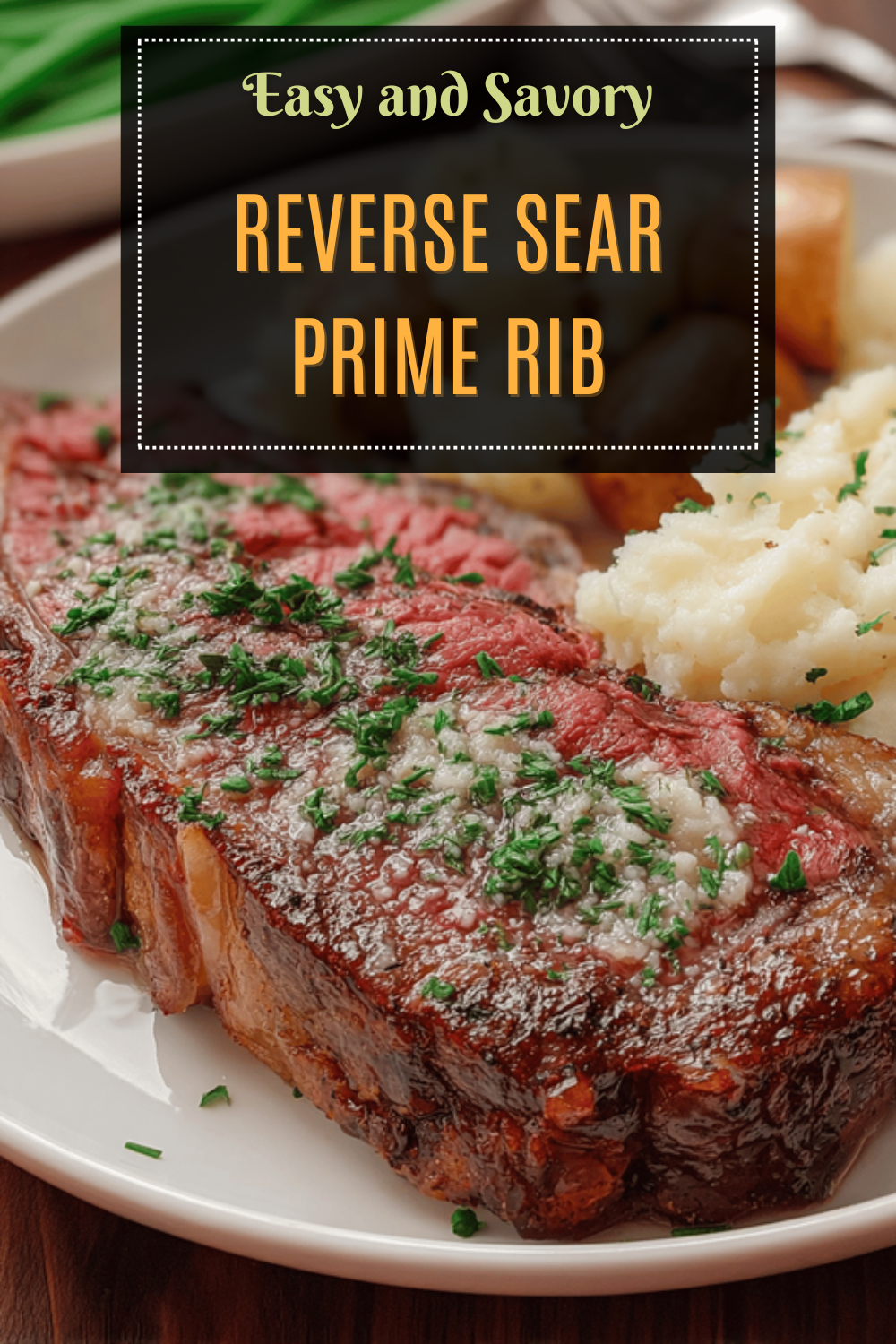
- For presentation, carve thin slices against the grain and pair with vibrant sides like a fresh salad.
- Make ahead by seasoning the night before to save time and let flavors soak in.
Remember the tips from my recipe, like planning for the sear to raise the temperature, and adjust for boneless roasts. For more dessert pairing ideas, visit my berry crisp recipe to end your meal on a sweet note.
Flavor Enhancements
These variations keep the reverse sear prime rib exciting, whether you’re hosting a party or enjoying a quiet dinner.
How to Store Reverse Sear Prime Rib: Best Practices
Proper storage is key to keeping your reverse sear prime rib fresh and tasty for leftovers. I always make sure to handle food safely, so let’s go over the best ways to store and reheat this delicious roast. This way, you can enjoy it over several meals without losing quality.
Store leftovers in an airtight container in the refrigerator within two hours of cooking, and they should last 3-4 days. For longer storage, wrap tightly in plastic wrap and aluminum foil or use vacuum-sealed bags to freeze for up to 3 months. When reheating, gently warm slices in a low oven or covered skillet with a splash of beef broth to keep them moist.
Meal Prep Tips
Slice and portion the meat right after cooking for easy meals throughout the week, always using proper techniques to maintain freshness. This approach works well for busy lifestyles, ensuring you have a quick, gourmet option ready.
FAQs: Frequently Asked Questions About Reverse Sear Prime Rib
How do you cook prime rib using the reverse sear method?
To cook prime rib with the reverse sear method, start by roasting the meat at a low temperature, around 200°F, until it reaches an internal temperature of 115°F for rare or 120°F for medium-rare. This slow roasting evenly cooks the meat. After removing it from the oven, let it rest for 15-20 minutes. Then, sear the prime rib on a hot cast iron skillet or under a broiler for 2-3 minutes per side to develop a flavorful crust. This approach yields tender, juicy meat with a caramelized outer layer.
How long does it take to cook prime rib using the reverse sear?
Cooking time depends on the size of the prime rib, but generally, it takes about 30-40 minutes per pound at 200°F during the initial slow roasting. For example, a 5-pound prime rib requires roughly 2.5 to 3 hours. The searing step takes only 5-10 minutes. Always use a meat thermometer to monitor the internal temperature for best results, and allow the meat to rest before searing to redistribute juices.
What internal temperature should prime rib be for medium-rare with the reverse sear method?
For medium-rare prime rib using the reverse sear technique, remove the roast from the oven when it reaches an internal temperature of about 120°F. After resting, sear it to raise the temperature to around 130-135°F, which is the ideal medium-rare range. Using a reliable meat thermometer ensures precise results and prevents overcooking.
How much prime rib should I buy per person for a dinner?
Plan for approximately ⅓ to ½ pound (5 to 8 ounces) of prime rib per person, depending on appetites and side dishes served. If you have hearty eaters or want leftovers, consider ½ pound per person. Buying the right amount helps avoid waste while ensuring everyone has enough to enjoy.
What are some good side dishes to serve with reverse seared prime rib?
Classic side dishes that complement prime rib include garlic mashed potatoes, roasted Brussels sprouts, creamy horseradish sauce, steamed green beans, and Yorkshire pudding. Choose sides that balance the richness of the meat with fresh, vibrant flavors. Including a rich gravy or au jus also enhances the overall meal experience.
Reverse Sear Prime Rib
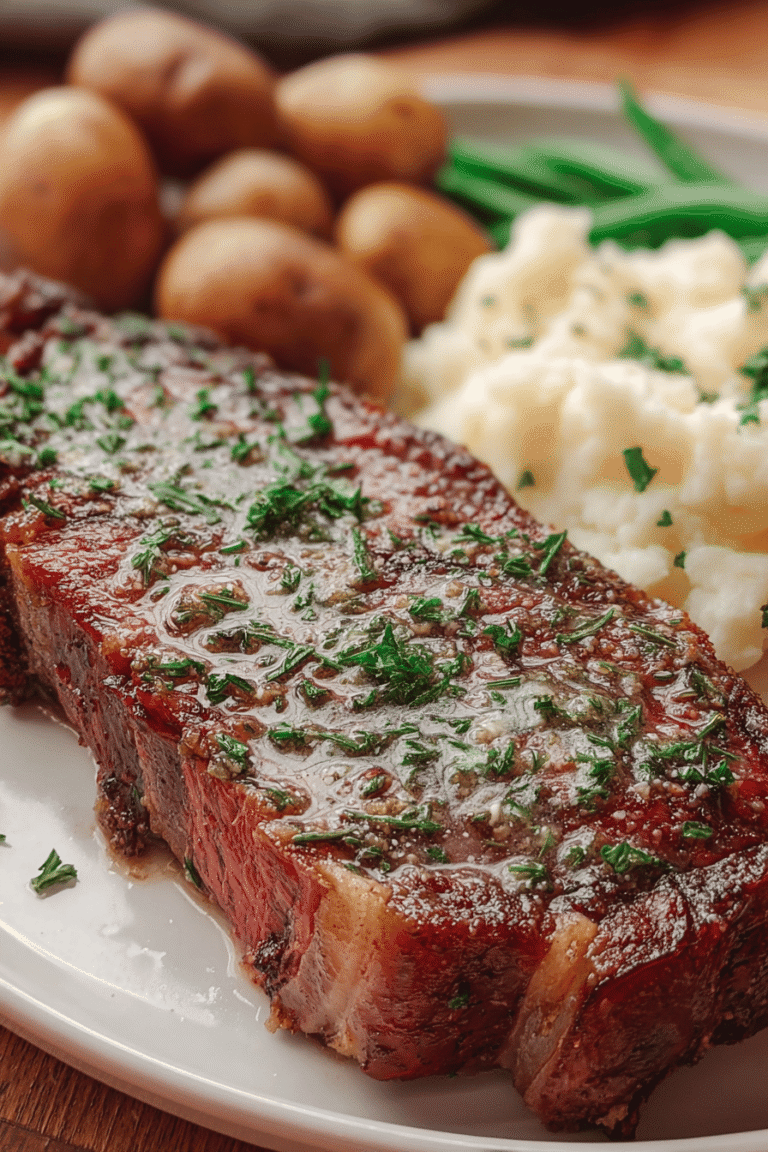
🥩 This Reverse Sear Prime Rib Recipe for Tender and Juicy Results ensures perfectly cooked, flavorful prime rib with a tender interior and rich crust.
🔥 Using a low and slow roasting method followed by a high-heat sear locks in juiciness and develops an irresistible crust.
- Total Time: 3 hours 55 minutes
- Yield: Approximately 20 servings (1/3 pound per person)
Ingredients
– 10 pound bone-in standing rib roast
– 2 tablespoons kosher salt
– ½ cup (1 stick) butter, softened
– 2 tablespoons finely chopped fresh rosemary
– 2 tablespoons finely chopped fresh thyme
– 1-2 tablespoons seasoning blend
– Freshly cracked black pepper
Instructions
1-Generously season the roast with 2 tablespoons kosher salt, cover loosely with plastic wrap, and refrigerate overnight to enhance flavor.
2-Remove the roast from the refrigerator and let it come to room temperature while preheating the oven or smoker to 200°F (93°C) for even cooking.
3-In a small bowl, mix the softened ½ cup butter, 2 tablespoons chopped rosemary, 2 tablespoons chopped thyme, 1-2 tablespoons seasoning blend, and freshly cracked black pepper. Spread this mixture evenly over the entire roast for a flavorful coating.
4-Place the roast in a large roasting pan and transfer it to the preheated oven or smoker. Roast until the internal temperature reaches 115°F (46°C) for medium-rare, which takes about 3.5 to 4 hours; use a reliable meat thermometer to monitor this accurately.
5-Remove the roast from the oven and tent it loosely with aluminum foil. Let it rest for about 20 minutes to allow the juices to redistribute.
6-Heat a large cast iron skillet over high heat. Once very hot, carefully sear the roast on all sides for 1 to 2 minutes per side to develop a rich crust.
7-Remove the roast from the skillet and let it rest for another 3 to 5 minutes before slicing.
8-Remove the rib bones and slice the meat into ½-inch thick pieces for serving, resulting in perfect portions.
Last Step:
Please leave a rating and comment letting us know how you liked this recipe! This helps our business to thrive and continue providing free, high-quality recipes for you.Notes
🌡️ Use a reliable meat thermometer to monitor internal temperature accurately.
🍽️ Serve with mashed potatoes, fresh salad, and gravy made from roast drippings.
🔥 Remember the final sear increases internal temperature; remove roast slightly below target to avoid overcooking.
- Prep Time: 10 minutes
- Cook Time: 3 hours 45 minutes
- Cook Time: 3 hours 45 minutes
- Category: Main Dish
- Method: Roasting, Searing
- Cuisine: American
- Diet: Gluten-Free
Nutrition
- Serving Size: 1/3 pound cooked prime rib