

Why You’ll Love This Rustic No Knead Rosemary Garlic Bread
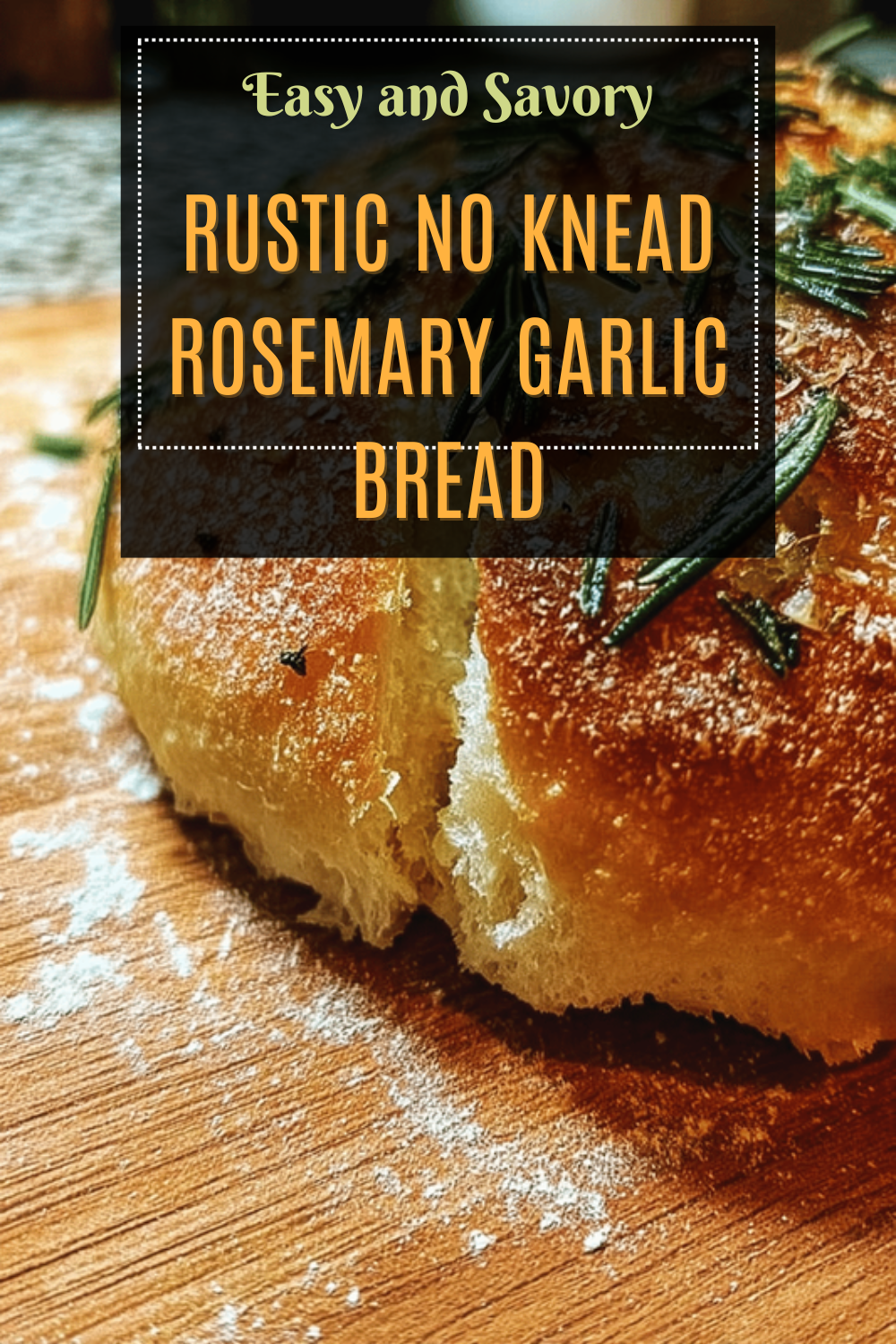
Imagine pulling a warm, aromatic loaf of Rustic No Knead Rosemary Garlic Bread straight from your oven, ready in just about two hours, and sharing it with family and friends. This recipe is perfect for baking enthusiasts and busy parents who want something homemade without the fuss of kneading dough by hand. You’ll love how its simple steps turn basic ingredients into a flavorful treat that fits right into everyday meals or special gatherings.
One of the best parts is its ease: with no fancy equipment needed beyond what’s in most kitchens, anyone can whip this up. The bread brings health benefits too, thanks to garlic and rosemary that add a boost of natural goodness. It’s versatile enough for diet-conscious folks, offering ways to tweak it while keeping that rustic charm that makes every bite feel special.
- Ease of preparation: This rustic no knead rosemary garlic bread recipe is incredibly simple, requiring minimal hands-on time and no complex kneading process, making it perfect for quick and stress-free cooking sessions.
- Health benefits: Packed with rosemary and garlic, this bread offers antioxidants and anti-inflammatory properties, supporting immune health and digestion, while using wholesome ingredients that contribute to overall nutrition.
- Versatility: Adaptable to various dietary needs, this bread can be customized with gluten-free flour alternatives and vegan substitutes without sacrificing its delightful texture or flavor.
- Distinctive flavor: The aromatic blend of fresh rosemary and roasted garlic creates a unique, savory taste that stands out from regular bread recipes, making it an appealing choice for any meal or snack.
For more baking inspiration, check out our delicious lemon blueberry bread that pairs perfectly with your next brunch.
Jump to:
- Why You’ll Love This Rustic No Knead Rosemary Garlic Bread
- Essential Ingredients for Rustic No Knead Rosemary Garlic Bread
- How to Prepare the Perfect Rustic No Knead Rosemary Garlic Bread: Step-by-Step Guide
- Dietary Substitutions to Customize Your Rustic No Knead Rosemary Garlic Bread
- Mastering Rustic No Knead Rosemary Garlic Bread: Advanced Tips and Variations
- Pro Cooking Techniques
- Flavor Variations
- How to Store Rustic No Knead Rosemary Garlic Bread: Best Practices
- FAQs: Frequently Asked Questions About Rustic No Knead Rosemary Garlic Bread
- Can I substitute whole wheat flour for bread flour in this no-knead rosemary garlic bread recipe?
- Is it okay to use roasted garlic instead of fresh minced garlic in the bread?
- What should I use if I don’t have a Dutch oven or a lid for baking the bread?
- How long does it take for the no-knead rosemary garlic bread dough to rise?
- Can I add other herbs or ingredients to customize the bread?
- Rustic No Knead Rosemary Garlic Bread
- Ingredients
- Instructions
- Last Step:
- Notes
- Nutrition
- Did you make this recipe?
Essential Ingredients for Rustic No Knead Rosemary Garlic Bread
When it comes to making Rustic No Knead Rosemary Garlic Bread, choosing the right ingredients sets the stage for success. Start with high-quality basics that bring out the bread’s hearty flavor and texture. These items come together easily, and you’ll see why this recipe is a favorite among home cooks and food enthusiasts.
Let’s break down what you need. The key is to measure precisely to ensure your bread turns out just right every time. Here’s a complete list based on the recipe, formatted clearly for easy shopping and prep.
- 1 tablespoon active dry yeast
- 1 ½ cups hot water (no hotter than 120 degrees Fahrenheit)
- 4 cups bread flour (can substitute all-purpose flour)
- 1 teaspoon salt
- 1 tablespoon fresh rosemary, chopped (or 1 teaspoon dried chopped rosemary)
- 1 tablespoon garlic, chopped (fresh or jarred pre-minced)
- Optional: a shake of pepper
- Equipment needed: dutch oven, cast iron skillet with lid, or bread-baking bowl with lid; parchment paper
Special Dietary Options allow for tweaks, like using gluten-free flour blends for those with sensitivities or plant-based options to keep it vegan. To learn more about healthy substitutions, visit this resource on herbs and health.
How to Prepare the Perfect Rustic No Knead Rosemary Garlic Bread: Step-by-Step Guide
Diving into this Rustic No Knead Rosemary Garlic Bread recipe feels like a breeze, especially since it’s designed for beginners and experts alike. Follow these steps to create a loaf that’s crispy on the outside and soft inside, ready in under two hours total. We’ll keep things simple and fun, just like a casual chat in the kitchen.
First, you’ll activate the yeast to get things started. This step ensures your bread rises beautifully without any hassle. Let’s walk through each part carefully so you can enjoy the process.
- Add yeast to hot water (115-120 degrees) and let sit for 5 minutes until foamy.
- Prepare rosemary by removing leaves from 2-3 stems, finely chop and set aside. Chop garlic or measure pre-minced garlic.
- Measure flour by lightly spooning into measuring cup and leveling with a knife to avoid packing.
- Mix chopped rosemary, garlic, and salt into flour in a large bowl.
- Pour foamy yeast mixture into the bowl with flour and mix with hands until a sticky but firm dough ball forms, no kneading required.
- Cover dough with damp cloth or plastic wrap and let rise in warm spot for 1 hour until doubled in size.
- About 20-30 minutes before time is up, preheat oven to 450 degrees.
- Lightly dust a flat surface, gently shape dough into a round loaf without squashing it.
- Place a large sheet of parchment paper into the dutch oven and put the dough inside. Score the top with a straight cut or X.
- Cover with lid and bake at 450 degrees Fahrenheit for 30 minutes. Remove lid and bake an additional 5-10 minutes until crust is golden brown.
- Cool before slicing, though it’s tempting to eat warm with vegan butter immediately.
This method highlights the bread’s rustic appeal, and for more baking ideas, try our easy berry crisp recipe.

Dietary Substitutions to Customize Your Rustic No Knead Rosemary Garlic Bread
One of the joys of Rustic No Knead Rosemary Garlic Bread is how easy it is to make it your own, especially for different dietary needs. Whether you’re catering to gluten-free diets or adding a vegan twist, these swaps keep the bread delicious and approachable. It’s all about making the recipe work for you without losing that wonderful flavor.
Protein and Main Component Alternatives let you play with the base. For instance, swap bread flour with gluten-free options to suit more folks.
- Substitute traditional wheat flour with gluten-free blends made from rice, tapioca, or almond flour to cater to gluten sensitivities.
- Use plant-based protein powders or seeds like chia and flax to boost protein content for vegan or vegetarian diets.
Vegetable, Sauce, and Seasoning Modifications add fun variety. Try new herbs or veggies to mix things up while keeping the bread’s core taste.
- Swap fresh rosemary for thyme or oregano to vary the herbal notes according to taste and seasonal availability.
- Replace garlic with roasted shallots or caramelized onions for a milder flavor.
- Add sun-dried tomatoes, olives, or caramelized bell peppers to introduce new textures and complementary flavors, keeping the bread exciting and customizable.
Remember, these changes help travelers and seniors enjoy a tailored version. For more tips, check out tips from experts at baking guides online.
Mastering Rustic No Knead Rosemary Garlic Bread: Advanced Tips and Variations
Once you’re comfortable with the basics of Rustic No Knead Rosemary Garlic Bread, it’s time to level up with some pro tips that make your loaves even better. These ideas come from real kitchen experiences and help you create something truly memorable. Think of this as your guide to turning a simple recipe into a signature dish.
Pro Cooking Techniques
Use a preheated cast iron Dutch oven with lid to replicate artisan bread baking conditions and achieve a crispy crust and soft interior. Always handle the dough gently to keep its airiness intact.
Flavor Variations
Experiment by adding grated cheese or spices to enhance the taste. For example, a bit of pepper can add a nice kick if you like it spicy.
- Flavor variations: Experiment by adding grated Parmesan, crushed red pepper flakes, or rosemary-infused sea salt for enhanced flavor profiles.
- Presentation tips: Garnish with fresh rosemary sprigs or a drizzle of high-quality olive oil before serving to elevate visual appeal.
- Make-ahead options: Prepare dough in advance, refrigerate for up to 48 hours for slow fermentation, or freeze dough balls for future baking sessions, ensuring flexibility for busy schedules.
| Nutrient | Amount |
|---|---|
| Calories | 185 kcal |
| Carbohydrates | 39g |
| Protein | 5g |
| Fat | 1g |
| Sodium | 234mg |
| Fiber | 2g |
| Sugar | 0.1g |
Remember, fresh ingredients like rosemary make all the difference it’s tips like these that turn good bread into great bread.
How to Store Rustic No Knead Rosemary Garlic Bread: Best Practices
Keeping your Rustic No Knead Rosemary Garlic Bread fresh is key to enjoying it over several days, especially for working professionals or students with packed schedules. Proper storage helps maintain that crispy crust and soft center without much effort. Follow these straightforward methods to keep your loaf tasting just-baked.
- Refrigeration: Store the bread in an airtight container or bread bag at room temperature for up to 3 days to maintain freshness.
- Freezing: Wrap the loaf tightly in plastic wrap and place in a freezer bag; freeze for up to 3 months. Thaw at room temperature before reheating.
- Reheating: Warm slices in a preheated oven at 350°F (175°C) for 5-10 minutes to re-crisp the crust without drying out the bread.
- Meal prep considerations: Slice and portion the bread before freezing for quick access to servings, ideal for batch cooking and meal planning.
Preparation Time includes prep time of 20 minutes, rising time of 1 hour, cook time of 45 minutes, and total time of approximately 2 hours 5 minutes, making it perfect for a quick bake.
FAQs: Frequently Asked Questions About Rustic No Knead Rosemary Garlic Bread
Can I substitute whole wheat flour for bread flour in this no-knead rosemary garlic bread recipe?
Yes, you can substitute whole wheat flour for bread flour, but it will affect the texture and rise. It’s best to start by replacing about 25% of the bread flour with whole wheat flour to maintain a lighter loaf. Using 50-75% whole wheat flour is possible but may result in a denser, heavier bread. Adjustments in hydration might be needed because whole wheat flour absorbs more water.
Is it okay to use roasted garlic instead of fresh minced garlic in the bread?
Roasted garlic can be used as a flavorful alternative to fresh minced garlic. It has a milder, sweeter taste that blends well with the rosemary. When substituting, use a similar quantity based on taste preference. Roasted garlic also adds a soft texture, so spreading it evenly in the dough helps keep a consistent garlic flavor throughout.
What should I use if I don’t have a Dutch oven or a lid for baking the bread?
If you don’t have a Dutch oven or a lid, you can cover the baking vessel with aluminum foil during the initial baking phase to trap steam. Use non-stick or lightly oiled foil to avoid sticking. This creates the moist environment needed for crust development. Remove the foil towards the end to let the bread brown and form a crispy crust.
How long does it take for the no-knead rosemary garlic bread dough to rise?
For this recipe, the dough typically needs to rise for 12 to 18 hours at room temperature. This slow fermentation develops flavor and a rustic texture without kneading. The dough should roughly double in size and become bubbly. Longer rise times (up to 24 hours) are possible but may affect the dough’s elasticity.
Can I add other herbs or ingredients to customize the bread?
Absolutely! The dough is versatile and works well with additions like thyme, oregano, sun-dried tomatoes, or olives. Add herbs fresh or dried in small amounts, and evenly distribute other ingredients to avoid weighing down the dough. Incorporating complementary flavors alongside rosemary and garlic can create a variety of tasty rustic breads.
Rustic No Knead Rosemary Garlic Bread
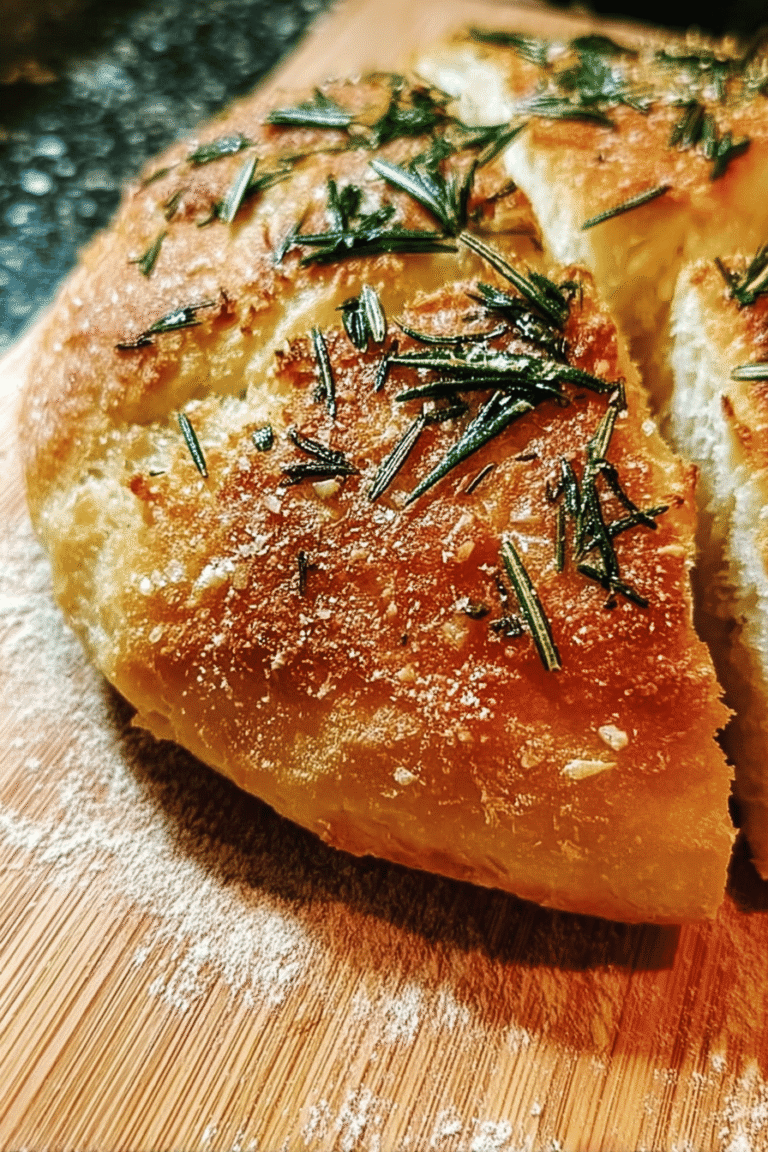
🍞 This Rosemary Garlic No Knead Bread is a simple, quick way to enjoy homemade artisan bread without the effort of kneading.
🌿 The aromatic rosemary and garlic add a flavorful twist, making it a delicious and impressive bread perfect for any meal.
- Total Time: 2 hours 5 minutes
- Yield: 1 loaf (about 10 servings)
Ingredients
– 1 tablespoon active dry yeast
– 1 ½ cups hot water (no hotter than 120 degrees Fahrenheit)
– 4 cups bread flour (can substitute all-purpose flour)
– 1 teaspoon salt
– 1 tablespoon fresh rosemary, chopped (or 1 teaspoon dried chopped rosemary)
– 1 tablespoon garlic, chopped (fresh or jarred pre-minced)
– a shake of pepper
Instructions
1- Add yeast to hot water (115-120 degrees) and let sit for 5 minutes until foamy.
2- Prepare rosemary by removing leaves from 2-3 stems, finely chop and set aside. Chop garlic or measure pre-minced garlic.
3- Measure flour by lightly spooning into measuring cup and leveling with a knife to avoid packing.
4- Mix chopped rosemary, garlic, and salt into flour in a large bowl.
5- Pour foamy yeast mixture into the bowl with flour and mix with hands until a sticky but firm dough ball forms, no kneading required.
6- Cover dough with damp cloth or plastic wrap and let rise in warm spot for 1 hour until doubled in size.
7- About 20-30 minutes before time is up, preheat oven to 450 degrees.
8- Lightly dust a flat surface, gently shape dough into a round loaf without squashing it.
9- Place a large sheet of parchment paper into the dutch oven and put the dough inside. Score the top with a straight cut or X.
10- Cover with lid and bake at 450 degrees Fahrenheit for 30 minutes. Remove lid and bake an additional 5-10 minutes until crust is golden brown.
11- Cool before slicing, though it’s tempting to eat warm with vegan butter immediately.
Last Step:
Please leave a rating and comment letting us know how you liked this recipe! This helps our business to thrive and continue providing free, high-quality recipes for you.Notes
🌟 Use fresh active dry yeast; if yeast does not foam in water, it may be inactive.
🌡️ Keep water temperature below 120 degrees Fahrenheit to prevent killing the yeast.
🌿 Fresh rosemary provides best flavor, but dried can be used at a 1:3 ratio if necessary.
⚖️ Measure flour by spooning lightly and leveling to avoid dense bread.
🔥 Use a dutch oven or cast iron skillet with lid for best crust; if no lid, cover with oiled foil.
🤲 Handle dough gently during shaping to retain airiness.
❄️ Allow bread to cool before slicing for best texture, though warm bread is tempting.
- Prep Time: 20 minutes
- Rising time: 1 hour
- Cook Time: 45 minutes
- Category: Bread
- Method: No-knead baking
- Cuisine: Rustic
- Diet: Vegetarian
Nutrition
- Serving Size: 1 slice (1/10 loaf)
- Calories: 185
- Sugar: 0.1g
- Sodium: 234mg
- Fat: 1g
- Saturated Fat: 0.1g
- Carbohydrates: 39g
- Fiber: 2g
- Protein: 5g
- Cholesterol: 0mg