

Why You’ll Love This Rustic Rosemary Parmesan Bread
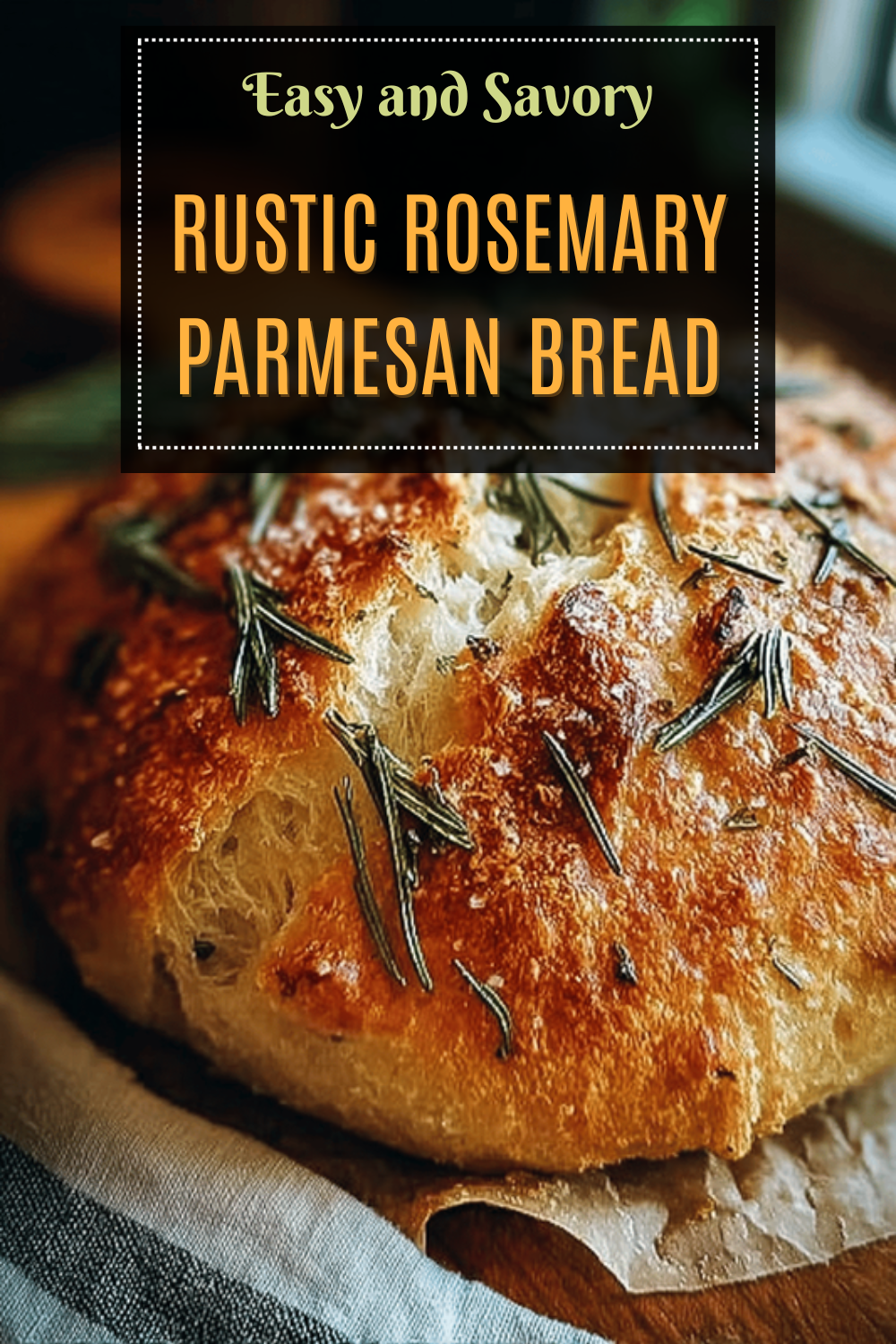
This rustic rosemary parmesan bread is a simple delight that combines the earthy aroma of fresh herbs with the savory bite of cheese, making it a hit for home bakers. Its no-knead method means you can whip up a flavorful loaf with minimal effort, turning basic ingredients into something special. Whether you’re a busy parent or a baking enthusiast, this bread fits into your routine while delivering a tasty, aromatic experience.
One of the best parts is its ease of preparation, with straightforward steps that require little more than mixing and waiting. The bread offers potential health benefits too, like antioxidants from rosemary and protein from parmesan, which can support everyday wellness. Plus, it’s versatile enough to adapt to different dietary needs, ensuring everyone at your table can enjoy a slice.
Key Features of This Bread
- It uses a no-knead technique for easy handling, perfect for beginners and saving time in the kitchen.
- The combination of rosemary and parmesan creates a fragrant, savory flavor that pairs well with meals or snacks.
- You can customize it for various diets, such as vegan or gluten-free options, without losing its charm.
As you bake this rustic rosemary parmesan bread, you’ll appreciate how it brings people together with its warm, inviting scent. For more baking ideas, check out our classic chocolate chip cookies recipe on the blog.
Jump to:
- Why You’ll Love This Rustic Rosemary Parmesan Bread
- Key Features of This Bread
- Essential Ingredients for Rustic Rosemary Parmesan Bread
- Main Ingredients List
- Special Dietary Options
- How to Prepare the Perfect Rustic Rosemary Parmesan Bread: Step-by-Step Guide
- Detailed Steps
- Dietary Substitutions to Customize Your Rustic Rosemary Parmesan Bread
- Options for Protein and Main Components
- Ideas for Vegetables, Sauces, and Seasonings
- Mastering Rustic Rosemary Parmesan Bread: Advanced Tips and Variations
- Pro Techniques and Flavor Ideas
- How to Store Rustic Rosemary Parmesan Bread: Best Practices
- FAQs: Frequently Asked Questions About Rustic Rosemary Parmesan Bread
- Why is my Rustic Rosemary Parmesan Bread flatter than expected?
- Can I bake Rustic Rosemary Parmesan Bread without a Dutch oven?
- How should I store rosemary parmesan bread to keep it fresh and crusty?
- What causes dough to become too sticky or runny, and how can I fix it?
- Can I substitute bread flour or add sourdough starter to this recipe?
- Rustic Rosemary Parmesan Bread
- Ingredients
- Instructions
- Last Step:
- Notes
- Nutrition
- Did you make this recipe?
Essential Ingredients for Rustic Rosemary Parmesan Bread
Getting the ingredients right is key to making this rustic rosemary parmesan bread turn out just right. We’ll focus on the core items needed, drawing from reliable sources to ensure accuracy. Using precise measurements helps create a dough that rises well and bakes into a crusty loaf.
Main Ingredients List
Here’s a structured list of all the ingredients mentioned, based on the recipe details. Each one is listed with its precise measurement or description to make shopping and preparation straightforward:
- All-purpose flour (with higher protein content, quantity not specified but typically measured by weight for accuracy)
- Salt (measured by weight, quantity not specified)
- Instant yeast (quantity not specified; active dry yeast can be substituted without adjustment)
- Cool or lukewarm water (quantity not specified)
- Fresh rosemary (about one robust sprig, or half the amount if dried and chopped)
- Finely grated parmesan cheese from a block (quantity not specified; pre-grated powdery cheese is not recommended)
This list covers everything you need for the recipe, so double-check before you start. For special tweaks, consider options like vegan substitutes to fit different diets.
Special Dietary Options
If you’re adapting for dietary needs, try these swaps: use plant-based cheese instead of parmesan for vegan versions, or opt for gluten-free flour blends. These changes keep the bread tasty while meeting your preferences. To learn more about parmesan benefits, visit this helpful resource.
How to Prepare the Perfect Rustic Rosemary Parmesan Bread: Step-by-Step Guide
Making rustic rosemary parmesan bread is straightforward with this no-knead method, which lets time do most of the work. Start by mixing the dry ingredients to ensure even flavor distribution, then add water to form a sticky dough. Let it rise for about 18-20 hours at room temperature for that deep, tasty development.
Once risen, shape the dough gently into a loaf without pressing out the air bubbles, and let it rest. Preheat your oven to 450°F with a covered pot inside to trap steam for a crispy crust. Bake covered for 30 minutes, then uncover for another 10-15 minutes until golden.
Detailed Steps
- Thoroughly mix the dry ingredients: flour, salt, yeast, parmesan cheese, and minced rosemary.
- Add cool water and stir until a sticky, shaggy dough forms, then cover and let it rise for 18-20 hours.
- Gently shape the dough into an oval or round loaf using light flouring, creating surface tension to keep air bubbles intact.
- Transfer the shaped dough to flattened, crumpled parchment paper and let it rest for 30 minutes.
- Score the dough surface to allow steam to escape, then bake in a preheated covered pot at 450°F for 30 minutes.
- Uncover and bake for an additional 10-15 minutes until the loaf is golden brown and crusty; cool completely before slicing.
This process takes about 20 minutes of active prep, plus rising and baking time, making it ideal for beginners. The long fermentation builds flavor and structure without kneading, resulting in a loaf that’s great for sandwiches or toasting.

Dietary Substitutions to Customize Your Rustic Rosemary Parmesan Bread
One of the joys of this rustic rosemary parmesan bread is how easy it is to tweak for different needs. You can swap ingredients to make it fit a vegan diet or add more protein for a hearty meal. These changes keep the bread’s essence while opening up new flavors.
Options for Protein and Main Components
- Replace parmesan cheese with plant-based vegan cheeses or nutritional yeast for a dairy-free twist.
- Use chickpea or almond flour mixtures to boost protein and accommodate gluten-free diets.
Ideas for Vegetables, Sauces, and Seasonings
- Swap fresh rosemary with other herbs like thyme or oregano to change the taste profile.
- Incorporate additions like roasted garlic or sun-dried tomato bits for extra flavor depth.
- Adjust seasonings with options like sea salt or black pepper to suit your spice level.
These customizations make the bread adaptable for any occasion or dietary preference.
Mastering Rustic Rosemary Parmesan Bread: Advanced Tips and Variations
Once you’re comfortable with the basics, try advanced techniques to elevate your rustic rosemary parmesan bread. Using a kitchen scale for precise measuring ensures the dough has the right hydration, while adjusting yeast based on kitchen temperature helps avoid over-rising. Cold dough is easier to shape and less sticky, giving you better control.
Pro Techniques and Flavor Ideas
| Technique | Benefit |
|---|---|
| Use a baking stone or cast-iron skillet | Achieves a crispier crust by retaining heat |
| Add steam during baking | Enhances texture and rise for a professional finish |
| Experiment with flavors like sun-dried tomatoes or nuts | Creates new taste profiles for variety |
For storage, keep the bread in breathable materials at room temperature for up to 5-7 days, or freeze slices for later. Variations like substituting durum flour or adding a sourdough starter can add depth. Check out our berry crisp recipe for another easy baking option that pairs well with bread.
As a blockquote, remember: “The recipe relies on long fermentation to develop flavor and gluten structure without kneading, making it forgiving and suitable for beginners.”
How to Store Rustic Rosemary Parmesan Bread: Best Practices
Proper storage keeps your rustic rosemary parmesan bread fresh and crusty for as long as possible. Avoid the fridge, as it can make the bread stale quickly; instead, use breathable bags for room temperature storage. Freezing works great for longer-term needs, so slice and wrap portions before popping them in the freezer.
- Store at room temperature in a paper or cloth bag for up to 5-7 days.
- Freeze in airtight bags, then reheat slices in the oven for a quick refresh.
- Label packages with dates to track freshness during meal prep.
FAQs: Frequently Asked Questions About Rustic Rosemary Parmesan Bread
Why is my Rustic Rosemary Parmesan Bread flatter than expected?
A flatter loaf often results from overproofing the dough, improper shaping, or using a Dutch oven that’s too large. Overproofed dough can lose its structure, while insufficient surface tension during shaping limits oven spring. Using a smaller, well-heated Dutch oven helps retain steam for better rise and crust development. To prevent flattening, follow proofing times closely and practice gentle, tight shaping.
Can I bake Rustic Rosemary Parmesan Bread without a Dutch oven?
Yes, but results may vary. A Dutch oven traps steam, promoting a crispy crust and good rise. If unavailable, bake the bread on a preheated baking stone or sheet and add steam by placing a pan of water in the oven or misting the dough before baking. A convection oven can be used but may require lowering the temperature by 20°F and careful monitoring to avoid excessive browning.
How should I store rosemary parmesan bread to keep it fresh and crusty?
Store the bread at room temperature in a paper bag, linen bread bag, or bread box with ventilation to preserve the crust’s crunchiness. Avoid plastic bags as they trap moisture and soften the crust. Refrigeration speeds up staling and is not recommended. For longer storage, slice the bread, freeze it in an airtight container or bag, and toast slices directly from frozen.
What causes dough to become too sticky or runny, and how can I fix it?
Sticky or runny dough can be due to excessive water, high humidity, or using inactive yeast. To fix this, reduce the water by about 10 to 20 grams, ensure measurements are precise using a kitchen scale, and verify yeast freshness. Additionally, proof dough in a cooler environment or briefly refrigerate to slow fermentation and improve dough handling.
Can I substitute bread flour or add sourdough starter to this recipe?
Bread flour can replace all-purpose flour to create a chewier texture due to its higher protein content. Adding sourdough starter is possible by swapping some flour and water for the starter, but it’s best to keep some commercial yeast for a reliable rise. Adjust fermentation times accordingly and monitor dough consistency closely since starter hydration levels may vary.
Rustic Rosemary Parmesan Bread
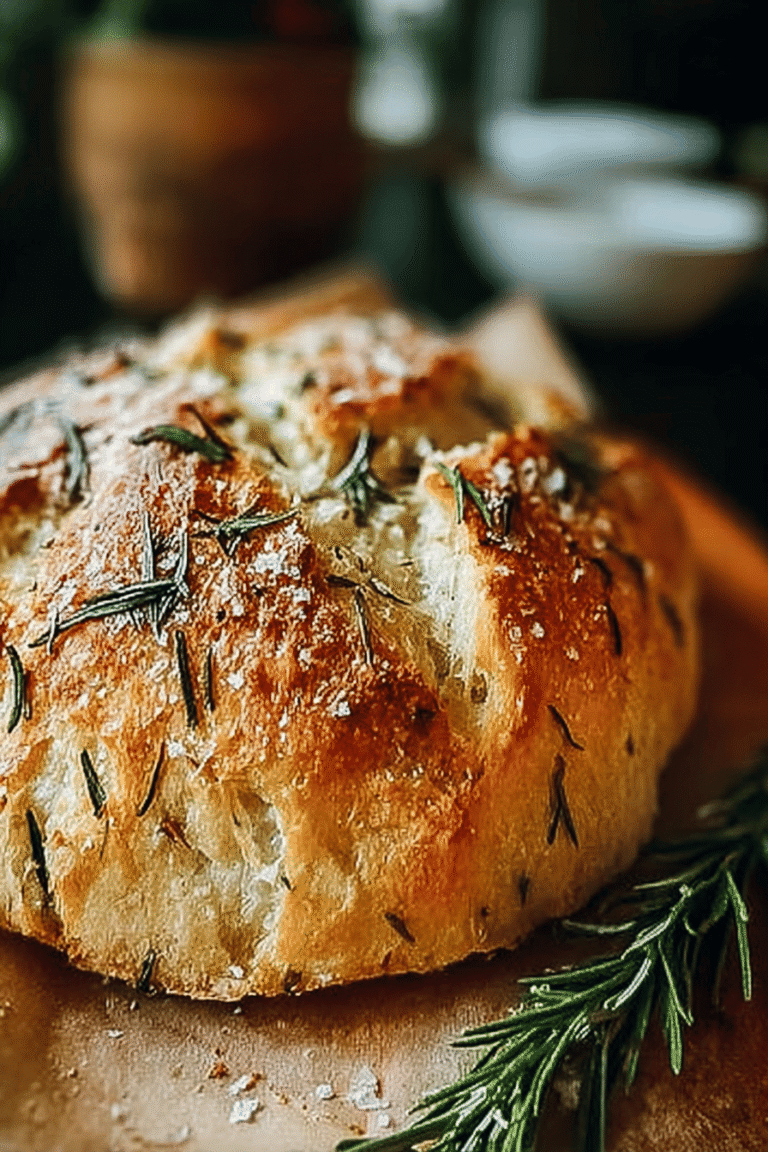
🌿 This Rosemary Parmesan Bread offers a fragrant, flavorful loaf with a crispy garlic crust and tender crumb.
🧀 The no-knead method makes it easy for beginners to create a rustic, artisan-style bread packed with fresh rosemary and parmesan cheese.
- Total Time: 20 hours 45 minutes
- Yield: 1 loaf
Ingredients
– All-purpose flour
– Salt
– Instant yeast
– Cool or lukewarm water
– Fresh rosemary (about one robust sprig, or half the amount if dried and chopped)
– Finely grated parmesan cheese from a block
Instructions
1-Thoroughly mix the dry ingredients: flour, salt, yeast, parmesan cheese, and minced rosemary.
2-Add cool water and stir until a sticky, shaggy dough forms, then cover and let it rise for 18-20 hours.
3-Gently shape the dough into an oval or round loaf using light flouring, creating surface tension to keep air bubbles intact.
4-Transfer the shaped dough to flattened, crumpled parchment paper and let it rest for 30 minutes.
5-Score the dough surface to allow steam to escape, then bake in a preheated covered pot at 450°F for 30 minutes.
6-Uncover and bake for an additional 10-15 minutes until the loaf is golden brown and crusty; cool completely before slicing.
Last Step:
Please leave a rating and comment letting us know how you liked this recipe! This helps our business to thrive and continue providing free, high-quality recipes for you.Notes
⚖️ Use a kitchen scale to measure ingredients accurately for proper dough consistency.
❄️ Cold dough rises slower and is easier to handle; shaping with lightly floured or damp hands helps maintain structure.
🌬️ Store bread in breathable materials like cloth or paper bags at room temperature to keep crust crisp; avoid refrigeration to prevent staling.
- Prep Time: 20 minutes
- Resting time: 18-20 hours
- Cook Time: 40-45 minutes
- Category: Bread
- Method: No-Knead Baking
- Cuisine: Rustic/Artisan
- Diet: Vegetarian
Nutrition
- Serving Size: 1 slice