
Why You’ll Love This Slow Roasted Lamb Shoulder
Imagine coming home to a meal that’s tender, flavorful, and ready with little effort this slow roasted lamb shoulder hits the spot. It’s simple to prepare, taking just a few minutes to set up before the oven does the work, making it perfect for busy days. Whether you’re new to cooking or a pro, this recipe delivers juicy results that everyone will enjoy.
Plus, slow roasting keeps the lamb’s nutrients intact, giving you a boost of protein and vitamins in every bite. This method uses minimal oil, which helps support a healthy lifestyle without losing that rich taste. It’s a smart choice if you’re watching your diet while still wanting something delicious.
This dish is also flexible, letting you tweak it for different needs like gluten-free or low-calorie options. You can pair it with all sorts of sides, from veggies to grains, to fit your mood or meal plan. That versatility makes it a go-to for any occasion, from weeknight dinners to special gatherings.
Here are a few reasons it stands out:
- It creates a deep, savory flavor that comes from slow cooking, turning the lamb into something truly special.
- The herbs and garlic add a fresh twist that elevates the taste without overwhelming it.
- It serves as a base for creative meals, like adding it to salads or sandwiches the next day.
For a refreshing drink to go with this hearty meal, check out our blueberry lemonade recipe that pairs nicely with lamb.
Jump to:
- Why You’ll Love This Slow Roasted Lamb Shoulder
- Essential Ingredients for Slow Roasted Lamb Shoulder
- How to Prepare the Perfect Slow Roasted Lamb Shoulder: Step-by-Step Guide
- Tips for Success
- Dietary Substitutions to Customize Your Slow Roasted Lamb Shoulder
- Mastering Slow Roasted Lamb Shoulder: Advanced Tips and Variations
- How to Store Slow Roasted Lamb Shoulder: Best Practices
- FAQs: Frequently Asked Questions About Slow Roasted Lamb Shoulder
- What is the best cooking time and temperature for slow roasting lamb shoulder?
- How do I adjust the cooking time when using a boneless lamb shoulder?
- Can I cook two lamb shoulders at the same time, and how does that affect cooking time?
- What’s the best way to add flavor with herbs and garlic when preparing slow roasted lamb shoulder?
- How can I make gravy from the lamb roasting pan drippings?
- Slow Roasted Lamb Shoulder
- Ingredients
- Instructions
- Last Step:
- Notes
- Nutrition
- Did you make this recipe?
Essential Ingredients for Slow Roasted Lamb Shoulder
Gathering the right ingredients is key to making this slow roasted lamb shoulder shine. Each item plays a role in building layers of flavor and texture. Start with fresh, quality picks to get the best results every time.
Below is a complete list of everything you’ll need. I’ve pulled this directly from the recipe to ensure you have the exact amounts for success. Remember, using precise measurements helps the dish turn out just right.
- 1.8 kg (3.5 lb) bone-in lamb shoulder
- 2 tablespoons olive oil
- 2 teaspoons salt
- 1 teaspoon black pepper
- 1 onion, quartered (unpeeled)
- 1 head garlic, halved horizontally
- 3 garlic cloves, cut into slivers
- 8 sprigs rosemary
- 1 cup water
- 2 tablespoons flour (for the gravy)
- 2 cups beef broth (or 1 cup red wine + 1 cup water, for the gravy)
- Salt and pepper to taste (for the gravy)
This setup keeps things straightforward and tasty. If you’re curious about how lamb fits into a healthy diet, read more about the health benefits of lamb.
How to Prepare the Perfect Slow Roasted Lamb Shoulder: Step-by-Step Guide
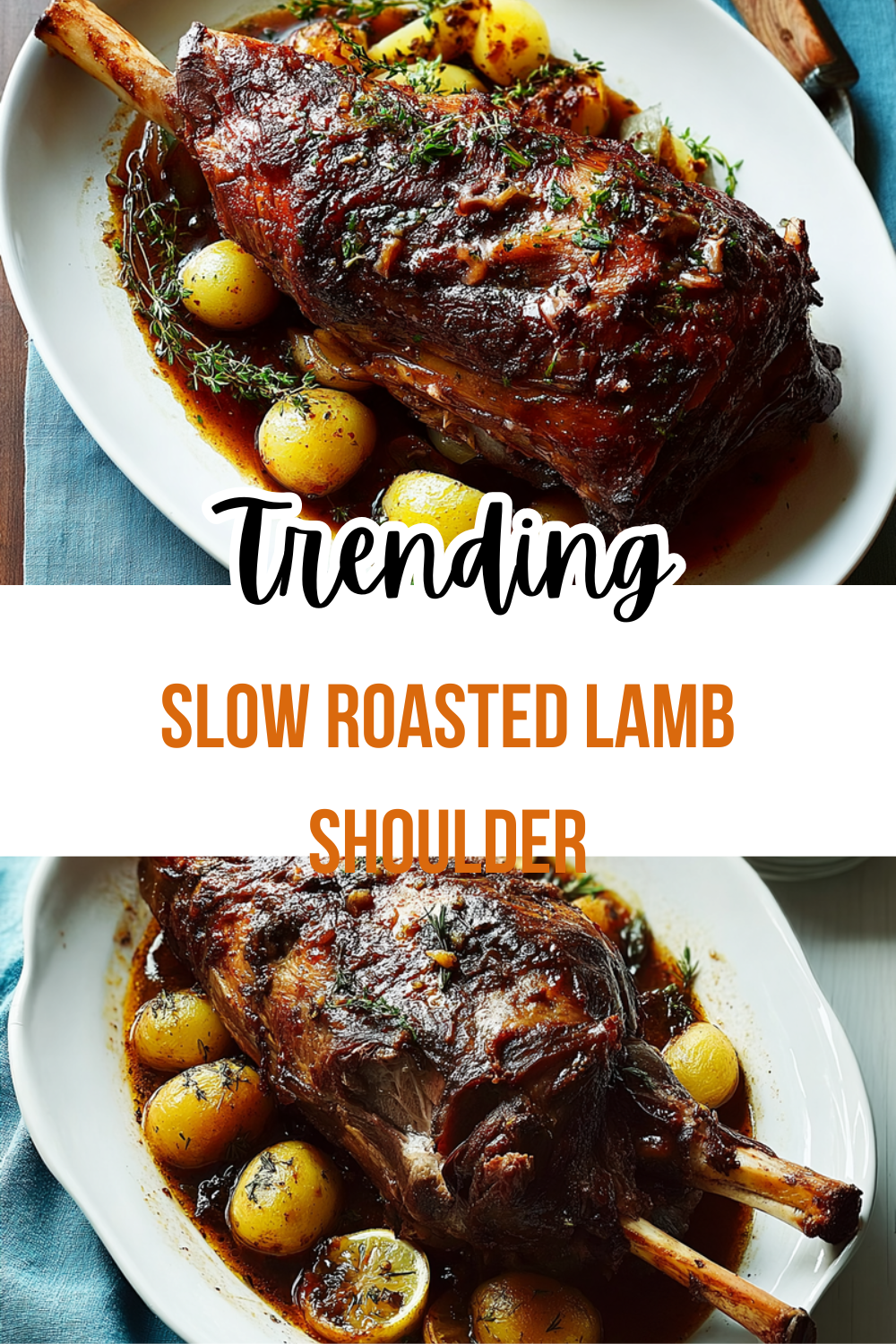
Getting started with this slow roasted lamb shoulder is easier than you might think. First, heat your oven to 240°C (465°F) or 220°C if using a fan. Rub the lamb with 2 tablespoons of olive oil, 2 teaspoons of salt, and 1 teaspoon of black pepper for that flavorful base.
Next, make about 12 deep cuts in the lamb without going all the way through, and stuff them with the rosemary sprigs and garlic slivers. Place the quartered onion, halved garlic head, and extra rosemary in the bottom of your roasting pan, then set the lamb on top. Pour 1 cup of water around the lamb, cover the pan tightly with a lid or foil, and drop the oven temperature to 180°C (350°F) or 160°C for fan mode.
Let it slow roast covered for around 3 hours, but adjust based on the lamb’s size. After that time, take off the cover and check if the pan is dry if it is, add a bit more water to avoid burning. Crank the heat back up to 220°C (425°F) and roast uncovered for 20 to 30 minutes to get a nice crisp on the outside.
To check if it’s done, use forks to see if the meat pulls apart easily; if not, cover it again and cook longer at the lower temperature. Once it’s ready, let the lamb rest loosely covered with foil and towels for at least 20 minutes. This step helps the juices settle, making every bite even better.
For the gravy, scoop out any extra fat from the pan, then stir in 2 tablespoons of flour over medium heat for about 30 seconds. Slowly add 2 cups of beef broth or the wine and water mix while stirring. Mash the onion and garlic in the pan to mix in their flavors, let it simmer until it thickens a bit, then season with salt and pepper, strain, and serve alongside the lamb.
The whole process takes about 15 minutes to prep, 3 hours and 30 minutes to cook, plus 20 to 30 minutes for browning, totaling around 3 hours and 45 minutes. For more on roasting techniques, visit this guide on slow roasting basics.
Tips for Success
Lamb shoulder is juicier than lamb leg, but it needs that slow cook to shine. Rosemary works great for stuffing because of its sturdy sprigs. Keep in mind, cooking times change with size if it’s smaller or boneless, it might take less time.
Watch the liquid during the final roast; add water if it evaporates to keep things from burning. A 1.5 kg shoulder feeds about 4 people, and it’s best pulled apart with forks. Don’t skip the rest; it makes the meat even more tender. If you prefer, adapt this for a slow cooker by setting it on low for about 8 hours.

Dietary Substitutions to Customize Your Slow Roasted Lamb Shoulder
Making this slow roasted lamb shoulder fit your needs is simple with a few swaps. For instance, if you’re going vegetarian, try jackfruit or seitan instead of lamb to keep that pulled texture. These options soak up the flavors just as well, so your meal stays tasty.
For a lower-fat version, swap in a lean cut of beef or pork shoulder and use the same seasonings. When it comes to veggies, switch out the onion for something like butternut squash if you want a seasonal twist. It’s all about making the dish work for you without losing that great taste.
Another easy change is using gluten-free broth in the gravy or opting for tamari instead of soy sauce. If you’re cutting sodium, focus on fresh herbs like extra rosemary to amp up the flavor naturally. These tweaks let you enjoy the recipe no matter your preferences.
Mastering Slow Roasted Lamb Shoulder: Advanced Tips and Variations
Once you’re comfortable with the basics, try some pro techniques to take your slow roasted lamb shoulder to the next level. For example, use a meat thermometer to hit that perfect internal temperature and avoid dry meat. Letting the lamb marinate overnight can really deepen those garlic and rosemary notes, making every bite more flavorful.
If you’re up for it, experiment with sous-vide for even more tenderness it’s a game-changer for busy folks. To vary the taste, mix in spices like cumin or smoked paprika to the rub for a new twist. Adding red wine to the broth brings extra depth that pairs wonderfully with the lamb’s richness.
Presentation matters too, so garnish with fresh rosemary or lemon zest to make it look as good as it tastes. Slice against the grain for the best texture, and if you’re prepping ahead, make the marinade the day before. That way, you can cook and reheat easily, keeping everything juicy for your next meal.
For a sweet side that complements this savory dish, check out our berry crisp recipe to round out your feast.
How to Store Slow Roasted Lamb Shoulder: Best Practices
Proper storage keeps your slow roasted lamb shoulder fresh and tasty for later. Let it cool to room temperature first, then cover it tightly with foil or put it in an airtight container before chilling in the fridge. It should last up to 3-4 days this way, ready for quick meals.
For longer keep, wrap the lamb tightly in plastic and foil or use a freezer-safe container it can stay good for up to 3 months. When reheating, go low and slow in the oven at 275°F covered with foil to lock in moisture, or use a microwave with a damp paper towel for smaller portions.
Meal prep tip: Slice and portion it out before storing to make weekdays easier. This helps maintain the quality and lets you enjoy that tender lamb without much fuss.
FAQs: Frequently Asked Questions About Slow Roasted Lamb Shoulder
What is the best cooking time and temperature for slow roasting lamb shoulder?
For slow roasting lamb shoulder, preheat your oven to 160°C (320°F) and cook the meat covered for about 3 to 3.5 hours per 1.5 kg (3.3 lbs). This low and slow method helps break down connective tissues, resulting in tender, juicy meat that easily pulls apart. Remove the cover during the last 20-30 minutes to develop a crispy, golden crust.
How do I adjust the cooking time when using a boneless lamb shoulder?
When cooking boneless lamb shoulder, reduce the covered roasting time by approximately 20 minutes compared to bone-in cuts. Boneless meat cooks a bit faster since there’s no bone that slows heat penetration. Monitor tenderness near the end of cooking and extend time if needed until the meat pulls apart easily with a fork.
Can I cook two lamb shoulders at the same time, and how does that affect cooking time?
Yes, you can roast two lamb shoulders together if your oven can accommodate them in one pan without overcrowding. For two shoulders around 1.5 kg each, add about 30 minutes to the total covered roasting time. Ensure even heat circulation by turning the pan halfway through and checking internal temperature for doneness.
What’s the best way to add flavor with herbs and garlic when preparing slow roasted lamb shoulder?
Make small, deep incisions in the lamb shoulder using a sharp knife, then insert rosemary sprigs and garlic slivers directly into the cuts. This method infuses the meat with aromatic flavors during slow roasting. If preferred, tie additional herbs on top with kitchen twine and baste occasionally with pan juices for extra taste.
How can I make gravy from the lamb roasting pan drippings?
After slow roasting, pour off excess fat from the pan, leaving about 2 tablespoons. Place the pan on medium heat, sprinkle in 1-2 tablespoons of flour, and stir to form a roux. Gradually add beef broth or a mix of red wine and water, scraping up browned bits. Simmer until thickened, then strain to remove solids before serving. This creates a rich, flavorful gravy perfect for the lamb.
Slow Roasted Lamb Shoulder
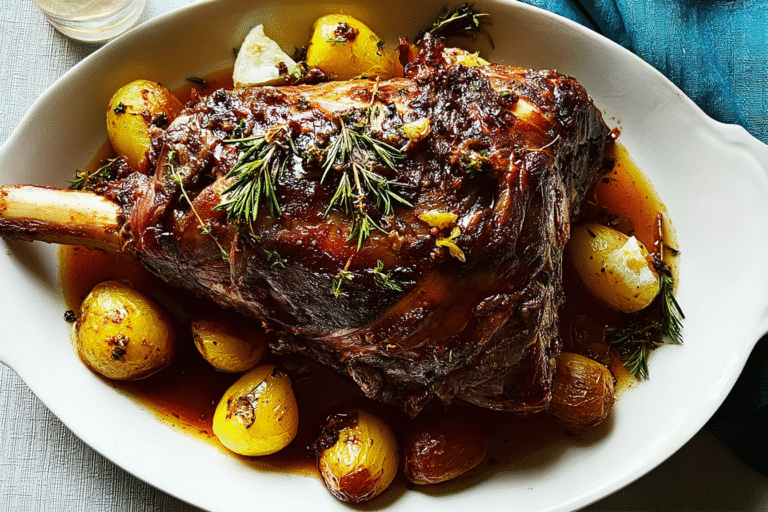
🍖 Slow Roasted Lamb Shoulder with Garlic and Rosemary offers tender, juicy meat infused with aromatic herbs for a memorable meal.
🌿 This recipe’s slow cooking technique enhances flavor and ensures a succulent texture perfect for family gatherings or special occasions.
- Total Time: 3 hours 45 minutes
- Yield: 4 servings
Ingredients
– 1.8 kg (3.5 lb) bone-in lamb shoulder
– 2 tablespoons olive oil
– 2 teaspoons salt
– 1 teaspoon black pepper
– 1 onion, quartered (unpeeled)
– 1 head garlic, halved horizontally
– 3 garlic cloves, cut into slivers
– 8 sprigs rosemary
– 1 cup water
– 2 tablespoons flour for the gravy
– 2 cups beef broth for the gravy
– 1 cup red wine for the gravy
– 1 cup water for the gravy
– Salt and pepper to taste for the gravy
Instructions
1-Getting started: with this slow roasted lamb shoulder is easier than you might think. First, heat your oven to 240°C (465°F) or 220°C if using a fan. Rub the lamb with 2 tablespoons of olive oil, 2 teaspoons of salt, and 1 teaspoon of black pepper for that flavorful base.
2-Next, make about 12 deep cuts in the lamb without going all the way through, and stuff them with the rosemary sprigs and garlic slivers. Place the quartered onion, halved garlic head, and extra rosemary in the bottom of your roasting pan, then set the lamb on top. Pour 1 cup of water around the lamb, cover the pan tightly with a lid or foil, and drop the oven temperature to 180°C (350°F) or 160°C for fan mode.
3-Let it slow roast covered for around 3 hours, but adjust based on the lamb’s size. After that time, take off the cover and check if the pan is dry if it is, add a bit more water to avoid burning. Crank the heat back up to 220°C (425°F) and roast uncovered for 20 to 30 minutes to get a nice crisp on the outside.
4-To check if it’s done, use forks to see if the meat pulls apart easily; if not, cover it again and cook longer at the lower temperature. Once it’s ready, let the lamb rest loosely covered with foil and towels for at least 20 minutes. This step helps the juices settle, making every bite even better.
5-For the gravy, scoop out any extra fat from the pan, then stir in 2 tablespoons of flour over medium heat for about 30 seconds. Slowly add 2 cups of beef broth or the wine and water mix while stirring. Mash the onion and garlic in the pan to mix in their flavors, let it simmer until it thickens a bit, then season with salt and pepper, strain, and serve alongside the lamb.
Last Step:
Please leave a rating and comment letting us know how you liked this recipe! This helps our business to thrive and continue providing free, high-quality recipes for you.Notes
⏳ Lamb shoulder is juicier and more flavorful than lamb leg but requires slow cooking.
🌿 Rosemary’s stiff sprigs make it ideal for stuffing into incisions.
💧 If liquid evaporates during browning, add water to prevent burning.
🍖 The meat is best served pulled apart with forks rather than carved.
🍽 Resting the meat redistributes juices for enhanced tenderness.
🕗 For slow cooker adaptation, cook on low heat for about 8 hours.
- Prep Time: 15 minutes
- Slow Roast Time: 3 hours
- Cook Time: 3 hours 30 minutes (including browning)
- Category: Main Dish
- Method: Roasting, Slow Cooking
- Cuisine: Australian
- Diet: Gluten-Free
Nutrition
- Serving Size: 1 serving (about 450 g cooked lamb)
- Calories: 550 kcal
- Sugar: 2 g
- Sodium: 600 mg
- Fat: 40 g
- Saturated Fat: 15 g
- Unsaturated Fat: 20 g
- Trans Fat: 0 g
- Carbohydrates: 5 g
- Fiber: 1 g
- Protein: 45 g
- Cholesterol: 160 mg