

Why You’ll Love This Soft Dinner Rolls
Picture pulling warm, fluffy soft dinner rolls from your oven, ready to soak up gravy or butter at your next family meal. This recipe stands out for its straightforward approach that fits right into busy schedules. You only need basic pantry staples, and the results taste like something from a bakery.
One big reason home bakers rave about these soft dinner rolls is the ease of preparation. This soft dinner rolls recipe keeps things simple with minimal ingredients and clear steps, perfect for whipping up on any day of the week. Whether you are a beginner or short on time, you will find success without fancy equipment.
These rolls bring nutritional perks too. Made with whole milk and flour, they provide a source of carbohydrates for energy, along with small amounts of protein and calcium from the dairy. Paired with a balanced meal, they fit well into everyday eating without excess calories.
These soft dinner rolls turned out perfect on my first try, even with my busy kids running around the kitchen. They are now our go-to side for holiday dinners.
The versatility shines through as well. You can tweak this recipe for different needs, like swapping in nondairy milk for a lighter option or adjusting for other diets. Everyone at the table can enjoy them, no matter their preferences.
What sets these soft dinner rolls apart is their flavor and texture. The mix of butter, a touch of sugar, and proper rising creates an airy inside with a golden outside. That subtle sweet-savory balance makes them pair perfectly with savory mains or even as a snack.
Total preparation takes about 3 hours and 45 minutes, including rise times, with just 22 minutes of active cooking. You get 14 to 16 soft, fluffy dinner rolls, enough for a crowd. Keep reading to see why this recipe builds your baking confidence.
Jump to:
- Why You’ll Love This Soft Dinner Rolls
- Essential Ingredients for Soft Dinner Rolls
- Main Ingredients
- Special Dietary Options
- How to Prepare the Perfect Soft Dinner Rolls: Step-by-Step Guide
- Troubleshooting Common Issues
- Dietary Substitutions to Customize Your Soft Dinner Rolls – Protein and Main Component Alternatives
- Dietary Substitutions to Customize Your Soft Dinner Rolls – Vegetable, Sauce, and Seasoning Modifications
- Mastering Soft Dinner Rolls: Advanced Tips and Variations
- Pro Techniques
- How to Store Soft Dinner Rolls: Best Practices
- FAQs: Frequently Asked Questions About Soft Dinner Rolls
- How do I make soft dinner rolls at home without complicated steps?
- What’s the best way to knead dough for soft dinner rolls?
- Can I use different types of flour when baking soft dinner rolls?
- How should I store leftover soft dinner rolls to keep them fresh?
- Is it possible to prepare soft dinner roll dough ahead of time?
- Soft Dinner Rolls
- Ingredients
- Instructions
- Last Step:
- Notes
- Nutrition
- Did you make this recipe?
Essential Ingredients for Soft Dinner Rolls
Gathering the right ingredients is key to bakery-style soft dinner rolls. This list keeps it simple, focusing on items you likely have on hand. Each plays a role in achieving that pillowy texture everyone loves.
Main Ingredients
- 1 cup whole milk, warmed to approximately 110°F (43°C)
- 2¼ teaspoons instant yeast
- 2 tablespoons granulated sugar, divided
- 1 large egg
- ¼ cup unsalted butter, room temperature and cut into pieces
- 1 teaspoon salt
- 3 cups all-purpose or bread flour
- Optional topping: 2 tablespoons melted unsalted butter mixed with 1 tablespoon honey
Whole milk gives the best flavor and tenderness; learn more about its health benefits that support a soft crumb. Unsalted butter adds richness without overpowering saltiness, and you can check dairy details here.
Spoon and level the flour to avoid dense rolls. Instant yeast speeds things up compared to other types. The egg helps with structure and moisture.
Special Dietary Options
Adapt for your needs while keeping the softness intact.
- Vegan: Swap butter for coconut oil or vegan margarine, use plant-based milk, and replace the egg with a flax egg (1 tablespoon ground flaxseed plus 3 tablespoons water).
- Gluten-free: Use a gluten-free flour blend, and add a bit more liquid if needed for dough consistency.
- Low-calorie: Opt for low-fat milk and cut sugar slightly, though full-fat yields the best texture.
| Ingredient | Standard | Vegan Swap | Gluten-Free Swap |
|---|---|---|---|
| Milk | Whole milk | Almond or oat milk | Same |
| Butter | Unsalted | Coconut oil | Same |
| Flour | All-purpose | Same | GF blend |
This setup ensures your soft dinner rolls stay inclusive and delicious.
How to Prepare the Perfect Soft Dinner Rolls: Step-by-Step Guide
Follow these steps for foolproof soft dinner rolls. I walk you through each part so you feel at ease, even if yeast dough is new to you.
- Whisk warm milk, yeast, and 1 tablespoon sugar together; let sit for 5 minutes until foamy. This activates the yeast for a good rise.
- Add remaining sugar, egg, butter, salt, and 1 cup of flour; mix on low speed. Scrape the bowl, then gradually add remaining flour, mixing until dough forms and pulls away from the bowl, about 2 minutes. Add flour gradually if dough is too wet.
- Knead the dough by mixer or by hand for 5 minutes until soft and slightly sticky; perform a windowpane test to check readiness. Stretch a small piece thin; if light passes through without tearing, it is ready.
- Lightly grease a bowl, place dough inside and turn to coat; cover and let rise for 1 to 2 hours until doubled in size. A warm spot works best.
- Grease baking pan(s). Punch down the dough, divide into 14 to 16 pieces, shape into smooth balls, place in pan, cover, and let rise for about 1 hour until puffy.
- Preheat oven to 350°F (177°C), with the rack in a low position. This prevents over-browning the tops.
- Bake for 20 to 25 minutes until golden brown, rotating pan halfway through. Tent with foil if browning too quickly.
- Remove from oven, brush with honey butter topping if desired, and cool a few minutes before serving. Enjoy the fresh-baked aroma!
If you have never worked with yeast before, do not worry, this simple dough recipe will have you pulling soft, buttery rolls out of the oven in no time, and I will walk you through every step to help you feel confident along the way. Watch for the dough to feel soft and slightly sticky, not dry.
Troubleshooting Common Issues
Dough not rising? Check yeast freshness and milk temperature. Rolls dense? Measure flour accurately by spooning and leveling. These fixes keep your batch perfect.
Dietary Substitutions to Customize Your Soft Dinner Rolls – Protein and Main Component Alternatives
Making soft dinner rolls work for everyone starts with smart swaps. For dairy-free eaters, plant-based butters and milks maintain that signature softness and flavor. Nondairy options like oat milk mimic whole milk well.
Gluten-free flour blends replace wheat flour nicely, though you might need to tweak liquid and binders like xanthan gum. Rising times could extend a bit, but the results stay tender. Low-calorie tweaks with reduced-fat milk and less sugar hold up the texture without much loss.
These changes make soft dinner rolls welcoming for all sorts of diets and ingredient limits. Test one swap at a time to see what your family likes best.
Dietary Substitutions to Customize Your Soft Dinner Rolls – Vegetable, Sauce, and Seasoning Modifications
Add interest with simple flavor boosts. Mix in garlic powder, rosemary, or thyme for herb-infused rolls. Finely grated carrot or zucchini sneaks in nutrition and moisture.
For toppings or spreads, vegan mayo or dairy-free options pair great. Swap seasonal herbs based on what is fresh, keeping the recipe flexible. These ideas support health aims while varying taste, all without changing the core softness.
Mastering Soft Dinner Rolls: Advanced Tips and Variations
Take your soft dinner rolls to the next level with these pro pointers. Always use whole milk for top flavor and texture; low-fat works but expect slight differences. Instant yeast cuts rise time nicely.
Measure flour by spooning and leveling to prevent dense dough. Aim for soft, slightly sticky dough, never dry or too wet. Shape rolls as round balls, twisted, knotted, or cloverleaf for fun.
- Make-ahead: Refrigerate shaped rolls up to 16 hours, then rise 1 to 2 hours before baking.
- Freezing: Freeze shaped rolls in pan, bag once solid; thaw and rise 4 to 5 hours. Or freeze baked rolls and reheat.
- Flavor twists: Rosemary, cheddar, garlic herb, or multigrain.
Bake on a lower rack to avoid burnt tops. For sweet lovers, add cinnamon; pair with our soft sugar cookies for dessert ideas.
Gently folding the dough keeps those air bubbles for extra fluffiness, a trick I swear by every time.
Pro Techniques
Proof yeast properly, fold gently, and add oven steam for crust. Presentation: Brush with herb butter, serve on platters with greens. Night-before dough saves day-of time.
Try bread flour for chew or all-purpose for tenderness. If you enjoy breads, check our lemon blueberry bread for more inspiration.
How to Store Soft Dinner Rolls: Best Practices
Keep your soft dinner rolls tasting fresh longer with these methods. Proper storage locks in moisture and flavor.
- Room temperature: Airtight container or bag for 2 to 3 days.
- Refrigerate: Up to 1 week in sealed bag; warm before eating.
- Freeze: Wrap individually, up to 3 months; thaw overnight, reheat at 350°F for 10 minutes.
Reheat in oven for best softness, or microwave with a damp towel. Batch prep and freeze extras for easy meals.
| Method | Duration | Reheat Tip |
|---|---|---|
| Room Temp | 2-3 days | Oven 350°F, 5 min |
| Fridge | 1 week | Room temp first |
| Freezer | 3 months | Thaw, then oven |

FAQs: Frequently Asked Questions About Soft Dinner Rolls
How do I make soft dinner rolls at home without complicated steps?
Making soft dinner rolls at home is easy with a simple recipe containing just a few basic ingredients like flour, yeast, milk, butter, and sugar. Start by mixing the dough until it’s soft and slightly sticky, then let it rise in a warm spot for 1-2 hours. Shape the dough into smooth balls, place them close together on a baking pan, and bake until golden. Clear instructions and minimal ingredients make this approach perfect for beginners wanting fresh, fluffy rolls without hassle.
What’s the best way to knead dough for soft dinner rolls?
Knead dough for about 5 minutes until it feels soft and slightly sticky but not too wet. A good sign the dough is ready is the windowpane test: stretch a small piece thinly, and if light passes through without tearing, the gluten has developed enough. Proper kneading gives dinner rolls their tender, airy texture while allowing them to rise well.
Can I use different types of flour when baking soft dinner rolls?
Yes, both all-purpose and bread flour can be used. All-purpose flour creates tender, softer rolls, while bread flour adds chewiness due to higher protein content. Choose based on your texture preference, but either will yield delicious soft dinner rolls. Adjusting hydration slightly can help if you switch flours.
How should I store leftover soft dinner rolls to keep them fresh?
Store leftover rolls at room temperature in an airtight container or plastic bag for 2-3 days to keep them soft. For longer storage, refrigerate up to one week, but bring rolls back to room temperature or warm them before serving. You can also freeze baked rolls for up to three months; thaw and reheat in a warm oven for best results.
Is it possible to prepare soft dinner roll dough ahead of time?
Yes, you can prepare the dough ahead by shaping the rolls, then covering and refrigerating them for up to 16 hours. Before baking, bring the dough to room temperature and allow it to complete its final rise, which helps improve flavor and texture. This method is convenient for planning meals in advance while still enjoying fresh-baked rolls.
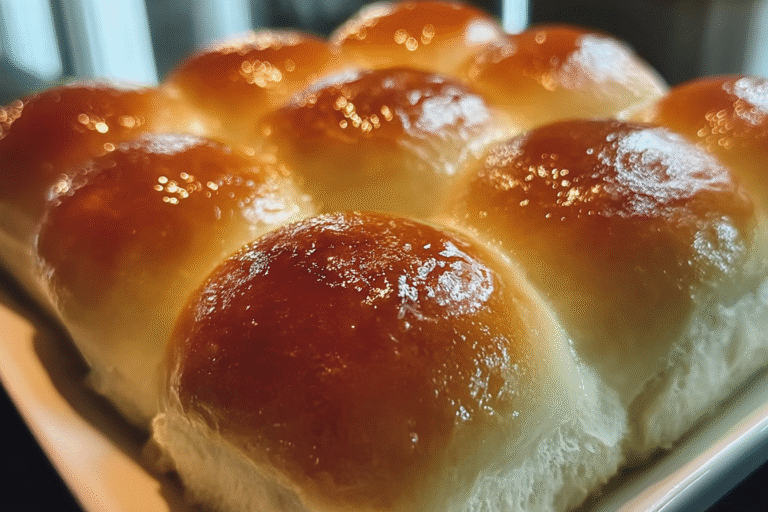
Soft Dinner Rolls
🥖 Homemade dinner rolls that deliver bakery-quality softness and fluffy texture with minimal effort
🍞 Perfect side dish for any meal that turns ordinary dinners into special occasions with warm, buttery goodness
- Total Time: 3 hours 45 minutes
- Yield: 14-16 dinner rolls
Ingredients
– 1 cup whole milk, warmed to approximately 110°F (43°C)
– 2¼ teaspoons instant yeast
– 2 tablespoons granulated sugar, divided
– 1 large egg
– ¼ cup unsalted butter, room temperature and cut into pieces
– 1 teaspoon salt
– 3 cups all-purpose or bread flour
– 2 tablespoons melted unsalted butter [optional topping]
– 1 tablespoon honey [optional topping]
– Almond or oat milk
– Coconut oil
– Vegan margarine
– 1 tablespoon ground flaxseed [for flax egg]
– 3 tablespoons water [for flax egg]
– Gluten-free flour blend
– Low-fat milk
Instructions
1-Whisk warm milk, yeast, and 1 tablespoon sugar together; let sit for 5 minutes until foamy. This activates the yeast for a good rise.
2-Add remaining sugar, egg, butter, salt, and 1 cup of flour; mix on low speed. Scrape the bowl, then gradually add remaining flour, mixing until dough forms and pulls away from the bowl, about 2 minutes. Add flour gradually if dough is too wet.
3-Knead the dough by mixer or by hand for 5 minutes until soft and slightly sticky; perform a windowpane test to check readiness. Stretch a small piece thin; if light passes through without tearing, it is ready.
4-Lightly grease a bowl, place dough inside and turn to coat; cover and let rise for 1 to 2 hours until doubled in size. A warm spot works best.
5-Grease baking pan(s). Punch down the dough, divide into 14 to 16 pieces, shape into smooth balls, place in pan, cover, and let rise for about 1 hour until puffy.
6-Preheat oven to 350°F (177°C), with the rack in a low position. This prevents over-browning the tops.
7-Bake for 20 to 25 minutes until golden brown, rotating pan halfway through. Tent with foil if browning too quickly.
8-Remove from oven, brush with honey butter topping if desired, and cool a few minutes before serving. Enjoy the fresh-baked aroma!
Last Step:
Please leave a rating and comment letting us know how you liked this recipe! This helps our business to thrive and continue providing free, high-quality recipes for you.Notes
🥛 Use whole milk for the best flavor and texture – nondairy or low-fat milks may affect the final result
🌡️ Measure flour by spooning and leveling for accurate amounts – too much flour will result in dense rolls
⏰ For make-ahead convenience, refrigerate shaped rolls up to 16 hours, then allow to rise 1 to 2 hours before baking
- Prep Time: 30 minutes
- Rising Time: 2-3 hours
- Cook Time: 25 minutes
- Category: Bread
- Method: Baking
- Cuisine: American
- Diet: Vegetarian
Nutrition
- Serving Size: 1 roll
- Calories: 145
- Sugar: 3g
- Sodium: 180mg
- Fat: 4g
- Saturated Fat: 2.5g
- Unsaturated Fat: 1g
- Trans Fat: 0.1g
- Carbohydrates: 22g
- Fiber: 1g
- Protein: 4g
- Cholesterol: 25mg