
Why You’ll Love This Soy Sauce Mushroom Rice
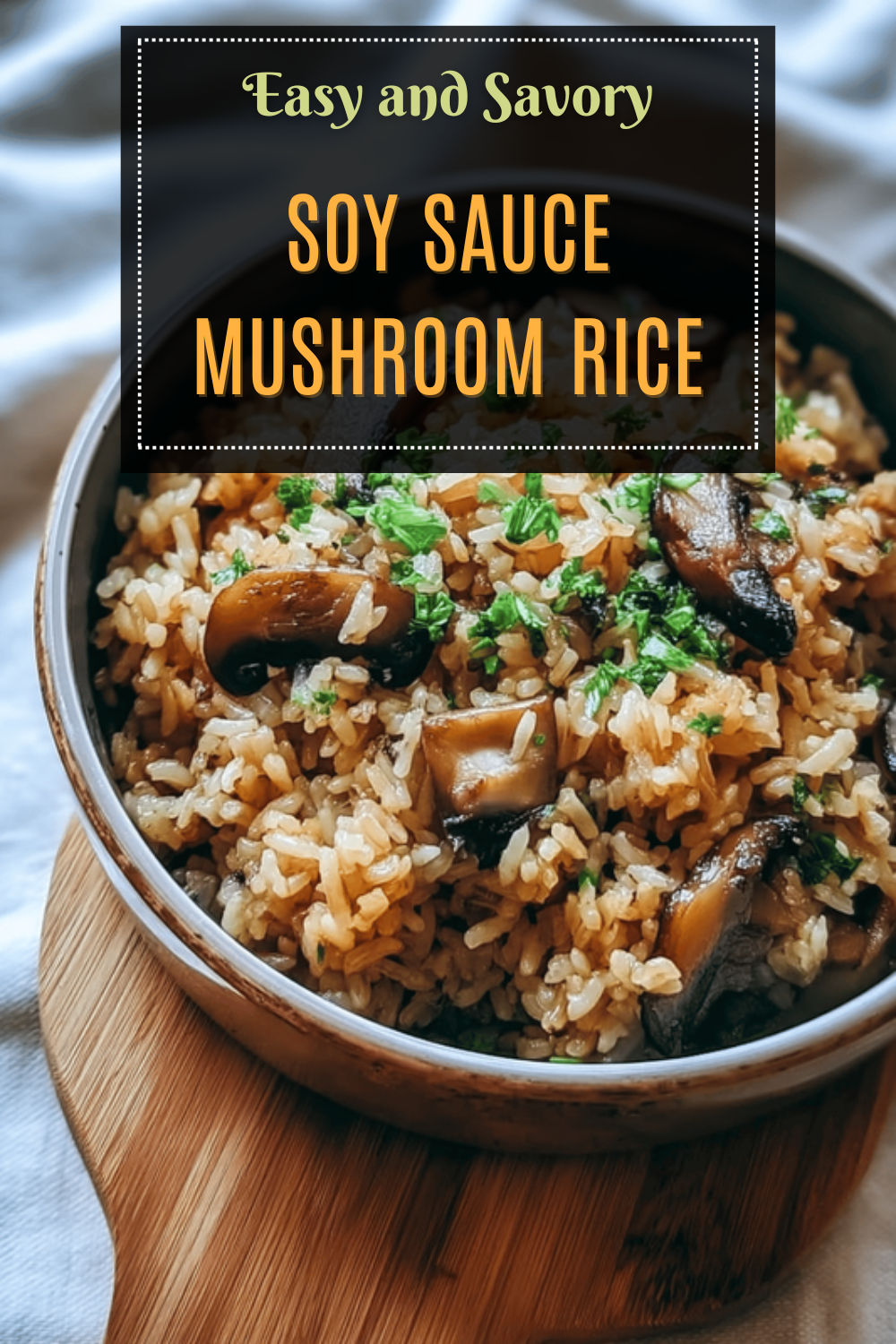
This soy sauce mushroom rice recipe offers a quick way to whip up a tasty meal that’s packed with flavor and nutrition, making it a go-to choice for busy days. It’s full of nutrient-rich mushrooms that add a hearty texture and essential vitamins, while the rice keeps things simple and satisfying. Whether you’re cooking for one or a family, the adaptability of this dish means you can tweak it to suit your preferences without much fuss.
You’ll find it particularly appealing for its health perks, like getting a boost of antioxidants and fiber that support your daily wellness. Plus, it’s easy to make it fit various diets, such as vegan or gluten-free, by swapping in a few ingredients. All in all, this recipe delivers a delicious way to enjoy a wholesome meal that feels fresh yet comforting every time you prepare it.
One of the best parts is how the savory soy sauce brings out the earthy taste of the mushrooms, creating a balance that’s hard to resist. For more on how mushrooms can enhance your meals, check out this resource on 7 health benefits of mushrooms, which explains their role in a balanced diet. This makes soy sauce mushroom rice not just tasty, but also a smart pick for those aiming to eat healthier without giving up flavor.
Jump to:
- Why You’ll Love This Soy Sauce Mushroom Rice
- Essential Ingredients for Soy Sauce Mushroom Rice
- Main Ingredients
- Optional Additions
- How to Prepare the Perfect Soy Sauce Mushroom Rice: Step-by-Step Guide
- Adding the Mushrooms and Garlic
- Combining and Finishing
- Dietary Substitutions to Customize Your Soy Sauce Mushroom Rice
- Mastering Soy Sauce Mushroom Rice: Advanced Tips and Variations
- How to Store Soy Sauce Mushroom Rice: Best Practices
- FAQs: Frequently Asked Questions About Soy Sauce Mushroom Rice
- What types of rice work best for making soy sauce mushroom rice?
- How can I make soy sauce mushroom rice gluten-free?
- Can I add protein to soy sauce mushroom rice to make it a full meal?
- Is it possible to prepare soy sauce mushroom rice ahead of time?
- What seasonings or garnishes can enhance the flavor of soy sauce mushroom rice?
- Soy Sauce Mushroom Rice
- Ingredients
- Instructions
- Last Step:
- Notes
- Nutrition
- Did you make this recipe?
Essential Ingredients for Soy Sauce Mushroom Rice
Gathering the right ingredients is key to making this soy sauce mushroom rice turn out just right, and we’ve got everything listed out clearly for you. Start with the basics to build a strong base, then add any extras to customize based on what you have on hand. This setup ensures your dish is both simple and packed with taste, perfect for home cooks looking to experiment.
Main Ingredients
- 1 cup brown basmati rice
- 1 pound mushrooms (cremini, button, shiitake, oyster, or a mix)
- 1 yellow onion
- 2 to 3 cloves garlic
- 3 green onions (scallions)
- 1 and 1/2 tablespoons tamari or soy sauce (tamari preferred for gluten-free)
Optional Additions
- Asparagus (quantity not specified, add near end of cooking)
- Mung bean sprouts (quantity not specified, add near end of cooking)
- Spinach (quantity not specified, add near end of cooking)
- Other vegetables (quantities not specified)
- Sesame seeds (quantity not specified, for garnish)
This list covers all you need for a complete recipe, making it easy to shop and prepare. If you’re curious about rice options, you might try variations like the ones in our blueberry lemonade recipe, which uses similar staple ingredients for a refreshing twist.
How to Prepare the Perfect Soy Sauce Mushroom Rice: Step-by-Step Guide
Getting this soy sauce mushroom rice on the table is straightforward, with each step designed to help you create a flavorful dish without any hassle. Begin by cooking your rice, then move on to sautéing the veggies for that perfect mix. The whole process takes about 40 minutes, including prep and cooking time, so it’s ideal for weeknight dinners.
First, cook 1 cup of brown basmati rice according to package instructions, using vegetable broth if you want extra flavor. Next, finely dice 1 yellow onion and slice 1 pound of mushrooms to about 1/3 to 1/4 inch thick, then sauté the onion in a large skillet over medium-high heat for 7 to 8 minutes using water or vegetable broth to keep it oil-free, adding more liquid as needed.
Adding the Mushrooms and Garlic
Add the sliced mushrooms to the skillet and cook for another 8 minutes until they turn tender. Mince 2 to 3 cloves of garlic and slice 3 green onions, then stir them in and sauté for 1 minute to release their aroma. This step really brings out the depth in your soy sauce mushroom rice, making it taste fresh and inviting.
Combining and Finishing
Lower the heat to medium, add the cooked rice, sliced green onions, and 1 and 1/2 tablespoons of tamari or soy sauce, then mix well and cook for about 5 minutes until everything is heated through. If you’re adding optional items like asparagus, mung bean sprouts, spinach, or other vegetables, incorporate them now. Finally, adjust the tamari or soy sauce to taste and top with sesame seeds before serving for a nice finish.
Remember, you can always adapt this method, such as substituting rice with quinoa for a quicker option, as mentioned in our tips later. For more ideas on rice-based recipes, check out our lemon blueberry bread, which shares similar prep techniques.

Dietary Substitutions to Customize Your Soy Sauce Mushroom Rice
Making soy sauce mushroom rice fit your diet is simple, with plenty of swaps that keep the dish delicious and adaptable. Whether you’re cutting calories or avoiding gluten, these changes let you enjoy the recipe without missing a beat. It’s all about finding what works for you while keeping that savory flavor front and center.
For protein boosts, replace mushrooms with diced tofu or tempeh, or add chicken breast or shrimp if you’re not sticking to veggies. When it comes to veggies, swap mushrooms with zucchini or bell peppers for a seasonal twist. You can also switch soy sauce for low-sodium versions or coconut aminos, and toss in spices like ginger or chili flakes to amp up the taste.
These options make it easy to tailor the dish, ensuring everyone at the table can have their version. Incorporating extras like those in our berry crisp recipe can inspire more customizations for added variety.
Mastering Soy Sauce Mushroom Rice: Advanced Tips and Variations
Taking your soy sauce mushroom rice to the next level involves some smart techniques that enhance both flavor and texture. Toast the rice lightly before cooking to bring out a nutty note, or use homemade mushroom broth for deeper umami. These tweaks can make a big difference, turning a simple meal into something special.
Experiment with flavors by adding fresh ginger, green peas, or toasted sesame seeds for new twists. For presentation, serve it in a bowl with sliced scallions and a drizzle of sesame oil to make it look as good as it tastes. If you’re prepping ahead, store the mixture and reheat it gently to keep everything moist and flavorful.
Don’t forget to try increasing mushrooms to 20-24 ounces for a heartier dish, or add roasted cashews for extra crunch. For more flavor ideas, think about including bell peppers, snow peas, cabbage, or baby bok choy as suggested in the tips.
How to Store Soy Sauce Mushroom Rice: Best Practices
Proper storage helps keep your soy sauce mushroom rice fresh and tasty for later, so follow these steps to avoid any waste. Store it in an airtight container in the fridge for up to 4 days, or freeze portions for up to 3 months to extend its shelf life. When reheating, add a bit of water to maintain that perfect moisture.
Meal prep is a breeze with this recipe; just cool it first and divide into servings for easy grab-and-go meals. For those interested in calorie details, like brown basmati rice, visit this site on brown basmati rice calories to plan your meals better.
FAQs: Frequently Asked Questions About Soy Sauce Mushroom Rice
What types of rice work best for making soy sauce mushroom rice?
For soy sauce mushroom rice, you can use white rice varieties like jasmine or basmati for a light, fluffy texture. Brown rice is a nutritious alternative that adds a nutty flavor and chewier consistency. Some also use quinoa or mixed grains if you prefer a gluten-free or higher-protein option. Just adjust cooking times accordingly and ensure the rice is fully cooked before mixing with the sautéed mushrooms and soy sauce.
How can I make soy sauce mushroom rice gluten-free?
To make gluten-free soy sauce mushroom rice, swap traditional soy sauce with tamari or coconut aminos, which do not contain gluten. Also, double-check that any additional sauces or seasonings you use are gluten-free. This simple substitution keeps the flavor rich while accommodating dietary restrictions.
Can I add protein to soy sauce mushroom rice to make it a full meal?
Yes, adding protein transforms this side dish into a satisfying main course. Popular options include tofu, tempeh, edamame, or cooked chicken. You can also toss in plant-based alternatives like vegan chicken or beans. Simply cook the protein separately or stir-fry it with the mushrooms before combining with rice.
Is it possible to prepare soy sauce mushroom rice ahead of time?
Absolutely. Prepare the rice and mushroom mixture in advance and store them separately in airtight containers in the refrigerator for up to 3 days. Reheat gently in a pan over low heat, adding a splash of water or broth to keep the rice moist. This makes for a quick and tasty meal during busy days.
What seasonings or garnishes can enhance the flavor of soy sauce mushroom rice?
To boost flavor, consider adding fresh ginger, garlic, or Chinese five-spice powder during cooking. A dash of rice vinegar or a drizzle of hoisin sauce can add tang and sweetness. Garnish with toasted sesame seeds, chopped scallions, or roasted cashews for texture and extra taste. These simple additions complement mushrooms and soy sauce beautifully.
Soy Sauce Mushroom Rice
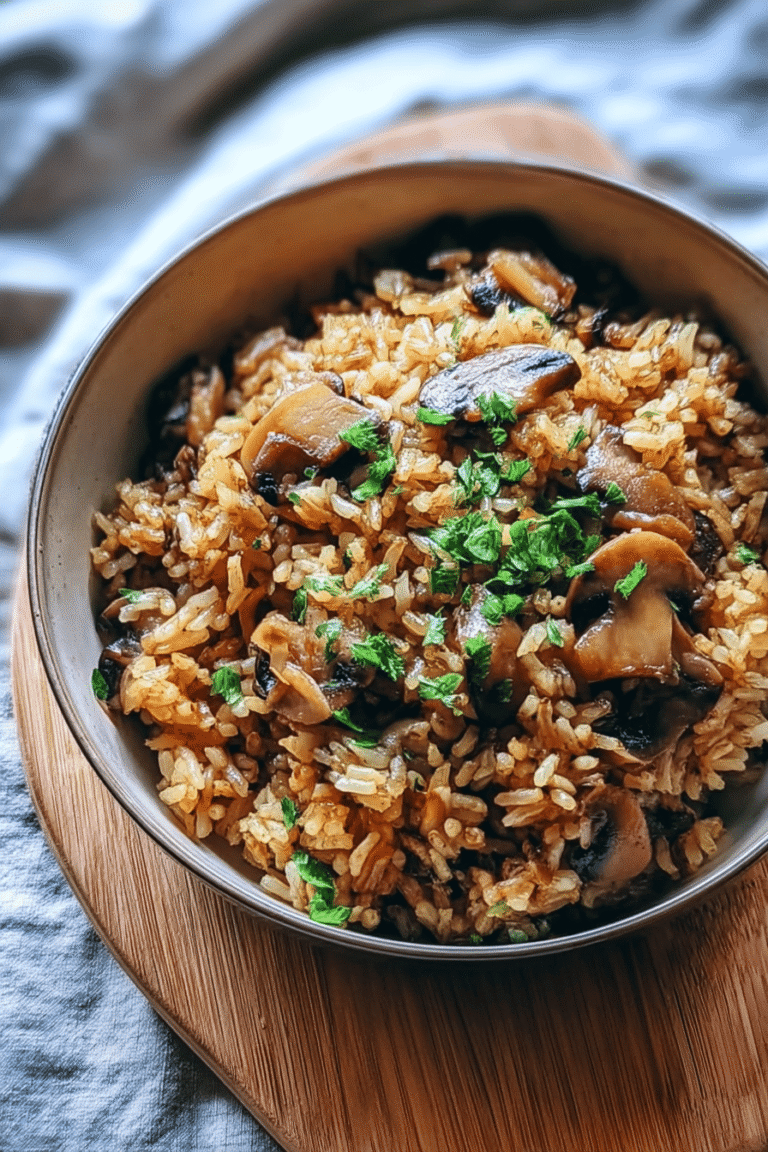
🍚 This Asian-Style Mushroom Rice is a flavorful, nutritious dish combining earthy mushrooms with aromatic seasonings.
🌿 Easy to prepare with versatile ingredients, it’s perfect for a satisfying meal with room for your favorite vegetable additions.
- Total Time: 40 minutes
- Yield: 4 servings 1x
Ingredients
1 cup brown basmati rice
1 pound mushrooms (cremini, button, shiitake, oyster, or a mix)
1 yellow onion
2 to 3 cloves garlic
3 green onions (scallions)
1 and 1/2 tablespoons tamari or soy sauce (tamari preferred for gluten-free)
Asparagus add near end of cooking
Mung bean sprouts add near end of cooking
Spinach add near end of cooking
Other vegetables
Sesame seeds for garnish
Instructions
1-First: cook 1 cup of brown basmati rice according to package instructions, using vegetable broth if you want extra flavor.
2-Next: finely dice 1 yellow onion and slice 1 pound of mushrooms to about 1/3 to 1/4 inch thick, then sauté the onion in a large skillet over medium-high heat for 7 to 8 minutes using water or vegetable broth to keep it oil-free, adding more liquid as needed.
3-Adding the Mushrooms and Garlic: Add the sliced mushrooms to the skillet and cook for another 8 minutes until they turn tender. Mince 2 to 3 cloves of garlic and slice 3 green onions, then stir them in and sauté for 1 minute to release their aroma. This step really brings out the depth in your soy sauce mushroom rice, making it taste fresh and inviting.
4-Combining and Finishing: Lower the heat to medium, add the cooked rice, sliced green onions, and 1 and 1/2 tablespoons of tamari or soy sauce, then mix well and cook for about 5 minutes until everything is heated through. If you’re adding optional items like asparagus, mung bean sprouts, spinach, or other vegetables, incorporate them now. Finally, adjust the tamari or soy sauce to taste and top with sesame seeds before serving for a nice finish.
Last Step:
Please leave a rating and comment letting us know how you liked this recipe! This helps our business to thrive and continue providing free, high-quality recipes for you.Notes
🍚 Cook rice ahead and refrigerate to save time.
🍄 Increase mushrooms to 20-24 ounces for a richer flavor.
🌱 Use tamari for gluten-free option and consider adding fresh ginger or Chinese five spice powder for extra depth.
- Prep Time: 10 minutes
- Cook Time: 30 minutes
- Category: Main Dish, Side Dish
- Method: Sautéing, Cooking Rice
- Cuisine: Asian
- Diet: Gluten-Free option available, Vegetarian, Vegan
Nutrition
- Serving Size: 1 serving
- Calories: 145
- Sugar: 3g
- Fat: 1g
- Saturated Fat: 1g
- Unsaturated Fat: 1g
- Carbohydrates: 29g
- Fiber: 2g
- Protein: 6g
- Cholesterol: 0mg