
Why You’ll Love This Thai Peanut Sauce
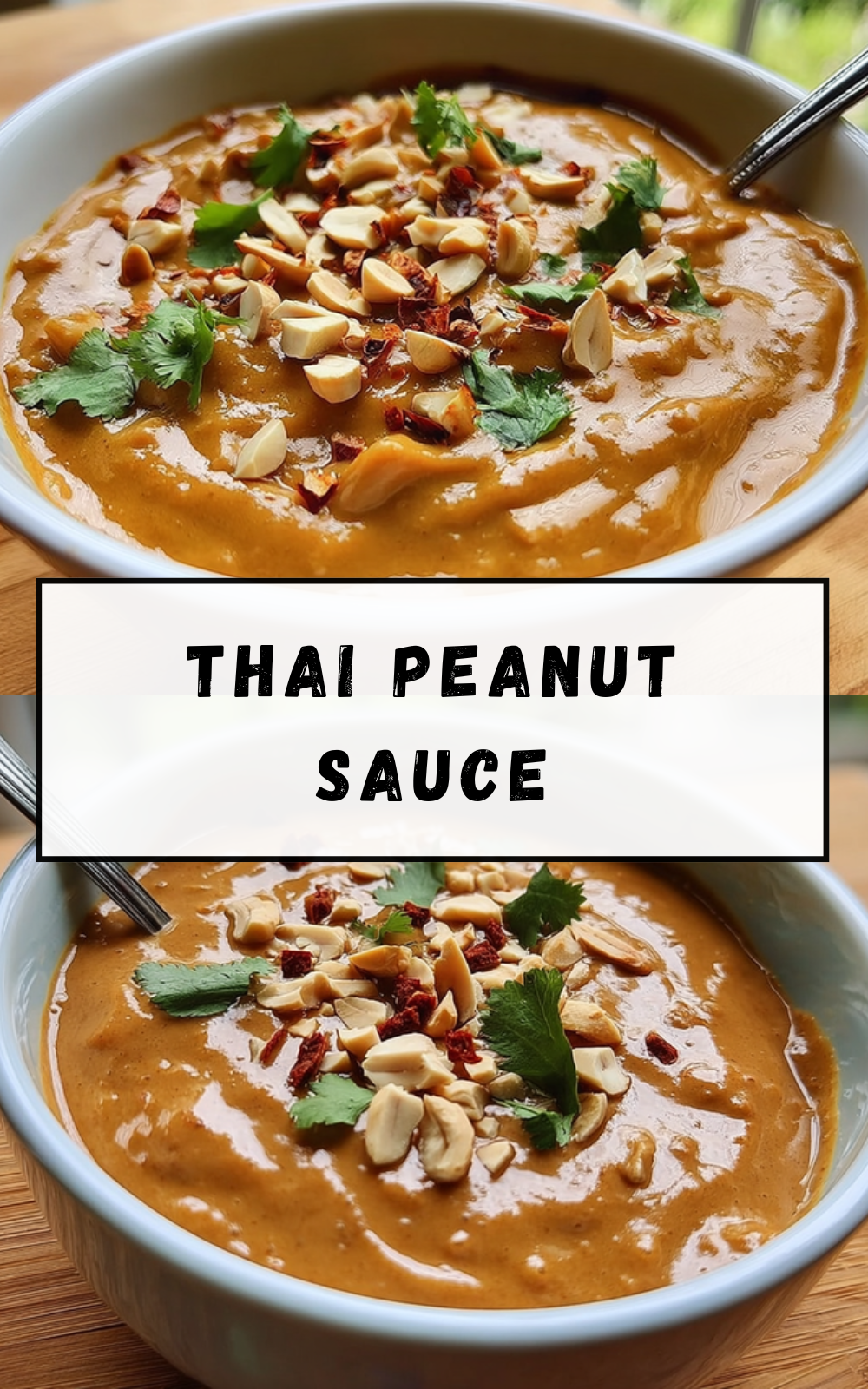
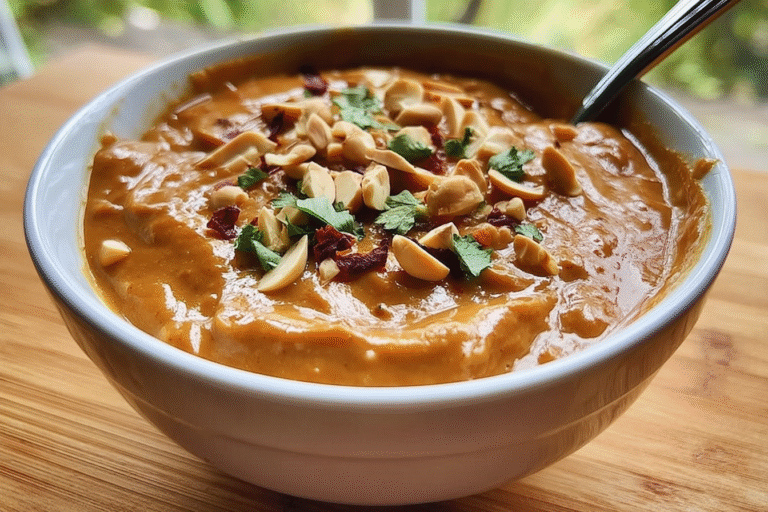
This Thai Peanut Sauce is one of those kitchen shortcuts that tastes like you spent ages on it. It hits sweet, salty, nutty, and a little spicy all at once, and it takes about 5 minutes to make with no cooking required. Whether you need a quick dip for veggies, a noodle dressing, or a simple sauce for grilled chicken, this Thai Peanut Sauce is ready fast and plays nicely with lots of meals.
Quick highlights:
- Ease of preparation: ready in about 5 minutes.
- Health benefits: peanut butter adds protein and healthy fats.
- Versatility: use as a dip, dressing, or marinade.
- Distinctive flavor: balanced sweet, salty, spicy, and nutty notes.
Author: Celeste Whitmore. If you enjoy simple sauces and quick recipes, this one will become a staple in your fridge.
Jump to:
- Why You’ll Love This Thai Peanut Sauce
- Ingredients for Thai Peanut Sauce
- How to Prepare the Perfect Thai Peanut Sauce: Step-by-Step Guide
- Dietary Substitutions to Customize Your Thai Peanut Sauce
- Nut and seed butter alternatives
- Gluten-free and low-sodium options
- Mastering Thai Peanut Sauce: Advanced Tips and Variations
- Pro techniques for texture and flavor
- Flavor variation ideas
- Thai Peanut Sauce variations table
- How to Use Thai Peanut Sauce in Every Meal
- How to Store Thai Peanut Sauce: Best Practices
- Refrigeration
- Freezing
- Reheating and meal prep
- Nutrition Facts and Serving Information
- FAQs: Frequently Asked Questions About Thai Peanut Sauce
- What ingredients do you need to make authentic Thai peanut sauce?
- How can I make Thai peanut sauce at home quickly?
- What dishes go well with Thai peanut sauce?
- Can I substitute ingredients in Thai peanut sauce if I have allergies or dietary restrictions?
- How should I store Thai peanut sauce and how long does it last?
- Thai Peanut Sauce
- Ingredients
- Instructions
- Last Step:
- Notes
- Nutrition
- Did you make this recipe?
Ingredients for Thai Peanut Sauce
Below are the exact ingredients used in this recipe. Follow the measurements precisely for a balanced sauce, and warm the peanut butter for 15 seconds if it feels thick.
- 1/3 cup (85g) smooth peanut butter (warmed for 15 seconds if thick)
- 1/4 teaspoon (0.5g) ground or freshly minced ginger
- 1 tablespoon (21g) maple syrup or agave
- 2 tablespoons (30mL) low sodium soy sauce
- 1 teaspoon (5mL) rice wine vinegar
- 1/2 teaspoon (1.5g) sesame seeds
- 1/4 teaspoon (0.35g) crushed red pepper flakes (optional)
- 2 to 4 tablespoons (30-60mL) hot water depending on desired consistency
How to Prepare the Perfect Thai Peanut Sauce: Step-by-Step Guide
Total time: about 5 minutes. No cooking required.
- Gather and measure all ingredients precisely to keep the flavor balanced.
- In a bowl, jar, or blender, whisk together the peanut butter, ginger, maple syrup (or agave), soy sauce, rice wine vinegar, sesame seeds, crushed red pepper flakes, and 2 tablespoons hot water until smooth.
- Gradually add more hot water, a small amount at a time, until you reach the desired thickness (2 to 4 tablespoons total).
- Taste and adjust: add a touch more maple syrup if you want it sweeter, or a splash more soy sauce for saltiness.
- The sauce is ready to use immediately, or store it in the refrigerator for up to one week.
Tip: using a blender gives you the silkiest result, but a whisk works fine for a rustic texture. If the peanut butter is stiff, warming it for 15 seconds in the microwave makes mixing much easier.

Dietary Substitutions to Customize Your Thai Peanut Sauce
This sauce is easy to adapt if you have allergies or special diets. Below are simple swaps that keep the creamy texture and rich flavor.
Nut and seed butter alternatives
- Almond butter: similar creaminess with a milder, slightly sweeter taste.
- Tahini: gives a sesame-forward flavor; thinner, so use a touch less water at first.
- Sunflower seed butter: great peanut-free option with a neutral nutty base.
Gluten-free and low-sodium options
- Use gluten-free soy sauce or tamari for a gluten-free sauce.
- Liquid aminos are another gluten-free substitute that add savory depth.
- Choose low-sodium soy sauce to cut back on salt while keeping flavor.
Other simple swaps: replace maple syrup with agave for a lighter sweetness, or leave out crushed red pepper flakes if you prefer no heat. These small changes let you match the sauce to your diet without losing its character.
Mastering Thai Peanut Sauce: Advanced Tips and Variations
Once you have the basics down, you can tweak this Thai Peanut Sauce for different uses and tastes. The tricks below will help you get restaurant-quality results at home.
Pro techniques for texture and flavor
- Toast raw peanuts lightly in a dry pan for 3 to 5 minutes to deepen the nutty flavor, then use peanut butter made from those peanuts.
- Blend with a splash of warm water in a high-speed blender for ultra-smooth consistency.
- If the sauce separates in the fridge, whisk in a teaspoon of warm water and stir briskly to re-emulsify.
Flavor variation ideas
Try these add-ins to change the mood of the sauce:
- Tamarind paste: for a tangy, slightly sour note that pairs well with grilled meats.
- Coconut milk: adds creaminess and a touch of tropical flavor.
- Fresh lime juice: brightens the sauce right before serving.
- Smoked paprika: for subtle smokiness when using the sauce on roasted veggies or meats.
Thai Peanut Sauce variations table
| Variation | Key swap or add | Best for |
|---|---|---|
| Vegan, nutty | Maple syrup + almond butter | Vegan bowls, salads |
| Rich and creamy | 2 tbsp coconut milk | Curry noodle bowls |
| Peanut-free | Sunflower seed butter or tahini | Allergies |
| Tamarind tang | 1 tsp tamarind paste | Satay and grilled meats |
Pro tip: Make a double batch and store in small jars. Flavors get rounder after a day, and it makes weekday meals much easier.
How to Use Thai Peanut Sauce in Every Meal
This sauce is flexible. Here are quick pairing ideas that work for busy home cooks, party hosts, or meal preppers.
- Dip: fresh veggie sticks, spring rolls, dumplings.
- Dressing: thin with a tablespoon of hot water and drizzle over cold noodle salads.
- Marinade: use for chicken satay or tofu before grilling.
- Stir-fry sauce: add a few tablespoons to a stir-fry in the final minutes for a glossy, nutty finish.
Pairing suggestion: serve this sauce alongside a bright drink like a Blueberry Lemonade or a tropical cocktail such as Coconut Margarita for a fun contrast of flavors.
How to Store Thai Peanut Sauce: Best Practices
Storing this Thai Peanut Sauce is simple and practical for meal prep. Follow these tips to keep it tasting fresh.
Refrigeration
Store in an airtight container in the refrigerator for up to one week. Stir well before using; slight separation is normal.
Freezing
Freeze in small portions using freezer-safe containers or bags. Thaw overnight in the refrigerator, then stir and adjust with a splash of warm water if needed.
Reheating and meal prep
Warm gently in the microwave for a few seconds or on the stove over low heat while stirring to keep texture smooth. Divide into single-use portions for easy weekday dinners.
Nutrition Facts and Serving Information
Here is a quick nutrition snapshot to help people who track calories or macronutrients.
| Amount | Per tablespoon |
|---|---|
| Calories | Approximately 50 |
| Carbohydrates | 3 g |
| Protein | 2 g |
| Fat | 4 g (1 g saturated fat) |
| Sodium | 128 mg |
| Fiber | 0.4 g |
| Sugar | 2 g |
FAQs: Frequently Asked Questions About Thai Peanut Sauce
What ingredients do you need to make authentic Thai peanut sauce?
Authentic Thai peanut sauce typically includes peanut butter, soy sauce, garlic, ginger, a sweetener like maple syrup or brown sugar, rice vinegar, and coconut milk. Some recipes also add lime juice and chili flakes for a balance of tangy and spicy flavors. Using fresh, quality ingredients ensures the sauce has a rich, creamy texture and the right combination of salty, sweet, and savory notes.
How can I make Thai peanut sauce at home quickly?
To make Thai peanut sauce quickly, combine smooth peanut butter, soy sauce, minced garlic, grated ginger, a sweetener, rice vinegar, and coconut milk in a bowl. Whisk until smooth, adjusting the consistency with water or more coconut milk as needed. Taste and adjust the seasoning by adding lime juice or chili flakes if desired. This can be done by hand or in a blender for a silky finish within minutes.
What dishes go well with Thai peanut sauce?
Thai peanut sauce pairs well with grilled meats like chicken satay, tofu, spring rolls, or fresh vegetable sticks for dipping. It also complements noodle dishes such as Pad Thai or cold noodle salads. Additionally, it can be drizzled over steamed vegetables or used as a dressing for salads to add a creamy, nutty flavor.
Can I substitute ingredients in Thai peanut sauce if I have allergies or dietary restrictions?
Yes, if you are allergic to peanuts, you can substitute almond butter, sunflower seed butter, or tahini as the base. For a gluten-free option, choose tamari instead of regular soy sauce. If avoiding coconut milk, light coconut milk or a blend of water and a small amount of oil can replace it, although the flavor and creaminess may vary.
How should I store Thai peanut sauce and how long does it last?
Store Thai peanut sauce in an airtight container or jar in the refrigerator. It typically lasts up to one week. Before serving, give it a good stir as ingredients may separate over time. If the sauce thickens after refrigeration, add a little warm water or coconut milk to restore the desired consistency.
Thai Peanut Sauce
🥜 Create restaurant-quality Thai peanut sauce at home in minutes with this simple, versatile recipe
🌶️ Perfect for dipping, drizzling, or as a marinade – this sauce adds authentic Thai flavor to any dish
- Total Time: 5 minutes
- Yield: About 1 cup (16 tablespoons)
Ingredients
Instructions
1-Gather and measure all ingredients precisely to keep the flavor balanced.
2-In a bowl, jar, or blender, whisk together the peanut butter, ginger, maple syrup (or agave), soy sauce, rice wine vinegar, sesame seeds, crushed red pepper flakes, and 2 tablespoons hot water until smooth.
3-Gradually add more hot water, a small amount at a time, until you reach the desired thickness (2 to 4 tablespoons total).
4-Taste and adjust: add a touch more maple syrup if you want it sweeter, or a splash more soy sauce for saltiness.
5-The sauce is ready to use immediately, or store it in the refrigerator for up to one week.
Last Step:
Please leave a rating and comment letting us know how you liked this recipe! This helps our business to thrive and continue providing free, high-quality recipes for you.Notes
🥜 Warm thick peanut butter in the microwave for 15 seconds before measuring for easier mixing
🌾 For nut allergies, substitute with almond butter, tahini, or sunflower seed butter
🌱 Make it gluten-free by using tamari or liquid aminos instead of regular soy sauce
- Prep Time: 5 minutes
- Cook Time: 0 minutes
- Category: Sauce
- Method: No-cook
- Cuisine: Thai
- Diet: Gluten-free option available
Nutrition
- Serving Size: 1 tablespoon
- Calories: 50
- Sugar: 2g
- Sodium: 128mg
- Fat: 4g
- Saturated Fat: 1g
- Unsaturated Fat: 2.5g
- Trans Fat: 0g
- Carbohydrates: 3g
- Fiber: 0.4g
- Protein: 2g
- Cholesterol: 0mg