
Why You’ll Love This Vanilla Buttercream Frosting
Imagine transforming your simple cakes and cupcakes into delightful treats with a frosting that’s as easy as it is delicious. This vanilla buttercream frosting recipe stands out for its smooth and creamy texture, making it a go-to choice for bakers everywhere. Whether you’re a beginner or someone who bakes every weekend, you’ll appreciate how quickly you can whip it up.
This buttercream offers a balance of sweetness and richness that elevates any dessert. Made with straightforward ingredients, it’s perfect for family gatherings or a quiet evening treat. Let’s dive into what makes this vanilla buttercream frosting so special and why it might become your new favorite.
One of the biggest draws to this vanilla buttercream frosting is its ease of preparation. With just a few minutes of effort, you can have a luscious frosting ready to go, ideal for bakers at any skill level. It uses minimal ingredients and simple steps, saving you time while delivering fantastic flavor that rivals more complex recipes.
Beyond convenience, this frosting has some health benefits worth noting. It’s crafted from wholesome components like unsalted butter and pure vanilla, which can be part of a balanced diet when enjoyed in moderation. For those watching their intake, options exist to adapt it, such as using lighter alternatives that maintain that creamy goodness without extra artificial additives.
The versatility of vanilla buttercream frosting really shines through. You can tweak it for various dietary needs, like vegan or gluten-free versions, ensuring everyone at your table can enjoy it. This adaptability means it’s not just for cakes; try it on cookies or even as a dip for fresh fruit to add a fun twist.
What truly sets this buttercream frosting with smooth creamy texture apart is its distinctive flavor. The pure vanilla extract blends perfectly with the buttery base, creating a taste that’s rich and inviting. It’s that classic combination that makes your baked goods stand out, turning ordinary moments into something memorable for home cooks and baking enthusiasts alike.
Jump to:
- Why You’ll Love This Vanilla Buttercream Frosting
- Essential Ingredients for Vanilla Buttercream Frosting
- How to Prepare the Perfect Vanilla Buttercream Frosting: Step-by-Step Guide
- Dietary Substitutions to Customize Your Vanilla Buttercream Frosting
- Mastering Vanilla Buttercream Frosting: Advanced Tips and Variations
- Explore Flavor Ideas
- How to Store Vanilla Buttercream Frosting: Best Practices
- FAQs: Frequently Asked Questions About Vanilla Buttercream Frosting
- How can I add different flavors to vanilla buttercream frosting?
- Is vanilla buttercream frosting very sweet, and can I make it less sweet?
- What’s the best way to store vanilla buttercream frosting?
- Can I tint vanilla buttercream frosting without affecting its texture?
- Should vanilla buttercream frosting be refrigerated after decorating a cake?
- Vanilla Buttercream Frosting
- Ingredients
- Instructions
- Last Step:
- Notes
- Nutrition
- Did you make this recipe?
Essential Ingredients for Vanilla Buttercream Frosting
Gathering the right ingredients is the first step to creating a perfect vanilla buttercream frosting. Each one plays a key role in achieving that smooth, creamy finish. Below, you’ll find a structured list of all the ingredients needed, based on precise measurements to ensure your recipe turns out just right.
- 1 cup (16 tablespoons; 226 grams) unsalted butter, softened
- 4 to 5 cups (480 to 600 grams) confectioners’ sugar, sifted if lumpy
- 1/4 cup (60 ml) heavy cream, half-and-half, or whole milk at room temperature
- 2 teaspoons pure vanilla extract
- Salt to taste (usually about 1/8 teaspoon)
This list covers everything required for the basic recipe, making it straightforward for busy parents or students to prepare. For special dietary options, you can make swaps like using plant-based butter for a vegan version or ensuring all items are certified gluten-free.
In addition to the main ingredients, consider these for dietary adaptations. For a vegan twist, substitute the butter with coconut oil or vegan margarine. If you’re aiming for low-calorie, try a sugar substitute that works in baking. These changes keep the vanilla frosting delicious while fitting different lifestyles.
How to Prepare the Perfect Vanilla Buttercream Frosting: Step-by-Step Guide
Getting started with this vanilla buttercream frosting recipe is as simple as pulling out your mixer and a few key ingredients. First, make sure your unsalted butter is softened to room temperature for about 30 minutes; this helps it blend smoothly and avoids lumps. Once ready, you’ll beat it until it’s creamy, setting the stage for a frosting that’s light and airy.
Now, let’s walk through the steps in detail. Begin by beating the softened butter on medium speed for about 2 minutes using a hand or stand mixer with a paddle attachment. This creates a solid base for your buttercream frosting.
Next, add 4 and 1/2 cups of the confectioners’ sugar, along with the heavy cream (or your chosen substitute), and the vanilla extract. Start mixing on low speed for 30 seconds to combine everything, then crank it up to medium-high and beat for 2 full minutes until it’s fluffy.
Taste your mixture and add a pinch of salt if it feels too sweet this fine-tunes the flavor just right. If the consistency isn’t quite there, you can adjust by adding up to 1/2 cup more confectioners’ sugar if it’s too thin, or more heavy cream one tablespoon at a time if it’s too thick.
Once done, your vanilla buttercream frosting is ready to use immediately. For storage, cover it and pop it in the refrigerator for up to 1 week, or freeze it for up to 3 months. When you need it again, just beat it with a splash of heavy cream or milk to bring back that creamy texture. For more baking inspiration, check out our chocolate chip banana bread recipe that pairs wonderfully with this frosting.

Dietary Substitutions to Customize Your Vanilla Buttercream Frosting
Making vanilla buttercream frosting adaptable means everyone can enjoy it, no matter their dietary preferences. Start with the main components and swap as needed to fit your needs. For instance, replace the dairy butter with vegan margarine or coconut oil to create a plant-based version that still holds that creamy texture.
Use alternatives like aquafaba as a binding agent if you’re avoiding eggs. This keeps the frosting light and spreadable while accommodating various restrictions.
On the flavor side, you can infuse your buttercream with almond extract or citrus notes instead of vanilla. Add natural colorings such as beet juice for a pop of color, or spices like cinnamon for a seasonal vibe. These modifications make your vanilla frosting versatile for different occasions and ingredient availability.
| Substitution Type | Original Ingredient | Alternative |
|---|---|---|
| Butter Alternative | Unsalted butter | Vegan margarine or coconut oil |
| Sweetener Option | Confectioners’ sugar | Sugar substitute for low-calorie |
| Flavor Enhancer | Vanilla extract | Almond or citrus extract |
This table helps visualize swaps, making it easier for food enthusiasts or travelers to customize on the go.
Mastering Vanilla Buttercream Frosting: Advanced Tips and Variations
Once you’ve nailed the basics of vanilla buttercream frosting, it’s time to explore ways to take it to the next level. For an ultra-smooth texture, beat the butter and sugar longer at higher speeds, and don’t forget to scrape down the sides of the bowl often. This technique ensures every bite is perfectly creamy.
Flavor variations add excitement try mixing in espresso powder for a mocha twist or some citrus zest for brightness. These changes keep your buttercream frosting fresh and adaptable for any event.
Presentation is key, so consider piping the frosting using decorative nozzles for elegant designs on cakes. Add garnishes like edible flowers or sprinkles to make your desserts pop. For those who plan ahead, store the frosting in an airtight container in the fridge for up to a week, then re-whip it before use.
Explore Flavor Ideas
Here are some quick tips to enhance your vanilla frosting: mix in peppermint extract for a holiday feel or cinnamon for warmth. For more ideas on complementary recipes, visit our lemon blueberry muffins page, which could pair nicely with a flavored buttercream.
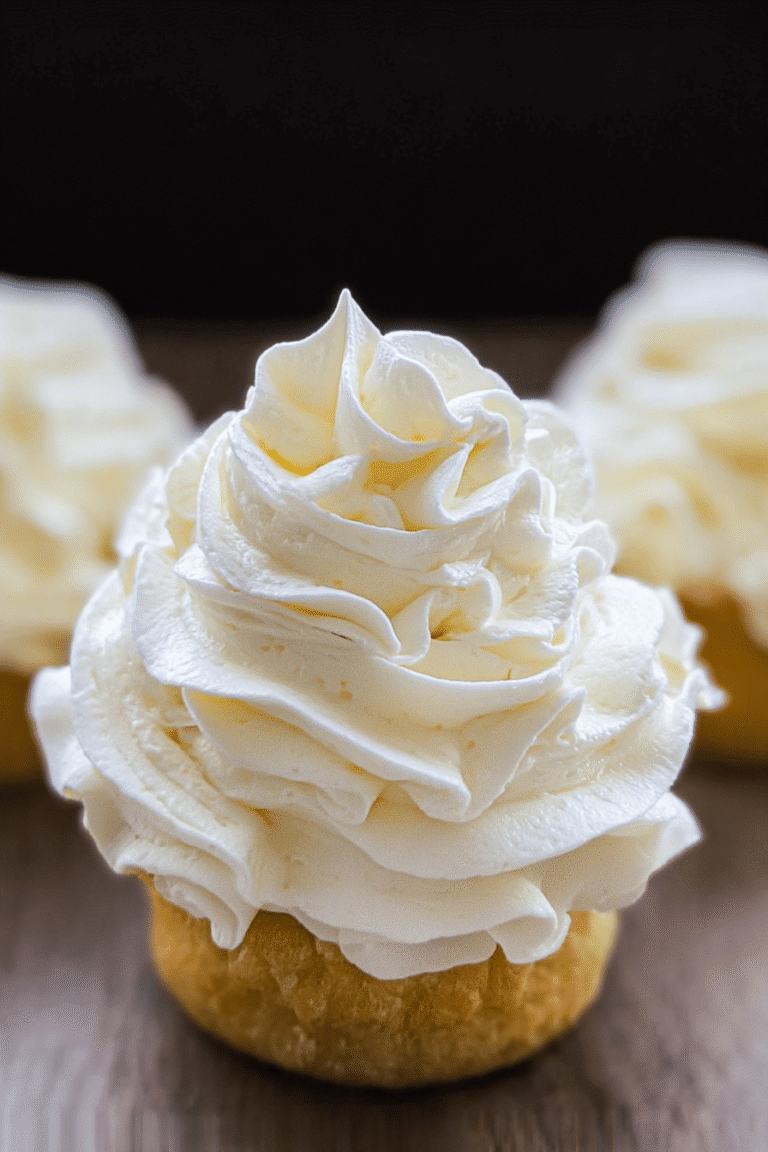
This frosting holds its shape well for piping, using tips like rose or star, making it ideal for party hosts looking to impress.
How to Store Vanilla Buttercream Frosting: Best Practices
Proper storage keeps your vanilla buttercream frosting fresh and ready for use. Keep it in an airtight container in the refrigerator for up to one week, helping maintain its creamy consistency. If you’re planning ahead, freezing is a great option just seal it tightly and it can last up to three months.
When it’s time to use refrigerated or frozen frosting, let it thaw or warm to room temperature, then give it a quick mix to restore that smooth texture. This method works well for meal prep, allowing you to have frosting on hand for spontaneous baking sessions.
FAQs: Frequently Asked Questions About Vanilla Buttercream Frosting
How can I add different flavors to vanilla buttercream frosting?
You can easily add various extracts to vanilla buttercream to change its flavor. If you want to add another extract, reduce the vanilla extract to 1 teaspoon and add about 1/2 teaspoon of your chosen extract, such as peppermint, maple, coconut, or orange. Almond extract works well in smaller amounts, around 1/4 teaspoon. Alternatively, keep the vanilla extract at 2 teaspoons and add 1/4 teaspoon of ground cinnamon for a warm twist. Always taste the frosting and adjust the flavor by adding a little more extract if desired.
Is vanilla buttercream frosting very sweet, and can I make it less sweet?
Yes, vanilla buttercream is traditionally sweet because it uses powdered sugar as a base. If you prefer a less sweet frosting, consider reducing the sugar gradually or trying a different frosting style, such as cream cheese frosting or Swiss meringue buttercream, which tend to be less sugary. Additionally, balancing sweetness with a pinch of salt in the recipe can help enhance flavor while reducing perceived sweetness.
What’s the best way to store vanilla buttercream frosting?
Vanilla buttercream can be stored at room temperature for up to 24 hours. For longer storage, refrigerate it for up to three days. Before using refrigerated buttercream, let it come to room temperature and beat it with a mixer, adding a little heavy cream or milk to restore its creamy texture. For even longer storage, buttercream can be frozen for up to three months—wrap it tightly in plastic wrap and place it in an airtight container. Thaw in the fridge overnight before rewhipping.
Can I tint vanilla buttercream frosting without affecting its texture?
Yes, you can safely color vanilla buttercream by using gel food coloring, which won’t alter the frosting’s consistency like liquid coloring might. Use a toothpick to add a small amount of gel color gradually, especially for lighter shades, to avoid overpowering the frosting. Mix thoroughly to distribute the color evenly and avoid adding too much liquid that could thin the buttercream.
Should vanilla buttercream frosting be refrigerated after decorating a cake?
Buttercream frosting can stay fresh at room temperature for about one day, but if your kitchen is warm or if the cake won’t be served within 24 hours, it’s best to refrigerate it to prevent spoilage. When refrigerated, frostings may firm up, so allow the cake to sit at room temperature for 30 minutes to an hour before serving to soften the frosting for easier cutting and better taste.
Vanilla Buttercream Frosting
🍰 This Vanilla Buttercream Frosting Recipe with Smooth Creamy Texture creates a luscious, soft frosting that perfectly complements cakes and cupcakes.
✨ Easy to make with simple ingredients, it offers a rich, velvety finish that enhances any dessert.
- Total Time: 5 minutes
- Yield: About 2.5 cups frosting
Ingredients
– 1 cup (16 tablespoons; 226 grams) unsalted butter, softened
– 4 to 5 cups (480 to 600 grams) confectioners’ sugar, sifted if lumpy
– 1/4 cup (60 ml) heavy cream, half-and-half, or whole milk at room temperature
– 2 teaspoons pure vanilla extract
– Salt to taste (usually about 1/8 teaspoon)
Instructions
1-Getting started with this vanilla buttercream frosting recipe is as simple as pulling out your mixer and a few key ingredients. First, make sure your unsalted butter is softened to room temperature for about 30 minutes; this helps it blend smoothly and avoids lumps. Once ready, you’ll beat it until it’s creamy, setting the stage for a frosting that’s light and airy.
2-Now, let’s walk through the steps in detail. Begin by beating the softened butter on medium speed for about 2 minutes using a hand or stand mixer with a paddle attachment. This creates a solid base for your buttercream frosting.
3-Next, add 4 and 1/2 cups of the confectioners’ sugar, along with the heavy cream (or your chosen substitute), and the vanilla extract. Start mixing on low speed for 30 seconds to combine everything, then crank it up to medium-high and beat for 2 full minutes until it’s fluffy.
4-Taste your mixture and add a pinch of salt if it feels too sweet this fine-tunes the flavor just right. If the consistency isn’t quite there, you can adjust by adding up to 1/2 cup more confectioners’ sugar if it’s too thin, or more heavy cream one tablespoon at a time if it’s too thick.
5-Once done, your vanilla buttercream frosting is ready to use immediately. For storage, cover it and pop it in the refrigerator for up to 1 week, or freeze it for up to 3 months. When you need it again, just beat it with a splash of heavy cream or milk to bring back that creamy texture. For more baking inspiration, check out our chocolate chip banana bread recipe that pairs wonderfully with this frosting.
Last Step:
Please leave a rating and comment letting us know how you liked this recipe! This helps our business to thrive and continue providing free, high-quality recipes for you.Notes
🧈 Use unsalted butter for better salt control.
🥛 Heavy cream adds richness, but half-and-half or whole milk are good alternatives; all must be room temperature.
🎨 For smooth color, add gel food coloring sparingly with a toothpick and stir gently.
- Prep Time: 5 minutes
- Cook Time: 0 minutes
- Category: Frosting
- Method: Mixing
- Cuisine: American
- Diet: Vegetarian
Nutrition
- Serving Size: 2 tablespoons
- Calories: 120
- Sugar: 20g
- Sodium: 30mg
- Fat: 6g
- Saturated Fat: 4g
- Trans Fat: 0g
- Carbohydrates: 18g
- Fiber: 0g
- Protein: 0g
- Cholesterol: 20mg