
Why You’ll Love This Vanilla Layer Cake
This vanilla layer cake is a go-to choice for anyone eager to whip up something special without too much fuss. It’s easy to prepare, with simple steps that let even kitchen newbies feel confident in their baking skills. What makes it even better is how it balances fun flavors with ingredients that support your well-being.
One of the great things about this recipe is its health benefits, using quality ingredients like fresh eggs and milk that add nutrients while keeping the cake moist and tasty. It’s versatile too, fitting into different lifestyles whether you’re baking for a family gathering or adapting it for dietary needs. With its rich vanilla taste, this cake stands out as a reliable favorite that keeps everyone coming back for more.
You’ll appreciate how this vanilla layer cake stays moist for days, making it ideal for busy parents or students who need a quick treat. Food enthusiasts will love experimenting with it, and it’s perfect for travelers looking for homemade comforts. For newlyweds, seniors, or working professionals, it’s a straightforward way to create something delicious without spending hours in the kitchen.
Jump to:
- Why You’ll Love This Vanilla Layer Cake
- Essential Ingredients for Vanilla Layer Cake
- How to Prepare the Perfect Vanilla Layer Cake: Step-by-Step Guide
- Prepping Your Oven and Pans
- Mixing the Dry Ingredients
- Beating the Eggs and Sugar
- Heating the Milk and Butter
- Combining the Batter
- Baking and Cooling
- Dietary Substitutions to Customize Your Vanilla Layer Cake
- Mastering Vanilla Layer Cake: Advanced Tips and Variations
- How to Store Vanilla Layer Cake: Best Practices
- FAQs: Frequently Asked Questions About Vanilla Layer Cake
- How long should I bake a vanilla layer cake in standard round pans?
- Can I stack multiple layers with this vanilla cake without it collapsing?
- What type of flour should I use to get the best texture in a vanilla layer cake?
- Can I make this vanilla cake recipe in smaller pans, like 6-inch rounds, and how do I adjust the recipe?
- Is it possible to prepare the frosting ahead of time and freeze it?
- Vanilla Layer Cake
- Ingredients
- Instructions
- Last Step:
- Notes
- Nutrition
- Did you make this recipe?
Essential Ingredients for Vanilla Layer Cake
Gathering the right ingredients is key to making a perfect vanilla layer cake. Below is a complete list of everything you’ll need, including precise measurements to ensure your bake turns out just right. We’ve organized it clearly so you can follow along easily and measure accurately.
- 2 cups plain or all-purpose flour (cake flour can also be used)
- 2 1/2 teaspoons baking powder
- 1/4 teaspoon kosher salt
- 4 large eggs (50-55g each), at room temperature
- 1 1/2 cups caster or superfine sugar (granulated sugar also works)
- 1/2 cup (115g) unsalted butter, cut into cubes
- 1 cup full-fat milk
- 3 teaspoons vanilla extract
- 3 teaspoons vegetable or canola oil
- 225g unsalted butter, softened (for Vanilla Buttercream Frosting)
- 500g soft icing sugar, sifted (for Vanilla Buttercream Frosting)
- 3 teaspoons vanilla extract (for Vanilla Buttercream Frosting)
- 2 to 4 tablespoons milk, to adjust thickness (for Vanilla Buttercream Frosting)
These ingredients come together to create a cake that’s moist and flavorful, with options for tweaks based on what you have on hand.
How to Prepare the Perfect Vanilla Layer Cake: Step-by-Step Guide
Getting started with this vanilla layer cake is simple and rewarding. Begin by preheating your oven, which sets the stage for even baking. This method ensures your cake rises nicely and stays moist for days.
Prepping Your Oven and Pans
First, preheat oven to 180°C/350°F for 20 minutes. Grease two 8-inch cake pans and line them with parchment paper to prevent sticking and make removal easy.
Mixing the Dry Ingredients
Next, whisk the flour, baking powder, and salt together in a bowl and set it aside. This step helps distribute the leavening agent evenly for a fluffy result.
Beating the Eggs and Sugar
Beat the eggs on medium speed for 30 seconds, then add sugar gradually over 45 seconds while continuing to beat. Keep going at high speed for 7 minutes until the mixture triples in volume, becomes pale, and thick this is what gives the cake its light texture.
Heating the Milk and Butter
Heat the butter and milk together until the butter melts and the mixture is hot but not boiling. Once ready, mix in the vanilla extract and oil to blend the flavors.
Combining the Batter
Add one-third of the flour mixture to the eggs and beat on low speed for 5 seconds. Repeat with half of the remaining flour, then add the rest and beat just until combined. Temper the milk mixture by adding about 1 1/2 cups of the egg batter to it, whisking until smooth and foamy. Slowly pour this back into the egg batter while mixing on low speed, scrape the bowl sides, and mix briefly until smooth and pourable.
Baking and Cooling
Pour the batter into the prepared pans and tap them on the counter three times to release any large air bubbles. Bake for about 30 minutes until the cakes are golden and a toothpick inserted comes out clean. Cool the cakes in the pans for 15 minutes, then invert onto racks and cool completely; cool them upside down for flat layers.
Once cooled, frost with vanilla buttercream. For the frosting, beat softened butter for 3 minutes until light and fluffy, add sifted icing sugar in three parts while beating slowly then on high for 3 minutes, mix in vanilla extract and milk, and beat for 30 seconds. Adjust milk as needed for the right consistency.

Dietary Substitutions to Customize Your Vanilla Layer Cake
Making this vanilla layer cake work for your needs is straightforward with a few smart swaps. For instance, you can replace eggs with flaxseed meal mixed with water for a vegan version. Butter can switch to margarine or coconut oil if you’re avoiding dairy.
Try blending in pureed pumpkin or applesauce to add moisture and nutrients while cutting back on fats. If you want to change the flavor, swap vanilla extract for almond or coconut options. These changes keep the cake delicious and adaptable for various diets.
Mastering Vanilla Layer Cake: Advanced Tips and Variations
To take your vanilla layer cake to the next level, start with pro techniques like using room temperature ingredients for better mixing. Wrap cake strips around your pans to keep the layers even and avoid doming. For more ideas, check out this chocolate chip banana bread recipe on our site for fun baking twists.
Experiment with flavors by adding citrus zest or spices like cinnamon, or mix in chocolate chips and berries. For presentation, top with fresh fruit or dust with powdered sugar. If you’re planning ahead, bake the layers early and freeze them; just thaw in the fridge overnight before frosting.
How to Store Vanilla Layer Cake: Best Practices
Keeping your vanilla layer cake fresh is easy with the right storage. Put frosted cakes in the fridge under a cover for up to 5 days. For longer storage, wrap the layers in plastic and foil to freeze for up to 3 months, then thaw overnight.
Bring refrigerated cakes to room temperature before serving to keep the texture soft. For meal prep, portion them out and seal tightly to lock in moisture and flavor.
FAQs: Frequently Asked Questions About Vanilla Layer Cake
How long should I bake a vanilla layer cake in standard round pans?
For vanilla layer cakes baked in 8- or 9-inch round pans, bake at 350°F (180°C) for about 25 to 30 minutes. Start checking doneness around 25 minutes by inserting a toothpick into the center; it should come out clean or with a few moist crumbs. Baking times vary with pan size and oven differences, so adjust accordingly. Avoid opening the oven frequently to prevent temperature drops that affect rising.
Can I stack multiple layers with this vanilla cake without it collapsing?
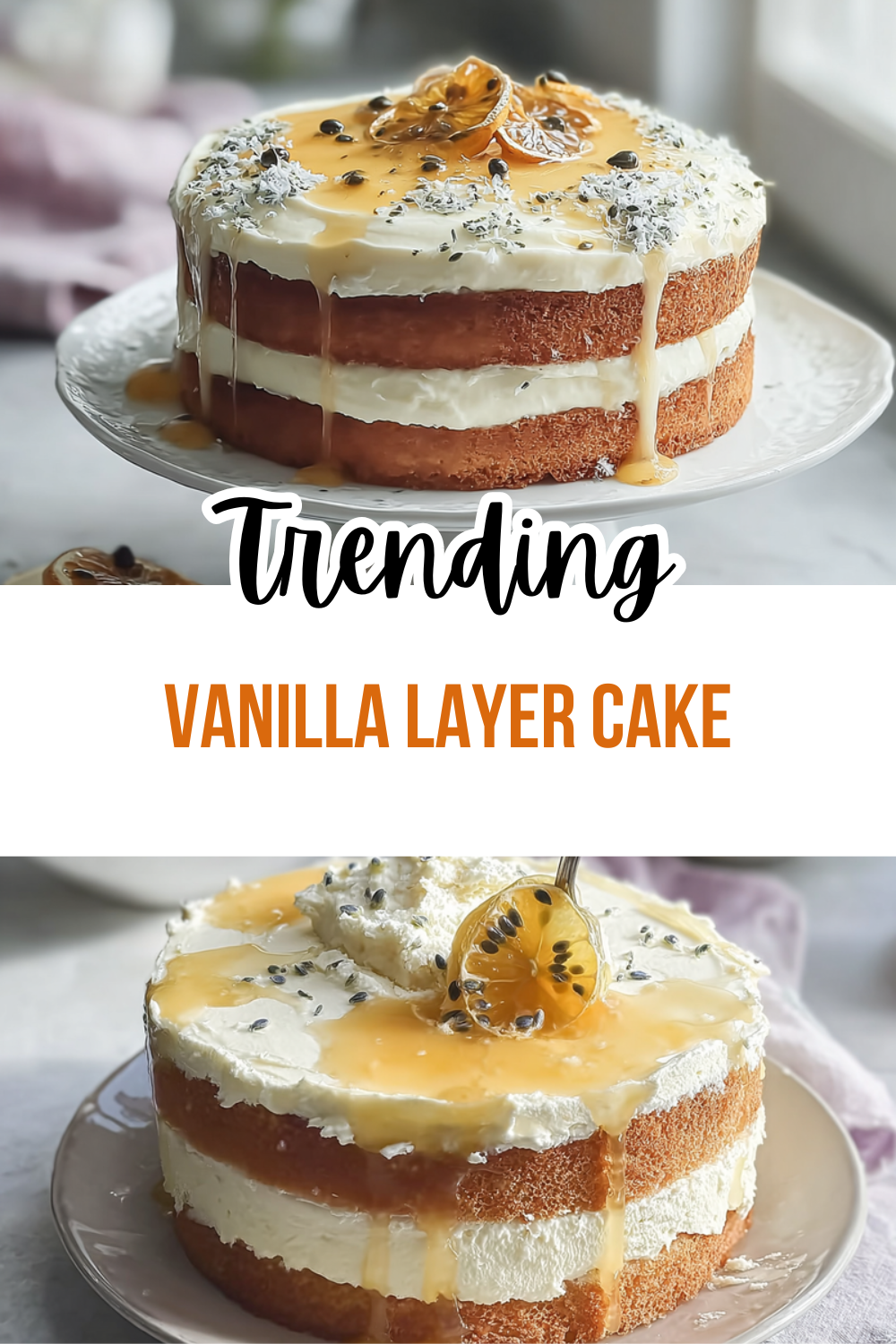
Yes, this vanilla cake is sturdy enough for 3-4 layers. Its texture is tender but firm, allowing it to hold buttercream or cream fillings without squishing or sliding. To maintain stability, level the domed tops by cooling the cakes upside down and trimming if needed. Chill the assembled cake before serving to help the layers set firmly.
What type of flour should I use to get the best texture in a vanilla layer cake?
Using plain (all-purpose) flour is best for this recipe, as it produces a moist, velvety crumb with a rich butter and vanilla flavor. Cake flour isn’t recommended here because it can make the cake too soft and less able to support layers. Using fresh flour that hasn’t been sitting on the shelf for long will also help achieve a tender crumb.
Can I make this vanilla cake recipe in smaller pans, like 6-inch rounds, and how do I adjust the recipe?
Yes, you can bake this cake in 6-inch pans by halving the recipe for a single 6-inch layer or using the full recipe for a taller cake. Expect a slight dome which you can level off after baking for even layers. Baking times may be shorter—around 20-25 minutes—so watch closely to avoid overbaking.
Is it possible to prepare the frosting ahead of time and freeze it?
Buttercream frosting used for this vanilla cake can be made in advance and frozen for up to 2 months. Freeze it in an airtight container, then thaw in the refrigerator overnight before using. Whip the frosting again briefly to restore its smooth texture before applying. Avoid freezing frostings with fresh dairy components or whipped cream-based toppings, which don’t freeze well.
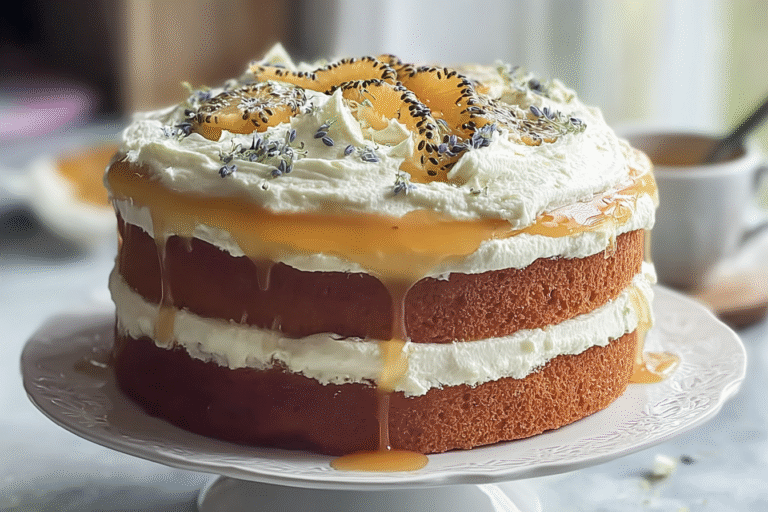
Vanilla Layer Cake
🎂 Enjoy a Vanilla Cake that stays moist and delicious for several days, perfect for celebrations or everyday treats.
🍰 This recipe features a light, airy texture and a rich vanilla flavor that keeps every bite fresh and satisfying.
- Total Time: 2 hours 50 minutes
- Yield: 10 servings
Ingredients
– 2 cups plain or all-purpose flour (cake flour can also be used)
– 2 1/2 teaspoons baking powder
– 1/4 teaspoon kosher salt
– 4 large eggs (50-55g each), at room temperature
– 1 1/2 cups caster or superfine sugar (granulated sugar also works)
– 1/2 cup (115g) unsalted butter, cut into cubes
– 1 cup full-fat milk
– 3 teaspoons vanilla extract
– 3 teaspoons vegetable or canola oil
– 225g unsalted butter for Vanilla Buttercream Frosting
– 500g soft icing sugar, sifted for Vanilla Buttercream Frosting
– 3 teaspoons vanilla extract for Vanilla Buttercream Frosting
– 2 to 4 tablespoons milk to adjust thickness for Vanilla Buttercream Frosting
Instructions
1-Prepping Your Oven and Pans: First, preheat oven to 180°C/350°F for 20 minutes. Grease two 8-inch cake pans and line them with parchment paper to prevent sticking and make removal easy.
2-Mixing the Dry Ingredients: Next, whisk the flour, baking powder, and salt together in a bowl and set it aside. This step helps distribute the leavening agent evenly for a fluffy result.
3-Beating the Eggs and Sugar: Beat the eggs on medium speed for 30 seconds, then add sugar gradually over 45 seconds while continuing to beat. Keep going at high speed for 7 minutes until the mixture triples in volume, becomes pale, and thick this is what gives the cake its light texture.
4-Heating the Milk and Butter: Heat the butter and milk together until the butter melts and the mixture is hot but not boiling. Once ready, mix in the vanilla extract and oil to blend the flavors.
5-Combining the Batter: Add one-third of the flour mixture to the eggs and beat on low speed for 5 seconds. Repeat with half of the remaining flour, then add the rest and beat just until combined. Temper the milk mixture by adding about 1 1/2 cups of the egg batter to it, whisking until smooth and foamy. Slowly pour this back into the egg batter while mixing on low speed, scrape the bowl sides, and mix briefly until smooth and pourable.
6-Baking and Cooling: Pour the batter into the prepared pans and tap them on the counter three times to release any large air bubbles. Bake for about 30 minutes until the cakes are golden and a toothpick inserted comes out clean. Cool the cakes in the pans for 15 minutes, then invert onto racks and cool completely; cool them upside down for flat layers.
7-Frosting the Cake: Once cooled, frost with vanilla buttercream. For the frosting, beat softened butter for 3 minutes until light and fluffy, add sifted icing sugar in three parts while beating slowly then on high for 3 minutes, mix in vanilla extract and milk, and beat for 30 seconds. Adjust milk as needed for the right consistency.
Last Step:
Please leave a rating and comment letting us know how you liked this recipe! This helps our business to thrive and continue providing free, high-quality recipes for you.Notes
🍳 Use room temperature eggs to improve aeration for a lighter cake.
🌡 Warm bowls in a cold kitchen to help eggs hold more air.
🎂 Cool cakes upside down to achieve flat layers for easier frosting and presentation.
- Prep Time: 20 minutes
- Cooling Time: 2 hours
- Cook Time: 30 minutes
- Category: Dessert
- Method: Baking
- Cuisine: American
- Diet: Vegetarian
Nutrition
- Serving Size: 1 serving
- Calories: 339 kcal
- Sugar: 31 g
- Sodium: 97 mg
- Fat: 13 g
- Saturated Fat: 7 g
- Carbohydrates: 51 g
- Protein: 6 g
- Cholesterol: 91 mg