
Why You’ll Love This Yeast Rolls
Yeast rolls offer a simple yet rewarding way to bake fresh bread at home, and this recipe stands out for its easy steps that make it ideal for beginners. With ingredients you likely have in your kitchen, you can create fluffy, golden rolls that enhance any meal, from weeknight dinners to holidays. Let’s look at what makes this yeast rolls recipe a favorite among home cooks and baking enthusiasts.
The preparation is straightforward, taking just minutes to mix before the dough rises on its own, allowing you to focus on other tasks. These rolls deliver great health benefits through natural ingredients that provide energy without overly processed additives. Plus, their versatility lets you adapt them to suit vegan or gluten-free diets, making them a flexible choice for various gatherings.
Key Benefits of Yeast Rolls
- Ease of preparation: This yeast rolls recipe is straightforward and quick to prepare, requiring minimal ingredients and simple mixing steps that even beginners can master. The dough rises efficiently, allowing you to enjoy fresh, fluffy rolls without a lengthy wait.
- Health benefits: Made with wholesome ingredients like whole wheat flour and natural yeast, these rolls provide fiber and essential nutrients, promoting digestive health and sustained energy. The recipe can be adapted to include heart-healthy oils and reduced sugar for a nutritious option.
- Versatility: These yeast rolls adapt beautifully to various dietary needs, including vegan, gluten-free, and low-calorie diets, through easy ingredient substitutions. Whether as a savory side or a sweet treat, they complement multiple meals and cuisines.
- Distinctive flavor: The natural fermentation of yeast develops a mildly tangy, rich flavor that sets these rolls apart from standard bread. Enhanced by optional herbs or spices, each roll offers a unique taste experience that delights the palate.
For more on how to adapt these for different occasions, check out our guide on mastering yeast rolls variations.
Jump to:
- Why You’ll Love This Yeast Rolls
- Key Benefits of Yeast Rolls
- Essential Ingredients for Yeast Rolls
- Complete Ingredients List
- How to Prepare the Perfect Yeast Rolls: Step-by-Step Guide
- Step-by-Step Instructions
- Dietary Substitutions to Customize Your Yeast Rolls
- Common Substitution Options
- Mastering Yeast Rolls: Advanced Tips and Variations
- Pro Tips for Better Results
- How to Store Yeast Rolls: Best Practices
- FAQs: Frequently Asked Questions About Yeast Rolls
- Why are my yeast rolls dense instead of light and fluffy?
- How do I store yeast rolls to keep them fresh longer?
- Can I freeze yeast rolls before or after baking?
- How long should I let yeast roll dough rise?
- What is the best way to get a golden, shiny crust on yeast rolls?
- Yeast Rolls
- Ingredients
- Instructions
- Last Step:
- Notes
- Nutrition
- Did you make this recipe?
Essential Ingredients for Yeast Rolls
Gathering the right ingredients is the first step to making perfect yeast rolls, and this recipe keeps things simple with everyday items. Using precise measurements ensures the dough turns out soft and rises well, making your baking experience seamless. Below is a complete list of everything you’ll need, based on a reliable recipe that focuses on freshness and flavor.
Complete Ingredients List
- 1/2 cup whole milk
- 1/2 cup granulated sugar
- 1/4 cup butter, melted
- 1 1/2 teaspoons salt
- 1/2 cup water (105 to 115 degrees Fahrenheit)
- 2 packages yeast
- 2 large eggs, lightly beaten
- 4 1/2 cups all-purpose flour (may need a little more)
This structured list covers all the essentials for a batch of yeast rolls, helping you measure accurately for the best results. For those with dietary restrictions, we’ll explore substitutions later to keep things inclusive.
How to Prepare the Perfect Yeast Rolls: Step-by-Step Guide
Making yeast rolls might seem tricky at first, but this step-by-step guide walks you through it with clear instructions. Start by heating your ingredients to activate the yeast, then mix and knead the dough for that ideal texture. Follow along for a simple process that leads to soft, fluffy results every time.
Step-by-Step Instructions
- Heat 1/2 cup of whole milk in a small saucepan until just boiling, then remove from heat.
- Stir in 1/2 cup granulated sugar, 1/4 cup melted butter, and 1 1/2 teaspoons salt; allow the mixture to cool to lukewarm (not hotter than 115 degrees Fahrenheit).
- In a separate container, mix 1/2 cup warm water (105 to 115 degrees Fahrenheit) and 2 packages yeast; let sit for a few minutes.
- Combine the yeast mixture, milk mixture, 2 lightly beaten large eggs, and 2 cups of all-purpose flour in a mixing bowl; beat with a paddle attachment until mixed.
- Gradually add the remaining 2 1/2 cups flour, adjusting the amount if necessary.
- Knead dough using a dough hook on a mixer for about 7 minutes or by hand on a floured surface for 8 to 10 minutes.
- Place the dough in a buttered bowl, turning to coat all sides; cover and let rise in a warm place for 1 hour.
- Punch dough down and divide into balls of about 2 to 3 tablespoons each.
- Arrange the rolls in a greased 9×13-inch baking pan (5 rows of 4 rolls), cover, and let rise for another hour.
- Preheat oven to 375 degrees Fahrenheit about 10 minutes before baking.
- Bake rolls for 20 to 25 minutes until golden brown.
- Brush the tops with butter and serve.
Preparation times include: Prep time of 15 minutes, rise time of 2 hours total, bake time of 20 to 25 minutes, and total active time of approximately 35 minutes plus rising. For tips on finding warm spots, like the top of a running dryer or a sunny window, remember that rising might take longer in cooler areas but will still work.

Dietary Substitutions to Customize Your Yeast Rolls
Adapting yeast rolls to fit different diets is easier than you think, allowing everyone to enjoy this homemade treat. Whether you’re avoiding gluten or going vegan, small changes can make a big difference without sacrificing taste. Let’s explore some practical swaps based on common preferences.
Common Substitution Options
- Replace dairy milk with coconut, almond, or soy milk to accommodate vegan or lactose-intolerant diets.
- Use plant-based butter or oils as a substitute for dairy butter to maintain moisture.
- For gluten-free needs, swap traditional flour for certified gluten-free baking mixes specialized for yeasted breads.
These adjustments help keep yeast rolls versatile for various meals.
Mastering Yeast Rolls: Advanced Tips and Variations
Once you’re comfortable with the basics, you can elevate your yeast rolls with advanced techniques and creative twists. Trying new methods can enhance texture and flavor, making your baking more exciting. Here are some expert suggestions to try next time.
Pro Tips for Better Results
| Technique | Benefit |
|---|---|
| Use the tangzhong method | Creates extra soft and moist rolls |
| Extend fermentation time | Develops complex flavors |
| Incorporate flavors like cheese or cinnamon | Offers diverse taste options |
Remember tips like ensuring the milk mixture stays under 115 degrees Fahrenheit to protect the yeast, and always use fresh yeast for optimal rise. For make-ahead options, shape and freeze rolls ahead, then thaw and rise before baking.
How to Store Yeast Rolls: Best Practices
Proper storage keeps your yeast rolls fresh and tasty, extending their enjoyment beyond baking day. Simple methods can preserve that soft texture, whether you’re saving them for later or preparing in advance. Follow these guidelines to maintain quality over time.
For more storage ideas, visit our section on storing baked goods effectively. Key practices include keeping rolls in an airtight container to avoid staleness.
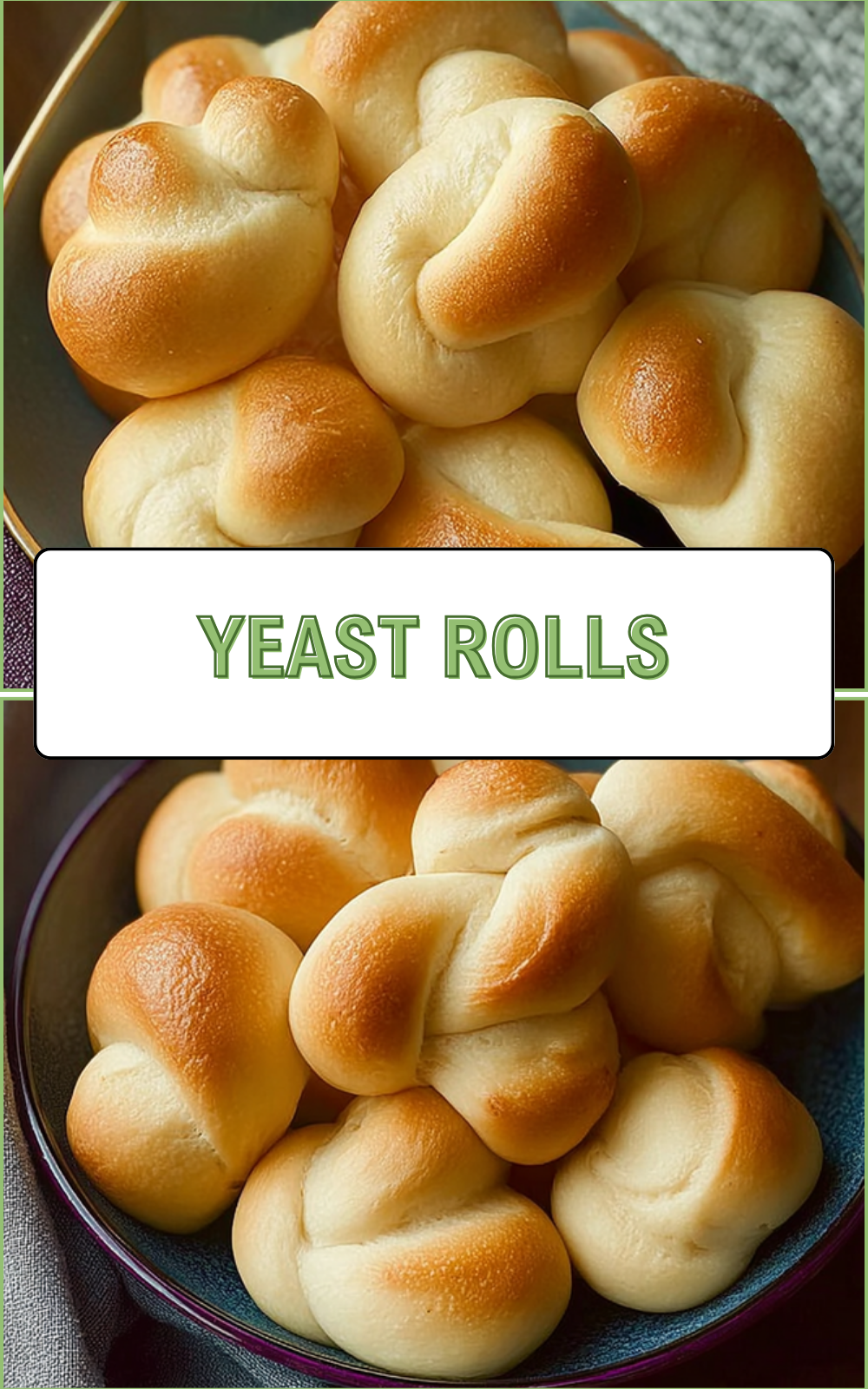
FAQs: Frequently Asked Questions About Yeast Rolls
Why are my yeast rolls dense instead of light and fluffy?
Dense yeast rolls usually result from issues such as using old or inactive yeast, over- or under-proofing the dough, or adding too much flour. Make sure your yeast is fresh and activate it in warm liquid (around 110-115°F). Allow the dough to rise until it roughly doubles in size, which may take longer depending on room temperature. Avoid adding excess flour; the dough should be slightly sticky but manageable. These steps help create soft, airy rolls.
How do I store yeast rolls to keep them fresh longer?
Store baked yeast rolls in an airtight container or a resealable plastic bag at room temperature for up to 3 days. To maintain softness, you can place a slice of bread inside the container to retain moisture. For longer storage, freeze the rolls in an airtight container or freezer bag for up to 3 months. When ready to eat, thaw at room temperature and warm in the oven or microwave.
Can I freeze yeast rolls before or after baking?
Yes, you can freeze yeast rolls both before and after baking. For freezing before baking, shape the rolls and place them on a baking sheet to freeze individually. Once frozen, transfer to a freezer-safe bag. When ready, thaw and allow them to rise before baking. For baked rolls, cool completely and freeze in airtight bags. Reheat by warming in the oven for best texture.
How long should I let yeast roll dough rise?
Yeast roll dough typically needs to rise until it doubles in size, which usually takes 1 to 2 hours depending on room temperature. Warmer environments speed up rising, while cooler ones slow it down. Avoid rushing this step, as under-proofed dough leads to dense rolls, and over-proofed dough can collapse. Check the dough periodically and proceed once it has visibly doubled.
What is the best way to get a golden, shiny crust on yeast rolls?
For a golden, shiny crust, brush the rolls with an egg wash made from one beaten egg mixed with a tablespoon of water or milk before baking. Alternatively, melted butter can be brushed on immediately after baking for a soft crust with rich flavor. Both methods enhance color and appearance while adding a subtle gloss to your yeast rolls.
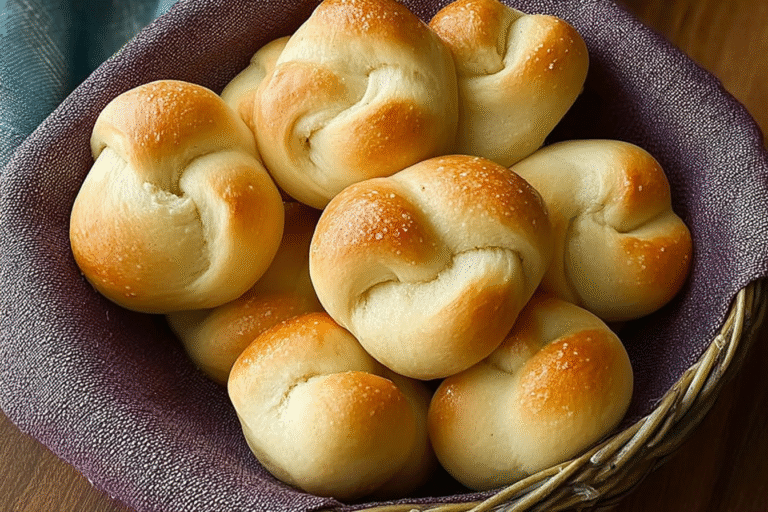
Yeast Rolls
🥖 These Yeast Rolls are soft, fluffy, and perfect for homemade bread lovers looking for comfort and freshness.
🍞 The recipe is straightforward and yields delicious rolls ideal for family meals or special occasions.
- Total Time: 2 hours 40 minutes
- Yield: 20 rolls
Ingredients
– 1/2 cup whole milk
– 1/2 cup granulated sugar
– 1/4 cup butter, melted
– 1 1/2 teaspoons salt
– 1/2 cup water (105 to 115 degrees Fahrenheit)
– 2 packages yeast
– 2 large eggs, lightly beaten
– 4 1/2 cups all-purpose flour (may need a little more)
Instructions
1-Heat 1/2 cup of whole milk in a small saucepan until just boiling, then remove from heat.
2-Stir in 1/2 cup granulated sugar, 1/4 cup melted butter, and 1 1/2 teaspoons salt; allow the mixture to cool to lukewarm (not hotter than 115 degrees Fahrenheit).
3-In a separate container, mix 1/2 cup warm water (105 to 115 degrees Fahrenheit) and 2 packages yeast; let sit for a few minutes.
4-Combine the yeast mixture, milk mixture, 2 lightly beaten large eggs, and 2 cups of all-purpose flour in a mixing bowl; beat with a paddle attachment until mixed.
5-Gradually add the remaining 2 1/2 cups flour, adjusting the amount if necessary.
6-Knead dough using a dough hook on a mixer for about 7 minutes or by hand on a floured surface for 8 to 10 minutes.
7-Place the dough in a buttered bowl, turning to coat all sides; cover and let rise in a warm place for 1 hour.
8-Punch dough down and divide into balls of about 2 to 3 tablespoons each.
9-Arrange the rolls in a greased 9×13-inch baking pan (5 rows of 4 rolls), cover, and let rise for another hour.
10-Preheat oven to 375 degrees Fahrenheit about 10 minutes before baking.
11-Bake rolls for 20 to 25 minutes until golden brown.
12-Brush the tops with butter and serve.
Last Step:
Please leave a rating and comment letting us know how you liked this recipe! This helps our business to thrive and continue providing free, high-quality recipes for you.Notes
🌡️ Ensure the milk mixture does not exceed 115 degrees Fahrenheit to avoid killing the yeast.
🧂 Avoid adding excessive flour; dough should remain slightly sticky.
❄️ Rolls can be frozen after shaping; thaw and allow to rise before baking.
- Prep Time: 15 minutes
- Rise time: 2 hours
- Cook Time: 25 minutes
- Category: Bread
- Method: Baking
- Cuisine: American
Nutrition
- Serving Size: 1 roll