

Why You’ll Love This Hibachi Zucchini
Hibachi zucchini brings the vibrant flavors of a Japanese steakhouse right to your kitchen with its simple, stir-fried charm. It’s quick, healthy, and full of taste, making it a go-to dish for busy days. Discover how this recipe can become your new favorite side for meals.
One of the best parts of this hibachi zucchini recipe is its ease of preparation, using just a few ingredients and taking only about 20 minutes to make. It’s packed with health benefits like vitamins, fiber, and antioxidants from the fresh zucchini, supporting a balanced diet without much effort. Plus, its versatility lets you adapt it for vegan or gluten-free needs, ensuring everyone at the table can enjoy it.
The distinctive flavor comes from fresh ginger, garlic, and soy sauce, creating a savory and slightly smoky taste that’s hard to resist. This dish pairs wonderfully with rice, fried rice, or noodles, adding a nutritious boost to any meal. Whether you’re a student short on time or a working professional seeking healthy options, hibachi zucchini fits right in.
- It supports wellness with nutrients that help in daily health routines.
- Its adaptability makes it ideal for various dietary preferences.
- The quick cooking time keeps it simple for everyday cooking.
Jump to:
- Why You’ll Love This Hibachi Zucchini
- Essential Ingredients for Hibachi Zucchini
- Main Ingredients List
- How to Prepare the Perfect Hibachi Zucchini: Step-by-Step Guide
- Gathering and Prepping Ingredients
- Cooking Process
- Dietary Substitutions to Customize Your Hibachi Zucchini
- Mastering Hibachi Zucchini: Advanced Tips and Variations
- Flavor and Presentation Ideas
- How to Store Hibachi Zucchini: Best Practices
- FAQs: Frequently Asked Questions About Hibachi Zucchini
- What vegetables go well with hibachi zucchini?
- How do I store leftover hibachi zucchini to keep it fresh?
- Can hibachi zucchini be made gluten-free?
- Is hibachi zucchini a healthy side dish option?
- How long does it take to cook hibachi zucchini properly?
- Hibachi Zucchini
- Ingredients
- Instructions
- Last Step:
- Notes
- Nutrition
- Did you make this recipe?
Essential Ingredients for Hibachi Zucchini
Gathering the right ingredients is key to making authentic hibachi zucchini. This section lists everything you need, focusing on fresh items that bring out the best flavors. Start with high-quality produce for the tastiest results.
Main Ingredients List
- 2 large zucchinis (green or yellow)
- 1 tablespoon oil (vegetable, olive, canola, avocado, or toasted sesame oil)
- 2 tablespoons butter (or oil for a vegan version)
- 1 teaspoon minced ginger
- 1 teaspoon minced garlic
- 1 cup sliced onions
- 2 teaspoons soy sauce (substitute tamari or coconut aminos for gluten-free)
- ¼ teaspoon salt
- ¼ teaspoon black pepper powder
- Chopped scallion greens and toasted white sesame seeds for garnish
These ingredients combine to create a dish that’s both flavorful and nutritious, with about 98 calories per serving including 9g carbohydrates, 3g protein, 6g fat, and 2g fiber. For special dietary options, you can swap soy sauce with tamari for gluten-free or use plant-based oils to keep it vegan.
How to Prepare the Perfect Hibachi Zucchini: Step-by-Step Guide
Creating hibachi zucchini at home is straightforward and fun, perfect for home cooks looking to try something new. Follow these steps to get a delicious, slightly charred vegetable dish ready in about 20 minutes. We’ll cover everything from prep to serving for a seamless experience.
Gathering and Prepping Ingredients
First, rinse and dry the zucchinis, then cut off ½ inch from each end and slice them into 2-inch-long batons about 8mm thick, keeping the skin on for added texture. This step ensures even cooking and helps retain nutrients. Mince the ginger and garlic ahead of time to make the process smoother.
Cooking Process
Heat the oil and butter in a large skillet or wok over medium-high heat until it’s hot and ready. Add the minced ginger and garlic, sautéing them for 4 to 5 seconds to release their aroma. Next, toss in the sliced zucchini and onions, sautéing for 1 minute to start the stir-frying.
- Mix in the soy sauce, salt, and black pepper to coat the vegetables evenly.
- Cook uncovered for 6 to 8 minutes, stirring often until the zucchini releases liquid and gets slightly charred, but don’t overcook it to keep a nice bite.
- Garnish with chopped scallion greens and toasted white sesame seeds right before serving hot.
This method makes the dish customizable, like adding proteins such as shrimp or chicken for a fuller meal. For more ideas on fresh pairings, check out our berry crisp recipe which shows how fruits can complement veggie dishes. Remember, leftovers store well in an airtight container for up to 3 to 4 days.

Dietary Substitutions to Customize Your Hibachi Zucchini
Making hibachi zucchini your own is easy with a few swaps. This section covers options for different diets while keeping the dish tasty and simple. Adapt it based on what you have on hand or your preferences.
For protein and main component alternatives, swap zucchini with yellow squash or eggplant to change the texture. Add tofu or tempeh for vegan protein, or include chicken or shrimp if you’re eating meat. These changes help turn the dish into a balanced meal without much hassle.
- Use bell peppers, mushrooms, or snap peas as vegetable alternatives for added variety.
- Swap soy sauce for coconut aminos or tamari to meet gluten-free needs.
- Try different seasonings like chili flakes or lemon juice to tweak the flavors.
Experimenting keeps things interesting, and for more flavor inspiration, visit our blueberry lemonade page to see how citrus can enhance dishes like this.
Mastering Hibachi Zucchini: Advanced Tips and Variations
Taking your hibachi zucchini to the next level involves some pro techniques and creative twists. Use a cast iron skillet or hibachi grill for that authentic sear and flavor. Preheat it well to get the perfect stir-fry texture every time.
Flavor and Presentation Ideas
Add garlic butter or teriyaki glaze for a richer taste, and don’t forget garnishes like toasted sesame seeds. For presentation, serve it on a warm plate with chopped scallions and a side of steamed rice. These tips make the dish stand out at any gathering.
Make-ahead options include slicing vegetables and mixing seasonings in advance for quick meals. This recipe pairs well with other fresh ideas, enhancing your cooking skills over time.
| Tip Category | Description |
|---|---|
| Pro Technique | Preheating the pan for even cooking |
| Variation | Adding herbs for extra flavor |
How to Store Hibachi Zucchini: Best Practices
Proper storage keeps your hibachi zucchini fresh and tasty for later. Refrigerate cooked portions in airtight containers and eat within 3 days. This simple step helps maintain the dish’s texture and flavor.
- Freeze extras in safe containers for up to 1 month, then thaw in the fridge before reheating.
- Reheat gently in a skillet to avoid sogginess and keep that crisp bite.
- For meal prep, store ingredients separately and combine when ready to cook.
These methods ensure you can enjoy leftovers without losing quality, making it ideal for busy schedules.
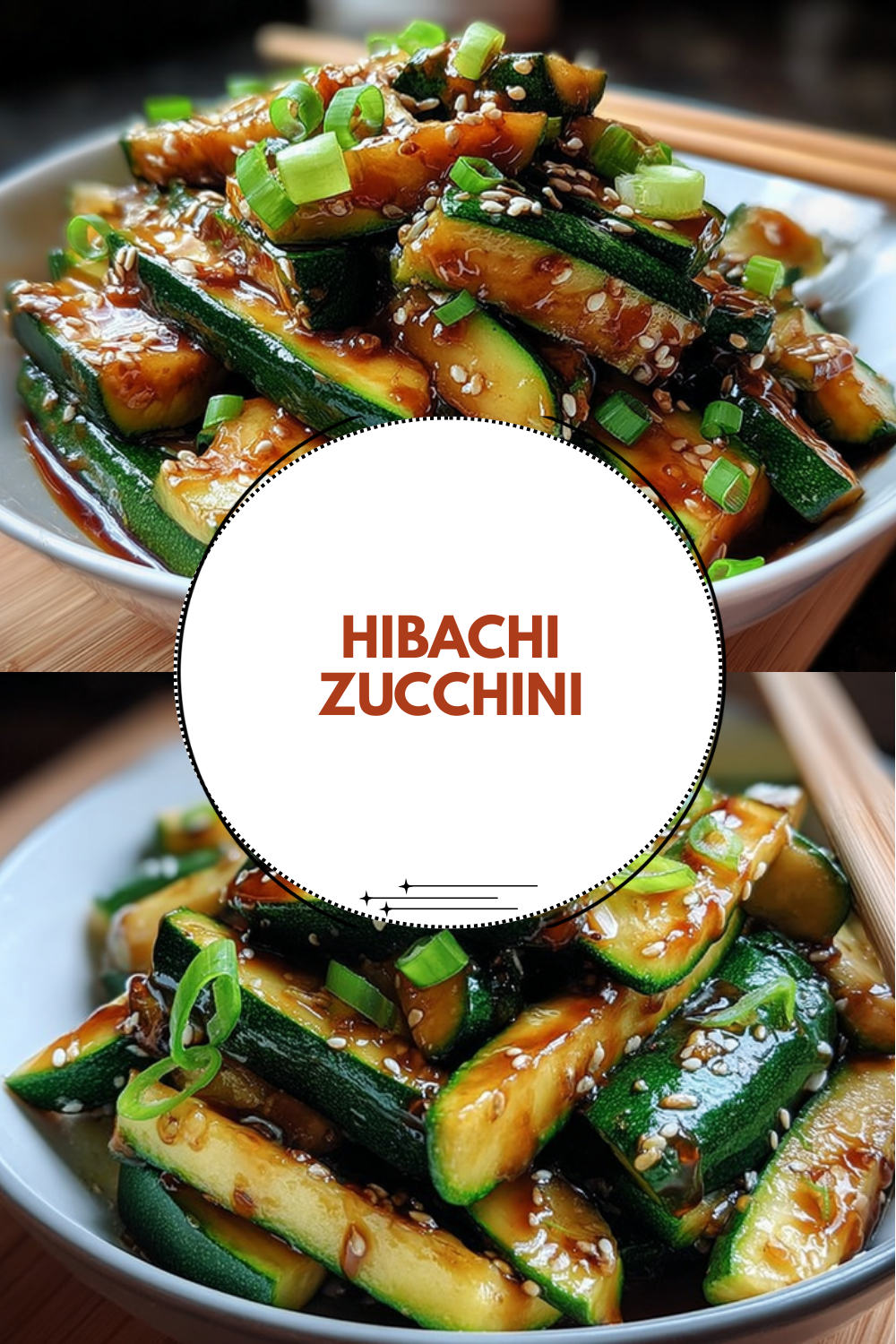
FAQs: Frequently Asked Questions About Hibachi Zucchini
What vegetables go well with hibachi zucchini?
Hibachi zucchini pairs well with a variety of vegetables like bell peppers, broccoli, mushrooms, and snow peas. These vegetables complement the mild flavor and tender texture of zucchini. You can stir-fry them together with the zucchini in a hibachi-style pan for a colorful, balanced dish. For best results, cut all vegetables into similar-sized pieces to ensure even cooking.
How do I store leftover hibachi zucchini to keep it fresh?
Store leftover hibachi zucchini in an airtight container and refrigerate it promptly. It will stay fresh for 3-4 days. When reheating, use a pan or microwave until the zucchini is heated through, as stovetop reheating helps retain the texture better. Avoid leaving leftovers at room temperature for more than two hours to prevent spoilage.
Can hibachi zucchini be made gluten-free?
Yes, hibachi zucchini can easily be made gluten-free by using gluten-free soy sauce or tamari instead of regular soy sauce. Also, avoid adding any sauces or seasonings containing wheat. Always check ingredient labels to confirm there are no hidden gluten sources, especially in pre-made sauces or spice blends.
Is hibachi zucchini a healthy side dish option?
Hibachi zucchini is a nutritious and low-calorie side dish. Zucchini is rich in vitamins A and C, antioxidants, and dietary fiber. When cooked quickly over high heat with minimal oil, it retains most of its nutrients. The dish is naturally low in fat and carbs, making it suitable for various diets, including vegetarian and keto.
How long does it take to cook hibachi zucchini properly?
Cooking hibachi zucchini typically takes about 5 to 7 minutes over medium-high heat. Stir-fry the zucchini slices or chunks until they are tender but still slightly crisp, which preserves their texture and flavor. Overcooking can make them mushy, so keep an eye on the cooking time and stir frequently for even heating.
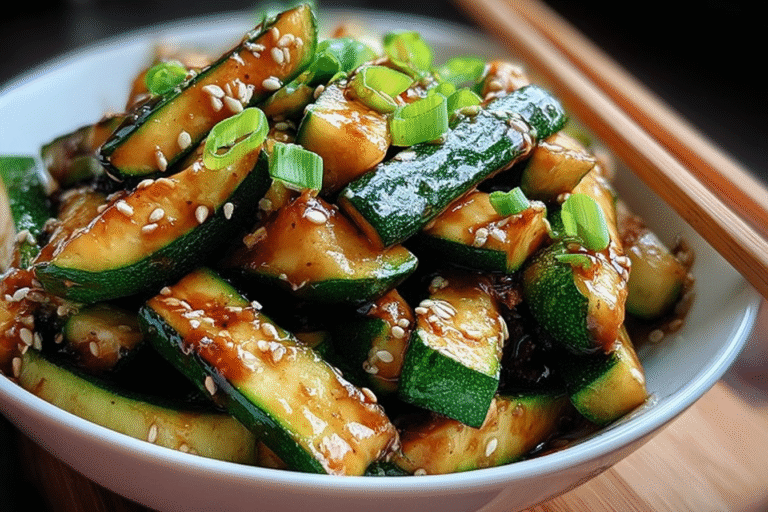
Hibachi Zucchini
🥒 This Hibachi Zucchini recipe brings the authentic Japanese steakhouse flavor to your table with a simple, quick stir-fry featuring fresh zucchini and aromatic seasonings.
⏰ Ready in about 20 minutes, it’s a light and tasty side dish that pairs perfectly with rice, fried rice, or noodles for a balanced meal.
- Total Time: 20 minutes
- Yield: 4 servings
Ingredients
– 2 large zucchinis (green or yellow)
– 1 tablespoon oil (vegetable, olive, canola, avocado, or toasted sesame oil)
– 2 tablespoons butter (or oil for a vegan version)
– 1 teaspoon minced ginger
– 1 teaspoon minced garlic
– 1 cup sliced onions
– 2 teaspoons soy sauce (substitute tamari or coconut aminos for gluten-free)
– ¼ teaspoon salt
– ¼ teaspoon black pepper powder
– Chopped scallion greens and toasted white sesame seeds for garnish
Instructions
First, rinse and dry the zucchinis, then cut off ½ inch from each end and slice them into 2-inch-long batons about 8mm thick, keeping the skin on for added texture. This step ensures even cooking and helps retain nutrients. Mince the ginger and garlic ahead of time to make the process smoother.
Heat the oil and butter in a large skillet or wok over medium-high heat until it’s hot and ready. Add the minced ginger and garlic, sautéing them for 4 to 5 seconds to release their aroma. Next, toss in the sliced zucchini and onions, sautéing for 1 minute to start the stir-frying.
Mix in the soy sauce, salt, and black pepper to coat the vegetables evenly.
Cook uncovered for 6 to 8 minutes, stirring often until the zucchini releases liquid and gets slightly charred, but don’t overcook it to keep a nice bite.
Garnish with chopped scallion greens and toasted white sesame seeds right before serving hot.
Last Step:
Please leave a rating and comment letting us know how you liked this recipe! This helps our business to thrive and continue providing free, high-quality recipes for you.Notes
🌱 Use toasted sesame oil for authentic flavor and a nice aroma.
🥢 Avoid overcooking zucchini to maintain a pleasant texture with a slight bite.
🥄 Customize by adding other veggies or protein like shrimp or chicken for a complete meal.
- Prep Time: 5 minutes
- Cook Time: 15 minutes
- Category: Side Dish
- Method: Stir-Frying
- Cuisine: Japanese
- Diet: Vegetarian
Nutrition
- Serving Size: 1 serving
- Calories: 98 kcal
- Sugar: 3 g
- Sodium: 300 mg
- Fat: 6 g
- Saturated Fat: 2 g
- Unsaturated Fat: 3 g
- Trans Fat: 0 g
- Carbohydrates: 9 g
- Fiber: 2 g
- Protein: 3 g
- Cholesterol: 10 mg