

Why You’ll Love This Yaki Udon
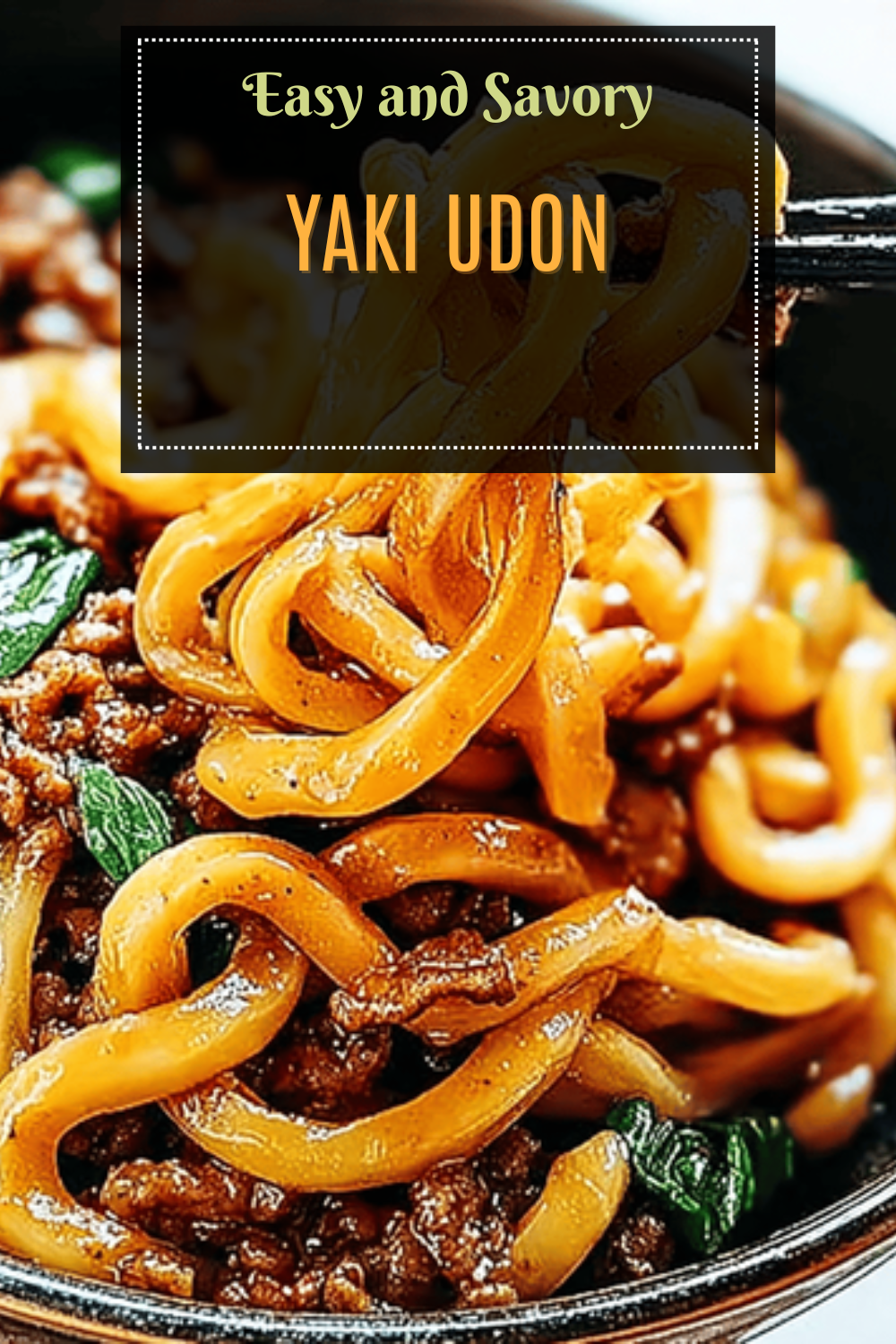
Yaki Udon is a quick Japanese stir-fried noodle dish that delivers big on flavor with minimal effort, making it a go-to meal for anyone short on time. This recipe comes together in about 15 minutes, blending thick, chewy udon noodles with fresh veggies and your choice of protein in a savory sauce that’s easy to prepare. Whether you’re a busy parent rushing through dinner or a food enthusiast experimenting in the kitchen, this dish offers something for everyone with its simple steps and adaptable ingredients.
One of the best parts of this Yaki Udon recipe is its ease of preparation, perfect for busy weeknights or spontaneous meals. With basic ingredients you likely have on hand, it’s straightforward and fun to make, encouraging home cooks to get creative without stress. This stir-fried udon not only saves time but also packs in nutrition, helping you feel energized without spending hours cooking.
- Ease of preparation: This Yaki Udon recipe is incredibly simple and quick to prepare, making it ideal for busy weeknights or last-minute meals. With minimal ingredients and straightforward steps, you can have a tasty stir-fried udon dish ready in under 30 minutes.
- Health benefits: Yaki Udon offers a balanced nutritional profile, combining protein, vegetables, and carbohydrates for sustained energy. It can be adapted to include lean meats, tofu, or extra veggies, promoting wellness and a nutritious diet.
- Versatility: This recipe is highly adaptable to different dietary needs, from vegan and gluten-free options to low-calorie variations. You can easily swap proteins and sauces to fit your preferences while still enjoying the authentic flavor.
- Distinctive flavor: The stir-fried udon noodles are infused with a savory blend of soy sauce, garlic, and sesame oil, offering a rich taste experience that stands out from other noodle dishes. Its umami flavor makes it a satisfying meal any time of day.
Yaki Udon stands out because it’s not just fast it’s also versatile and forgiving, letting you tweak it based on what you have in the fridge. For instance, you could add more greens for a lighter meal or extra protein for heartier portions, keeping things fresh and exciting. This makes it a favorite among students and working professionals who need quick, tasty options that fit into a busy lifestyle. Plus, with its balance of carbs and protein, it’s a smart choice for diet-conscious folks looking for a fulfilling dish.
If you’re new to Japanese cooking, Yaki Udon is a great starting point because it’s approachable and rewarding. The sauce brings everything together with a mix of sweet and salty notes, creating that authentic taste without needing special tools. Explore how this recipe can become a staple in your routine, offering meals that are both comforting and customizable to your tastes.
Jump to:
- Why You’ll Love This Yaki Udon
- Essential Ingredients for Yaki Udon
- Main Ingredients
- Yaki Udon Noodle Sauce Ingredients
- How to Prepare the Perfect Yaki Udon: Step-by-Step Guide
- Dietary Substitutions to Customize Your Yaki Udon
- Protein and Main Component Alternatives
- Vegetable, Sauce, and Seasoning Modifications
- Mastering Yaki Udon: Advanced Tips and Variations
- Pro Cooking Techniques
- Flavor Variations
- How to Store Yaki Udon: Best Practices
- FAQs: Frequently Asked Questions About Yaki Udon
- What is Yaki Udon and how is it different from Yakisoba?
- How do I prepare udon noodles properly for making Yaki Udon?
- What ingredients should I include in a basic Yaki Udon sauce?
- Can I customize Yaki Udon with different vegetables and proteins?
- How long does it typically take to cook Yaki Udon from start to finish?
- Yaki Udon
- Ingredients
- Instructions
- Last Step:
- Notes
- Nutrition
- Did you make this recipe?
Essential Ingredients for Yaki Udon
When putting together your Yaki Udon, the key is to gather fresh, quality ingredients that make the dish shine. This recipe focuses on simple items that create a flavorful stir-fry, drawing from traditional Japanese elements while allowing for easy swaps. Let’s break down what you’ll need to get started, ensuring your meal is both delicious and nutritious.
Main Ingredients
Here’s a complete list of the ingredients required for this Yaki Udon recipe. Make sure to measure everything accurately for the best results.
- 2 packets (total 13 oz) vacuum-packed pre-cooked udon noodles
- 2½ cups chopped stir fry vegetables (such as mushrooms, bok choy, onions)
- 2 stalks scallions, cut into 2-inch pieces
- ½ lb ground meat (options include beef, chicken, turkey, pork, or shrimp)
- 1 tablespoon avocado oil
Yaki Udon Noodle Sauce Ingredients
- 2½ tablespoons dark soy sauce (can substitute regular soy sauce reduced with sugar and molasses)
- 2 tablespoons oyster sauce (can substitute hoisin, teriyaki, or sweet and savory brown stir fry sauce)
- 1 tablespoon mirin (or cooking wine, sake, or non-alcoholic replacement like stock with a few drops of lemon juice or vinegar)
- 2 teaspoons brown sugar
- ½ teaspoon rice wine vinegar
Special dietary options let you adapt this recipe easily. For vegan choices, swap the ground meat with tofu or tempeh. If you’re watching gluten, use tamari in place of soy sauce, and for a lower-calorie version, cut back on the oil or pick lighter veggies. These tweaks keep the dish flexible for all kinds of eaters, from families to those with specific needs.
Remember, fresh ingredients make all the difference in Yaki Udon, so choose crisp vegetables and quality protein to enhance the texture and taste. This setup not only supports a balanced meal but also aligns with the nutritional info we cover later, like the 344 calories per serving. By sticking to this list, you’ll create a dish that’s as healthy as it is tasty.
How to Prepare the Perfect Yaki Udon: Step-by-Step Guide
Getting Yaki Udon just right is all about following simple steps that lead to a flavorful dish. Start by organizing your ingredients to make the process smooth and enjoyable, especially if you’re cooking for a family dinner. This guide walks you through each part, ensuring even beginners can whip up something amazing in no time.
First, prepare the sauce by mixing all the sauce ingredients in a small bowl and set it aside. Then, bring a pot of water to a boil, add the packaged udon noodles, and stir gently until they separate and become pliable, about 1-2 minutes. Rinse the noodles under cold water and drain, then toss with a little oil if not using immediately to prevent sticking.
- First Step: Prepare all ingredients by slicing the protein, washing and chopping vegetables, and mincing garlic and ginger if adding them. Pre-cook the udon noodles according to package instructions, then drain and set aside.
- Second Step: Heat 1 tablespoon of avocado oil in a large skillet over medium-high heat.
- Third Step: Add the ground meat to the pan, cooking until almost done, then include the vegetables and cook until the meat is fully cooked and the vegetables soften.
- Fourth Step: Incorporate the cooked udon noodles and the prepared sauce into the pan.
- Fifth Step: Add the scallions and stir-fry for about 3 minutes until everything is well combined and heated through.
- Final Step: Remove from heat and serve immediately for the best taste and texture. This takes just about 15 minutes total, with 10 minutes prep and 5 minutes cook time.
Heat the oil in a pan over high heat and stir fry the ground meat until almost cooked, then add the vegetables and continue cooking until everything is ready. By keeping an eye on the time, you’ll avoid overcooking the noodles, which helps maintain that chewy texture everyone loves. Once you try this, you’ll see how quick meals can still feel special and homemade.
For added variety, try pairing your Yaki Udon with a refreshing drink like blueberry lemonade to balance the savory flavors. This step-by-step approach not only makes cooking fun but also ensures your Yaki Udon turns out perfect every time, drawing from the recipe’s nutritional balance of 22g protein per serving.

Dietary Substitutions to Customize Your Yaki Udon
Protein and Main Component Alternatives
Making Yaki Udon your own is easy with a few smart swaps for proteins and base ingredients. This keeps the dish fresh and suited to different tastes or needs, whether you’re avoiding meat or managing allergies.
- Swap ground meat for shrimp, beef, or pork based on what you like or have on hand.
- Use tempeh or tofu as great plant-based proteins for vegan adaptations.
- Substitute udon noodles with rice noodles to handle gluten sensitivities.
Vegetable, Sauce, and Seasoning Modifications
You can mix up the vegetables and sauces to add new flavors or meet dietary goals, making each version of Yaki Udon unique.
- Replace mixed vegetables with seasonal options like zucchini, mushrooms, or snap peas.
- Experiment with sauces such as hoisin, oyster sauce substitutes, or chili garlic sauce.
- Modify seasoning by including fresh herbs or chili flakes for extra kick.
These changes let you tailor Yaki Udon to your preferences, like reducing sugar in the sauce for a lighter meal. It’s all about keeping things versatile, so even diet-conscious individuals can enjoy a satisfying stir-fry. With tips from the recipe, such as freezing noodles for better texture, your customized version will always impress.
Mastering Yaki Udon: Advanced Tips and Variations
Taking your Yaki Udon to the next level involves some handy techniques and creative twists that make cooking more exciting. Once you master the basics, you can experiment to suit your style, whether you’re hosting a party or prepping for the week.
Pro Cooking Techniques
Use a well-seasoned pan for high-heat stir-frying to get that perfect texture and flavor. Slightly pre-cook veggies to keep them crisp while the rest of the dish comes together smoothly.
Pro cooking techniques: Use a well-seasoned wok for high-heat stir-frying to achieve optimal texture and smoky flavor. Par-cook vegetables slightly before stir-frying to maintain ideal crispness.
Flavor Variations
Flavor variations: Introduce elements like miso paste for deeper taste or spicy additions for a fun twist. This keeps your Yaki Udon fresh and adaptable to what you’re in the mood for.
Presentation tips: Garnish with toasted sesame seeds or sliced scallions to make your plate look as good as it tastes. For make-ahead meals, chop veggies and cook noodles in advance to save time later. Incorporating these tips ensures your Yaki Udon is both fun and easy to perfect.
When trying new variations, consider pairing with a side like lemon blueberry bread for a sweet contrast. These advanced ideas, combined with the recipe’s prep time of just 10 minutes, help you create meals that feel special without much effort.
How to Store Yaki Udon: Best Practices
Keeping your Yaki Udon fresh for leftovers is simple with the right storage methods, ensuring it stays tasty for another meal. Proper handling helps maintain that great texture and flavor, making it ideal for meal prep.
Refrigeration: Store Yaki Udon in airtight containers in the refrigerator for up to 3 days. It’s best to cool the dish to room temperature before sealing to prevent condensation. Freezing: For longer storage, portion the Yaki Udon and freeze in freezer-safe containers. Thaw overnight in the fridge before reheating to maintain texture. Reheating: Reheat gently in a skillet over medium heat, adding a splash of water or soy sauce to revive moisture. Meal prep considerations: When batch cooking, keep proteins, noodles, and vegetables separate if possible to preserve freshness and allow for versatile reheating options.
These practices, like storing in the fridge for up to three days, make it easy to enjoy Yaki Udon throughout the week. Adjust reheating based on the nutritional tips, such as avoiding excess oil, to keep things healthy and delicious.
FAQs: Frequently Asked Questions About Yaki Udon
What is Yaki Udon and how is it different from Yakisoba?
Yaki Udon is a Japanese stir-fried noodle dish made with thick, chewy udon noodles, mixed vegetables, and protein, all cooked in a savory soy-based sauce. Unlike Yakisoba, which uses thinner, wheat-based noodles and often includes a Worcestershire-style sauce, Yaki Udon focuses on udon’s unique texture and a milder, slightly sweet sauce profile.
How do I prepare udon noodles properly for making Yaki Udon?
For best results, briefly boil frozen or refrigerated pre-cooked udon noodles for 1 to 2 minutes to loosen them without overcooking, then rinse with cold water to stop cooking. Toss with a small amount of oil to prevent sticking before stir-frying. Avoid boiling dried noodles too long since they are not pre-cooked.
What ingredients should I include in a basic Yaki Udon sauce?
A simple Yaki Udon sauce typically combines soy sauce, mirin, oyster sauce, brown sugar, and rice vinegar. These ingredients create a balance of salty, sweet, and tangy flavors. Each component can be adjusted to taste or substituted if needed, such as using regular soy sauce instead of dark soy sauce.
Can I customize Yaki Udon with different vegetables and proteins?
Yes, Yaki Udon is versatile. Popular vegetables include broccoli, carrots, mushrooms, snap peas, and zucchini. Proteins such as chicken, pork, tofu, shrimp, or beef work well. Choose fresh ingredients and cut vegetables uniformly for even cooking.
How long does it typically take to cook Yaki Udon from start to finish?
Cooking Yaki Udon usually takes about 20 minutes. This includes prepping ingredients, cooking the noodles, stir-frying vegetables and protein, and combining everything with the sauce. It’s a quick meal option suitable for busy weeknights.
Yaki Udon
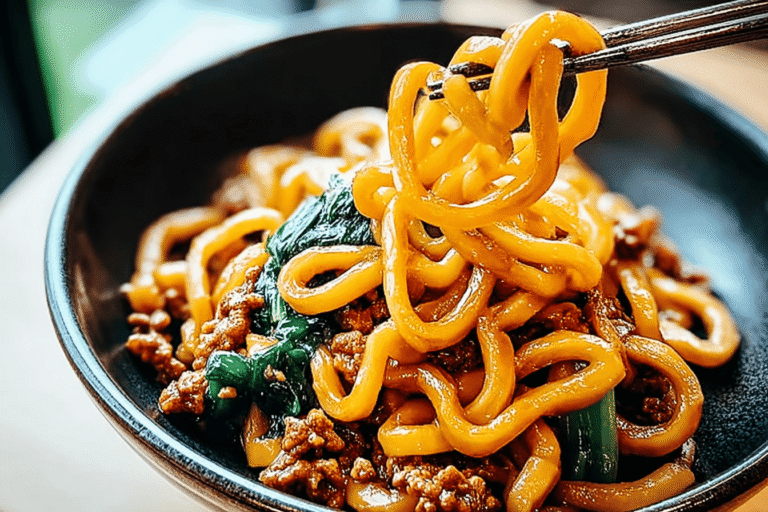
🍜 Enjoy a quick and flavorful meal with this Yaki Udon recipe featuring stir-fried udon noodles, vegetables, and savory sauce.
🥢 It’s a versatile dish that can be customized with your choice of protein and vegetables, perfect for a satisfying weeknight dinner.
- Total Time: 15 minutes
- Yield: 2 servings
Ingredients
– 2 packets (total 13 oz) vacuum-packed pre-cooked udon noodles
– 2½ cups chopped stir fry vegetables (such as mushrooms, bok choy, onions)
– 2 stalks scallions, cut into 2-inch pieces
– ½ lb ground meat (options include beef, chicken, turkey, pork, or shrimp)
– 1 tablespoon avocado oil
– 2½ tablespoons dark soy sauce (can substitute regular soy sauce reduced with sugar and molasses)
– 2 tablespoons oyster sauce (can substitute hoisin, teriyaki, or sweet and savory brown stir fry sauce)
– 1 tablespoon mirin (or cooking wine, sake, or non-alcoholic replacement like stock with a few drops of lemon juice or vinegar)
– 2 teaspoons brown sugar
– ½ teaspoon rice wine vinegar
Instructions
First Step: Prepare all ingredients by slicing the protein, washing and chopping vegetables, and mincing garlic and ginger if adding them. Pre-cook the udon noodles according to package instructions, then drain and set aside.
Second Step: Heat 1 tablespoon of avocado oil in a large skillet over medium-high heat.
Third Step: Add the ground meat to the pan, cooking until almost done, then include the vegetables and cook until the meat is fully cooked and the vegetables soften.
Fourth Step: Incorporate the cooked udon noodles and the prepared sauce into the pan.
Fifth Step: Add the scallions and stir-fry for about 3 minutes until everything is well combined and heated through.
Final Step: Remove from heat and serve immediately for the best taste and texture. This takes just about 15 minutes total, with 10 minutes prep and 5 minutes cook time.
Last Step:
Please leave a rating and comment letting us know how you liked this recipe! This helps our business to thrive and continue providing free, high-quality recipes for you.Notes
❄️ Freeze pre-cooked udon noodles before use for better chewy texture.
💧 Rinse noodles after boiling to stop cooking and prevent sticking.
🍳 Customize with your favorite protein and vegetables for versatility.
- Prep Time: 10 minutes
- Cook Time: 5 minutes
- Category: Main Course
- Method: Stir-frying
- Cuisine: Japanese
- Diet: Flexible (choose protein accordingly)
Nutrition
- Serving Size: 1 serving
- Calories: 344 kcal
- Sugar: 7 g
- Sodium: 650 mg
- Fat: 23 g
- Saturated Fat: 9 g
- Carbohydrates: 12 g
- Fiber: 1 g
- Protein: 22 g
- Cholesterol: 81 mg